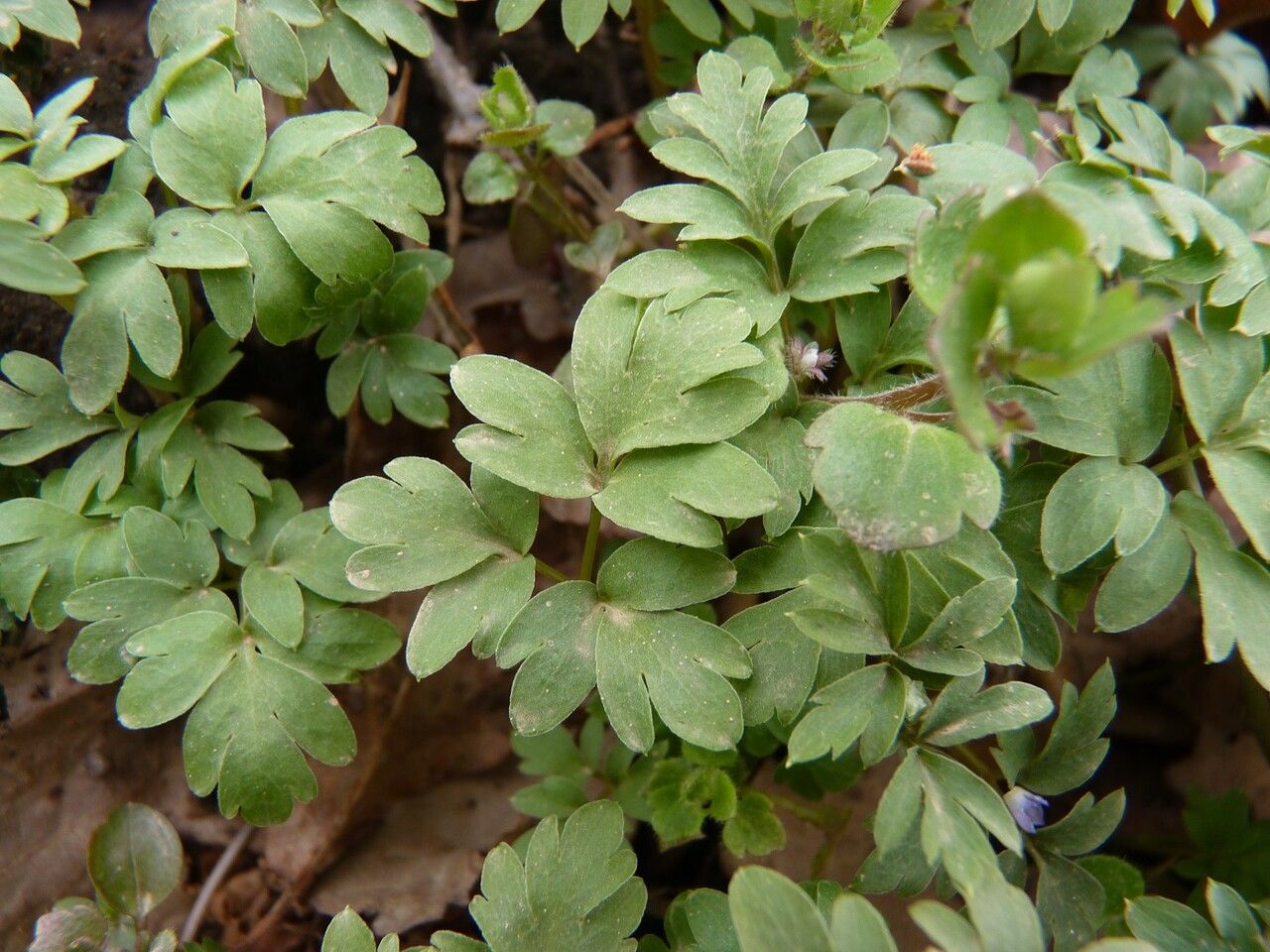
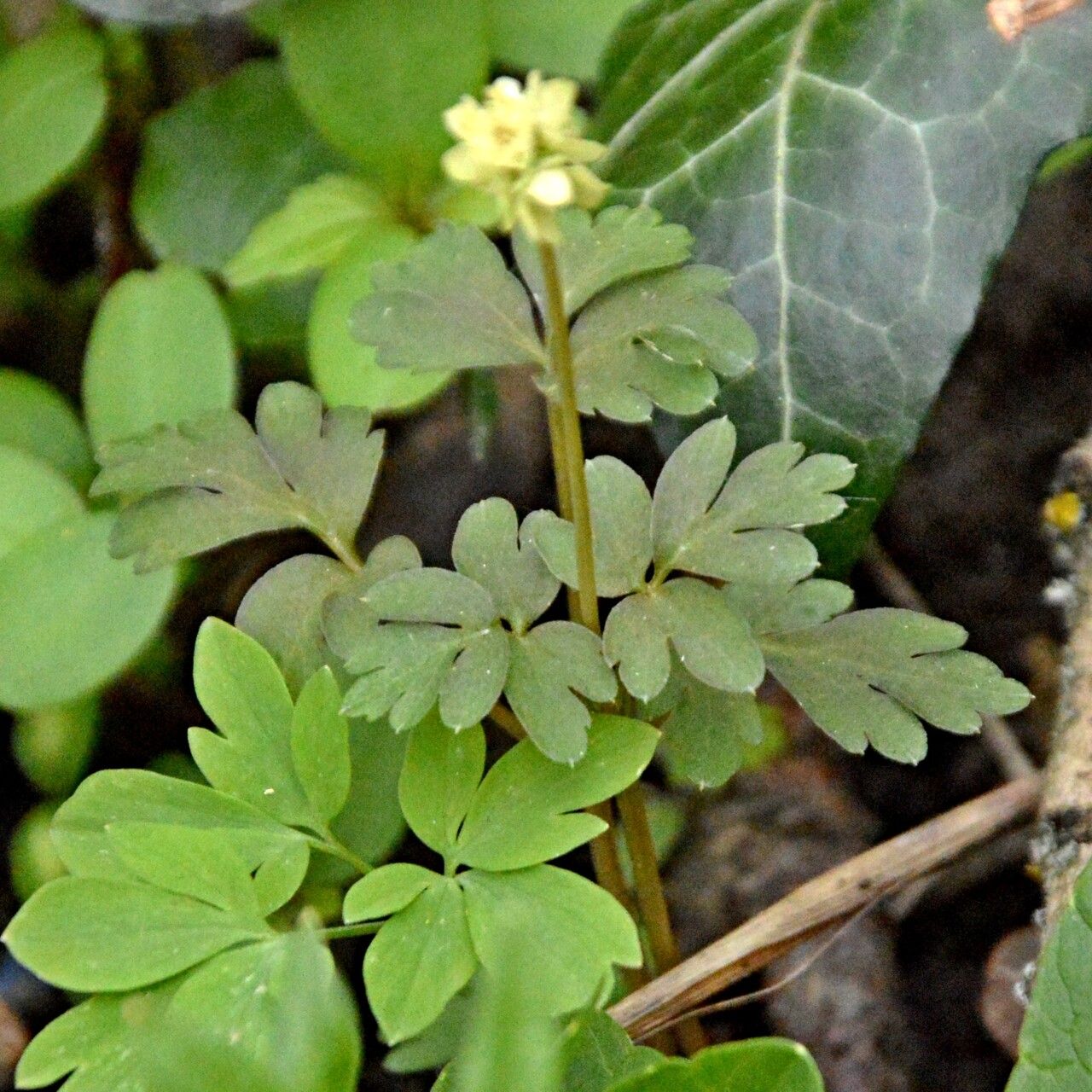
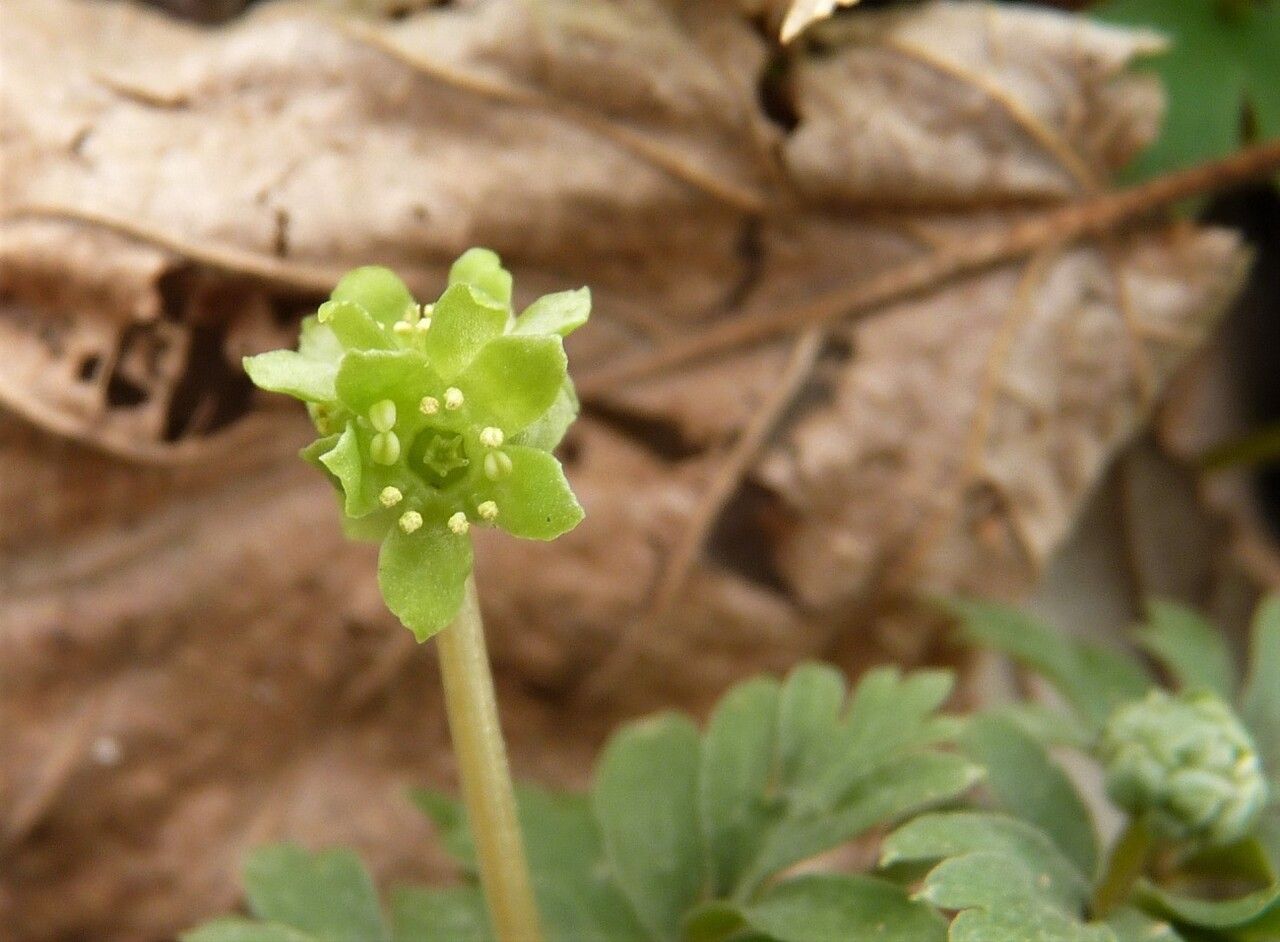
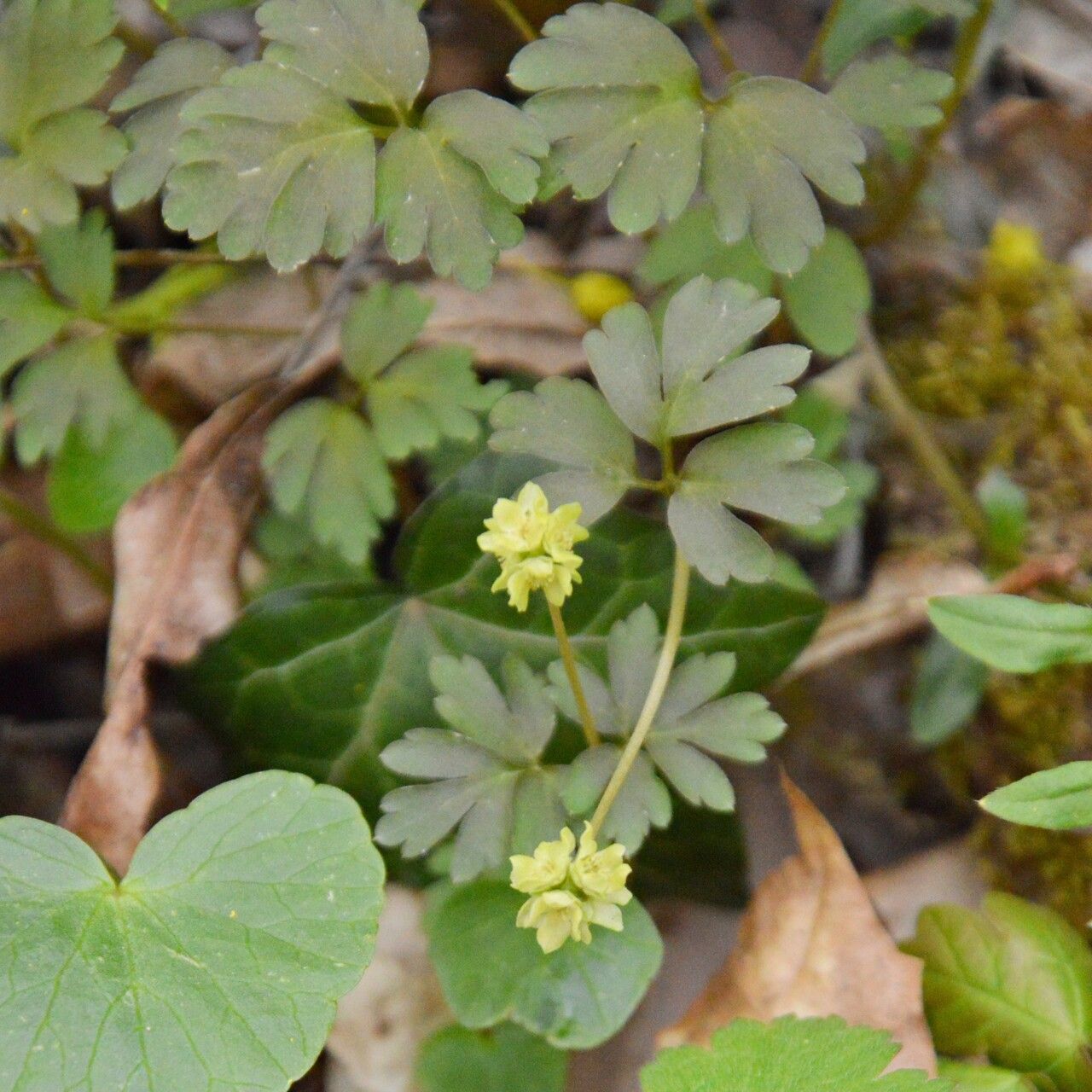
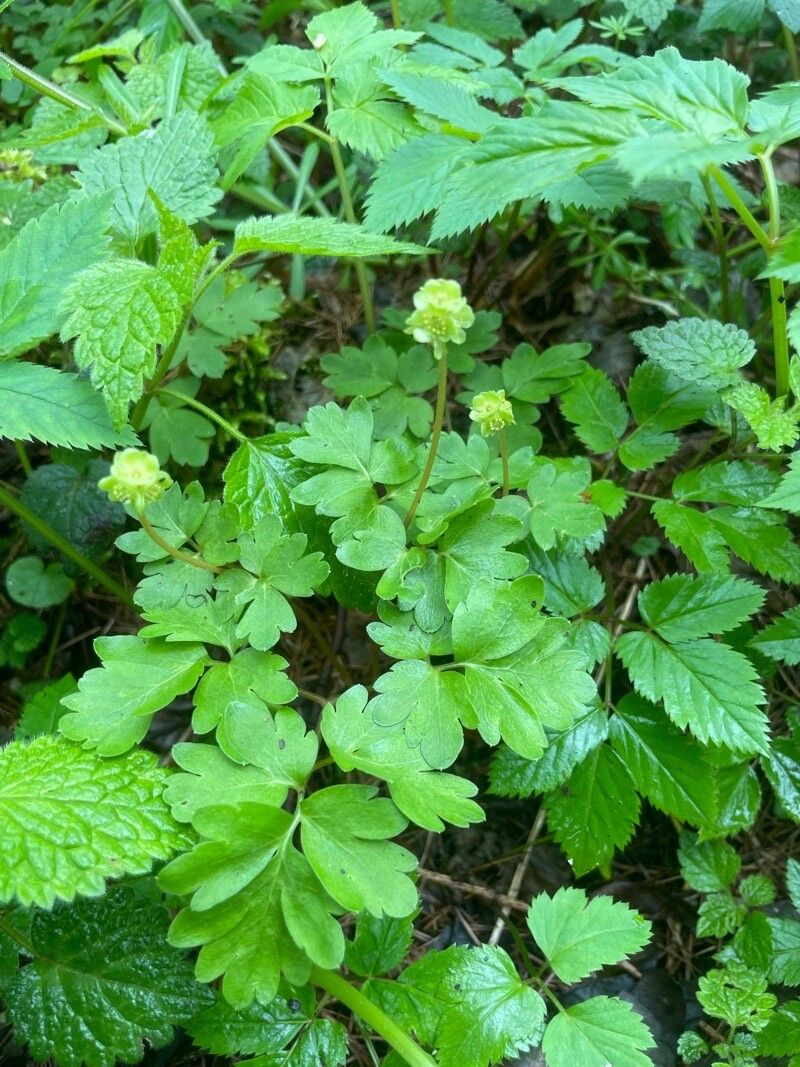
Adoxa moschatellina, commonly known as Muskroot or Townhall Clock, is a perennial herbaceous plant that belongs to the Adoxaceae family. It is native to Europe and Asia and typically grows in damp woodlands, meadows, and along streams. The plant reaches up to 20 cm in height and features a basal rosette of leaves that are deeply lobed and have toothed edges. Its stem bears small greenish-yellow flowers, which are arranged in a distinctive whorled pattern resembling a clock face, each with five petals. These flowers bloom from April to June and are followed by small fruits, each containing a single seed.
Muskroot has been used for medicinal purposes for centuries owing to its antispasmodic properties, which help relieve muscle spasms and cramps. It has also been utilized as an expectorant for respiratory ailments such as coughs, colds, and bronchitis.
Adoxa moschatellina is an important food source for various insects, such as bees, which pollinate its flowers, and for birds that feed on its fruits during the winter months when other food sources are scarce.
Overall, this unique herbaceous perennial not only adds beauty to its environment but also offers medicinal benefits, making it a valuable part of our natural ecosystem.
Muskroot has strong resistance to disease and generally does not suffer from illnesses. However, it can be vulnerable to pests and diseases present in its environment. These infections are generally mild. In terms of care, the plant requires a moderate level of maintenance. It needs regular pruning to preserve a good appearance and support healthy growth. Fertilizing can also help encourage flowering. Muskroot is suitable for anyone with outdoor areas, such as a garden or patio, and does not demand extensive care experience. It may need more attention when cultivated indoors.
How to keep Adoxa Moschatellina.
Light
Muskroot performs best in full sun. The plant can also tolerate moderate shade and is able to survive in complete darkness. The natural characteristics of its native habitat explain this flexibility in light tolerance. Too little sunlight can hinder growth, while excessive sunlight can scorch the leaves.
Water
Muskroot flourishes in cool, moist environments. It requires consistent moisture and can endure short periods of wet conditions. To keep it healthy, weekly watering is essential. Ideally grown outdoors, muskroot depends on seasonal rainfall and sufficient hydration during its growing season to maintain vibrant leaves.
Temperature
Muskroot grows in habitats with moderate temperatures and does well within a range of 41 to 90 °F (5 to 32 ℃). It prefers warm conditions but can tolerate cooler temperatures. In extreme temperatures, minor adjustments to the plant's placement or the level of shade may be necessary.
Fertilizer
One fertilizer application in spring is typically enough for Muskroot, although repeated feedings can help maximize growth. Apply fertilizer about once every month to six weeks. Feeding improves the leaves’ appearance and function, helping maintain uniform color and a healthy texture. It also promotes root development and nutrient uptake, supporting the plant’s long-term health.
Pruning
Muskroot has delicate greenish-yellow flowers that emit a sweet musk fragrance. For best results, prune it in early to late spring. Concentrate on removing dead stems to enhance air circulation. Light pruning promotes healthy growth and blooming, but avoid heavy pruning since muskroot is a low-growing plant.
Botanical profile.
- Plant Type
- Herb
- Life Cycle
- Perennial
- Genus
- Adoxa
- Family
- Viburnaceae
- Hardiness Zone
- 5-8
- Mature Height
- 8 cm to 15 cm
- Mature Spread
- 10 cm to 20 cm
- Leaf Color
- Green, Bronze
- Leaf Type
- Evergreen
- Flower Color
- Yellow, Green
- Flower Size
- 0.51 cm to 0.76 cm
- Bloom Time
- Early spring, Mid spring
- Planting Time
- Spring, Summer
- Harvest Time
- Late spring, Early summer
Other names.
Reader questions.
How should I water my Muskroot plant?
To properly care for the Muskroot, follow these guidelines: 1. Use filtered water at room temperature: Tap water may contain harmful particles, so it's best to use filtered water. 2. Avoid cold water: Since the Muskroot thrives in warm environments, cold water can be too shocking for it. 3. Don't overhead water: Watering from above can cause issues with the foliage. 4. Instead, water the soil: Apply filtered room temperature water directly to the soil until it is fully soaked. 5. Soaking the soil is beneficial: It provides moisture to the roots and helps them spread and collect nutrients.
Why is it necessary to fertilize my Muskroot?
The Muskroot's leaves are a key part of its structure, and fertilization is crucial for the health and appearance of these leaves. Proper fertilization results in consistent leaf color and a healthy texture. It also benefits the root system by promoting the growth of new roots and maintaining existing ones. Therefore, fertilization not only keeps the plant healthy in the present, but it also improves its ability to absorb nutrients from the soil in the future.
What are the sunlight requirements for Muskroot?
Muskroot thrives best under full sun exposure, requiring above 6 hours of sunlight daily. It can also tolerate partial sun to full shade conditions, needing about 3-6 hours of sunlight. Observing how sunlight moves through your garden helps in selecting the optimal spots that offer a balance of light and shade, ensuring the plants' well-being.
What is the native environment and temperature tolerance of Muskroot?
Muskroot, botanically known as Adoxa moschatellina, thrives in environments with moderate temperatures, flourishing in a temperature range from 41 to 90°F (5 to 32°C). It prefers warm temperatures but can tolerate cooler conditions. Adjustments in the plant's location or shade levels might be necessary during extreme temperatures to ensure its well-being. Muskroot has a strong cold resistance, meaning special frost protection measures are usually not required during winter. However, in instances where winter temperatures are anticipated to drop below -25°C, it's important to provide cold protection by covering the plant with soil or straw. An abundant watering before the first freeze in autumn is recommended to keep the soil moist and prevent drought and water scarcity for the plant during winter and early spring.
What should I do if I give too much or too little water to my Muskroot plant?
Both overwatering and underwatering can harm the health of your Muskroot, but overwatering is more common. When this plant gets too much water, its stems and leaves may wilt and turn yellow. Overwatering for a long time can also cause root rot, mold, and mildew, which can be fatal. Underwatering is less likely for the Muskroot, as it tolerates drought well. However, it can still happen, and when it does, the leaves become brittle and brown. It's important to identify signs of overwatering early when taking care of your Muskroot. Some diseases caused by overwatering, like root rot, may not be fixable if you wait too long. If you notice early signs of overwatering, reduce watering immediately. Check the quality of the soil the Muskroot is growing in. If it drains poorly, replace it with a loose, well-draining potting mix. If you see signs of under-watering, simply increase watering until the signs improve.
When is the right time to feed my Muskroot plant?
Growing your Muskroot outdoors each year results in new growth shooting out in early spring. The emergence of these leaves indicates that it's time for fertilization. Typically, one application of fertilizer in the spring is sufficient for a Muskroot to thrive. However, for optimal growth, you can fertilize multiple times during the spring and early summer. If you choose this approach, feed your Muskroot approximately once a month to a month and a half.
How does Muskroot adapt to different lighting conditions?
Muskroot exhibits great adaptability to different lighting conditions due to its origin habitat's natural features, thriving under full sun exposure and tolerating moderate shading to complete shade. However, inadequate sunlight can hinder growth, while excessive exposure might lead to leaf scorching. The plant's adaptability is a testament to its versatile nature in various environments.
What should be done if Muskroot experiences temperatures below its tolerance level?
For Muskroot, cold tolerance is a significant characteristic, and it generally thrives when the temperature is above 5°C. During winter, temperatures should be maintained above -20°C. In the event that temperatures fall below -25°C, the plant might not show immediate changes during winter, but come spring, there could be a lack of sprouting or no sprouting at all. To address this, any parts that have failed to sprout by spring should be removed. On the other hand, during summer, it's crucial to keep Muskroot below 32°C. Exceeding 35°C can cause the plant's leaves to lighten in color, become prone to curling, suffer from sunburn, and, in severe cases, the entire plant may wilt and dry out. To mitigate these issues, trim away the sunburned and dried parts, move the plant to a shaded location, especially from midday and afternoon sun, or use a shade cloth. Additionally, watering the plant in the morning and evening helps keep the soil moist and supports the plant's health in high temperatures.
How frequently should I give water to my Muskroot plant?
If your Muskroot plant is in a pot, the easiest way to determine if it needs water is to stick your finger in the soil. If the top two to three inches of soil feel dry, then it's time to water it. If you have your Muskroot plant outdoors in the ground, you can use a similar method to check the soil moisture. Once again, if the first few inches of soil are dry, it's time to add water. Usually, during the spring and early fall, watering once a week should be sufficient. However, when it gets really hot, you may need to water it twice or even more times per week. Nonetheless, mature Muskroot plants that are well-established have a remarkable ability to endure dry periods.
When is the best time to not give fertilizer to my Muskroot?
During late fall and winter, your Muskroot goes into a dormant phase and stops growing. During this period, it's important to refrain from fertilizing your Muskroot. In spring and summer, if you choose to fertilize, gradually reduce the amount as summer approaches because the growth rate of your Muskroot will also slow down. It's generally not recommended to fertilize your Muskroot when the weather is excessively hot or the soil is extremely dry, as it can cause stress and premature death.
Can artificial lighting be used for Muskroot, and if so, how?
Yes, artificial lighting can be used for Muskroot, especially when natural sunlight is insufficient, like during winter or in less sunny spaces. For optimal growth, indoor plants require lighting that mimics natural sunlight. LED lights are recommended for their ability to be customized according to specific light wavelength needs of plants. Full sun plants should have 30-50W/sq ft, partial sun plants 20-30W/sq ft, and full shade plants 10-20W/sq ft. The light source should be placed 12-36 inches above the plant, for 8-12 hours per day to mimic natural daylight hours.
How much water does my Muskroot plant require?
When watering your Muskroot, don't hold back on the amount of water you give. It's best to water thoroughly when the top two to three inches of soil are dry. Make sure the water soaks the soil completely, enough to see excess water draining from the bottom of the pot. If you don't see any excess water, you might have not watered enough, but be careful not to let the water accumulate in the soil as this can harm the plant. On the other hand, if the water doesn't drain properly, it could be due to poorly draining soil, which isn't good for the plant's health. If the plant is outside, about 1 inch of rain per week should be enough.