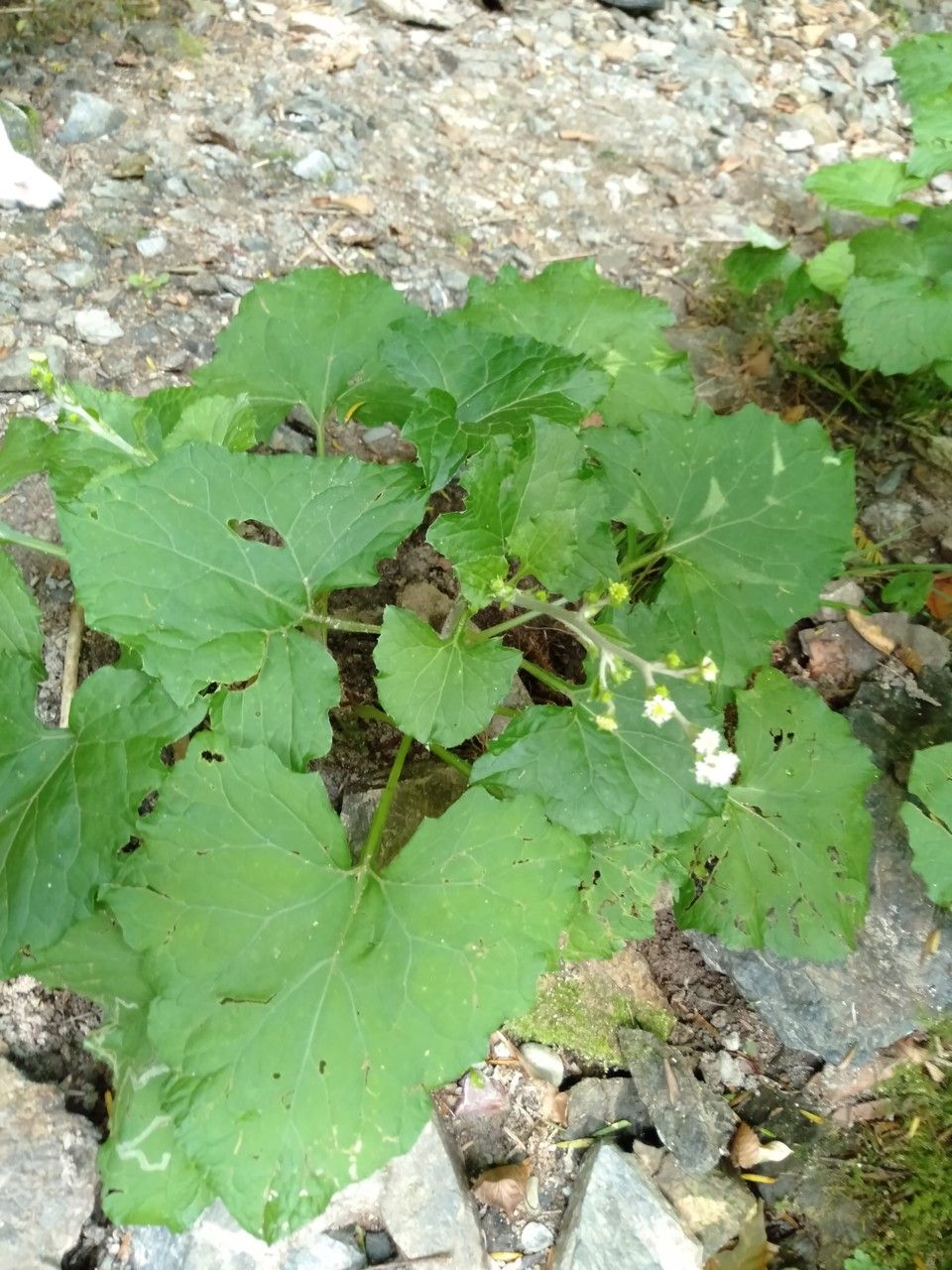
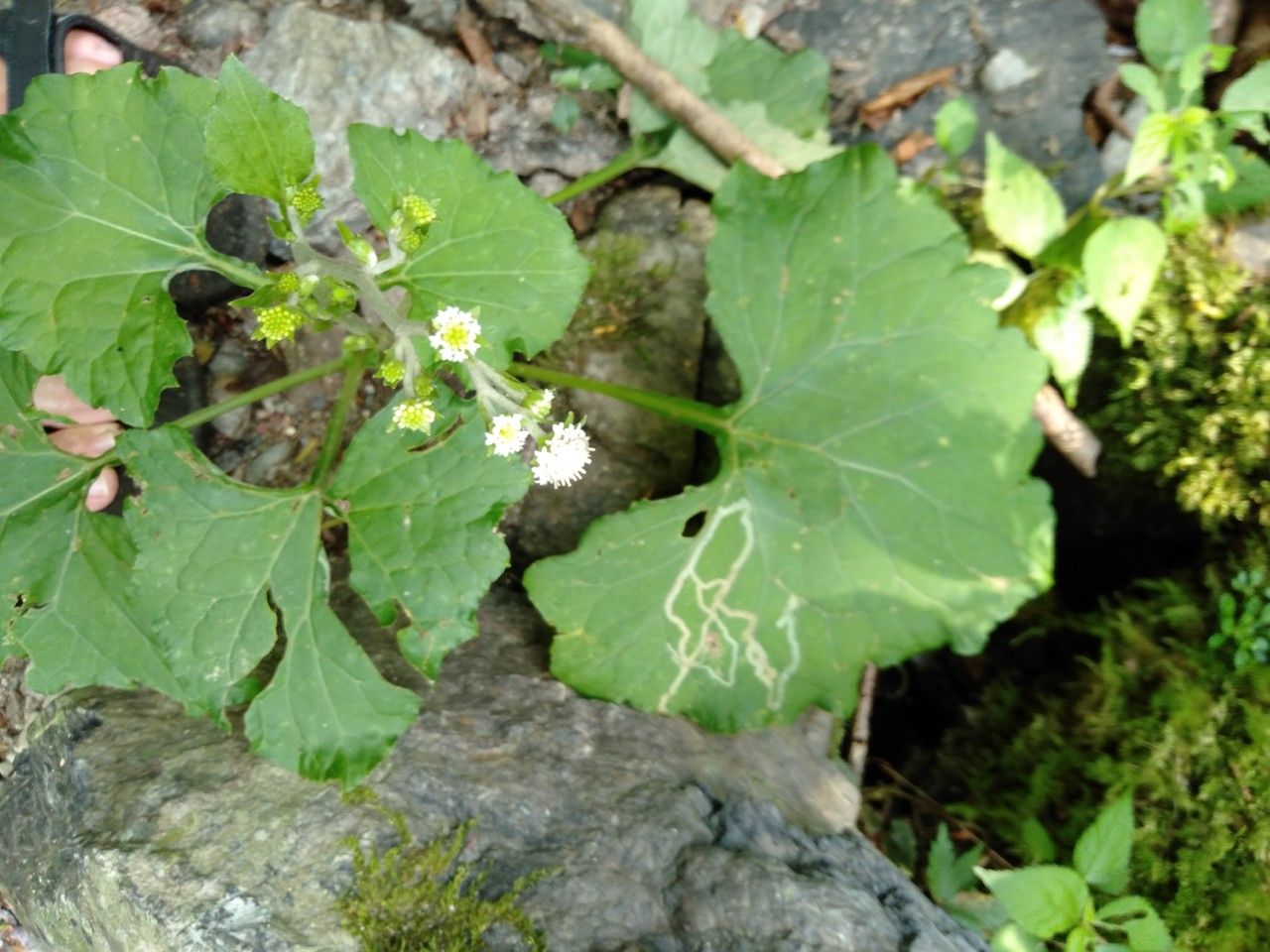
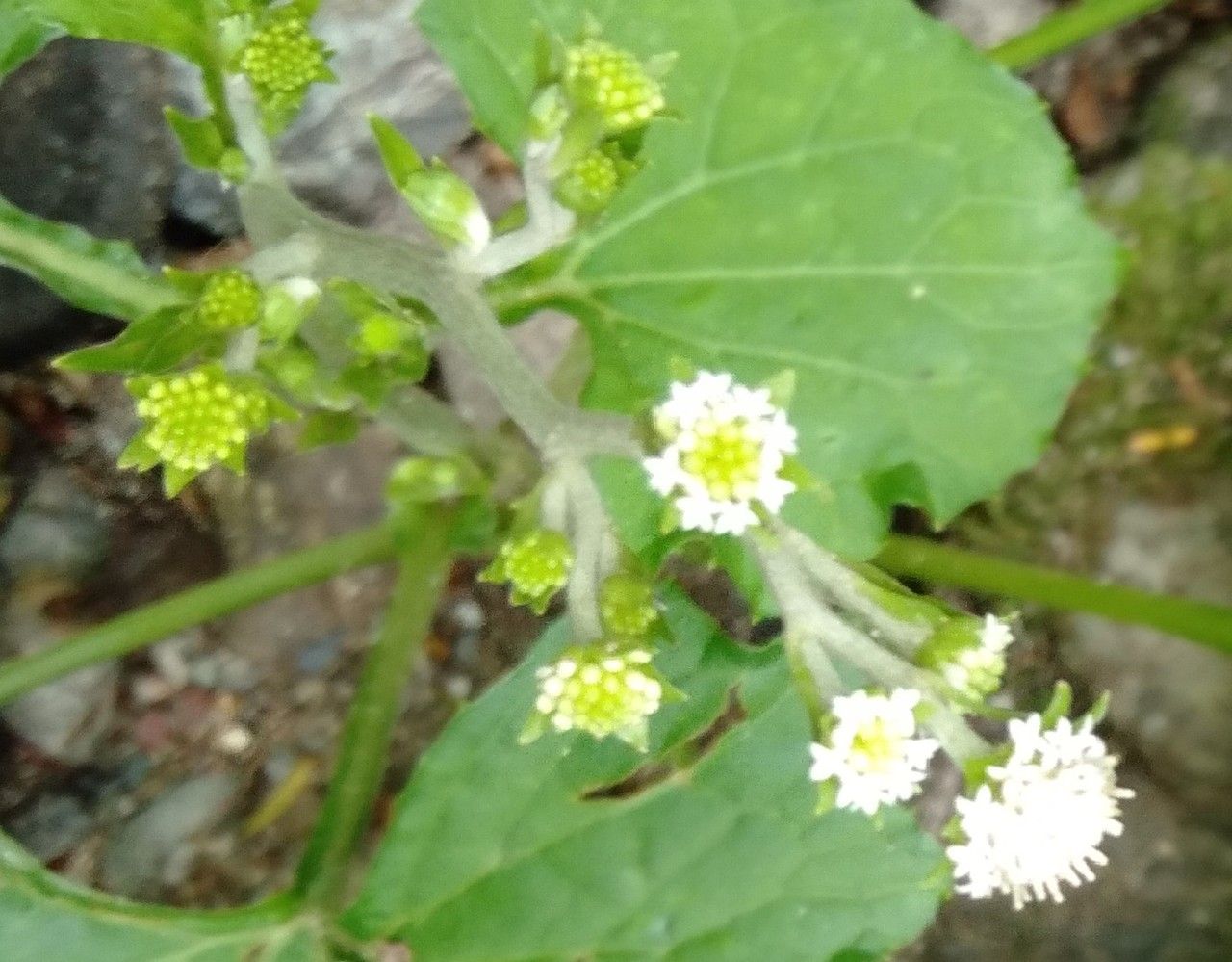
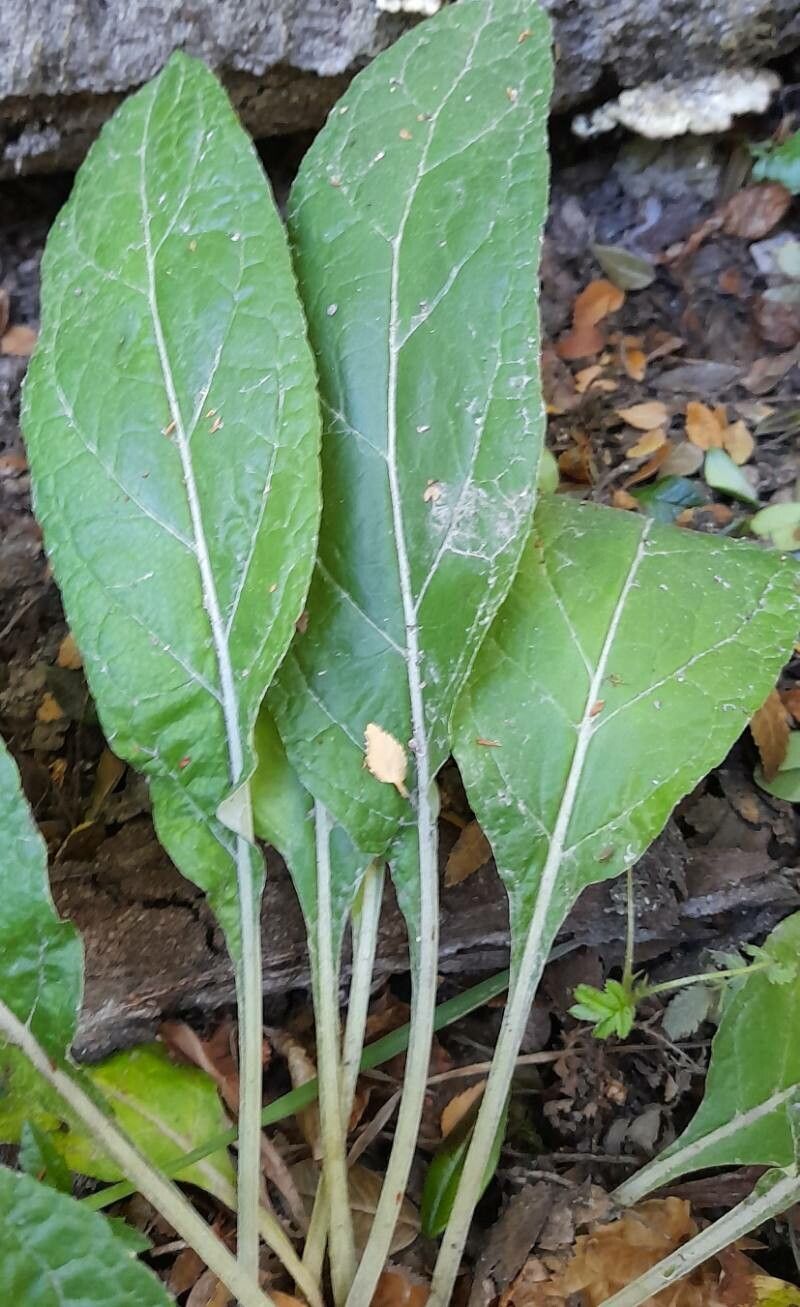
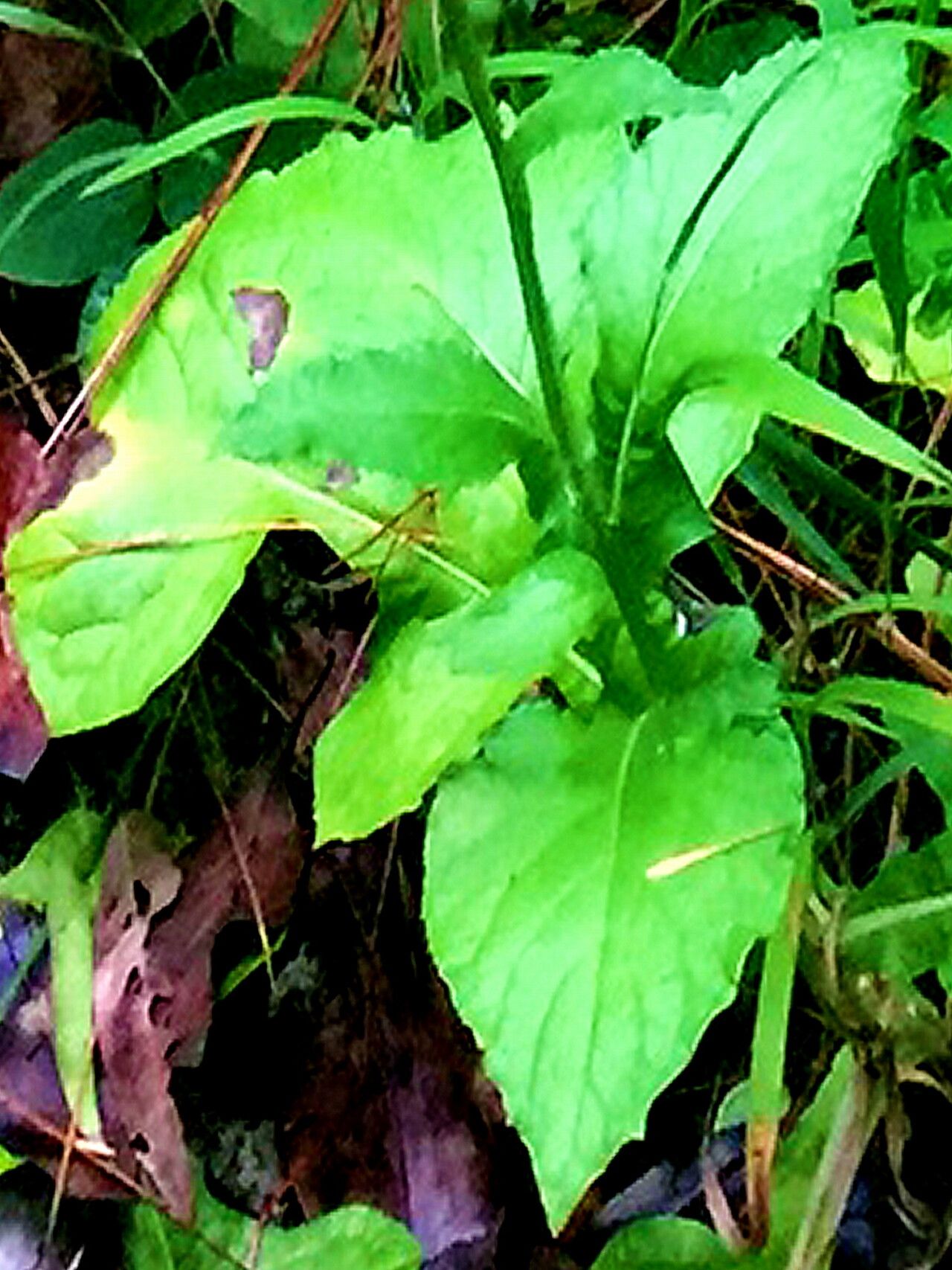
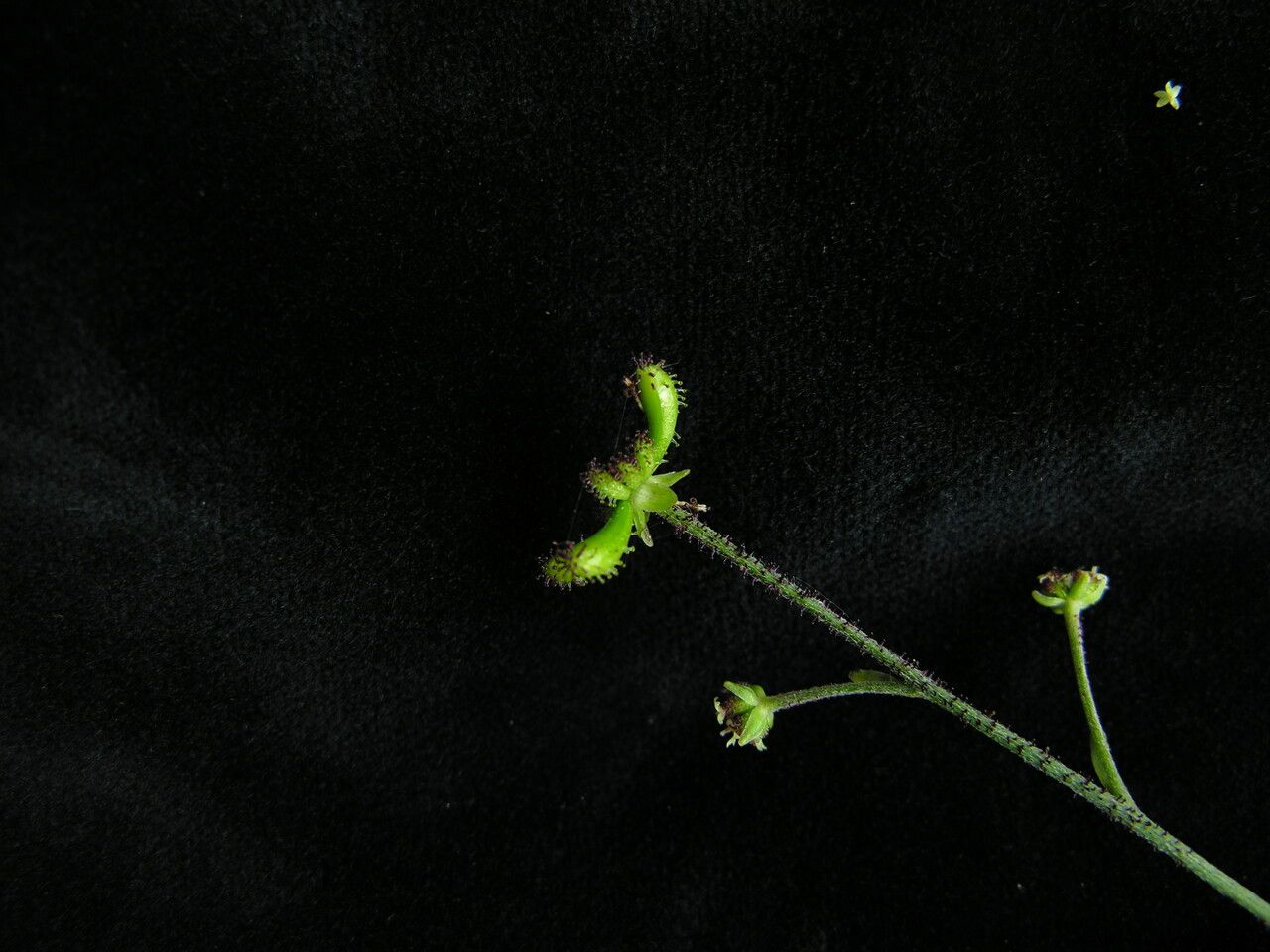
Adenocaulon himalaicum is a perennial flowering plant in the family Asteraceae. It is native to China, Japan, India, Korea, and Nepal, and is an invasive species in Russia. It grows in shady places, often by the side of the road.
Trailplant is fairly disease-resistant and generally not likely to develop illnesses. Nevertheless, it can be vulnerable to pests and diseases present in its environment. These problems are usually mild. In terms of care, the plant requires moderate maintenance. It should be pruned regularly to preserve a neat appearance and healthy growth. Fertilizing can also help boost flowering. Trailplant is well suited to anyone with outdoor space, such as a garden or patio, and does not demand extensive care experience. It may need more attention when kept indoors.
How to keep Adenocaulon Himalaicum.
Light
Trailplant requires filtered or indirect sunlight to thrive. Originating in habitats where tree canopies create subdued light, Trailplant can tolerate almost no sunlight, although that may reduce its vigor. Too much or too little light can cause health issues and result in poor development.
Water
The Trailplant flourishes in consistently moist conditions and benefits from weekly watering to maintain its lush foliage. While it can tolerate short periods of dryness, it thrives in stable humidity, making it an excellent choice for an indoor plant. Providing sufficient watering during the growing season is crucial for encouraging growth and ensuring the plant's health.
Temperature
Trailplant can tolerate a wide range of temperatures, but its distribution may still be restricted by different combinations of moisture and heat. It performs best in warm summer conditions when rainfall or watering is sufficient. Extended periods of cloudy, rainy weather, as well as prolonged high temperatures, can raise the risk of Trailplant dying. In winter, protecting the plant from cold can increase its chances of survival.
Fertilizer
One fertilizer application in spring is generally enough for Trailplant, although several feedings can enhance growth. Feed it about once every month to a month and a half. Fertilizing improves the leaves' appearance and function, helping maintain even color and a healthy texture. It also encourages root development and nutrient uptake, supporting the plant's long-term health.
Pruning
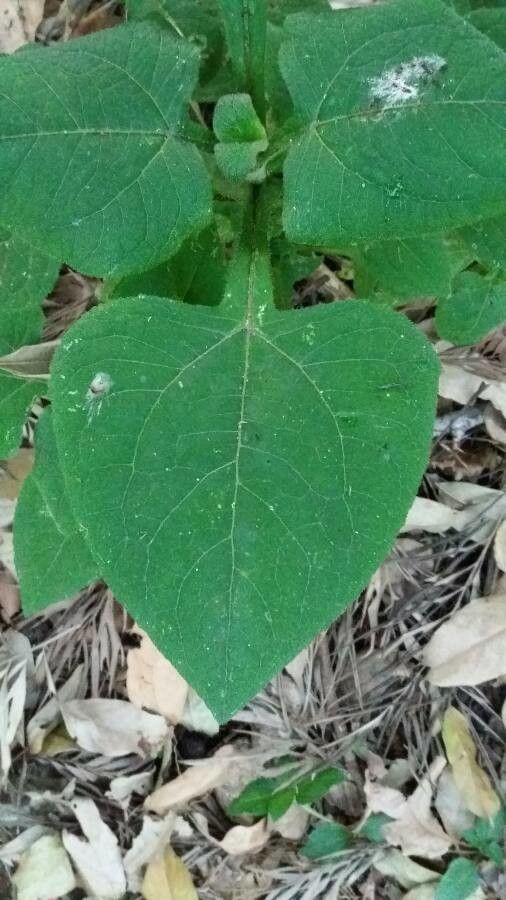
Trailplant has heart-shaped leaves and a sprawling growth habit. For healthy growth, prune the plant between early and late spring. Remove dead stems and thin out crowded areas to enhance air circulation and sunlight exposure. Always use clean, sharp tools to reduce stress on the plant.
Botanical profile.
- Plant Type
- Herb
- Life Cycle
- Perennial
- Genus
- Adenocaulon
- Family
- Asteraceae
- Hardiness Zone
- 6-9
- Mature Height
- 30 cm to 91 cm
- Mature Spread
- 20 cm to 40 cm
- Leaf Color
- Green, Dark Green
- Leaf Type
- Deciduous
- Flower Color
- White
- Flower Size
- 0.20 cm
- Bloom Time
- Early summer, Mid summer
- Planting Time
- Spring, Summer
- Harvest Time
- Late summer, Early fall
- Native Area
- Russia, Nepal, India, Japan, Koppen, Bhutan, South Korea, China
Other names.
Reader questions.
What is the most effective way to water my Trailplant?
To properly water the Trailplant, it is best to use filtered water at room temperature. This is because tap water may contain harmful particles. The water temperature should be warm, as cold water can be a shock to the plant. It is also important to avoid overhead watering, as it can cause issues with the plant's foliage. Instead, using filtered room temperature water, you should soak the soil until it is fully saturated. This helps to nourish the roots and promote their growth and nutrient absorption.
How much sunlight does Trailplant need to grow?
Trailplant thrives with 3-6 hours of direct sunlight daily, but needs some shade during the hottest parts of the day to avoid sun damage. Morning sunlight is best, but it can tolerate some afternoon sun if it's not too hot. For the ideal sunlight balance, plant Trailplant in a partially sunny spot, like under a tree or on the east side of a building.
What do I do if I give my Trailplant too much or too little water?
Overwatering is a more common issue than underwatering for the health of your Trailplant. When the Trailplant receives too much water, its stems and leaves may wilt, turn yellow, and become susceptible to diseases like root rot, mold, and mildew, which can kill the plant. While underwatering is less common due to the Trailplant's drought tolerance, it can still happen and will result in brittle and brown leaves. It's important to recognize the signs of overwatering early to prevent irreversible damage like root rot. If you notice these signs, reduce your watering schedule and check if the soil is draining properly. If the soil is not draining well, replace it with a loose and well-draining potting mix. Conversely, if you see signs of underwatering, simply increase the frequency of watering until the plant recovers.
What happens if Trailplant doesn't get enough sunlight?
If Trailplant is exposed to excessive direct sunlight, it may experience adverse effects such as yellow leaves, drying out, or burning. Additionally, the plant may also wilt or grow slower. To protect Trailplant from sun damage, it is recommended to provide some shade during the hottest times of the day. This can be achieved by utilizing a shade cloth or planting Trailplant in close proximity to taller plants that can offer natural shade.
How often do I need to water my Trailplant?
If your plant is in a pot, the best way to determine if your Trailplant needs water is by sticking your finger into the soil. If the top two to three inches of soil feel dry, it's time to water. If you have your Trailplant growing outdoors in the ground, you can use a similar method to check the soil moisture. Once again, when the top few inches of soil are dry, it's time to water. Normally, you'll need to water this plant about once a week during the spring and early fall using this method. However, when it gets very hot outside, you may need to water twice or even more times a week. Keep in mind that mature and well-established Trailplants can endure periods of drought well.
What will happen if Trailplant gets too much sunlight? What happens if Trailplant gets too much sunlight?
If Trailplant lacks sunlight, it may grow tall and thin with few leaves. The leaves may also turn yellow or pale green, suggesting that the plant is not getting enough sunlight to produce chlorophyll. To fix this, you can try moving Trailplant to a sunnier location or trimming nearby foliage to let more light reach the plant.
How much water does my Trailplant require?
To water your Trailplant effectively, don't be hesitant in giving it plenty of water. Make sure the first couple of inches of soil are dry, and then proceed to thoroughly water the plant. It's important to completely saturate the soil, enough for excess water to drain through the pot's drainage holes. If you notice that no excess water is draining, you may have underwatered the plant, so be careful not to let water accumulate in the soil as it can harm the plant. On the other hand, if water doesn't drain properly from the pot, it could mean that the soil doesn't drain well, which is harmful to the plant. In such cases, it's best to avoid poorly draining soils. If the plant is situated outdoors, 1 inch of rainfall per week will be enough.
How do I water my Trailplant when it is growing at different stages?
The Trailplant's water needs can vary depending on its growth stages. In the first few years of its life or when it is newly transplanted, it requires more water than usual. During these stages, the plant focuses on developing new roots that will support future growth. To optimize root performance, they need slightly more moisture than during later, more mature phases. As the Trailplant ages, it will require less water. Additionally, during the bloom period, the plant may need extra water due to the significant amount of moisture used in flower development.
How should I give water to my Trailplant during different seasons?
The Trailplant has different water needs depending on the season. In the hottest months of the year, it will require more water and you may need to water it more than once a week, depending on how quickly the soil dries out. However, during the winter, the plant goes dormant and requires less water. In fact, you may not need to water it at all during this time. If you do choose to water it in winter, it should only be done about once a month to avoid the plant getting sick.
How does watering my Trailplant inside compare to watering it outside?
The Trailplant is commonly grown indoors by gardeners who don't live in temperate or tropical regions. When growing it in a container, keep in mind that the soil may dry out faster than if it were planted in the ground. Additionally, factors like air conditioning can increase the frequency at which you need to water the Trailplant compared to if it were planted outside. In that case, watering may be less necessary, especially if you receive regular rainfall. However, if you choose to grow the plant indoors, you will need to water it more often as you cannot rely on rainwater to hydrate the soil.