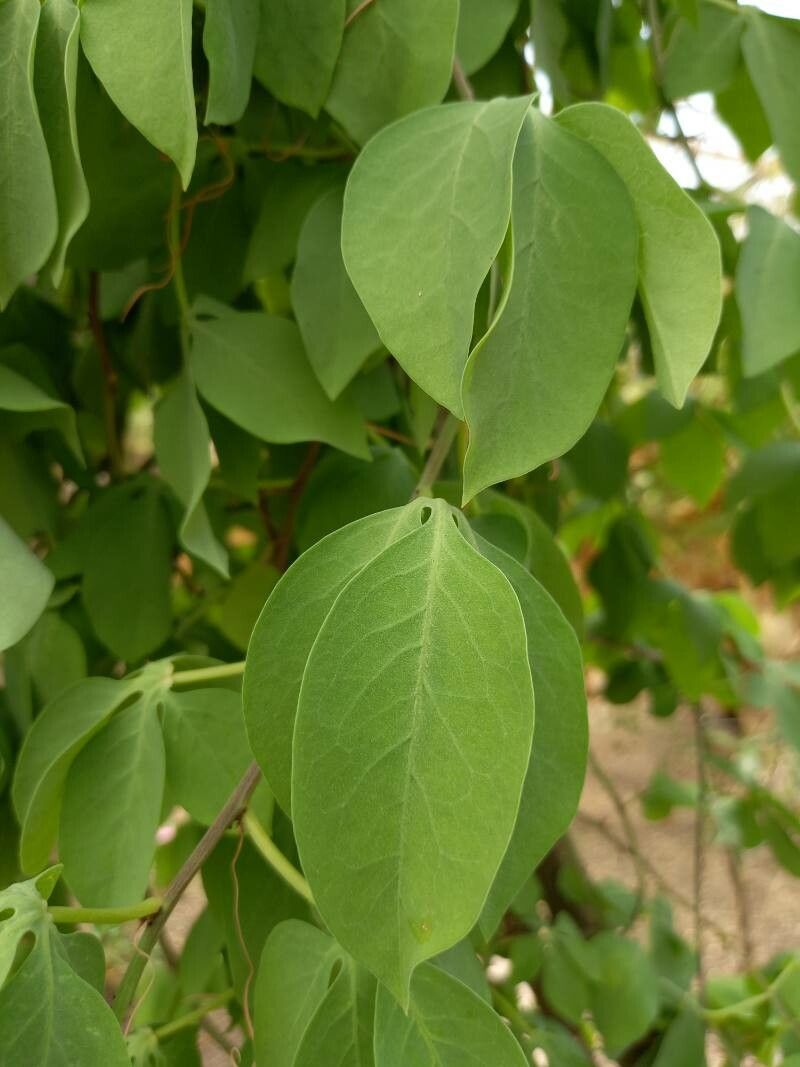
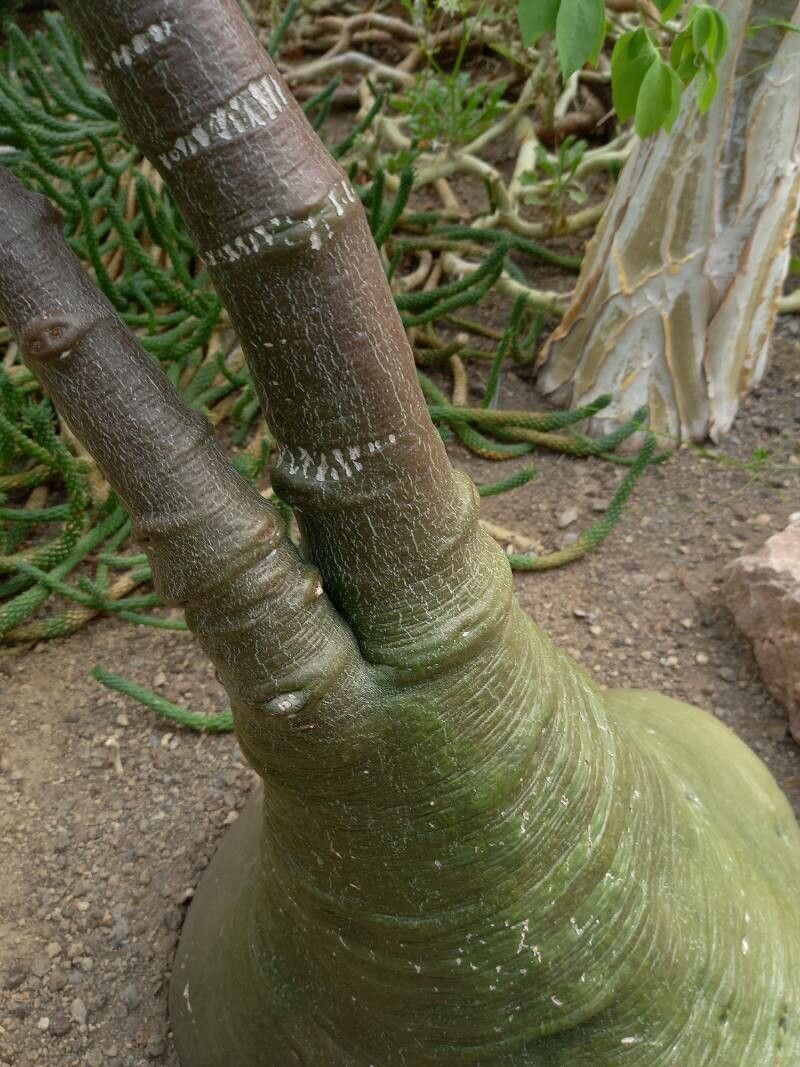
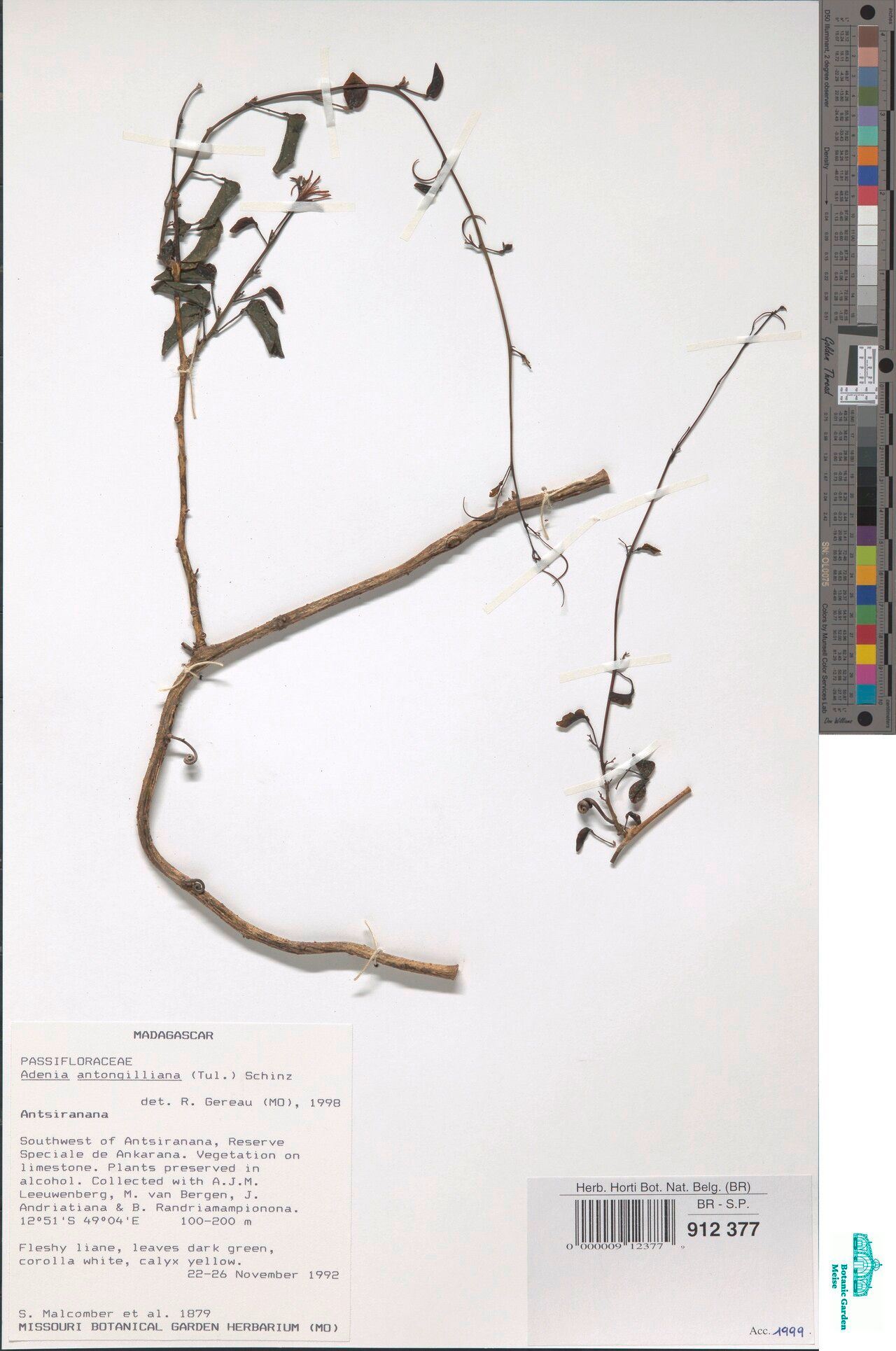
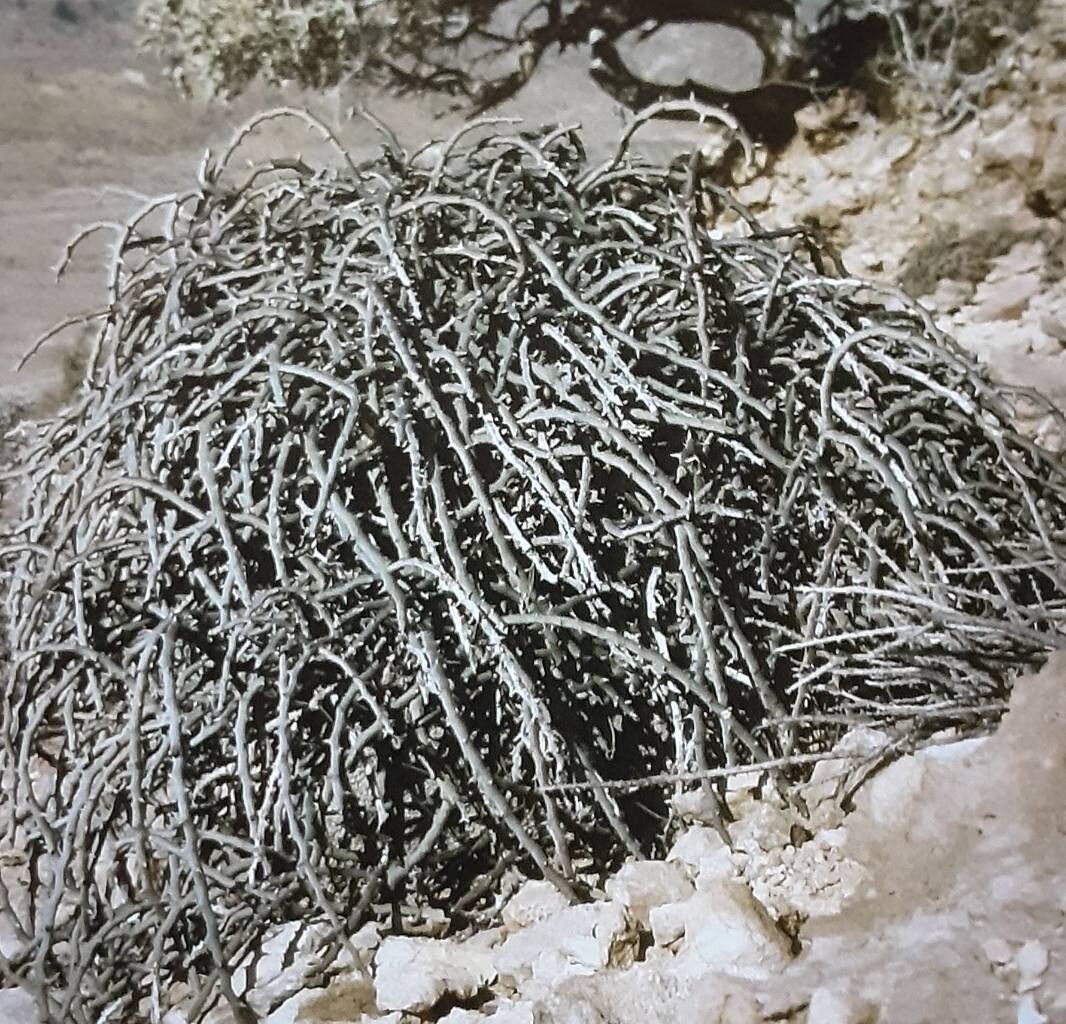
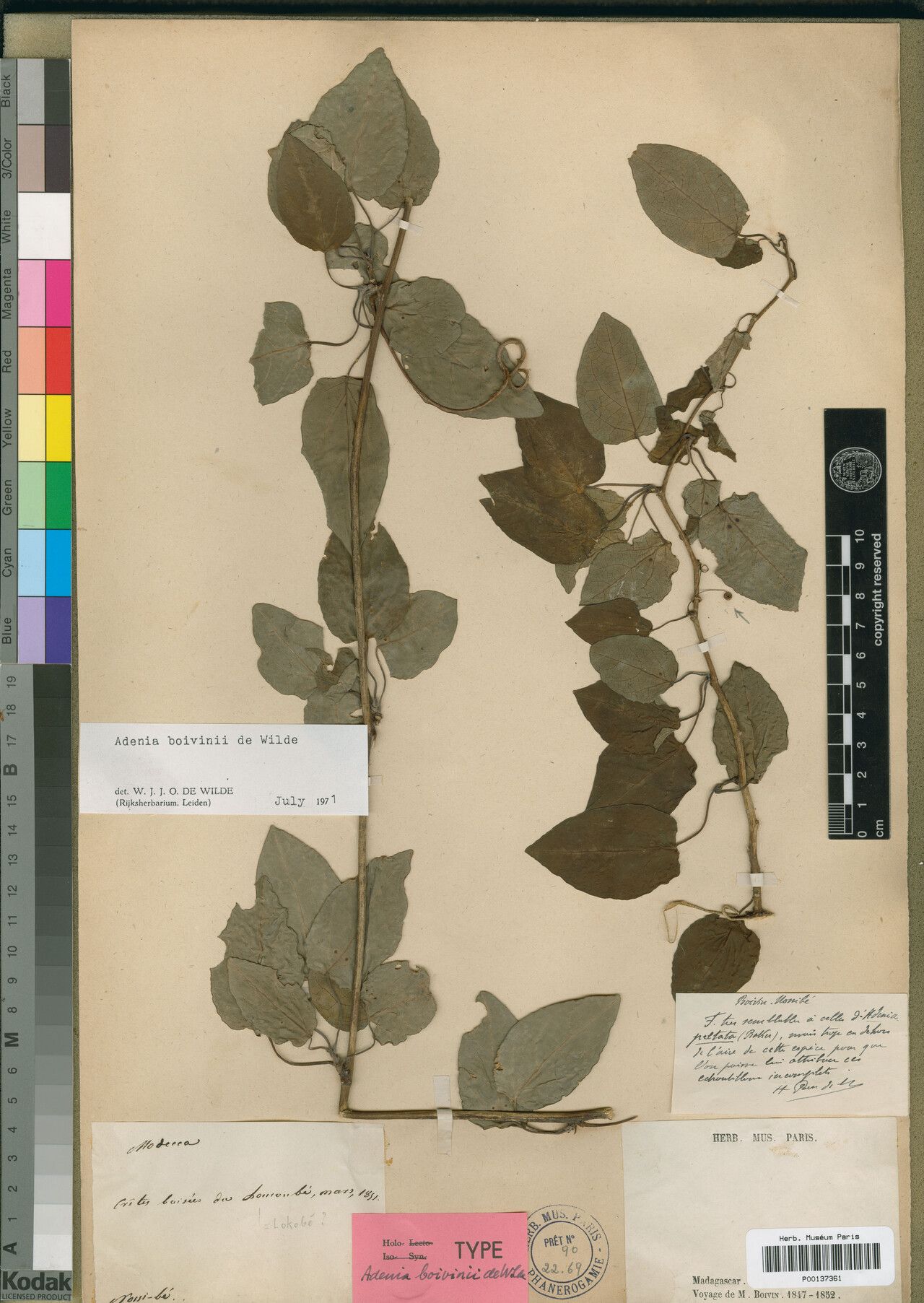
Adenia glauca is a species of flowering plant in the passionflower family, Passifloraceae. It is native to southern Africa, where it occurs in southeastern Botswana and northern South Africa.It grows from 0.5 to 3.5 m tall, with its main stem enlarged at ground level.
Elephant's Foot has moderate disease resistance and is particularly sensitive to humidity and excess watering. It becomes more prone to illness if it is kept in low light and overwatered. For care, Elephant's Foot is drought tolerant and can withstand long periods without water. It needs little fertilizer and only occasional pruning. These characteristics make it a suitable plant for people at any experience level, especially those who prefer to spend less time on plant care and who may sometimes be away from home for extended periods. It is a good option for people who do not want to invest a lot of time in caring for plants but still want something easy to maintain.
How to keep Adenia Glauca.
Water
The Elephant’s Foot is a drought-tolerant succulent native to arid regions, needing water only once every three weeks. It thrives in well-draining soil, as overwatering can lead to root rot. Commonly grown indoors for its ornamental features, the Elephant’s Foot efficiently adapts to low moisture conditions.
Temperature
Elephant's Foot naturally occurs in environments where temperatures typically range from 68 to 100.4°F (20 to 38°C). It favors warm climates, so during cooler seasons it may require supplemental heating to maintain its optimal temperature.
Fertilizer
For Elephant's Foot, light applications of fertilizer once or twice a year during the growing season are enough. Avoid fertilizing in winter and summer when the plant is dormant. Reduce fertilizer for repotted plants and wait a couple of months after repotting before fertilizing. Fertilizing supports healthy growth and encourages blooms.
Pot & Repot
When repotting an Elephant's Foot, choose a pot slightly larger than the current one with good drainage. Use a gritty, well-draining cactus or succulent mix. Gently remove the plant from its old pot, brush off excess soil, and replant it at the same depth. Wait a few days before watering to allow any root damage to heal. Repot in spring or fall and place it in a brightly lit spot.
Botanical profile.
- Plant Type
- Succulent, Vine
- Life Cycle
- Perennial
- Genus
- Adenia
- Family
- Passifloraceae
- Hardiness Zone
- 11-11
- Mature Height
- 0.49 m to 3.35 m
- Mature Spread
- 0.91 m to 1.22 m
- Leaf Color
- Green, Gray
- Leaf Type
- Evergreen, Deciduous
- Flower Color
- Yellow, White, Pink, Green, Cream
- Flower Size
- 1.02 cm to 2.03 cm
- Bloom Time
- Late spring, Summer
- Planting Time
- Summer
- Harvest Time
- Late summer, Fall
- Native Area
- South Africa, Botswana
Other names.
Reader questions.
What do I do if I give my Elephant's Foot plant too much or too little water?
The Elephant's Foot succulent is known for its ability to withstand periods without water. However, if you forget to water it for a month or more, you may see signs of underwatering such as a lackluster appearance, wrinkles, and dried leaves falling off. To remedy this, simply give the plant plenty of water by submerging the pot in water for 5-10 minutes until the soil feels moist. On the other hand, overwatering is dangerous for the Elephant's Foot and can lead to root rot. Symptoms of overwatering include yellow, swollen, and translucent leaves that may burst open. If left untreated, the plant may turn brown or black and lose leaves easily. To address overwatering, improve air ventilation, adjust watering frequency, and check the soil for excess moisture. Saving an overwatered plant is possible by gently removing wet soil and rinsing the roots in room-temperature water. If the roots are dark brown or black, soft, mushy, or slimy, it may be difficult to save the plant. However, if only a portion of the roots are affected, unhealthy roots can be removed and the remaining healthy ones can be dipped in a fungicide before repotting in fresh soil. This process allows the plant to have a chance at recovering and producing new growth in the next growing season.
Why should I put fertilizer on my Elephant's Foot plant?
Adding nutrients to the growing medium is important for the development of Elephant's Foot. While it does have some water and nutrient reserves, applying plant food during the growing season is beneficial for promoting healthy growth. Fertilizing can also stimulate blooming in mature specimens during this time.
How much sunlight does Elephant's Foot need to grow?
Elephant's Foot plants thrive best with a minimum of 6 hours of sunlight per day, though more sunlight is even better. The actual required number of hours can vary based on sunlight intensity and environmental conditions, but it is unlikely for the Elephant's Foot to receive excessive sunlight. In fact, they can tolerate up to 14 hours of sun daily without any issues.
What temperature is best for your Elephant's Foot plant?
To ensure the well-being of the Elephant's Foot, it is best to maintain specific temperature conditions between 75-90℉ (25-32℃). In the early winter season, it is important to avoid temperatures below 75℉ (25℃) for the plant. Bringing it indoors provides better protection against extreme temperature variations. Although the Elephant's Foot can tolerate some extreme temperatures, it is not ideal for its survival. If winter conditions are anticipated outside, it is advisable to bring it indoors.
How frequently do I need to water my Elephant's Foot?
To determine when to water Elephant's Foot, the soil moisture level is the key. You can check this by sticking your finger or a moisture meter into the soil. For plants in deep pots, a stick or chopstick can be used. Wait a few days and check again if the soil feels slightly moist. Generally, during summer, Elephant's Foot needs watering every two weeks, while in winter, once a month should suffice. However, there are various factors that can affect watering frequency, which are detailed in the section below.
When should I fertilize my Elephant's Foot plant?
Elephant's Foot plants require a light dose of fertilizer during the growing season, with a recommended frequency of 1-2 times a year. It is best to fertilize in the spring and autumn, while avoiding winter and summer when the plant is dormant. When repotting, be cautious and reduce the amount of fertilizer. It's also advisable to wait a few months after repotting before beginning to apply fertilizer.
What kind of sunlight does Elephant's Foot need?
Elephant's Foot is a sun-loving plant that thrives with lots of bright sunlight. It can do well with direct light or bright indirect sun. While some types can manage with partial sun, it generally prefers more sunlight for optimal growth.
How do I change the temperature for different stages of my Elephant's Foot's growth?
Elephant's Foot goes through different growing phases. First, the dormant seeds begin to grow and become seedlings. These seeds require specific conditions in their environment to sprout, such as a temperature of 75-90℉ (25-32℃) for germination. The best time to encourage strong growth is during the summer, when the temperature hovers around 85℉(30℃). To ensure your Elephant's Foot gets enough sunlight, you can move it from indoors to a sunny spot during the hotter summer months.
What should I think about when I water my Elephant's Foot plant?
Watering your Elephant's Foot properly depends on various environmental factors. These include the size of the container, type of soil, temperature, and humidity. To determine the watering frequency and amount, consider the container and soil you use. Opt for a container with ample drainage holes to allow excess water to escape. Smaller containers hold less moisture, so they require more frequent watering. Conversely, larger pots hold more moisture and need to be watered less often. Avoid using oversized pots to prevent overwatering. When repotting, choose a container just one size larger than the current one. Given that Elephant's Foot has shallow root systems, shallow containers work better than deep ones. In winter, Elephant's Foot requires less frequent watering due to slower growth and reduced water loss through evaporation. Cooler winter air retains moisture in the soil for longer periods compared to summer. Additionally, the climate in your area affects watering needs. Humid regions with ample rainfall require less frequent watering, while dry and arid climates necessitate more watering. Keep in mind that conditions can vary with the season and the use of indoor heating and air conditioning, even within the same geographic location. If your Elephant's Foot is planted in the ground, it typically doesn't need additional watering beyond natural precipitation and dew. However, during extended dry periods, it may benefit from occasional watering. In areas where only container gardening is possible, you can move the plant outdoors in spring and summer, provided the temperature is suitable. When temperatures drop, bring it back indoors. Keep in mind that potted Elephant's Foot kept outside generally requires more water due to increased sun exposure, even when placed on a shaded porch.
When is the best time to not put fertilizer on my Elephant's Foot plant?
Elephant's Foot, like other plants, goes through a dormancy period. During this time, it's best to avoid fertilizing. The plant stops growing in summer and winter, which are also times when fertilization should be stopped. Additionally, after repotting in spring, it's recommended to wait a few months before applying fertilizer.
Do I need to keep Elephant's Foot away from the sun?
Elephant's Foot is typically found in extremely hot and sunny areas and thrives in such environments. As a result, it doesn't require protection from the sun. However, if your Elephant's Foot is not accustomed to intense sunlight, it's advisable to be cautious when relocating it to a very sunny spot. Plants need time to adjust to new conditions, so it's recommended to start by gradually exposing the plant to a couple of hours of sunlight each day, gradually increasing the duration. Once the Elephant's Foot has successfully adapted, most varieties will do well in full sun and won't require any additional protection.
How do I keep my elephant's foot warm when it's cold outside?
To protect your Elephant's Foot from the harsh winter conditions, it's best to bring it indoors. Some people choose to purchase grow lights to ensure their plants get enough sunlight, but if your home isn't very dark, you may not need them. Instead, place your plants in areas with the most sunlight available to keep them healthy during winter. If you have multiple Elephant's Foot plants, rotate their placement so each one receives adequate sunlight. However, if you live in northern areas with freezing temperatures, be cautious of placing them too close to windows as the extreme cold could damage them.