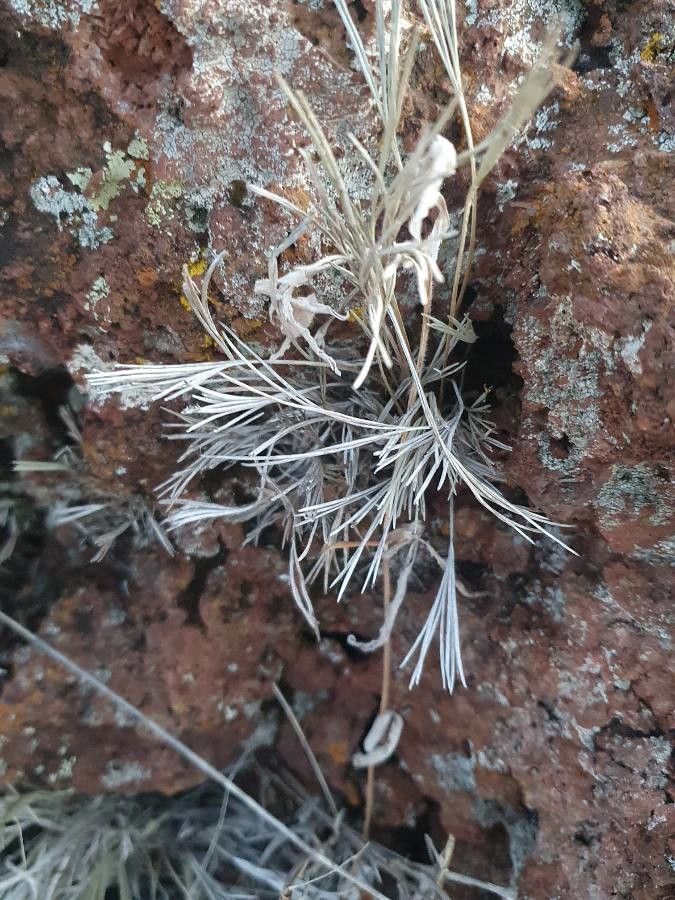
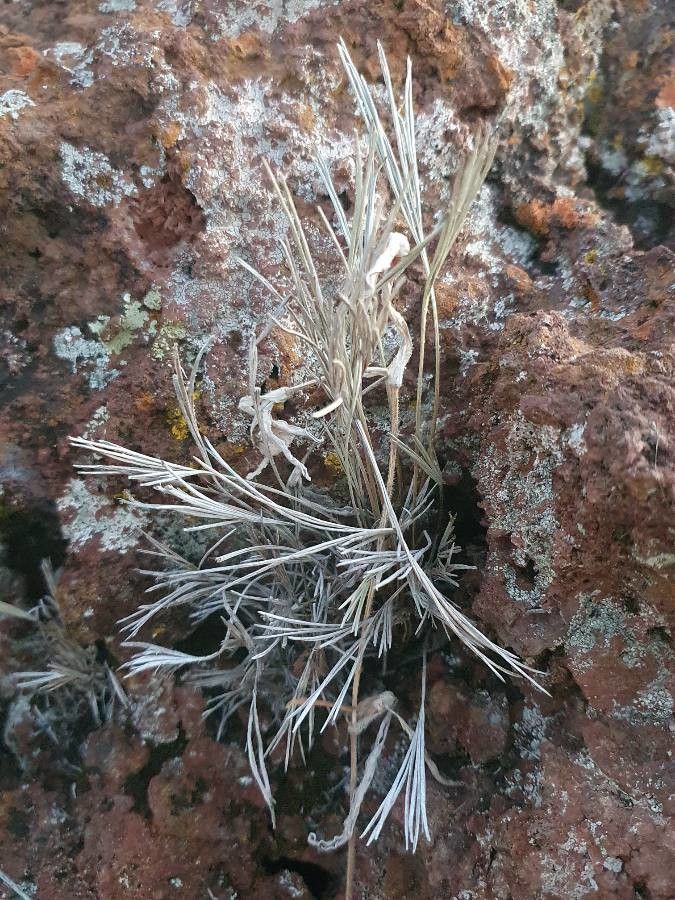
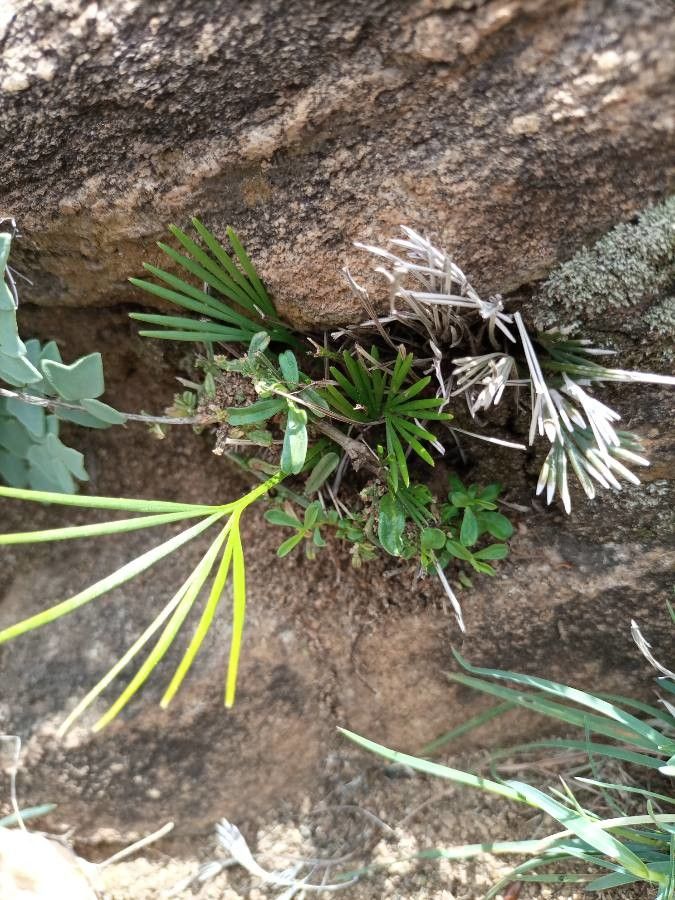
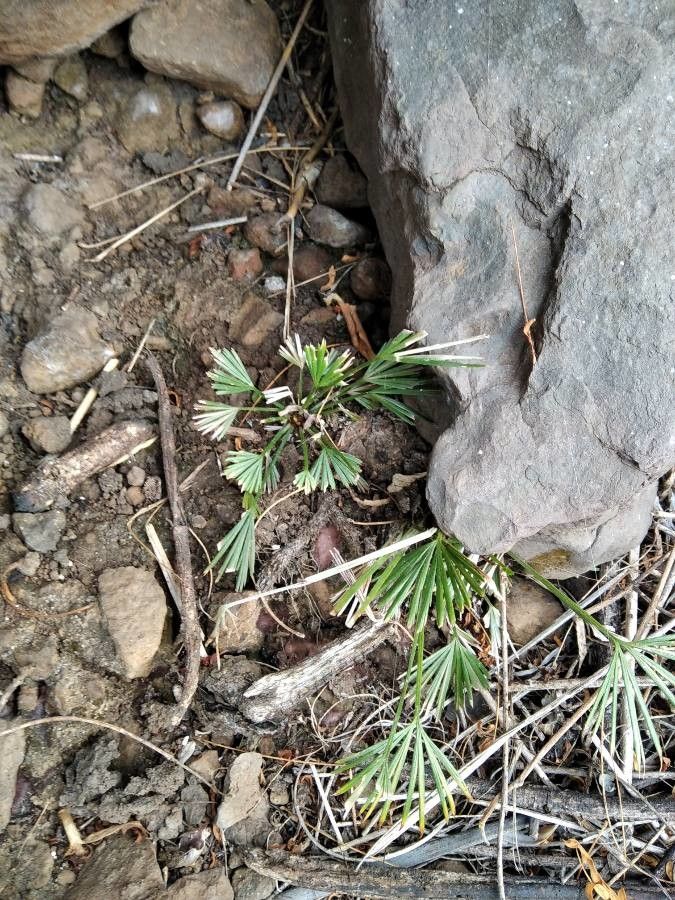
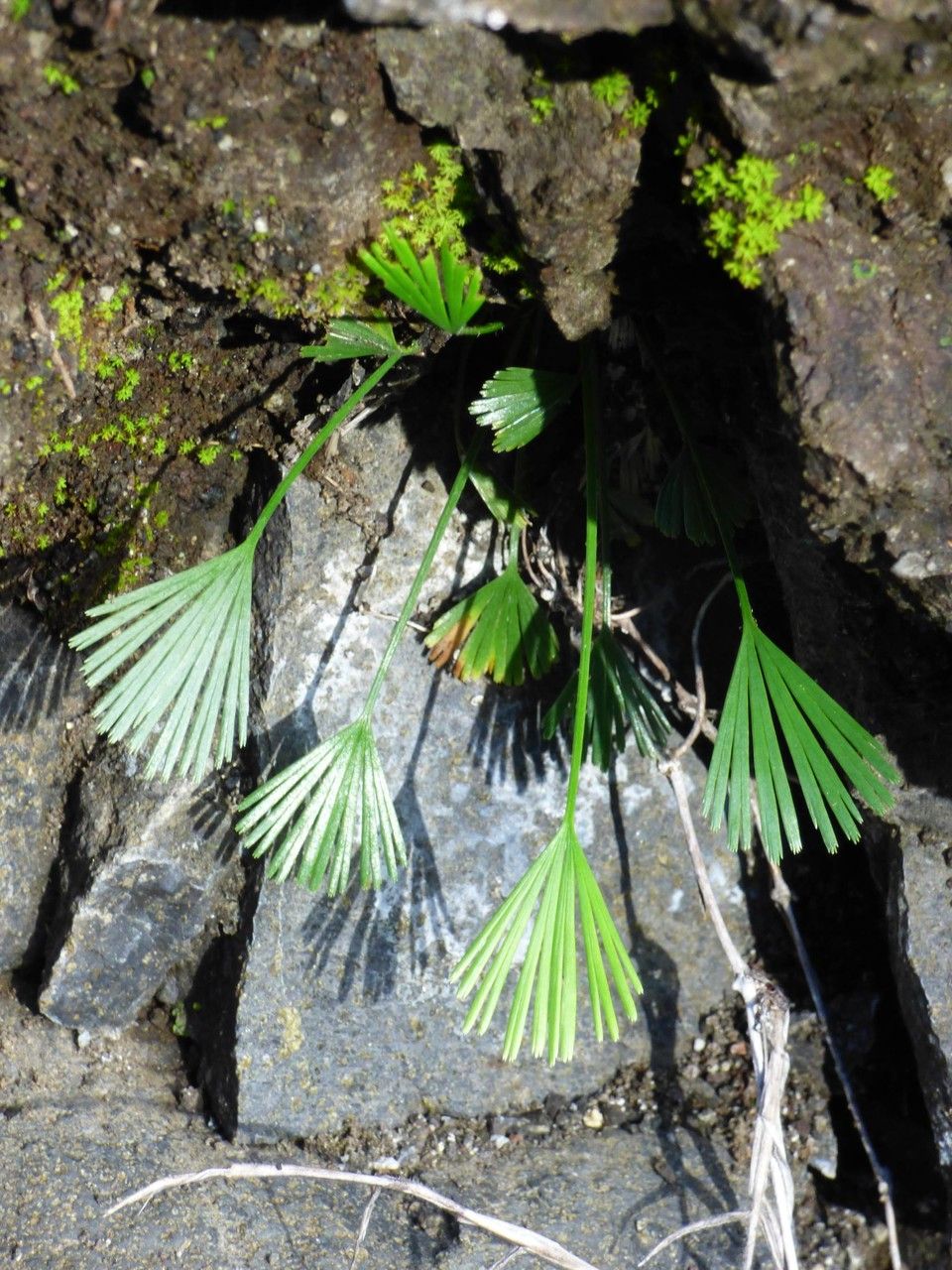
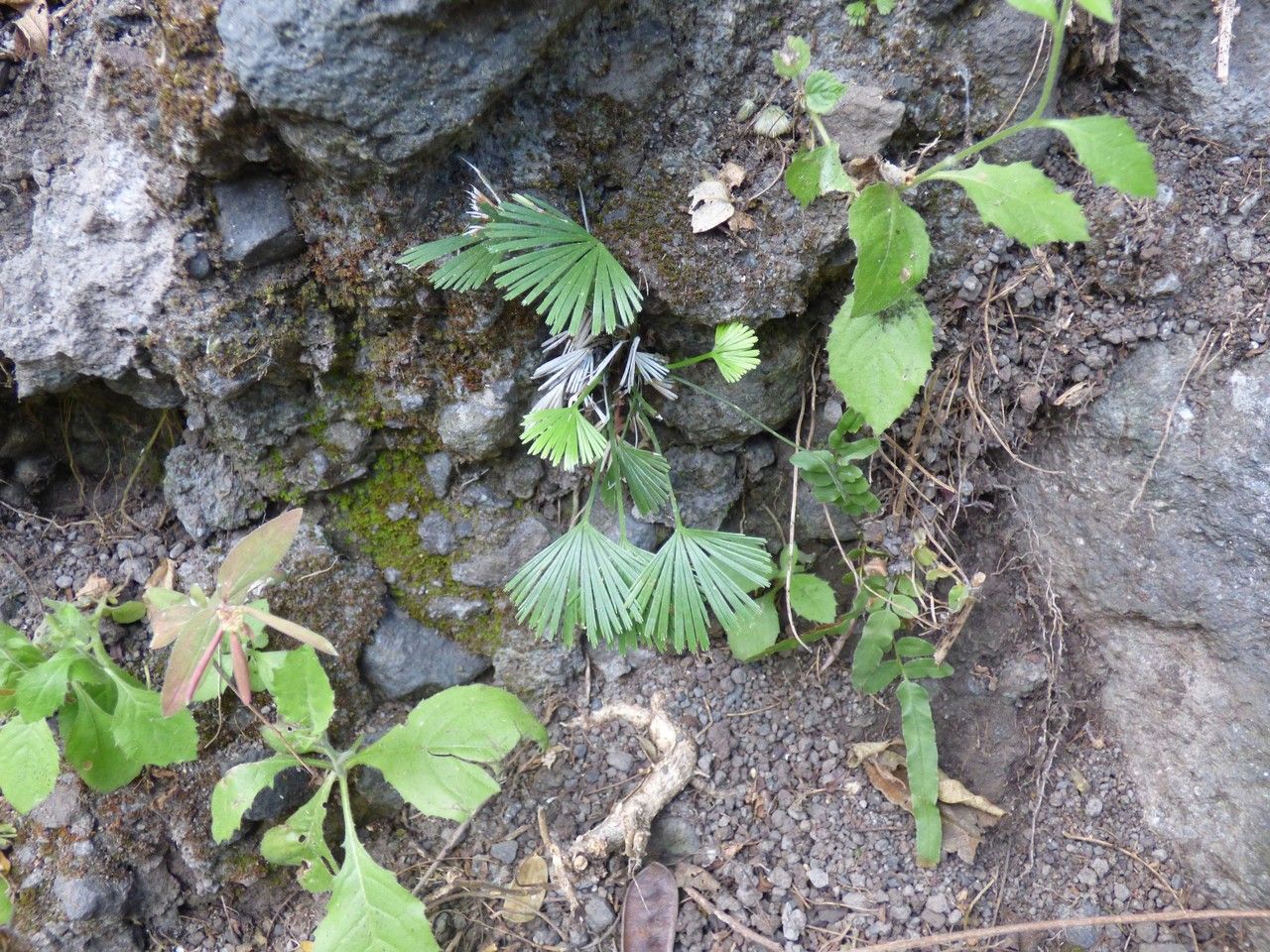
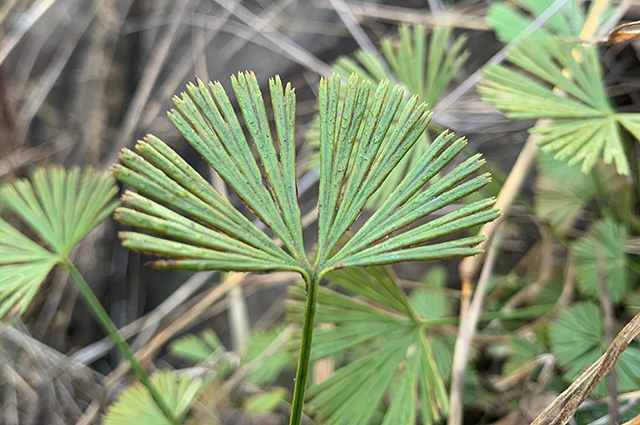
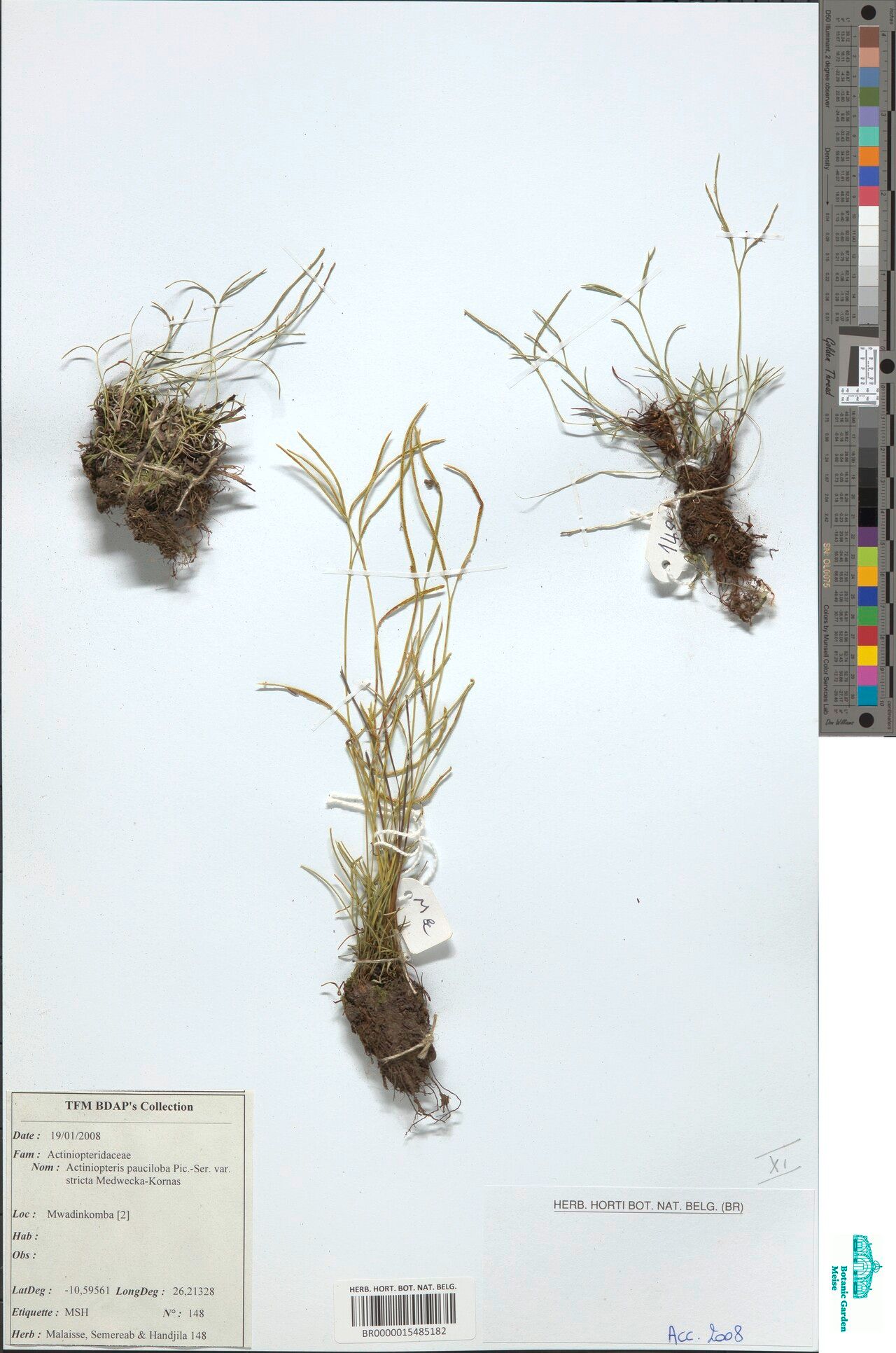
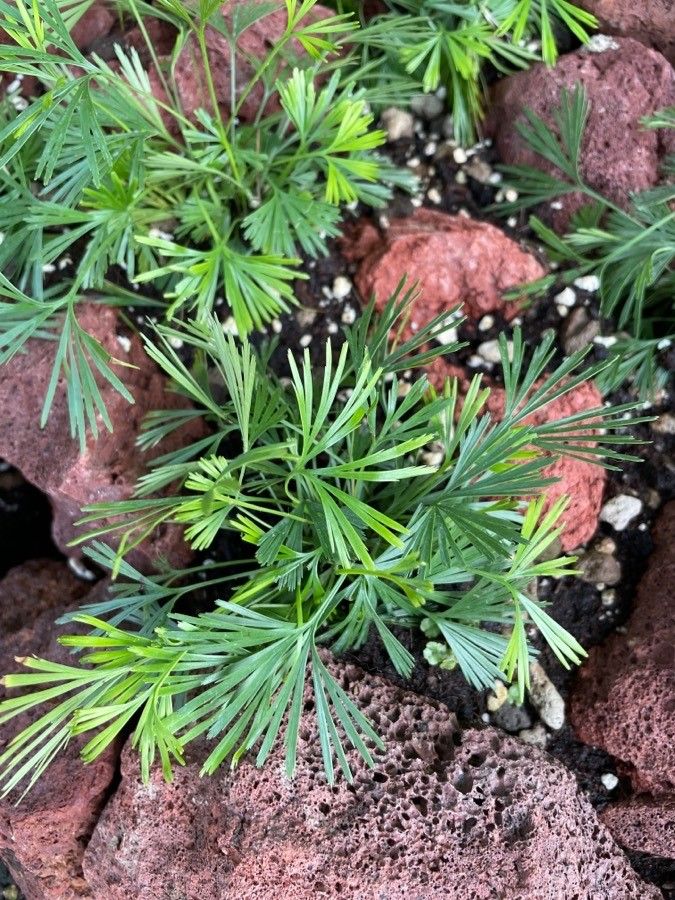
Actiniopteris semiflabellata is generally resistant to disease and faces relatively few insect pests. Its care is considered difficult because it needs a consistently moist environment and frequent watering. At the same time, its roots are susceptible to rot if it is overwatered or kept in poorly ventilated conditions. Actiniopteris semiflabellata is best suited to growers with some experience, since most people can keep it alive for a period of time. Nevertheless, it can struggle to thrive and its fronds may dry out and decline in health over time.
How to keep Actiniopteris Semiflabellata.
Light
Actiniopteris semiflabellata occurs in habitats such as forest understories or rocky areas that offer natural shade. Its preferred light condition is Full Shade, though it can tolerate Partial Sun.
Humidity
This plant will thrive in moderate humidity, which is probably the level in your home. However, misting it a few times a week can be very beneficial. Make sure the room has good ventilation.
Temperature
Actiniopteris semiflabellata comes from tropical areas where the climate is generally warm and humid. Consequently, it is adapted to high temperatures and moisture. It is sensitive to sudden temperature changes and prefers a steady thermal environment, so avoiding temperature fluctuations indoors is important. It usually cannot tolerate cold and needs relatively warm conditions to grow. If the surrounding temperature falls too low, the plant may stop growing or even die.
Botanical profile.
- Plant Type
- Fern
- Life Cycle
- Perennial
- Genus
- Actiniopteris
- Family
- Pteridaceae
- Hardiness Zone
- 9-11
- Mature Height
- 10 cm to 20 cm
- Mature Spread
- 15 cm to 30 cm
- Leaf Color
- Dark Green, Forest Green
- Leaf Type
- Deciduous
- Planting Time
- Spring, Summer, Autumn
- Native Area
- Nepal, Saudi Arabia, Djibouti, Somalia, Egypt, United Arab Emirates, Namibia, Sudan, Madagascar, Rwanda, Mauritania, Nigeria, Yemen, Kenya, Uganda, Tanzania, Chad, Cameroon, Burundi, Oman, Ethiopia, Congo (DRC), Congo