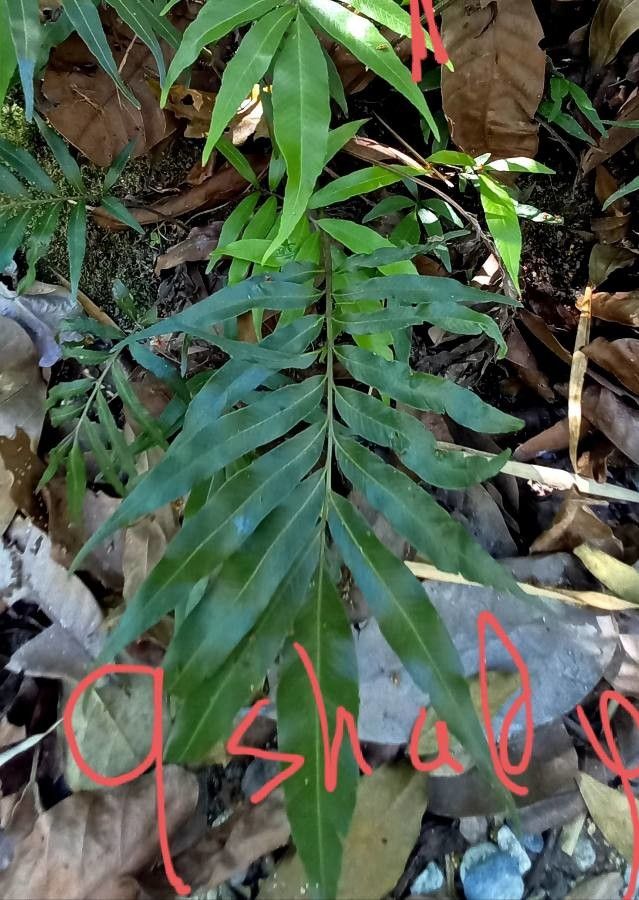
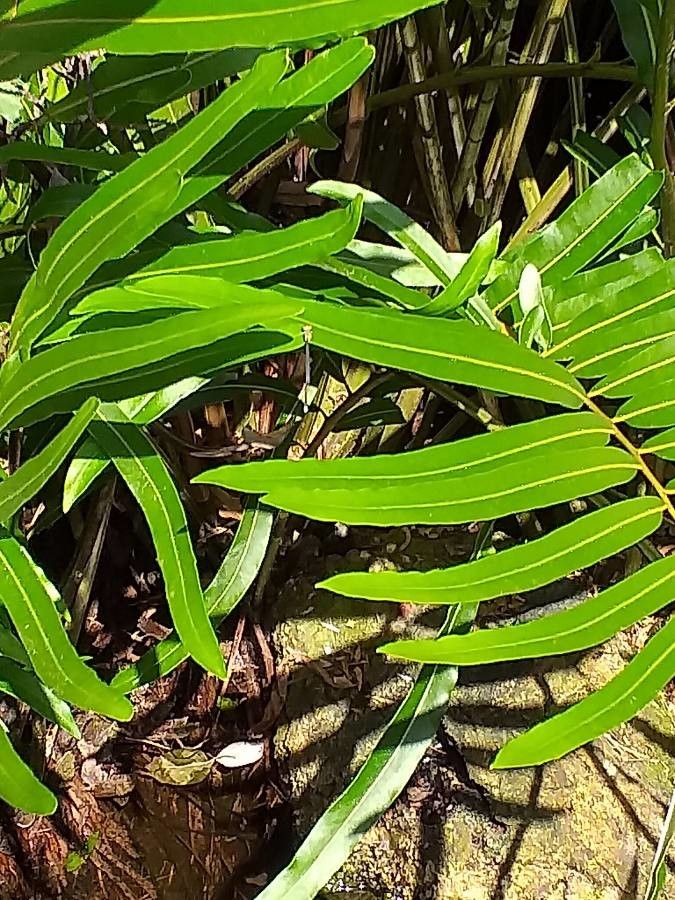
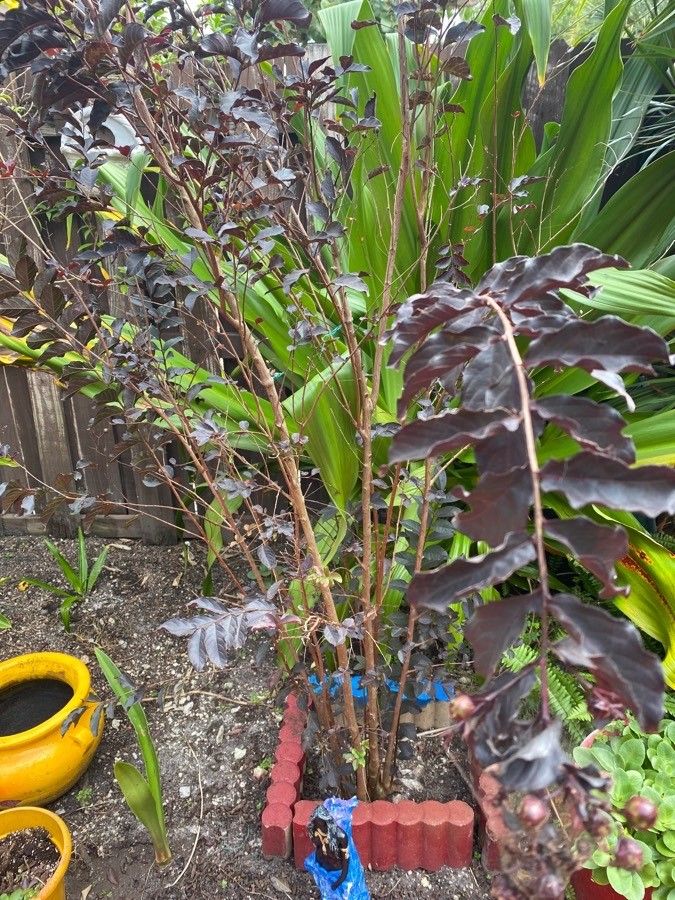
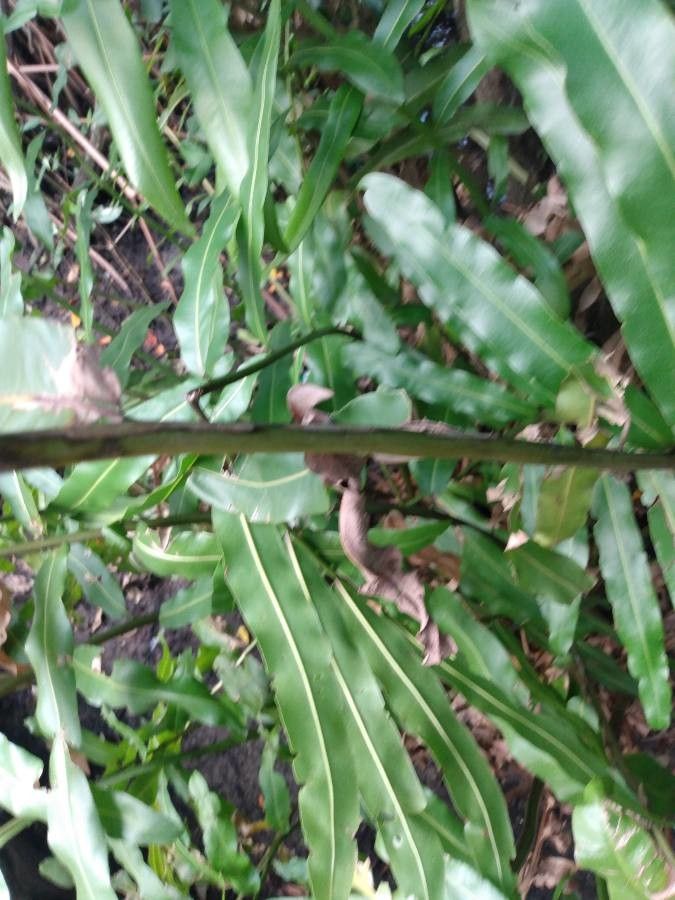
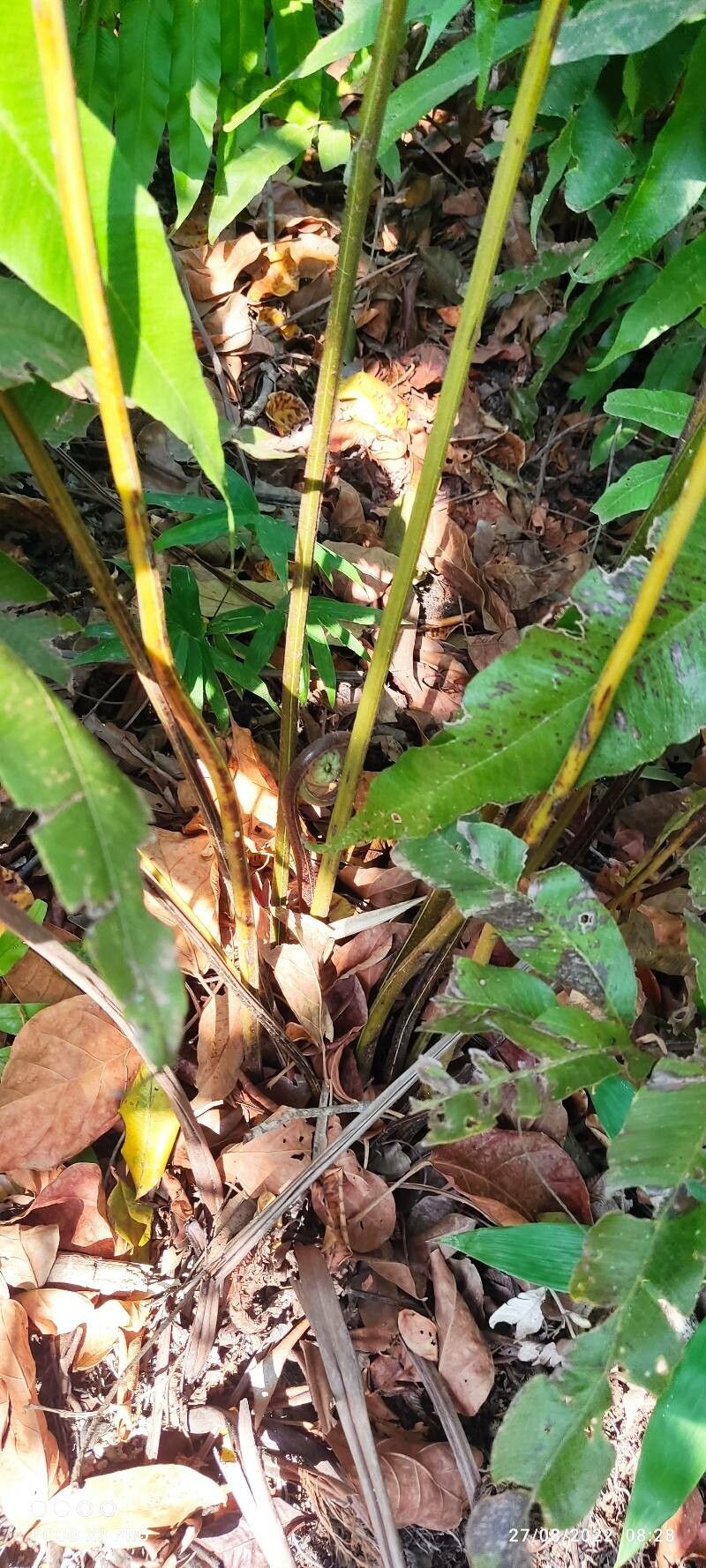
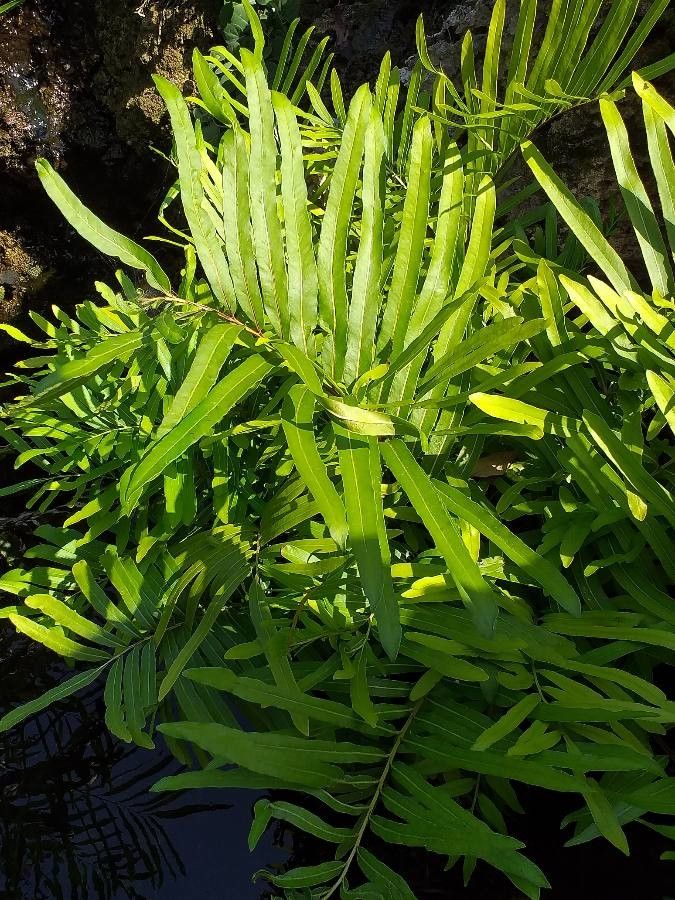
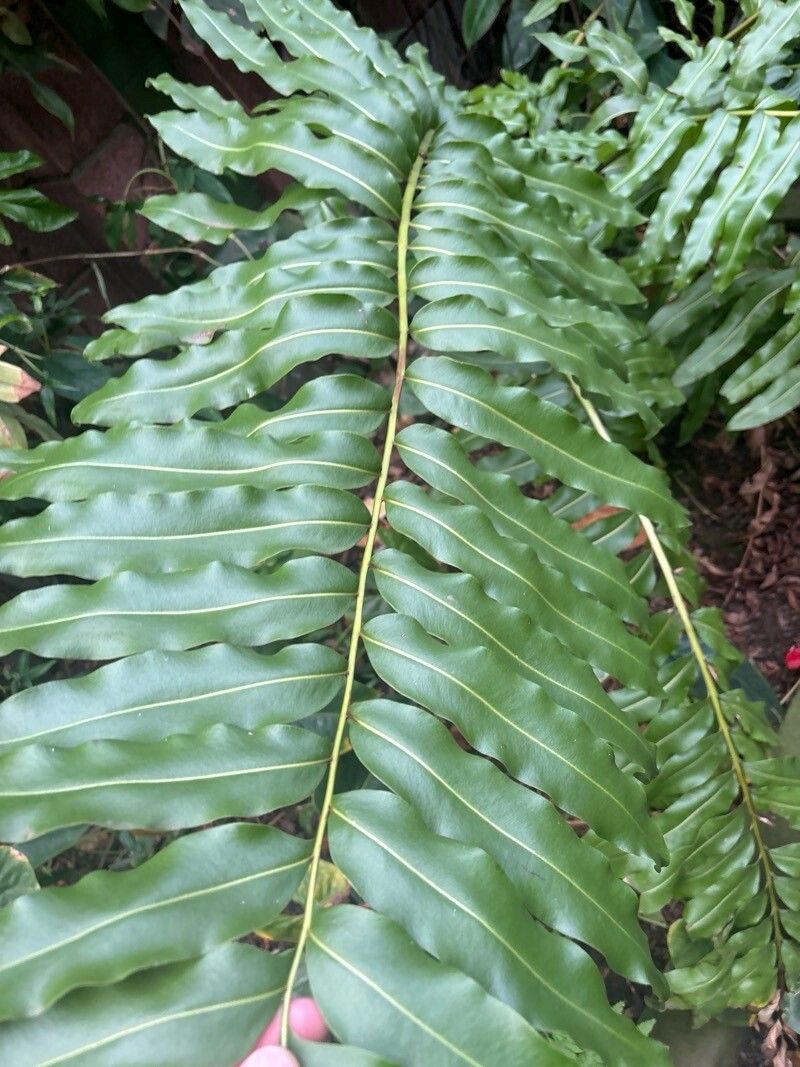
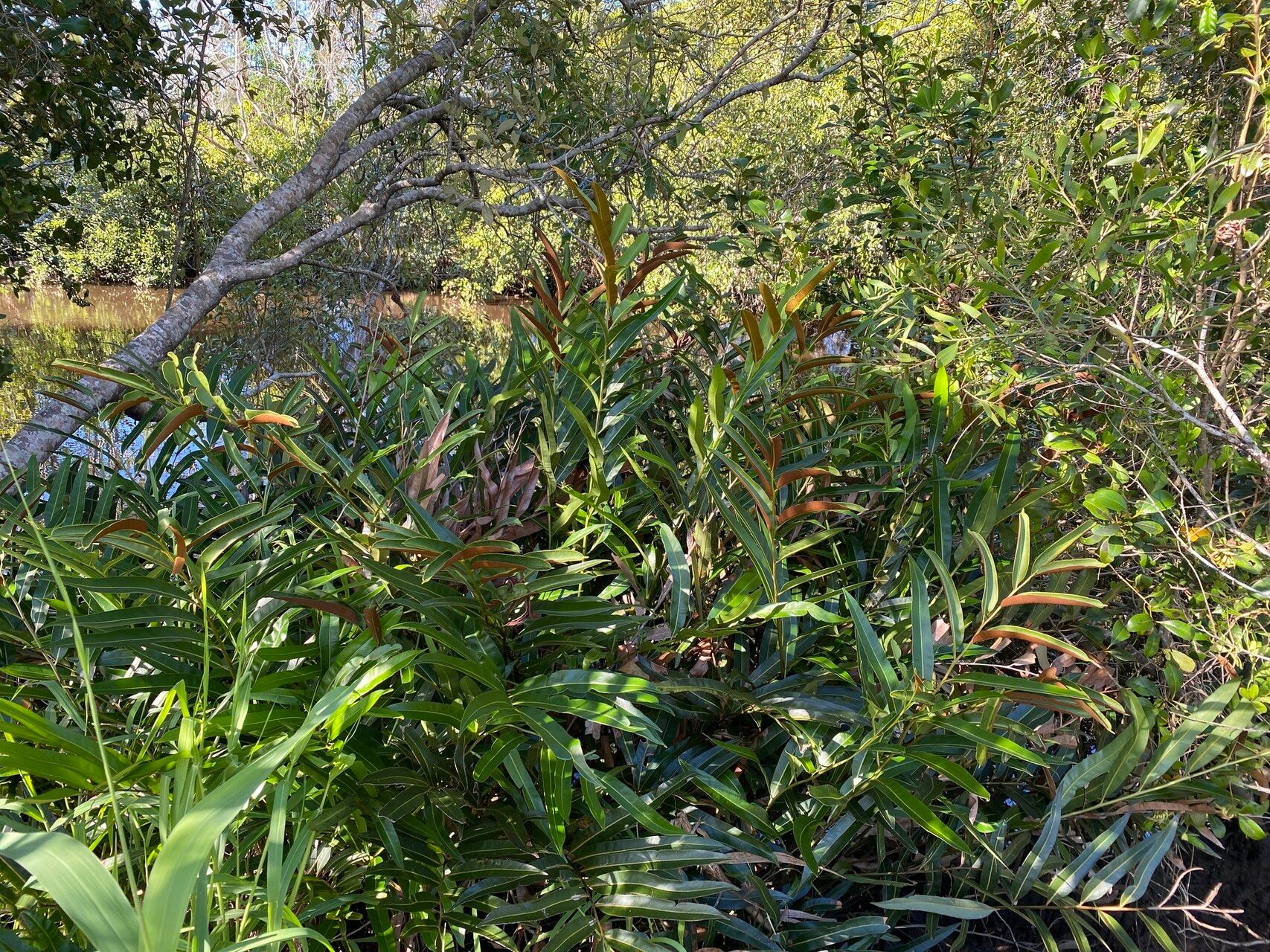
Acrostichum aureum, the golden leather fern, is a large species of fern that grows in mangrove swamps and other wet locations. Other common names include swamp fern and mangrove fern.
Golden leather fern generally resists disease well and is affected by relatively few insect pests. Its care is considered difficult because it requires a moist environment and frequent watering. However, its roots are prone to rotting if it is overwatered or kept in a poorly ventilated environment. Golden leather fern is suitable for people with some growing experience, since most people can keep it alive for a certain amount of time. Nevertheless, it may struggle to thrive and its leaves can dry out and become less healthy over time.
How to keep Acrostichum Aureum.
Light
Golden leather fern flourishes when subjected to abundant sunlight all day long. Its original home - wetlands - regularly receive ample sun exposure. Too much sunlight rarely has an adverse effect, but the fern's healthy growth may be hindered if there's insufficient sun.
Water
The golden leather fern flourishes in humid tropical rainforests, where it thrives under consistently moist conditions. For optimal growth, it should be watered twice a week. As an evergreen plant, the golden leather fern maintains its lush foliage throughout the year, depending on regular watering and ambient moisture to stay healthy.
Temperature
The Golden leather fern originates from a region where the typical temperature ranges from 68 to 95 °F (20 to 35 ℃). Although it can withstand slightly colder temperatures, it flourishes best in this range. Depending on the season, it might be necessary to adjust indoor temperatures warmer for the plant to grow optimally.
Pruning
The golden leather fern, known for its large and sturdy fronds, thrives in tropical climates. To keep it healthy, it's best to prune in early spring. This helps by removing any damaged fronds, which improves air circulation and reduces the risk of pests. Regular pruning not only enhances the plant's appearance but also boosts its vitality. By aligning pruning practices with the fern's active growth phase, you can minimize any stress to the plant.
Botanical profile.
- Plant Type
- Fern
- Life Cycle
- Perennial
- Genus
- Acrostichum
- Family
- Pteridaceae
- Hardiness Zone
- 10-10
- Mature Height
- 1.22 m to 1.83 m
- Mature Spread
- 1.22 m to 1.83 m
- Leaf Color
- Green, Blue
- Leaf Type
- Evergreen
- Flower Color
- Red
- Bloom Time
- Spring
- Planting Time
- Spring, Summer, Autumn
- Native Area
- Sri Lanka, Belize, India, Malaysia, Angola, Mexico, Guatemala, Madagascar, Nigeria, Guinea-Bissau, Fiji, Tanzania, Zimbabwe, Jamaica, Benin, Cuba, Sierra Leone, Indonesia, Cambodia, Equatorial Guinea, Liberia, Mozambique, Venezuela, Cameroon, Brazil, Ghana, Congo, Honduras, Peru, South Africa, Philippines, Bangladesh, Panama, China, Colombia, Bahamas, Vietnam, Myanmar, Japan, Togo, El Salvador, Senegal, Singapore, Nicaragua, Guyana, Ecuador, Côte d'Ivoire, Costa Rica, Thailand, Gabon
Other names.
Reader questions.
What do I do if I give my Golden leather fern too much or too little water?
Golden leather ferns can be overwatered if they are left sitting in water or are in a planter without drainage holes. This can lead to root issues and diseases. Signs of overwatering include wilted and yellow leaves, drooping stems, and soft or mushy texture. However, it's important to check for other causes as well, as overwatering can mimic other problems. On the other hand, Golden leather ferns can also become underwatered if not monitored closely. In dry conditions, they can go from green and lush to brown and crispy quickly. In severe cases, the plant may appear dead, but with healthy roots, it can still be saved. Trimming off dry and dead stems, watering thoroughly, and returning the plant to its usual spot can help revive it. The plant may take several months to fully recover, but with proper care, it can grow back to its original size.
Why should I add fertilizer to my Golden leather fern?
Fertilizing Golden leather fern is important because it provides essential nutrients for healthy growth. These extra nutrients not only support the health of new growth but also help the plant fend off diseases and pests.
What are the sunlight requirements for Golden leather fern?
Golden leather fern thrives in locations that receive thorough sunlight throughout the day, indicative of its marshy area origins which are consistently flooded with sunlight. It requires more than 6 hours of sunlight for 'Full sun' conditions and about 3-6 hours for 'Partial sun' conditions. Although excessive sun exposure seldom affects it negatively, a lack of sufficient sunlight may impede its healthy growth. It's crucial to observe how sunlight moves through your garden to ensure your plants receive the perfect balance of light and shade, ensuring their happiness and healthy development.
What are the optimal temperature conditions for Golden Leather Fern?
Golden Leather Fern, or Acrostichum aureum, thrives in temperature zones ranging from 68 to 95 °F (20 to 35 °C). While it can withstand slightly colder temperatures, it performs best within this range. During colder months, especially in autumn, it's advisable to bring outdoor plants indoors, placing them near a bright window yet away from direct heat sources to ensure they stay above 20°C. It's crucial to keep the plant away from temperatures nearing 5°C, as such cold conditions can adversely affect the fern's health.
How should I water my Golden leather fern correctly?
To keep your Golden leather fern thriving, it's important to provide consistently moist soil that resembles its natural environment. This means watering it regularly, potentially every one or two days. Make sure that the soil never dries out by checking if the top layer feels even slightly dry. When it's time to water, don't just sprinkle a few drops on it—completely soak the soil until water drains out from the bottom of the pot. After the excess water has drained, be sure to discard it to prevent the pot from sitting in a puddle. Following this watering method will help keep the soil consistently moist.
When should I put fertilizer on my Golden leather fern?
The feeding schedule of Golden leather fern depends on where it is growing. Although it doesn't require a lot of nutrients, some additional feeding is needed. Outdoor plants should be fertilized once in the spring, while indoor ones should be fed monthly from spring to summer.
How can artificial lighting benefit indoor plants like Golden leather fern?
Indoor plants, including Golden leather fern, require adequate lighting for optimal growth, particularly when natural sunlight is insufficient, such as during winter or in less sunny spaces. Artificial lights, like LED lights which can be customized to provide specific wavelengths needed by plants, offer a vital solution. For full sun plants, 30-50W/sq ft of artificial light is needed, while partial sun plants require 20-30W/sq ft, and full shade plants need 10-20W/sq ft. It's important to place the light source 12-36 inches above the plant to mimic natural sunlight and to ensure the artificial light is on for 8-12 hours per day to mimic the natural daylight hours needed by most plant species.
How does low temperature affect Golden Leather Fern and what are the solutions?
Golden Leather Fern is sensitive to low temperatures, preferring conditions above 20°C and struggling when temperatures drop below 5°C. Exposure to temperatures below 1°C may cause the leaves to lighten in color before turning brown or black after frost damage, alongside symptoms of wilting and drooping. To remedy such damage, it's important to trim off the frost-affected parts and move the plant to a warmer indoor setting promptly. Positioning the plant near a south-facing window for sufficient sunlight while avoiding direct heat sources like heaters or air conditioning vents can help maintain an ideal environment.
What do I need to think about when watering my Golden leather fern?
The frequency of watering your Golden leather fern will depend on the humidity in the air. Higher humidity means you can water it less frequently because evaporation is slower. Avoid placing the plant near heating or cooling vents to prevent it from drying out quickly. These ferns prefer dappled and indirect sunlight with temperatures between 55-80 degrees F (13-27 degrees C). Avoid placing them on a warm and sunny windowsill as they can get dehydrated quickly. Rainwater or distilled water are best for this plant, although tap water is generally fine. Tap water can cause brown leaf tips due to minerals and chemicals, which can be an issue for the thin and delicate leaves of the Golden leather fern. Choose a larger pot for this fern as small pots dry out quickly due to their limited potting medium. Consider using a self-watering planter, which keeps the soil consistently moist by utilizing a wicking system. This approach eliminates the need for frequent watering and provides a constant supply of water that benefits the roots.
When is the best time to not fertilize my Golden leather fern?
To avoid excessive growth before winter, refrain from fertilizing after early autumn. For Golden leather fern, it is not advisable to fertilize during hot and dry periods, as dry soil is not as effective at distributing fertilizer. Fertilization during this time can stimulate growth that requires additional water, which may not be readily available. It is more appropriate to apply fertilizer earlier in the season when temperatures are cooler. Furthermore, be cautious of inadvertently giving ferns an excessive amount of fertilizer, as they can absorb it from nearby plants or lawns.
What are the symptoms of light deficiency in Golden leather fern?
Golden leather fern can show several symptoms when exposed to insufficient light. These include smaller new leaves compared to previous ones, leggy or sparse growth where the spaces between leaves or stems become longer, faster leaf drop as the plant sheds older leaves early to conserve resources, slower or no new growth indicating the plant has entered survival mode, and lighter-colored or pale new leaves due to a lack of chlorophyll and essential nutrients. Ensuring adequate light is fundamental to prevent these symptoms and guarantee the plant's optimal growth and health.
How does high temperature affect Golden Leather Fern and what are the solutions?
Golden Leather Fern should ideally be kept in temperatures below 35°C during the summer months, as temperatures exceeding 41°C can lead to lightening of leaf colors and increase the risk of sunburn. Addressing this involves trimming away the sunburned and dried parts of the plant and relocating it to a spot with shade from the intense midday and afternoon sun. Ensuring the plant is watered in the morning and evening will help keep the soil adequately moist, protecting it from the stresses of high temperatures.