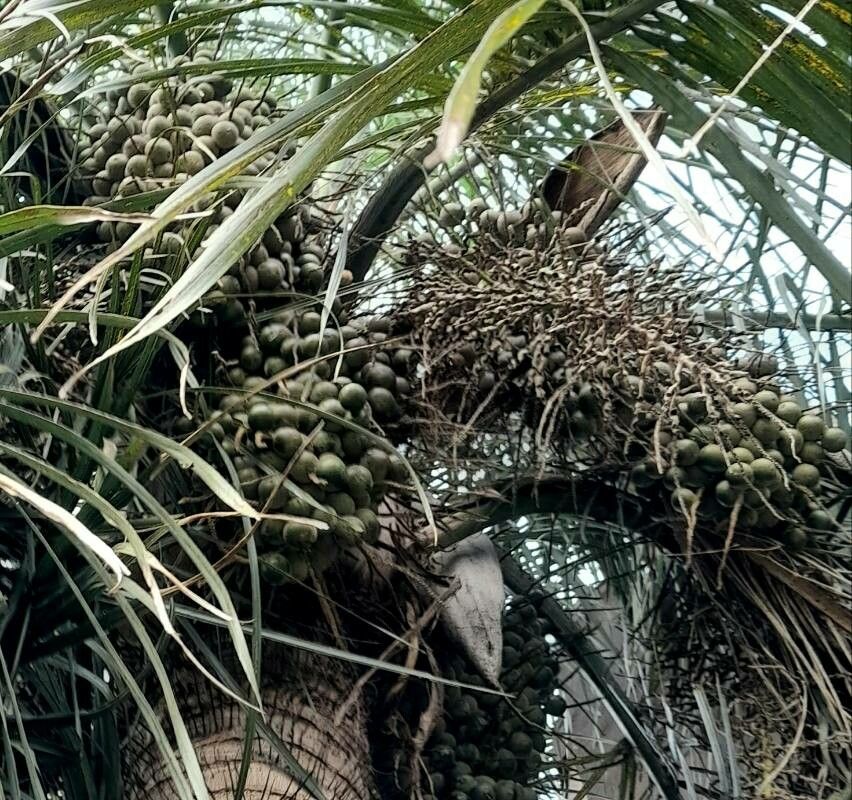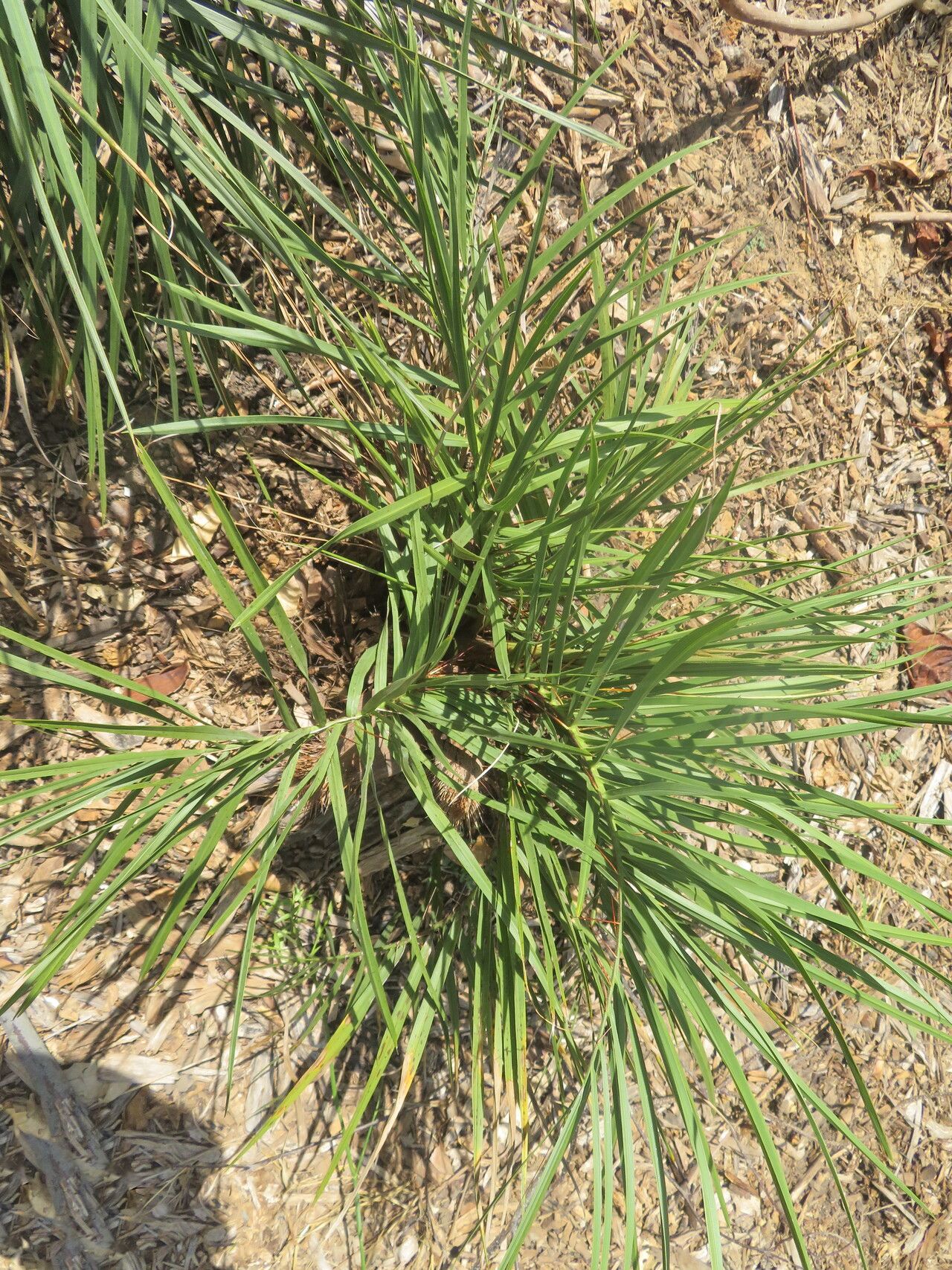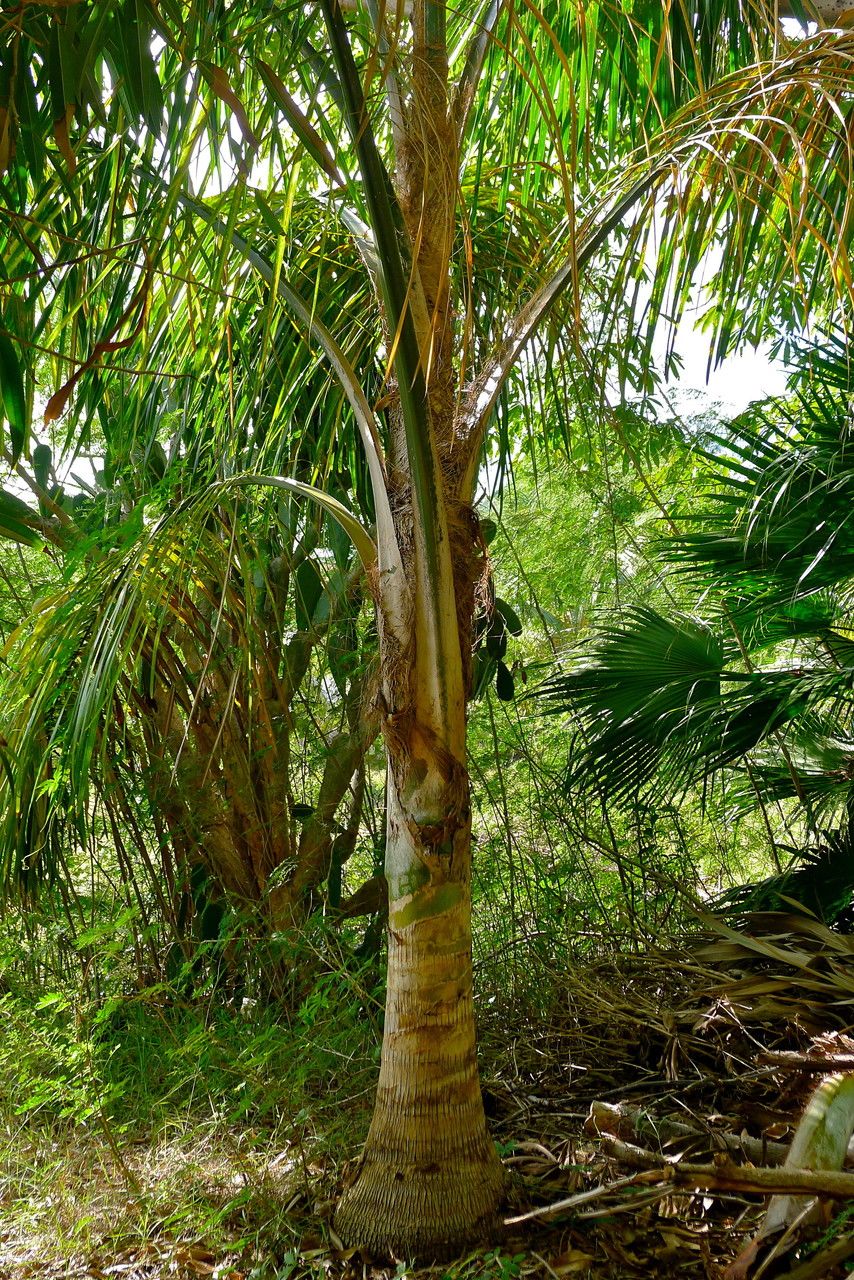
The Macaw palm is fairly disease-resistant and is usually not susceptible to illnesses. Regarding care, this plant is relatively low-maintenance. When grown outdoors it needs minimal watering, and larger specimens typically do not need pruning. Smaller plants, however, should be pruned after they have finished blooming. The Macaw palm is suitable for anyone who has outdoor space, such as a garden or a deck, and it does not require extensive care experience.
How to keep Acrocomia Karukerana.
Light
The Macaw palm grows well with plenty of sun exposure. This is a practice it is familiar with from its original environment. Whether it's in its early growth stage or mature phase, ideal lighting is vital. Both excessive and insufficient exposure can be detrimental, leading to unhealthy development or a lackluster appearance.
Temperature
The Macaw palm is native to hot weather climates and thrives best in temperatures between 68 and 100°F (20 to 38℃). It is recommended that during colder seasons, a tropical environment that closely mirrors its original habitat is maintained, to promote maximum growth.
Fertilizer
Opt for organic fertilizers such as compost or fish emulsion instead of synthetic ones for Macaw palm. Young plants need more nitrogen and phosphorus in spring. Either before or after planting, blend in the compost or fertilizer. For fully grown plants, use a balanced or deficiency-specific fertilizer in the spring. Lack of nutrients can result in undersized leaves, stunted branches, leaves with a yellow or bronze hue, sour tasting fruits, early fruit shedding, and splitting.
Botanical profile.
- Plant Type
- Tree
- Life Cycle
- Perennial
- Genus
- Acrocomia
- Family
- Arecaceae
- Hardiness Zone
- 10-12
- Mature Height
- 14.94 m to 20.12 m
- Mature Spread
- 7.92 m
- Leaf Color
- Green, Blue
- Leaf Type
- Evergreen
- Flower Color
- Yellow
- Flower Size
- 1.02 cm to 1.52 cm
- Bloom Time
- Summer, Early fall, Mid fall
- Planting Time
- Summer
- Harvest Time
- Fall, Winter
- Native Area
- Colombia, Belize, Cuba, Honduras, Mexico, Guatemala, United States, Bolivia, Venezuela, Guyana, El Salvador, Nicaragua, Brazil, Costa Rica, Panama, Jamaica