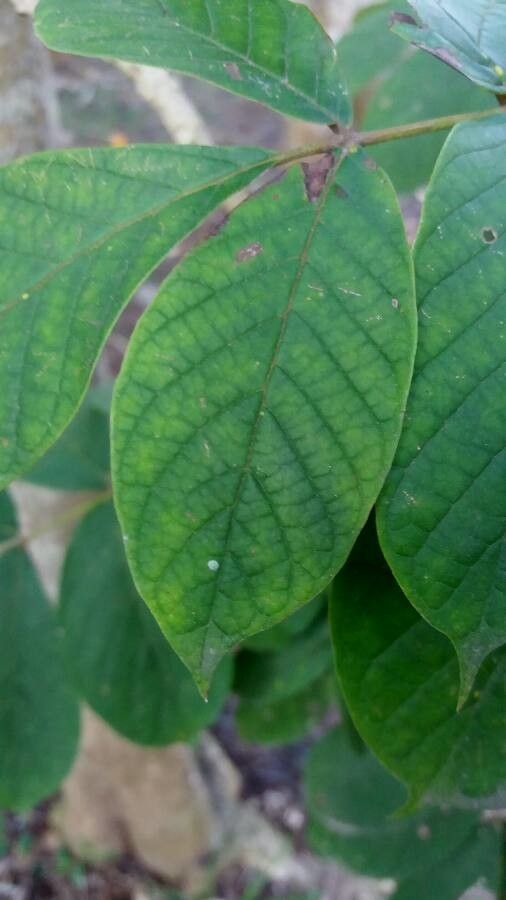
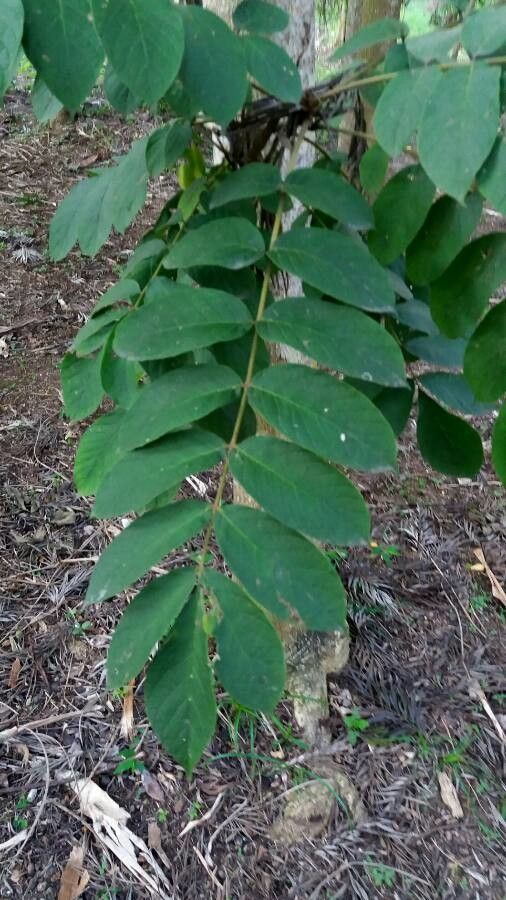
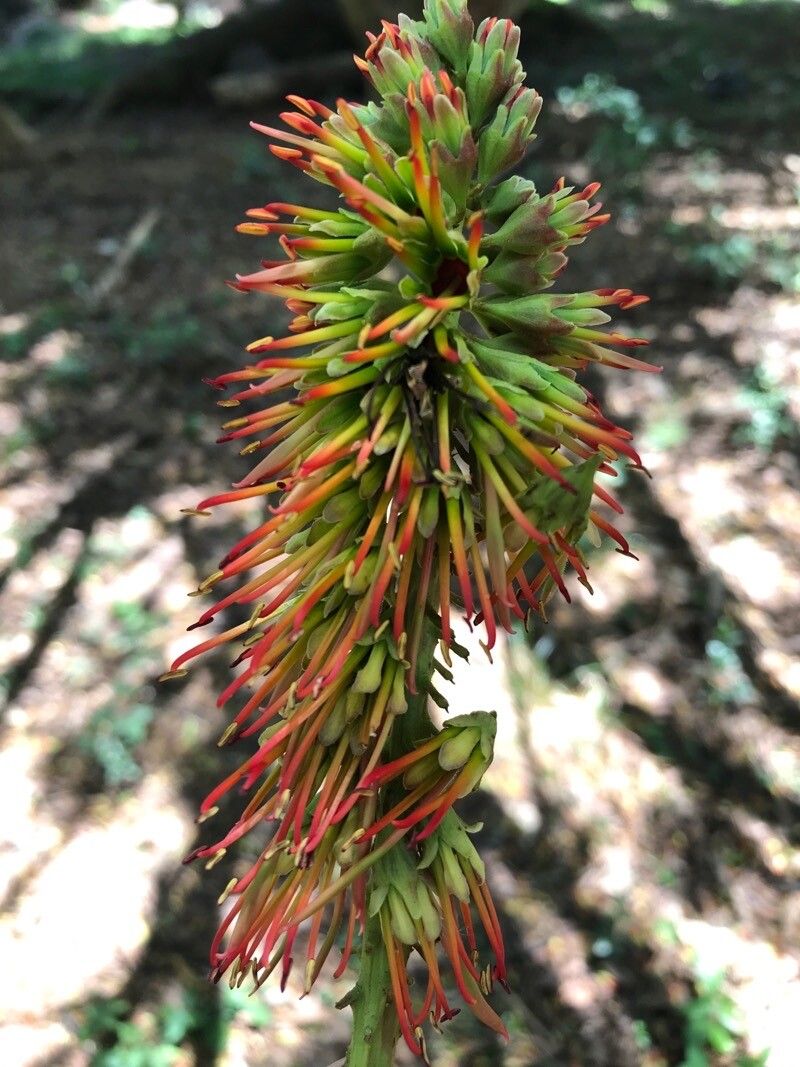
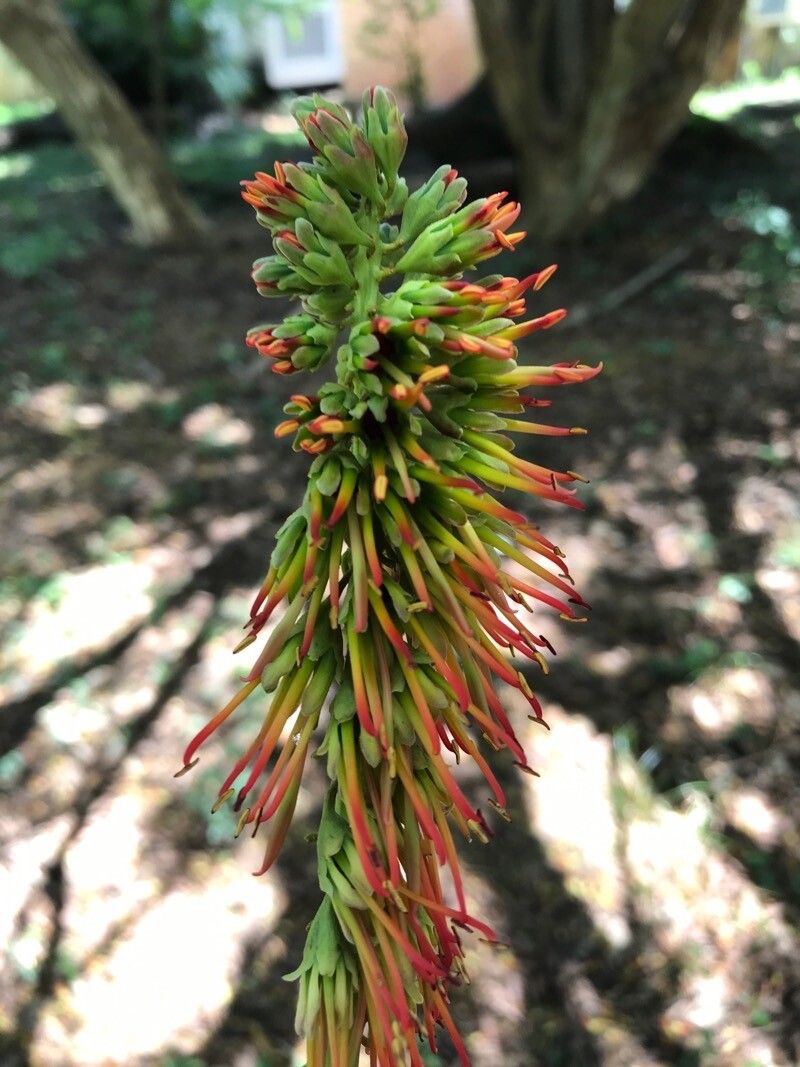
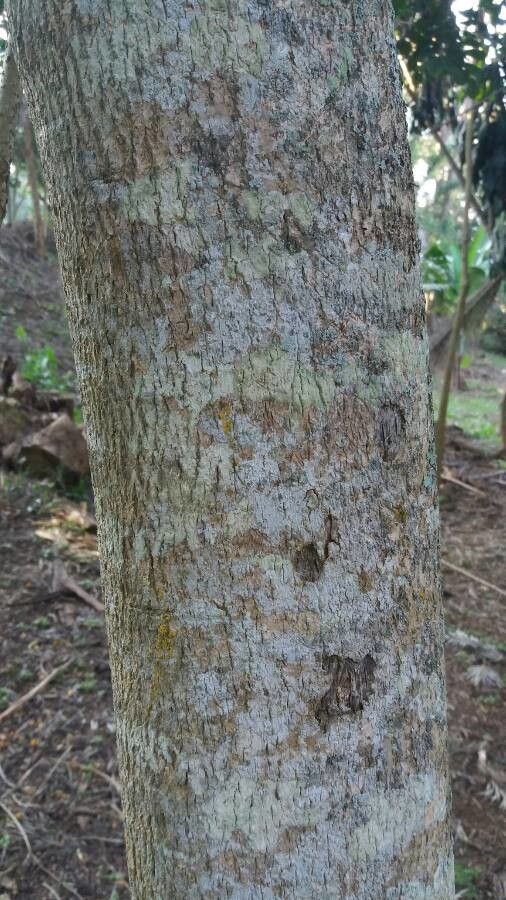
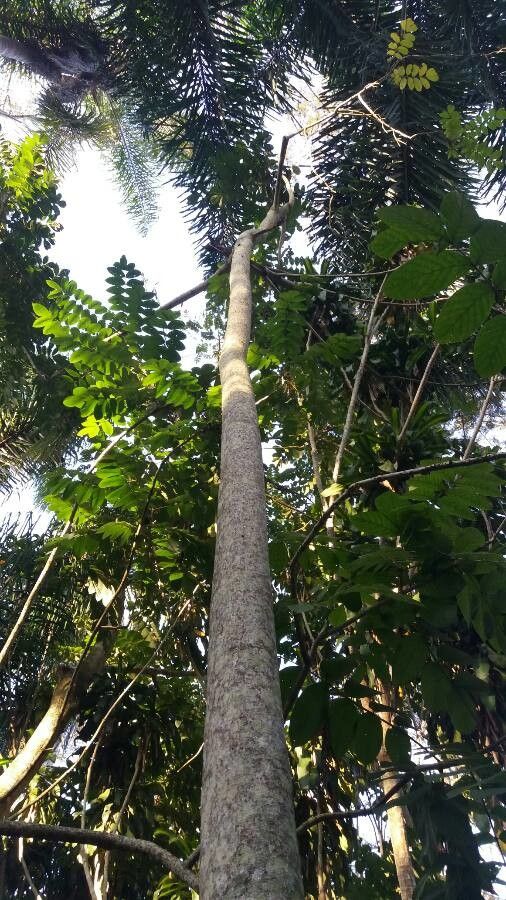
Acrocarpus is a genus of trees in the legume family, Fabaceae. It comprises one species, Acrocarpus fraxinifolius, the pink cedar, a large deciduous emergent tree native to Bangladesh, Bhutan, China, India, Indonesia, Laos, Myanmar, Nepal and Thailand. Its also known as Balangi or Kurungatti in India.
Red cedar is resistant to disease and is generally unlikely to suffer from illnesses. In terms of care, this plant is fairly low maintenance. When planted outdoors it needs only minimal watering, and larger specimens typically do not require pruning. Smaller plants, however, should be pruned after they have bloomed. Red cedar is suitable for anyone with an outdoor area, such as a garden or deck, and does not require much care experience.
How to keep Acrocarpus Fraxinifolius.
Light
Red cedar prefers plentiful sunlight and does well when exposed to strong light all day long. It comes from environments where sunlight is abundant. Ample sun benefits its health during every stage of growth. Still, both too much light and too little light can interfere with the plant's normal growth cycle.
Water
Red cedar, which originates from subtropical highlands, thrives best with consistent moisture. Although it can withstand short periods of dryness, it is important to water the plant every 2-3 weeks. This watering schedule mimics natural rainfall patterns and helps achieve optimal growth by maintaining balanced soil moisture and proper drainage.
Temperature
Red cedar naturally occurs in regions where the yearly temperature ranges from 68 to 100 °F (20 to 38 ℃). It performs best in warm climates, and as seasons shift, temperatures may need to be adjusted to replicate these ideal conditions.
Fertilizer
The care of Red cedar greatly depends on fertilization. Continuous nutrition during the growth period maintains the energy needed for radiant leaves and promotes general growth. If fertilization is overlooked, it could lead to unhealthy leaves, a decrease in aesthetic appeal, and inhibited or fragile growth susceptible to snapping.
Pruning
Red cedar is a large, fast-growing tree with hardwood and long leaves that benefits from pruning in early spring. To enhance air circulation and shape the tree, remove any dead branches. When pruning, make cuts close to the branch collar to promote quicker healing. Regular pruning helps improve the red cedar's health, structure, and appearance.
Botanical profile.
- Plant Type
- Tree
- Life Cycle
- Perennial
- Genus
- Acrocarpus
- Family
- Leguminosae
- Hardiness Zone
- 10-12
- Mature Height
- 29.87 m to 60.05 m
- Mature Spread
- 0.91 m to 2.44 m
- Leaf Color
- Dark Green, Forest Green
- Leaf Type
- Deciduous
- Flower Color
- Yellow, Green, Red
- Flower Size
- 20.32 cm to 25.40 cm
- Bloom Time
- Late winter, Early spring, Mid spring
- Planting Time
- Spring, Summer
- Harvest Time
- Late spring, Early summer, Mid summer
- Native Area
- Nepal, India, Indonesia, Myanmar, Bhutan, Bangladesh, Laos, Thailand, China
Other names.
Reader questions.
What are the sunlight requirements for Red Cedar?
Red Cedar thrives best in full sun conditions, requiring above 6 hours of sunlight daily. It originates from environments where sunlight is abundant, benefiting from intense light exposure at all stages of growth. However, it's essential to observe your garden's sun patterns to provide a balance of light and shade, ensuring the plant's growth is not hindered by either excessive or insufficient light.
What is the ideal temperature range for Red Cedar?
Red Cedar, or Acrocarpus fraxinifolius, is native to environments that experience annual temperatures ranging from 68 to 100 °F (20 to 38 °C). It is a heat-loving plant that thrives in warm conditions. To foster optimal growth, it is recommended to adjust temperatures accordingly with the changing seasons to simulate these ideal conditions. During winter, maintaining temperatures above 20°C is beneficial, while temperatures approaching 5°C or below can cause significant harm to the plant.
Can I use artificial lighting for Red Cedar?
Yes, artificial lighting can be utilized for Red Cedar, especially when natural sunlight is inadequate, such as in winter or in less sunny spaces. LED lights are recommended as they can be customized to provide specific wavelengths needed by plants. For full sun plants like Red Cedar, 30-50W/sq ft of artificial light is required. Ensure the light source is placed 12-36 inches above the plant and mimic natural daylight hours, with most plants needing 8-12 hours of light per day.
How should Red Cedar be cared for during colder months?
As Red Cedar is not tolerant to cold temperatures, it is essential to bring outdoor-grown plants indoors during the autumn to protect them from the cold. When bringing them inside, place them near a bright window to ensure they receive ample sunlight. However, they should be kept at a distance from heaters to avoid excessive dryness. Keeping the plant in temperatures above 20°C during winter helps ensure its growth and health.
What are the symptoms of insufficient light in Red Cedar?
Red Cedar can exhibit several symptoms when exposed to low light conditions, including smaller new leaves, leggy or sparse growth, faster leaf drop, slower or ceased new growth, and lighter-colored or yellow leaves (chlorosis). Additionally, excessive sunlight can cause symptoms like sunscald, leaf curling, wilting, and leaf scorching, indicating the plant's struggle with either too much or too little light.
What are the symptoms of low temperature exposure in Red Cedar?
When exposed to low temperatures, Red Cedar may show several distress symptoms. If temperatures fall below 1°C, the leaves might lighten in color, leading to a gradual change to brown or black after frost damage. This is accompanied by symptoms such as wilting and drooping.
How can I address light-related issues in Red Cedar?
To address light-related issues in Red Cedar, gradually move plants to locations with at least 6 hours of direct sunlight daily. This can be achieved through strategic placement near south-facing windows for indoor plants or by moving outdoor plants to sunnier spots each week to avoid sunburn. Using artificial light as a supplement can also help, especially for large or immovable plants. Additionally, for outdoor gardens, reducing obstructions by pruning trees and transplanting smaller plants to sunnier locations can significantly improve sunlight exposure.
How can you care for Red Cedar after frost damage?
Caring for Red Cedar after frost damage involves trimming off the frost-damaged parts and immediately moving the plant to a warm environment indoors for cold protection. Placing the plant near a south-facing window ensures it receives sufficient sunlight while avoiding the placement near heaters or air conditioning vents to prevent air dryness.
What are the symptoms of high temperature exposure in Red Cedar?
During the summer, it’s crucial to keep Red Cedar's temperature below 38°C to prevent high temperature stress. Exposure to temperatures above 43°C can cause the leaves to lighten in color and make the plant more susceptible to sunburn.
How can you care for Red Cedar during high temperatures?
To protect Red Cedar from the effects of high temperatures, trim away any sunburned or dried-up parts. The plant should be moved to a location that provides shade during the intense midday and afternoon sun. Ensuring the soil remains moist by watering the plant in the morning and evening can help mitigate the stress from high temperatures.