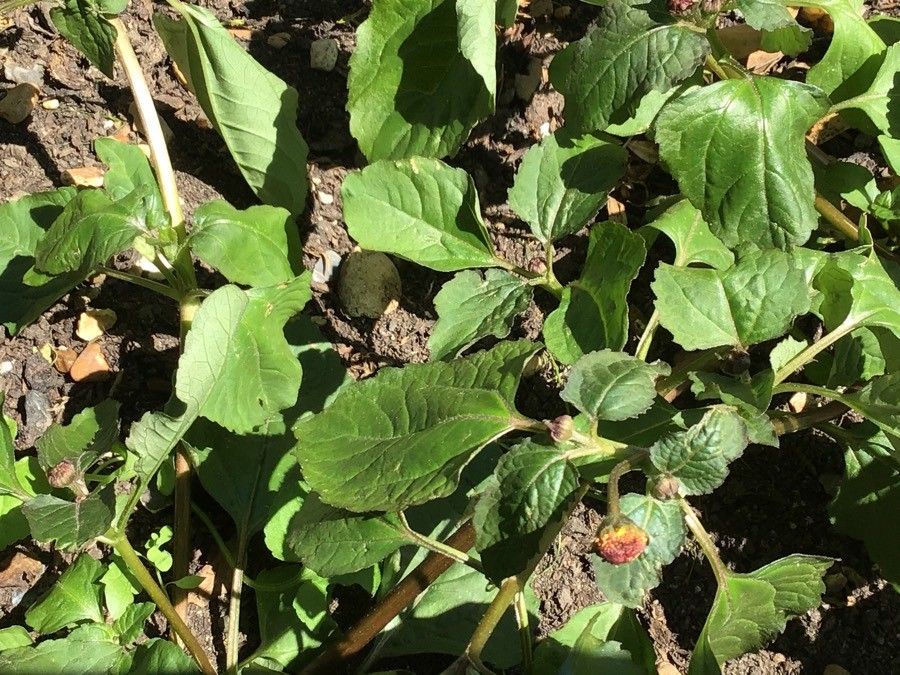
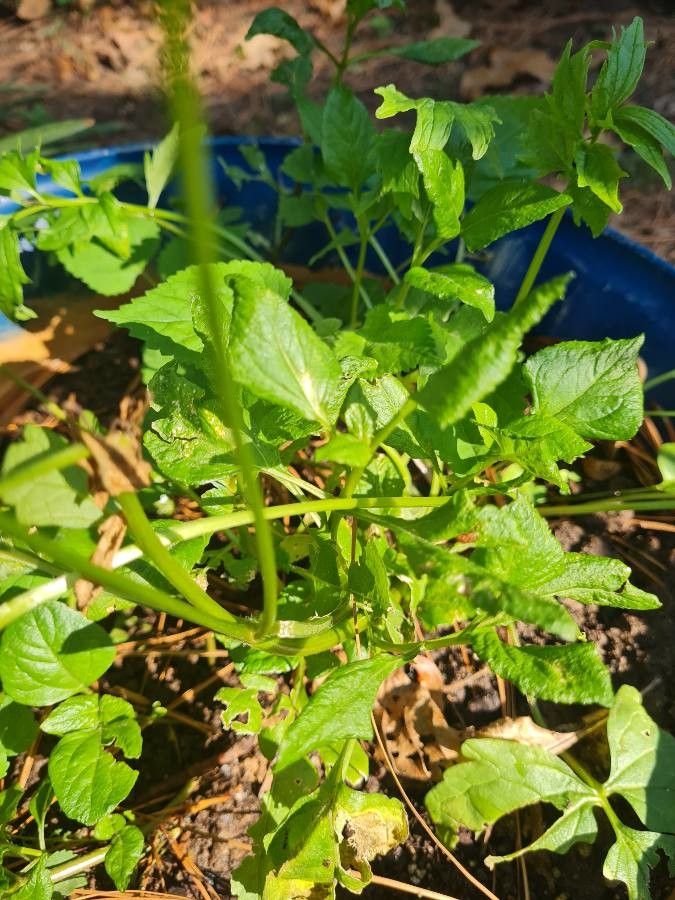
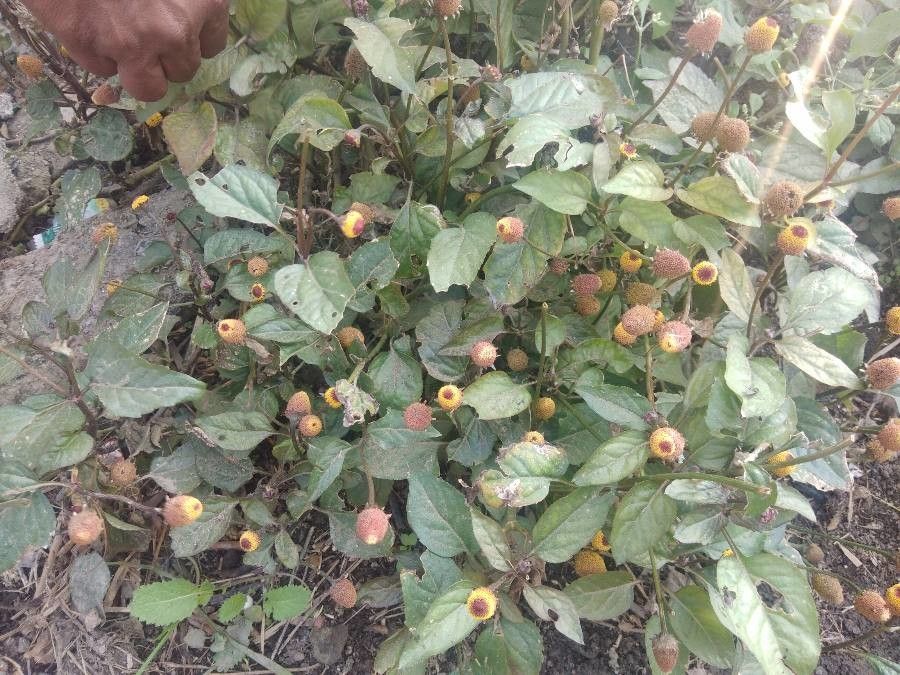
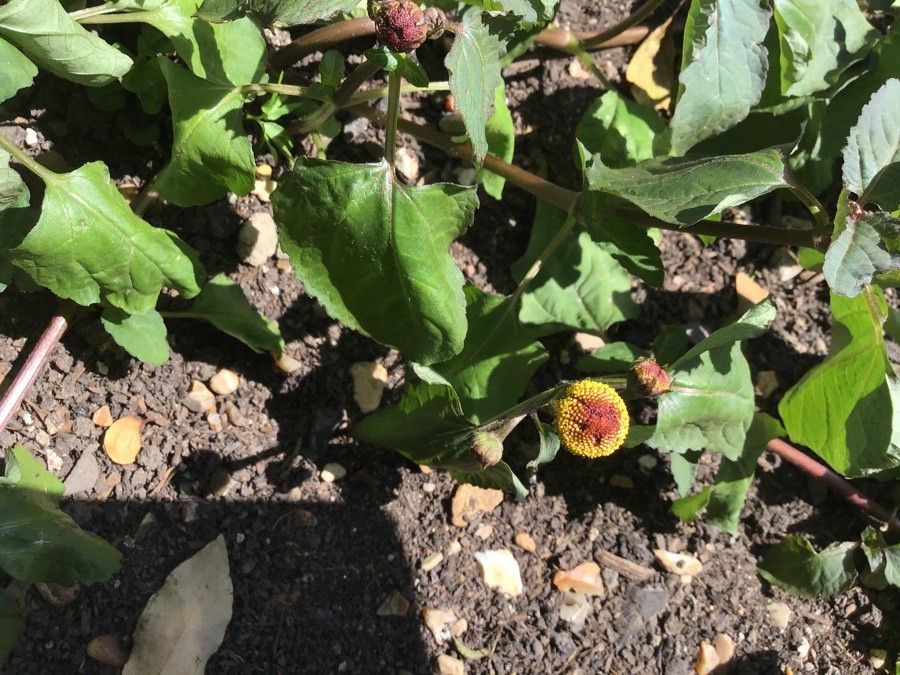
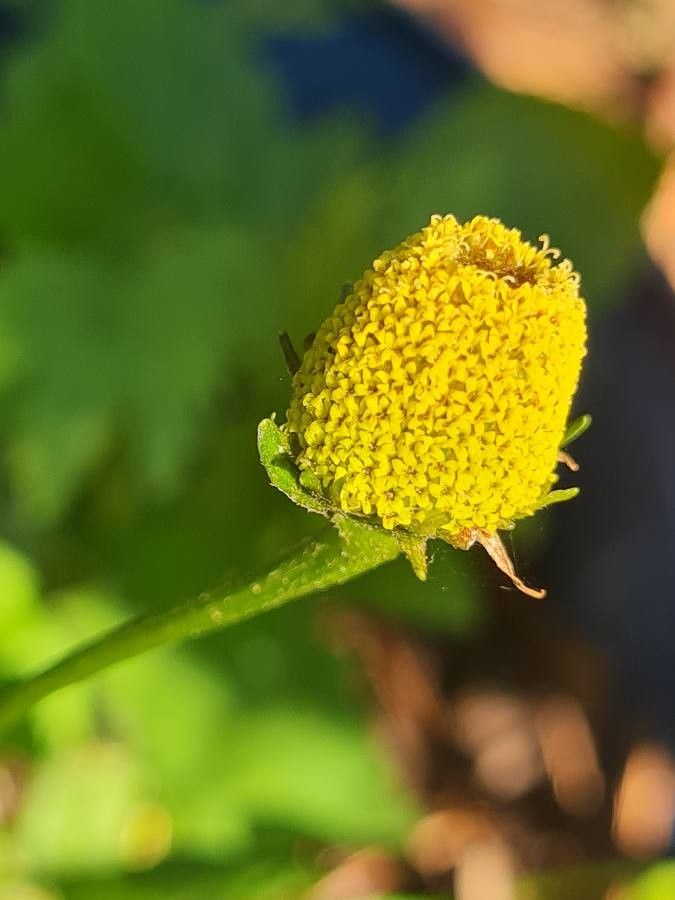
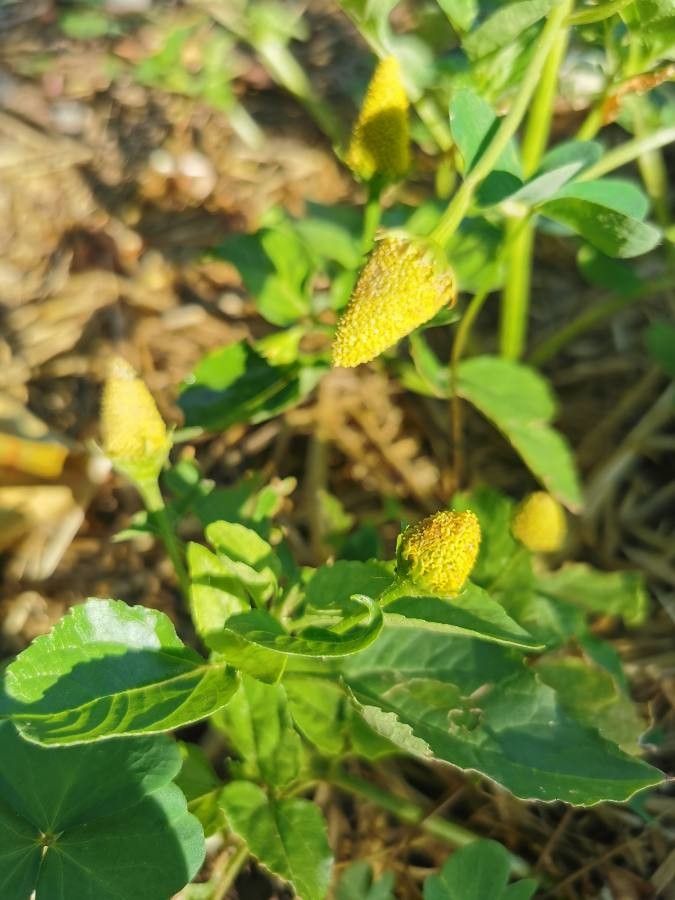
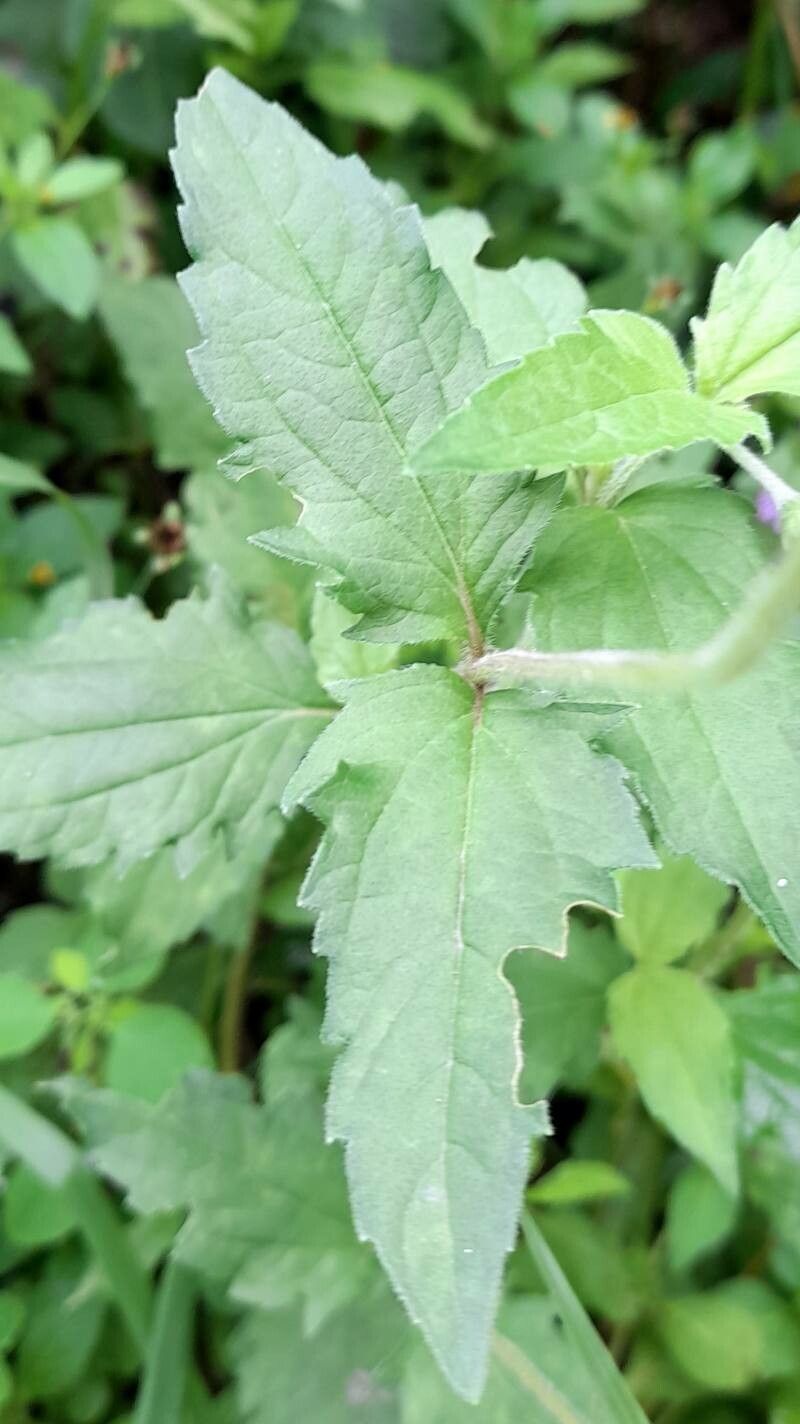
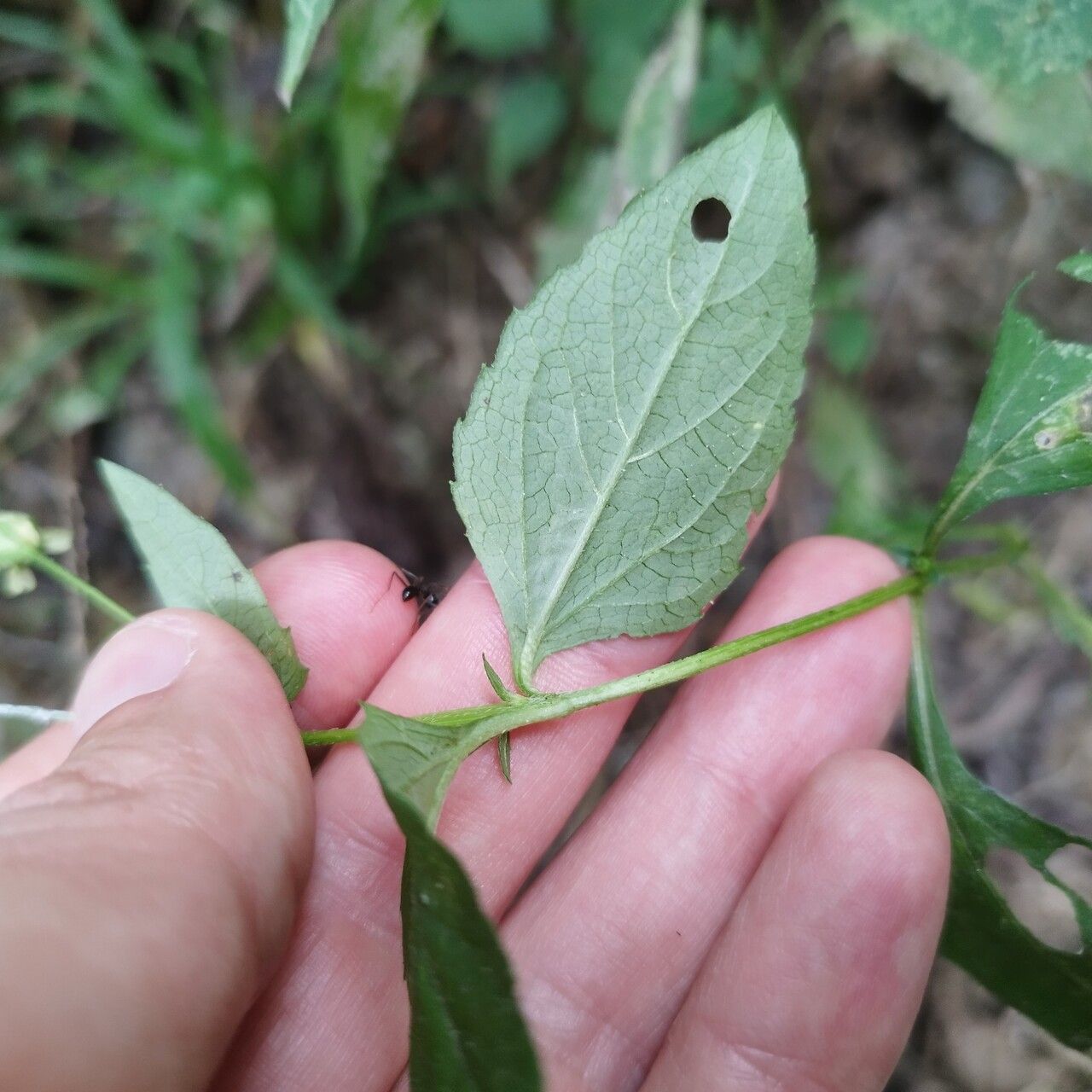
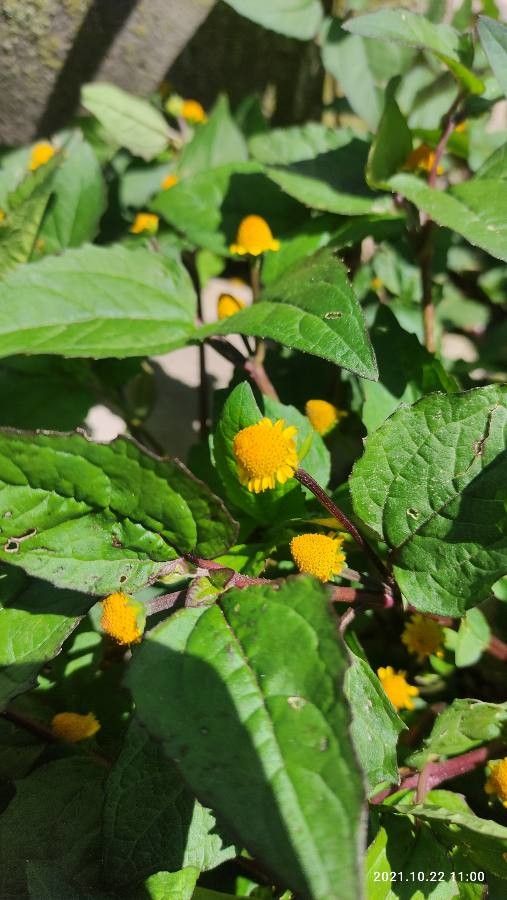
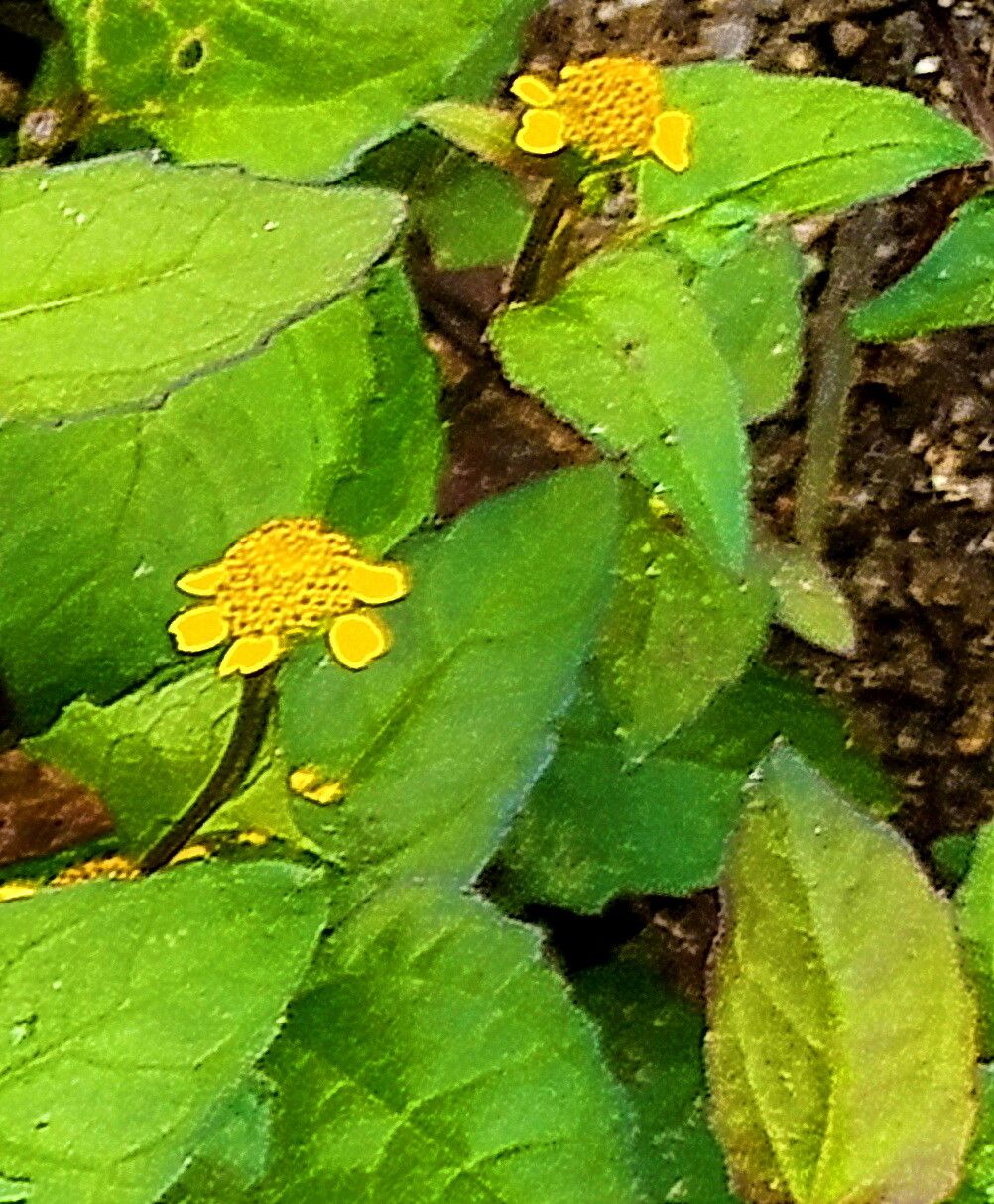
Acmella oleracea is a species of flowering herb in the family Asteraceae. Common names include toothache plant, Szechuan buttons, paracress, buzz buttons, tingflowers and electric daisy. Its native distribution is unclear, but it is likely derived from a Brazilian Acmella species. A small, erect plant, it grows quickly and bears gold and red inflorescences. It is frost-sensitive but perennial in warmer climates. Its specific epithet oleracea means "vegetable/herbal" in Latin and is a form of holeraceus (oleraceus).
The toothache plant has moderate resistance to disease but can be vulnerable to problems like leaf spot. Its susceptibility to insect pests varies by variety, although most are not highly resistant to pests. For care, the toothache plant requires regular watering and fertilizing, along with frequent removal of yellow leaves. It is important to manage pests and diseases when they occur and to harvest the plant promptly. The toothache plant is best suited to people who can invest some time and energy in regular care.
How to keep Acmella Oleracea.
Light
The toothache plant grows best when it receives abundant sunlight for most of the day, promoting optimal health and development. It also tolerates a moderate reduction in sun exposure and will do reasonably well under such conditions. Excessive shading results in poor growth, while overexposure may cause potential harm. It was originally found in environments with ample sun exposure.
Water
The toothache plant, native to tropical regions, thrives in moist environments with high humidity. Although it can tolerate some drought, it grows best with regular moisture, needing weekly watering. Ideally suited for outdoor cultivation in warm climates, the plant benefits from rainwater during its active growing season, which encourages lush foliage and abundant flowering.
Temperature
For the Toothache plant, moderate temperatures are best, roughly the same range that most people find comfortable. It does well in conditions that are not excessively hot or cold. High heat mainly raises the risk of sunburn, so providing some shade in summer is recommended to avoid overheating. When temperatures fall, the Toothache plant goes dormant; to keep it growing year-round you must keep winter temperatures higher. Frost can harm the plant and should be avoided.
Fertilizer
For maximum yield, the Toothache plant does well with regular applications of a balanced fertilizer, especially one high in nitrogen. Apply fertilizer before planting, at planting, and when seedlings are 2 inches tall. Adding compost or manure also gives a steady supply of nutrients. Inadequate soil nutrients cause underdeveloped leaves and stems, poorer flavor, thin stems, and possibly a bitter taste.
Pruning
The toothache plant is known for its vibrant yellow flowers and its medicinal properties. To encourage new growth and enhance blooming, it is best to prune the plant regularly, usually from late winter to early spring. Make sure to use clean, sharp tools to prevent infections. This will help maintain a compact shape and prevent the plant from becoming leggy, ensuring it stays healthy and productive.
Pot & Repot
Repot the toothache plant every 2 to 3 years in early spring. Choose a pot that is one size larger and use well-draining soil. Avoid waterlogging the plant and provide it with bright, indirect light. Regular watering helps the plant recover, but be mindful of its sensitive roots to ensure continuous, healthy growth.
Botanical profile.
- Plant Type
- Herb
- Life Cycle
- Perennial, Annual, Biennial
- Genus
- Acmella
- Family
- Asteraceae
- Hardiness Zone
- 9-11
- Mature Height
- 46 cm
- Mature Spread
- 34 cm
- Leaf Color
- Green
- Leaf Type
- Evergreen
- Flower Color
- Yellow, Gold
- Flower Size
- 1.02 cm to 1.52 cm
- Bloom Time
- Summer, Fall
- Planting Time
- Spring
- Harvest Time
- Late summer, Fall, Early winter
- Native Area
- Indonesia
Other names.
Reader questions.
How should I water my Toothache plant?
To properly care for the Toothache plant, it is important to use filtered water at room temperature or slightly warmer. Tap water may contain harmful particles that could affect the plant's health. This plant originates from a warm environment, so cold water can be a shock to its system. It is also recommended to avoid overhead watering, as it can lead to issues with the foliage. Instead, water the plant by directly applying the filtered room temperature water to the soil until it is completely soaked. This helps to moisturize the roots and promote their growth and nutrient uptake.
Why should I use plant food on my Toothache plant?
Fertilization is important for the Toothache plant for several reasons. It provides essential nutrients that support the plant's growth both above and below the ground. Although the Toothache plant has relatively low fertilization needs and can sometimes survive without it, annual fertilization can greatly benefit the plant. It helps keep the plant alive and promotes the development of longer-lasting flowers. To ensure your Toothache plant looks its best, regular annual fertilization is recommended.
What are the sunlight requirements for a Toothache Plant?
The Toothache Plant, known botanically as Acmella oleracea, has specific sunlight needs for optimal growth. It thrives best when it receives full sun, which is defined as over 6 hours of sunlight daily. However, it can also manage in partial sun, receiving about 3-6 hours of sunlight. The plant's health and growth are paramount, and finding a spot in your garden that provides a perfect balance of light and shade is essential to ensure its happiness. Be mindful of how sunlight moves throughout your garden to choose the best location for your Toothache Plant.
What should I do if I give my Toothache plant too much water or too little water?
Overwatering is a more common issue for the health of your Toothache plant. It can cause wilting, yellowing of stems and leaves, and lead to diseases like root rot, mold, and mildew that can kill the plant. Underwatering is less common, but it can make the leaves brittle and brown. It's important to notice signs of overwatering early and reduce watering immediately. Check the soil's drainage and replace it with a loose, well-draining mix if necessary. If the plant is not getting enough water, increase watering until signs improve.
When should I fertilize my Toothache plant?
The best time to fertilize a Toothache plant is in late winter to early spring when it is transitioning from dormancy to active growth. This helps the plant start the season with strong, healthy growth. While it is generally better to fertilize in early spring, it is also acceptable to fertilize in the fall. However, it is not recommended to feed the plant during summer or winter.
How does the Toothache Plant respond to different lighting conditions?
The Toothache Plant prefers abundant sunlight for most of the day to ensure optimal health and growth. It can still grow moderately well in partially reduced sunlight conditions but suffers in excessive shadowing or overexposure. To counter insufficient natural sunlight, especially in winter or less sunny spaces, artificial lighting serves as an excellent alternative. It's recommended to use artificial lighting providing the specific wavelengths your plant needs. For full sun plants, 30-50W/sq ft is suitable, for partial sun plants, 20-30W/sq ft, and for full shade plants, 10-20W/sq ft. The artificial light source should be placed 12-36 inches above the plant, mimicking natural sunlight as closely as possible, and provided for 8-12 hours per day.
How often do I need to water my Toothache plant?
If your Toothache plant is in a pot, the most precise way to determine if it needs water is to check the soil moisture by sticking your finger into it. If the top two to three inches of soil feel dry, then it's time to water it. If you are growing your Toothache plant outdoors in the ground, you can use a similar method to test the soil moisture. Once again, if the first few inches of soil have dried out, it's time to give it some water. During the spring and early fall, following this watering method will typically require watering the plant once a week. However, in extremely hot weather, you may need to increase the frequency to twice or even more times per week. That being said, mature and well-established Toothache plants have shown to possess remarkable drought tolerance.
When is the best time to not put fertilizer on my Toothache plant?
To keep your Toothache plant healthy, it's important to fertilize it properly. You should only fertilize this plant in late winter and early spring. Its low fertilization needs mean that a single annual feeding is enough. Overfertilizing during spring, summer, and fall can cause problems, so it's best to avoid fertilizing during those seasons. The only exception is if you forgot to fertilize in spring - then it's okay to fertilize in fall. It's also not necessary to fertilize during the winter when the plant is in a dormant phase and not actively growing.
What are the signs of inadequate lighting for a Toothache Plant?
When a Toothache Plant does not receive sufficient light, it exhibits several symptoms indicating this deficiency. These include smaller new leaves compared to mature ones, leggy or sparse growth due to longer spaces between leaves or stems, early leaf drop to conserve resources, delayed or halted growth, and lighter-colored new leaves showing a lack of chlorophyll. Other serious conditions include chlorosis, where leaves turn yellow due to chlorophyll breakdown; sunscald, with pale, bleached areas on leaves or stems; leaf curling as a defense against excessive sunlight; wilting from increased water loss; and leaf scorching, identified by brown, dry, crispy edges on leaves.
How much water does my plant for toothaches need?
To properly water your Toothache plant, don't hold back on the amount of water you give it. Make sure the first two to three inches of soil are dry, and then give the plant a thorough soaking. The water should completely saturate the soil and excess water should flow out of the drainage holes at the bottom of the pot. If you don't see any excess water draining, it means you haven't given enough water. However, be careful not to let the water accumulate in the soil, as this can harm the plant. Also, if you notice that water isn't draining properly from the pot, it could mean that the soil doesn't drain well, which is not good for the plant's health. If the plant is outside, it will only need about 1 inch of rain per week.
What kind of fertilizer does my Toothache plant need?
When it comes to fertilizing a Toothache plant, any general-purpose fertilizer containing the three main plant nutrients in balanced amounts will do the job. However, there are certain nutrient blends that can provide even more benefits. One popular belief among gardeners is that higher levels of phosphorus can strengthen the roots and improve flower production. Since the Toothache plant is a flowering plant, using a phosphorus-rich fertilizer may be the best choice. Granular or liquid fertilizers are both suitable, as long as they contain an ample supply of nutrients. In addition to manufactured fertilizers, organic methods like compost and manure can greatly improve the soil quality for your Toothache plant.
What solutions can help improve the growth of a Toothache Plant with inadequate sunlight?
To address insufficient sunlight for your Toothache Plant, indoor solutions include gradually moving the plant to a sunnier location weekly until it achieves at least 6 hours of direct sunlight each day. Utilizing a south-facing window and keeping curtains open during the day is advisable. For large or immovable plants, consider using artificial light for at least 8 hours daily. Outdoors, gradually adjust your plant to more sunlight to prevent sunburn. Pruning or relocating the plant may be necessary to ensure it receives ample sunlight. Unfortunately, parts of the plant that have suffered from insufficient light might not recover, but new growth should be healthy with improved lighting.