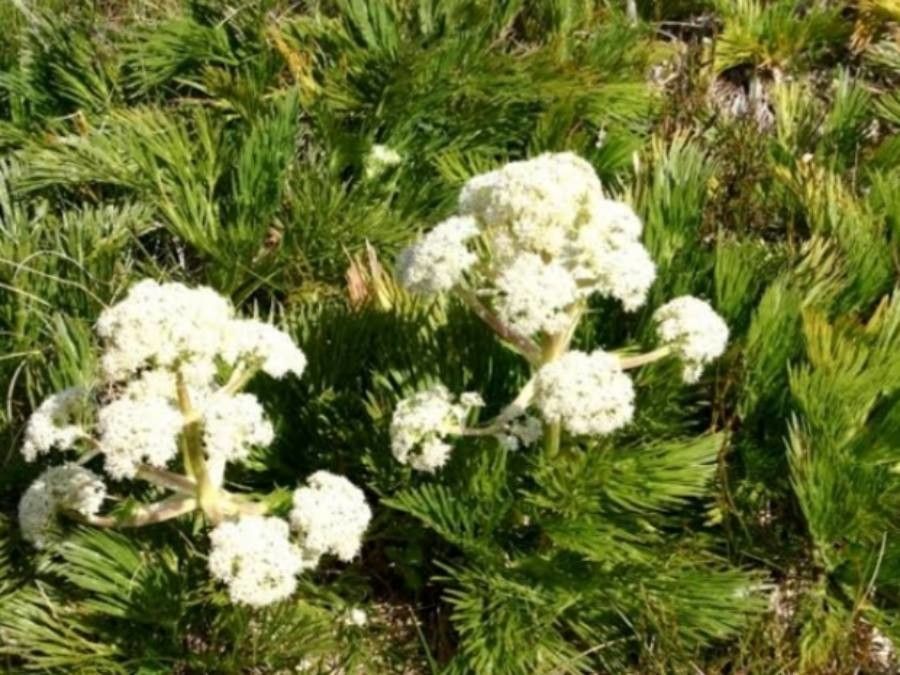
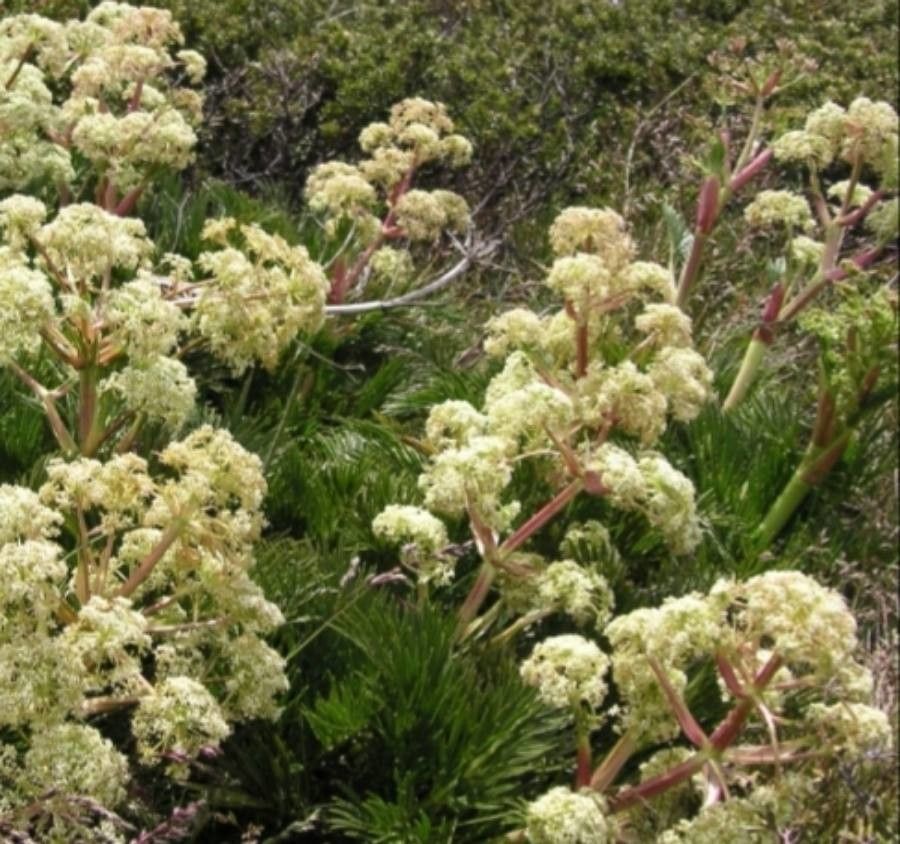
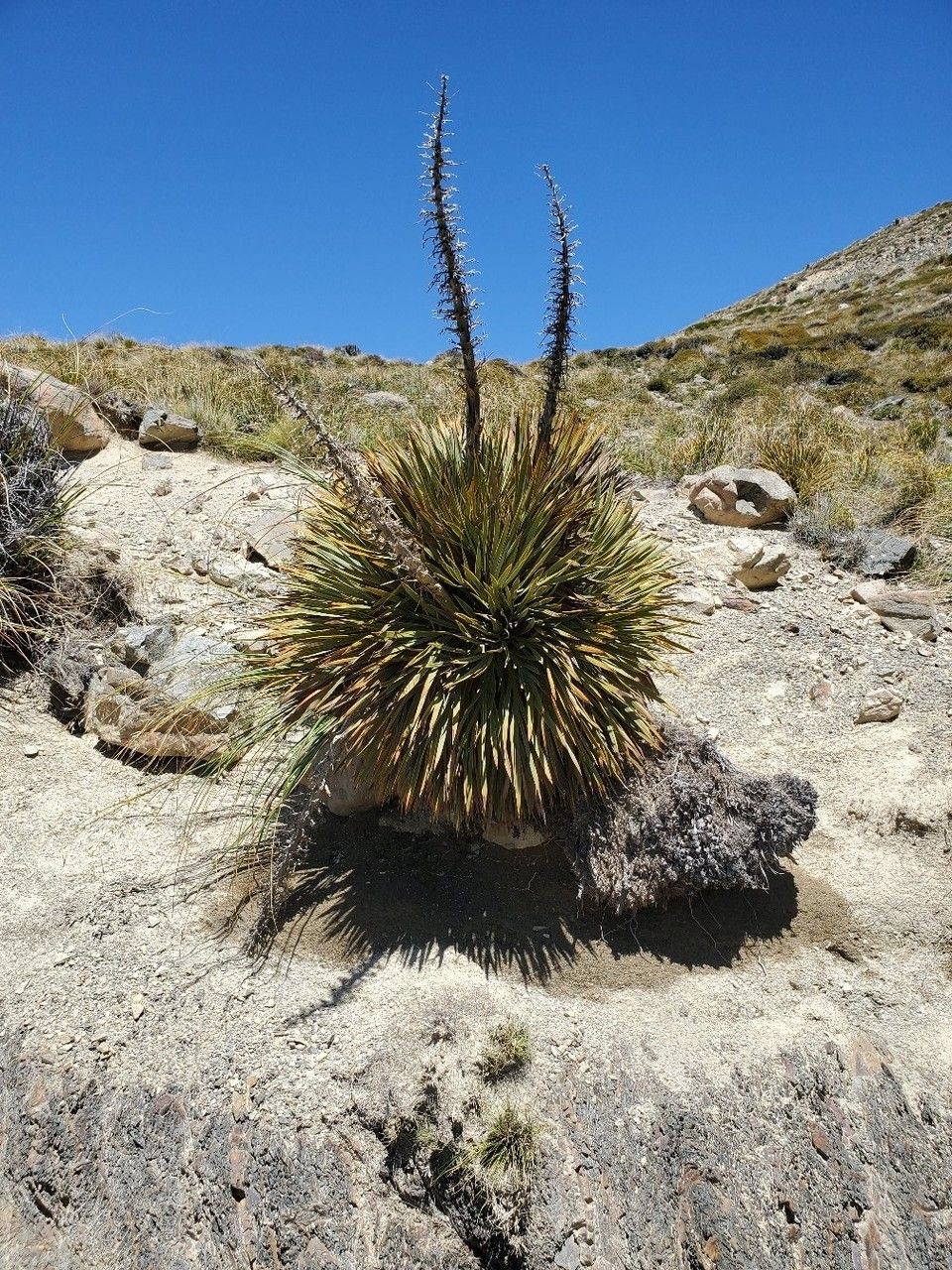
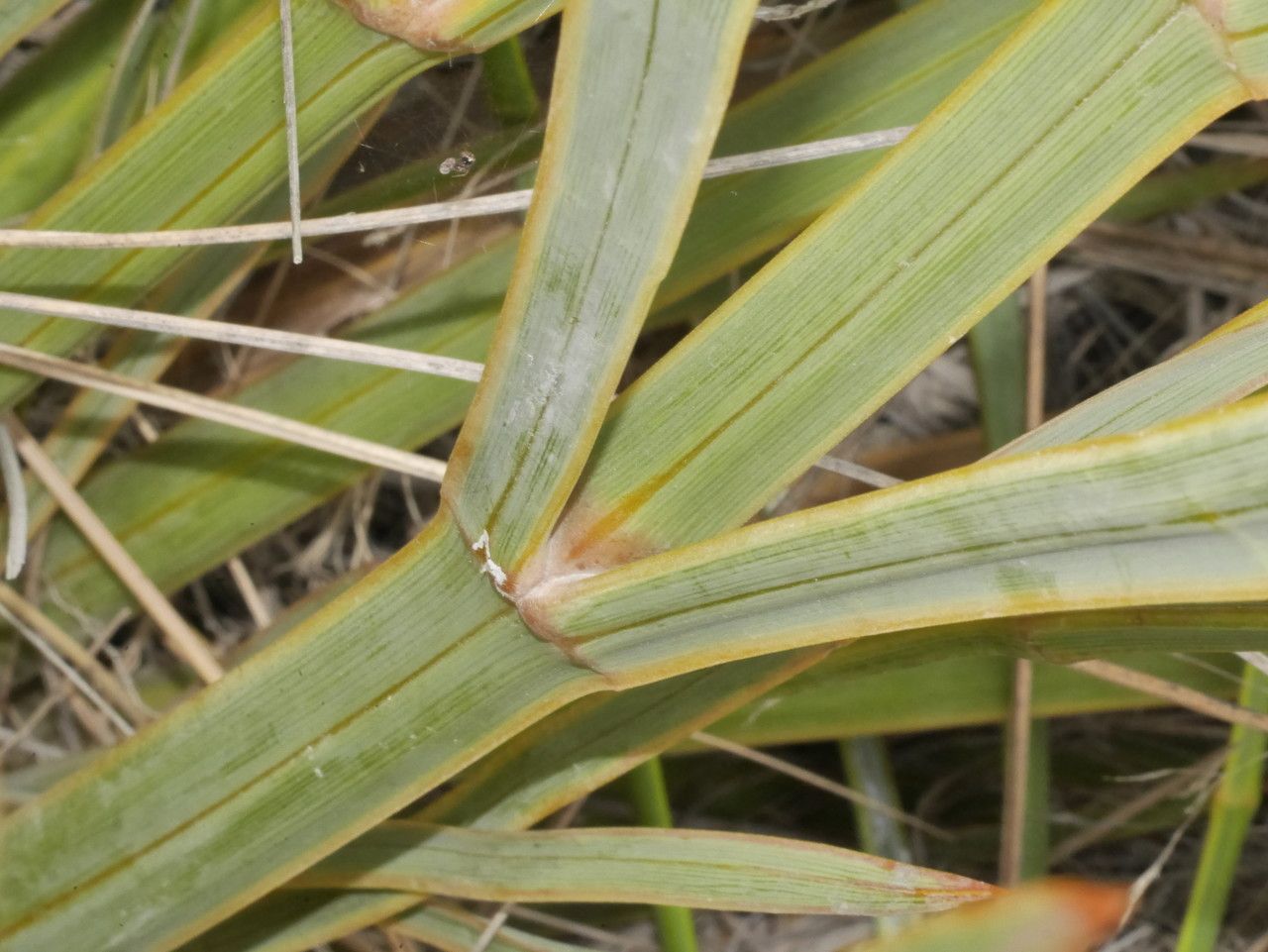
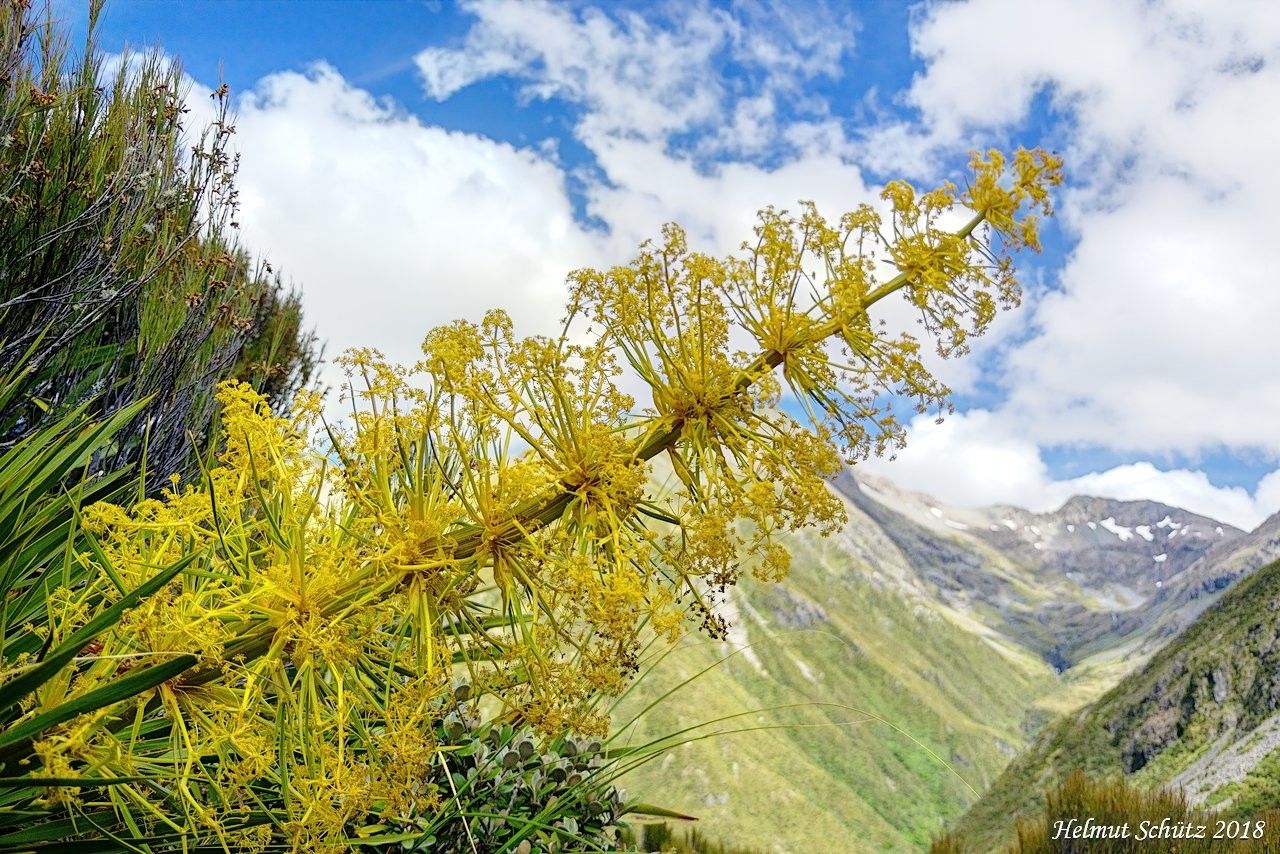
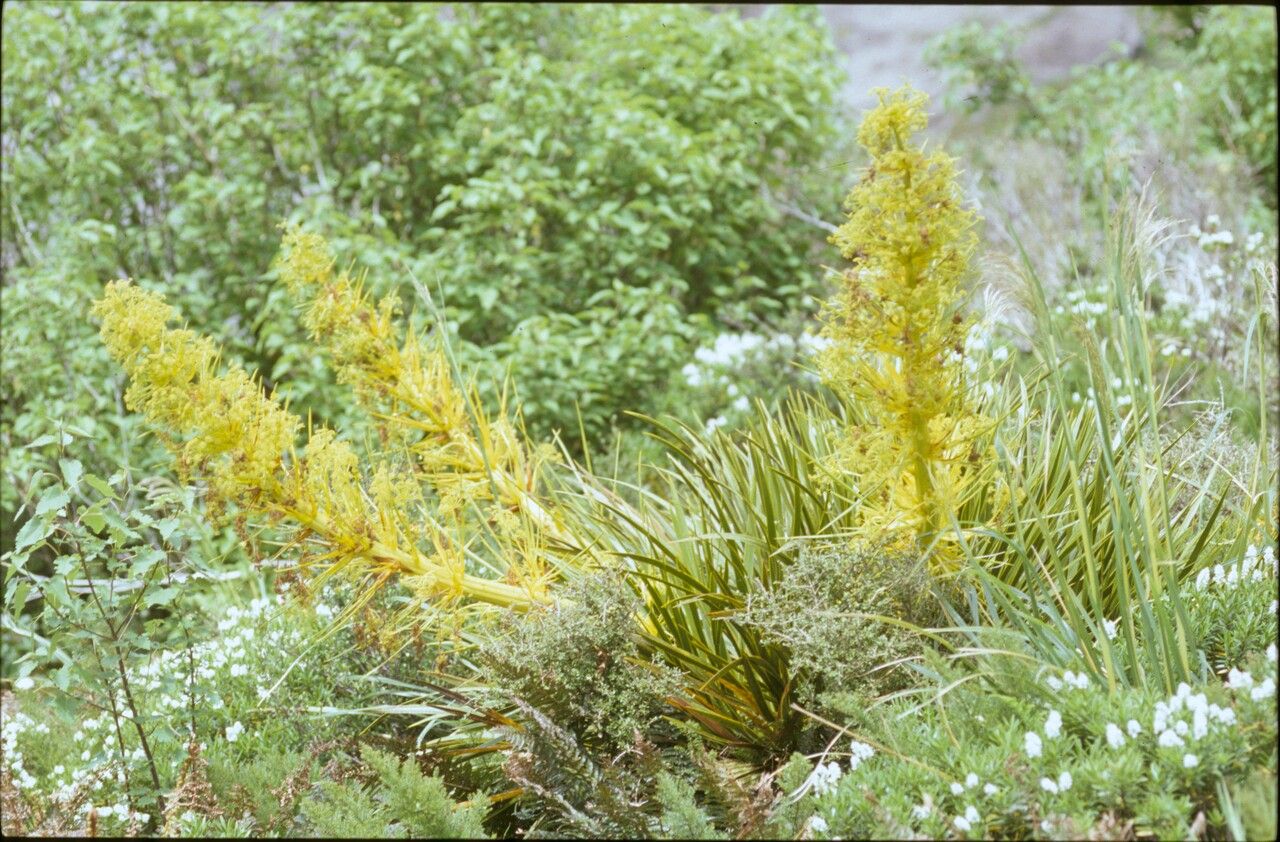
Aciphylla glacialis, commonly known as snow aciphyll or mountain celery, is a tufted perennial plant that is found in mountainous regions of south-eastern Australia. The species was first formally described in 1855 by Victorian Government Botanist Ferdinand von Mueller as Gingidium glaciale. In 1867 the species was transferred to the genus Aciphylla and given its current name by English botanist George Bentham in Flora Australiensis. It occurs in Victoria and New South Wales.
Mountain celery is fairly resistant to disease and is typically not prone to illness. Still, it can be affected by pests and diseases present in its surroundings. These infections are generally not serious. For care, this plant requires moderate maintenance. It should be pruned regularly to keep a good appearance and healthy growth. Fertilizing can also help encourage flowering. Mountain celery is suitable for anyone with outdoor space, such as a garden or patio, and does not demand much care experience. It may need more attention when grown indoors.
How to keep Aciphylla Glacialis.
Light
Mountain celery is a sun-loving perennial herbaceous plant native to open habitats, commonly found in meadows and grasslands. It favors full sun but can also tolerate partial sun.
Water
Mountain celery, which originates from alpine regions, thrives in cool climates and moderate moisture. It prefers soil that stays consistently moist but not waterlogged, so weekly watering is recommended to keep it healthy and mimic its natural habitat. This plant is well adapted to environments with sporadic precipitation, efficiently utilizing any rainfall it receives.
Fertilizer
One fertilizer application in spring is generally enough for Mountain celery, though additional feedings can maximize growth. Apply fertilizer every one to one and a half months. Fertilization improves the leaves' appearance and function, promoting even color and a healthy texture. It also encourages root development and enhances nutrient uptake for the plant's long-term health.
Pruning
To promote healthy growth and a more attractive appearance, mountain celery benefits from early spring pruning. Begin by removing dead leaves, which will help support the plant's overall health. Trim old stems to make room for new shoots, ensuring the plant maintains a compact form. Be sure to wear gloves to protect your hands from the spiky foliage. Regular pruning also improves air circulation, reduces the risk of disease, and enhances the plant's aesthetic appeal.
Botanical profile.