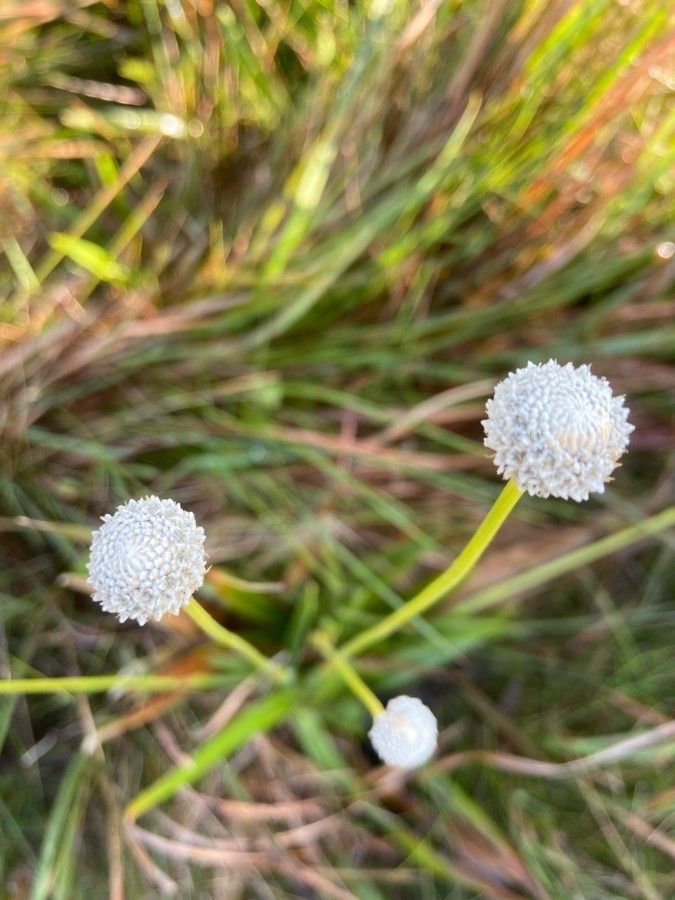
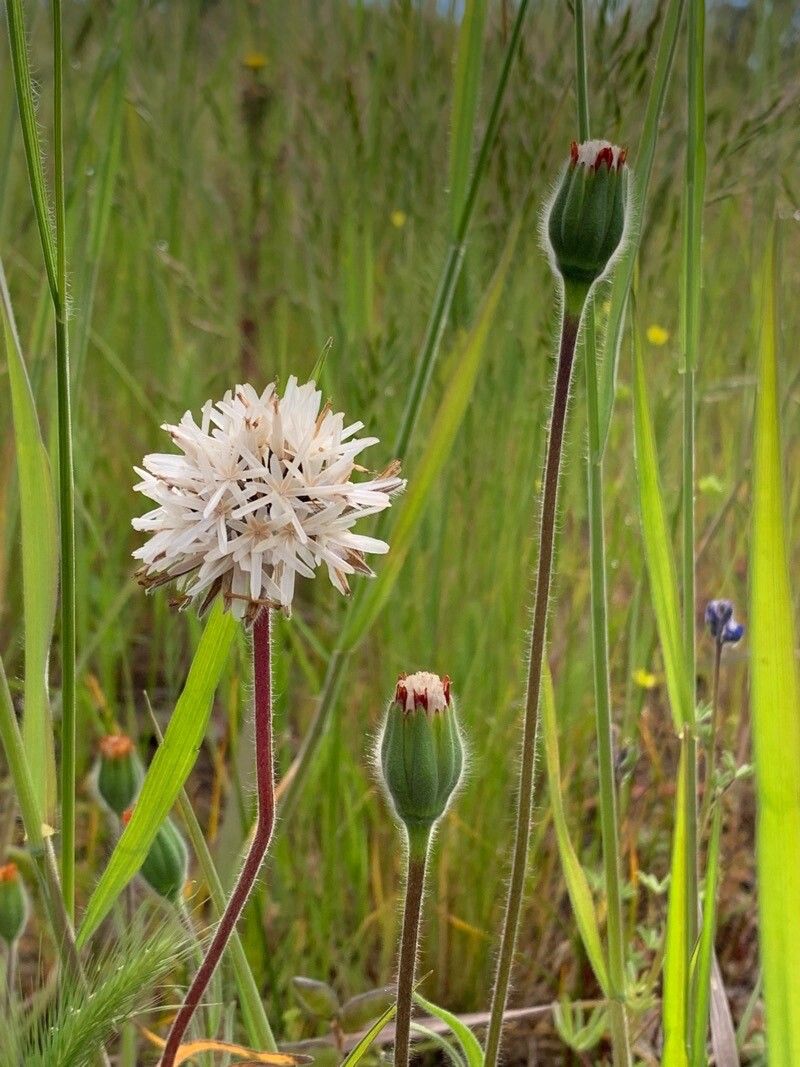
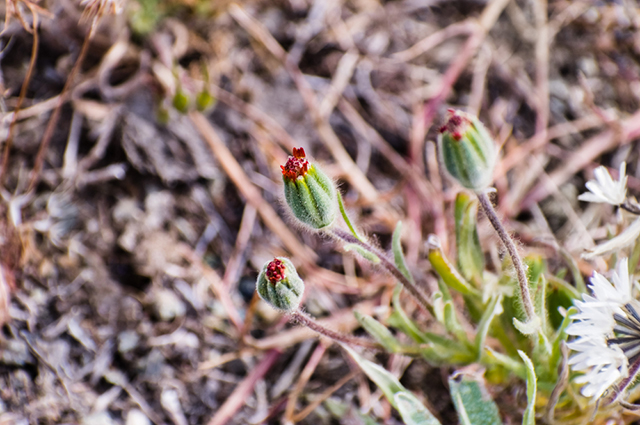
Achyrachaena mollis, commonly known as Bladderpod, is a flowering plant species that belongs to the Brassicaceae family. Native to California, it thrives in diverse habitats such as grasslands, chaparral, and oak woodlands. The plant can grow up to 1 meter tall and features a woody stem with gray-green leaves covered in fine hairs. Its small yellow flowers have four petals arranged in a cross shape. The fruit of the Bladderpod is particularly unique, with an inflated, bladder-like structure that houses the seeds. Bladderpod plays a crucial role in California's ecosystem by providing food for pollinators such as bees and butterflies. It also serves as a host plant for various butterfly species. Additionally, Native Americans have utilized Bladderpod for medicinal purposes, including the treatment of respiratory ailments like coughs and colds. The plant requires full sun exposure but can tolerate some shade. It prefers well-drained soil but can also grow in rocky or sandy soils. Overall, Achyrachaena mollis is an intriguing native Californian plant with unique features that make it significant both ecologically and culturally.
Blow wives has strong disease resistance and is generally not susceptible to illness. However, it can be vulnerable to pests and diseases present in its environment. Such infections are usually mild. For care, this plant requires moderate maintenance. Regular pruning is necessary to keep a tidy appearance and support healthy growth. Applying fertilizer can also encourage flowering. Blow wives is appropriate for anyone with outdoor space, like a garden or patio, and does not need extensive care experience. It may require more attention when cultivated indoors.
How to keep Achyrachaena Mollis.
Light
Blow wives comes from bright, open habitats where it thrives in full sun. It can tolerate partial sun but favors direct sunlight for optimal growth. This annual and biennial plant is recognized for its sun-loving nature.
Water
Blow wives, native to arid regions, demonstrate high drought tolerance and require minimal watering—about once a week. They thrive in well-draining soil and flourish outdoors, reflecting their adaptation to infrequent rainfall and dry natural conditions.
Temperature
Blow wives can adapt to a wide range of temperature conditions, but its distribution may still be restricted by different combinations of water and heat. It does best in warm summer climates with sufficient rainfall or watering. Extended periods of cloudy, rainy weather or prolonged high temperatures can increase the likelihood of Blow wives dying. In winter, adequate protection from cold can improve the plant's survival rate.
Fertilizer
Blow wives do best with frequent, light applications of fertilizer to encourage healthy leaf growth. You should fertilize Blow wives about once a month during the summer. Nitrogen is essential for foliage, and adding nitrogen-rich sources helps Blow wives thrive.
Pruning
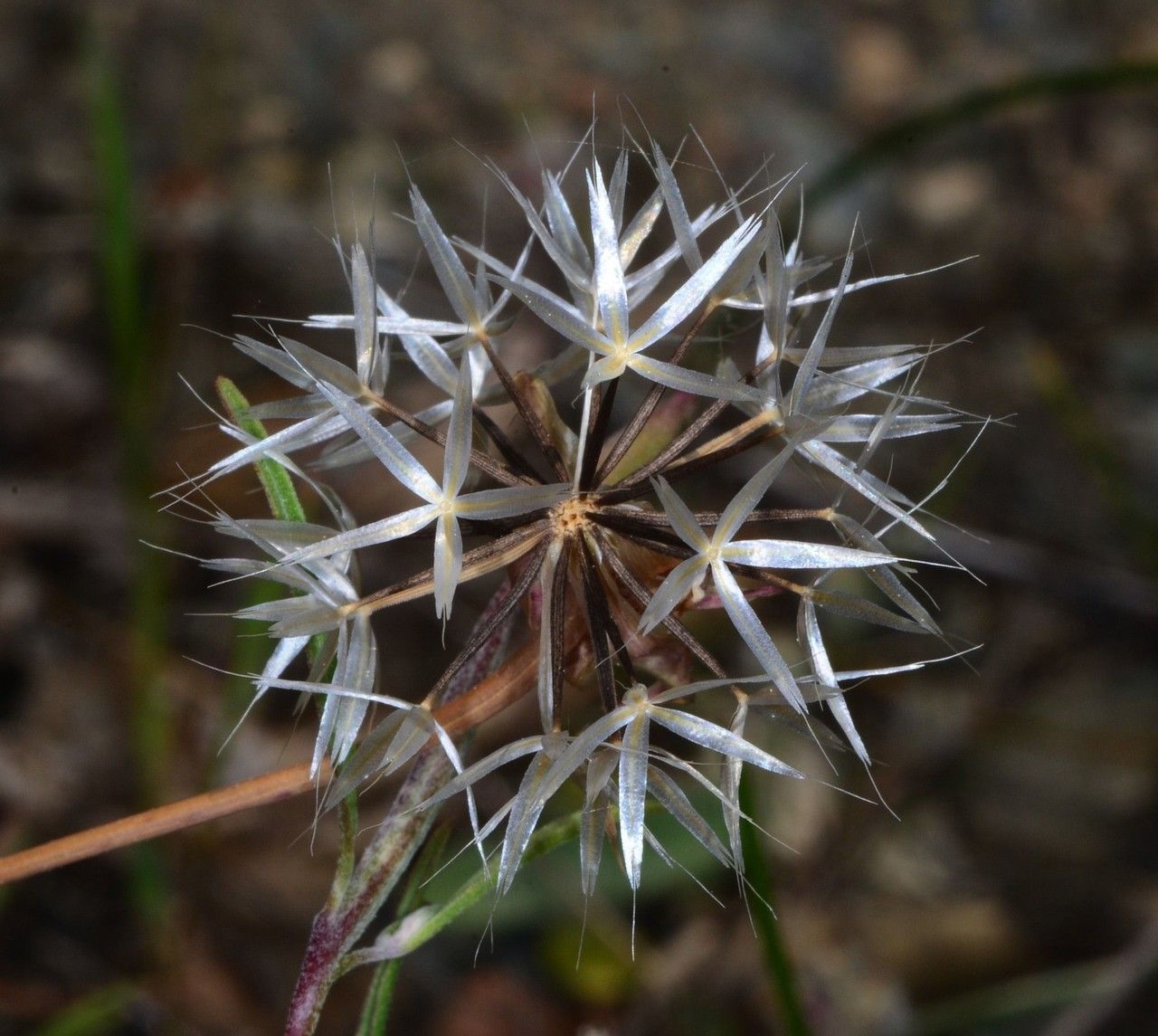
Blow wives have delicate, dandelion-like seed heads and grow in a rosette pattern. Pruning them in early spring encourages growth and keeps them tidy, while removing dead foliage improves air circulation. Careful pruning not only enhances their appearance but also supports regeneration. By cutting back spent flower heads, you can prolong their blooming period.
Botanical profile.
- Plant Type
- Herb
- Life Cycle
- Annual
- Genus
- Achyrachaena
- Family
- Asteraceae
- Hardiness Zone
- 8-10
- Mature Height
- 30 cm
- Mature Spread
- 30 cm
- Leaf Color
- Green
- Leaf Type
- Deciduous
- Flower Color
- Yellow, White
- Flower Size
- 1.27 cm to 1.52 cm
- Bloom Time
- Early spring, Mid spring
- Planting Time
- Spring, Summer, Autumn
- Harvest Time
- Late spring, Early summer
- Native Area
- Mexico
Other names.
Reader questions.
What is the most effective way to water my house plants?
When watering Blow wives, there are various tools you can use such as a garden hose with a spray nozzle or a watering can. This plant is not too particular about the type of water it receives, as it can survive on rainwater, tap water, or filtered water. It's generally best to avoid watering Blow wives from overhead to prevent damage to the leaves and flowers and reduce the risk of disease. Instead, setting up a drip irrigation system is often the most effective method as it evenly and directly applies water to the soil. If you have a container-grown Blow wives, you can use a cup, watering can, or tap water to water it directly at the soil.
What should I do if I give my Blow wives too much or too little water?
To remedy underwatering Blow wives, simply water it more regularly when you notice it lacks moisture. Overwatering, on the other hand, can be a more serious issue if not caught early. It can lead to diseases and the plant's decline or death. To prevent this, choose a sunny location with good drainage to dry the soil and avoid waterlogged conditions. If your potted Blow wives is overwatered, consider repotting it in a container with better drainage and loose soil.
How often should I water my houseplants?
To properly care for Blow wives, it's important to water them consistently throughout the growing season. During spring, watering them once a week should suffice. However, as the season progresses and temperatures rise, you may need to increase watering to two or three times per week. It's crucial not to exceed this rate as it can harm the plants. Additionally, it's important to keep the soil moist but not overly wet, regardless of how often you water. When it comes to Blow wives in pots, watering needs differ. Since pot soil can dry out faster, you'll likely need to water container-grown plants more frequently, aiming for a few times per week compared to once per week for those in the ground.
How much water does my plant need?
There are a few ways to decide how much water to give your Blow wives. Some gardeners prefer to assess the soil's moisture level by touching it. They suggest watering until the top six inches of soil feel moist. Alternatively, you can use a specific measurement for watering. Generally, giving your Blow wives around two gallons of water per week is recommended, depending on the temperature and how quickly the soil dries out. However, it's important not to overwater if your plant requires less than two gallons per week. If you're growing Blow wives in a container, a different approach is needed. A good rule is to water enough to moisten all the dry layers of soil. You can check by inserting your finger into the soil to feel for moisture. Another indication is when you observe a slight trickle of water coming out of the pot's drainage holes.
How do I know if I'm giving enough water to my houseplants called Blow wives?
Avoiding overwatering your Blow wives can be somewhat difficult due to their characteristics. On one hand, these plants have deep roots that need weekly soil moisture. However, Blow wives are highly prone to root rot, which can lead to browning. Unlike underwatering, which is less likely to occur, excessive time without watering can cause your Blow wives to wilt and exhibit dry leaves.
How do I water my Blow wives during different seasons?
As the seasons progress, you can expect your Blow wives to require more water. In the spring, watering once a week should suffice. However, as the summer heat sets in, you may need to increase the frequency to about three times a week, especially if your Blow wives are growing in containers. This is because the soil in containers tends to dry out faster in warm weather. In the autumn, when your Blow wives are still blooming, you may need to reduce the watering slightly as the temperature and sun intensity decrease.
How do I water my Blow wives when they're growing at different stages?
Blow wives go through different growth stages throughout the year, and each stage has varying water requirements. When starting blow wives from seeds, it is important to provide extra water during germination to ensure consistent soil moisture. After a few weeks, when the plants emerge from the soil, they will require slightly less water. Once the blow wives are fully mature, regular watering once a week is sufficient. During flower development, it may be necessary to increase watering slightly to support the process.
What's the difference between watering plants inside and outside?
There are a few reasons why most Blow wives prefer growing outdoors rather than indoors. Firstly, these plants tend to grow quite tall, making them more suitable for outdoor environments. Another reason is that Blow wives require more daily sunlight than what indoor locations can typically provide. If you choose to grow them indoors, you may need to water your Blow wives more frequently than you would with an outdoor setting. This is because indoor environments tend to be drier due to HVAC units, and the soil in containers can also dry out quickly compared to soil in the ground.