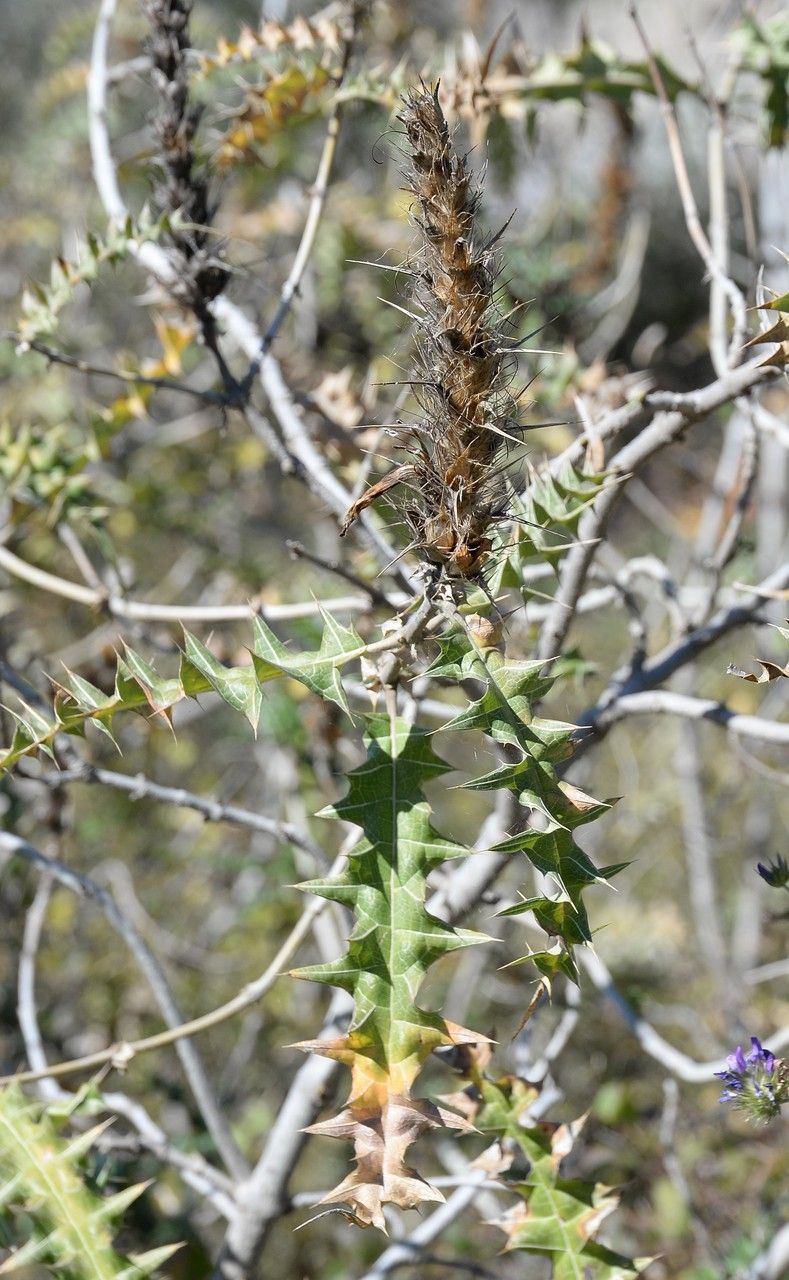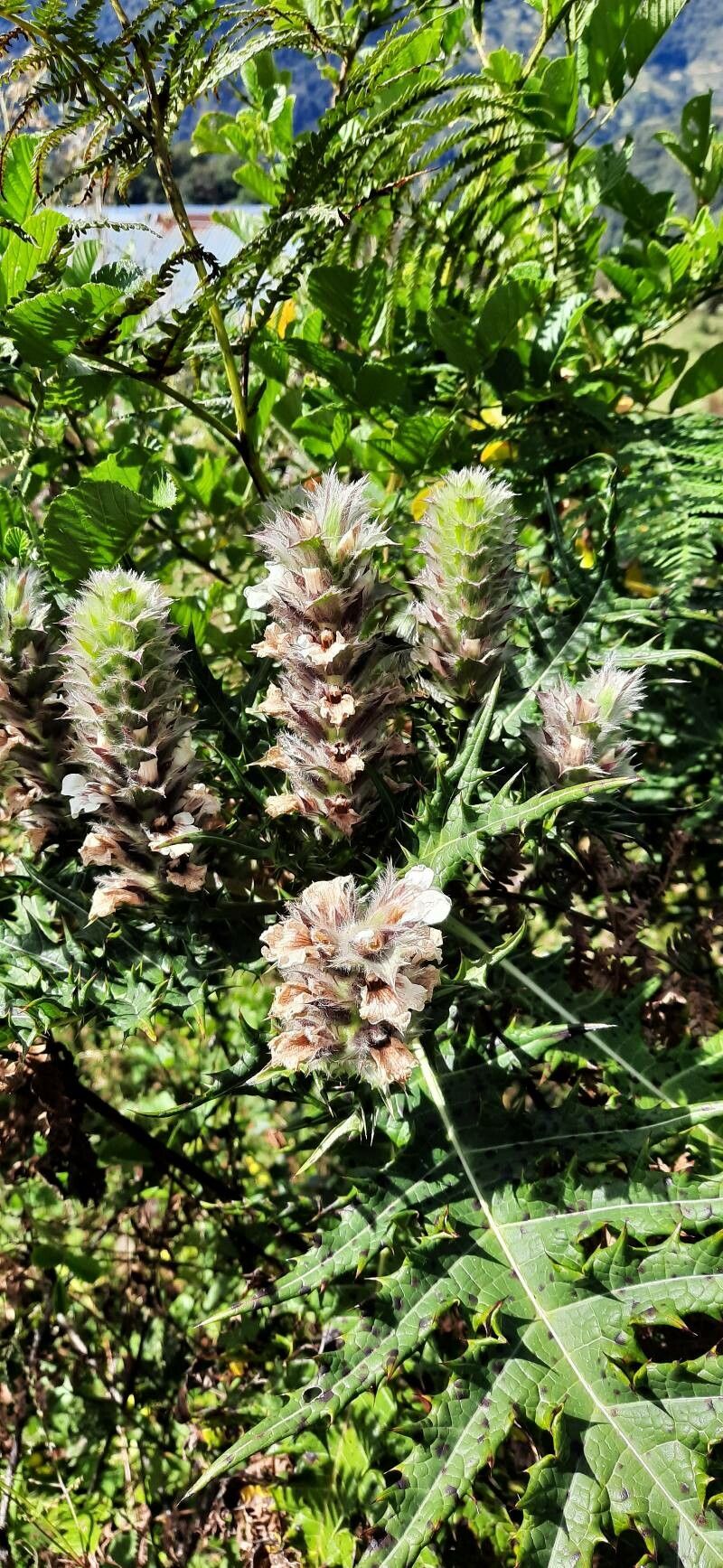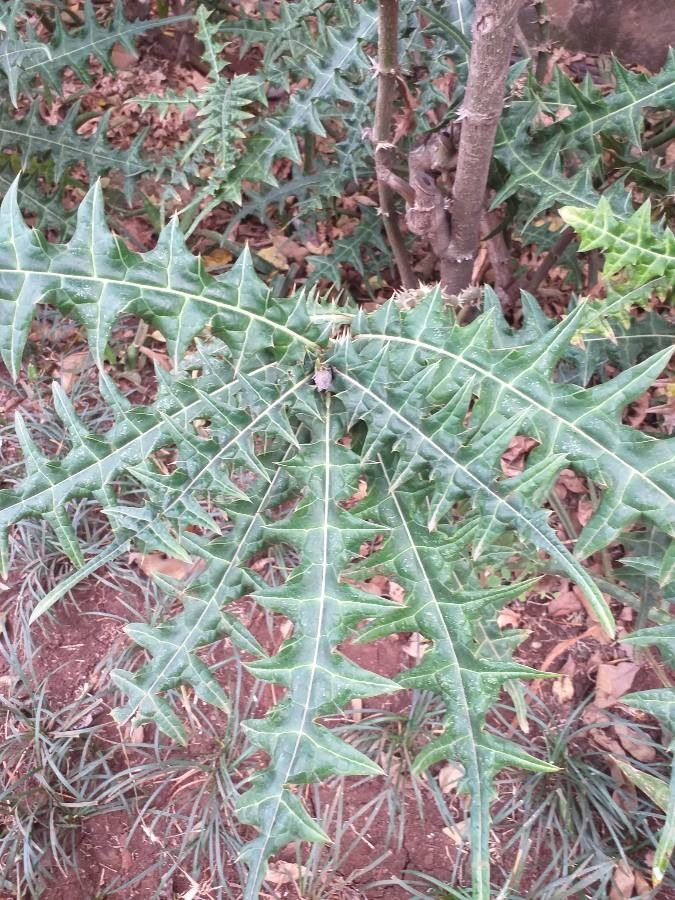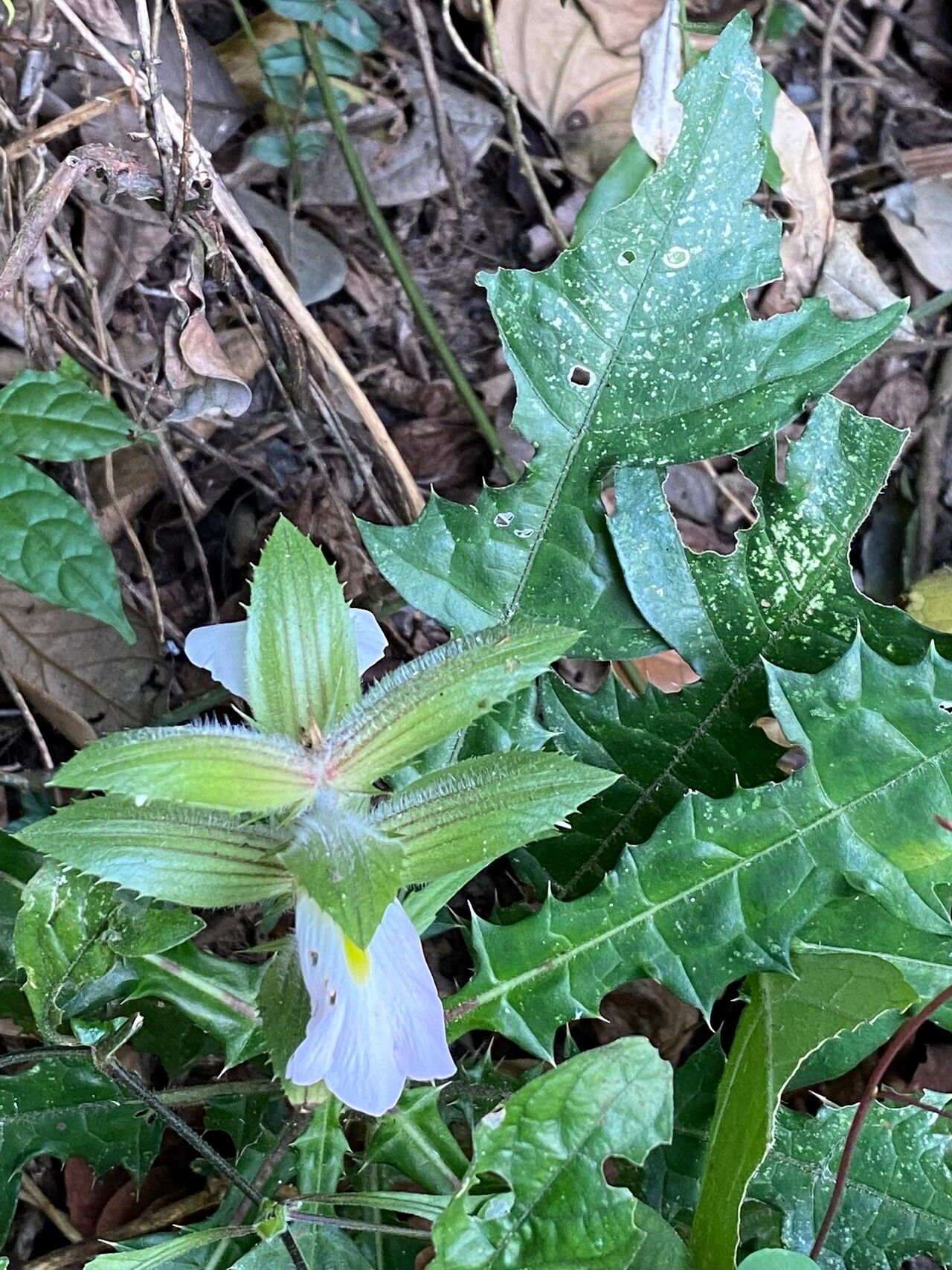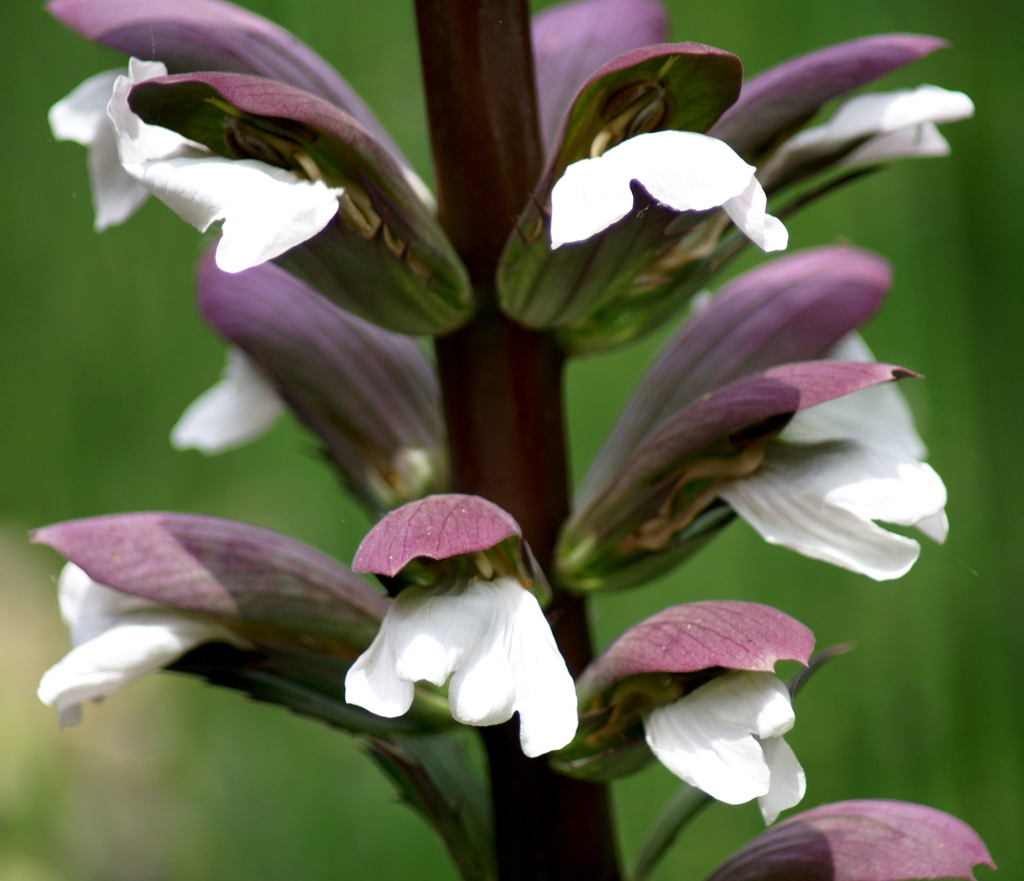
Acanthus mollis, commonly known as bear's breeches, is a perennial herbaceous plant that belongs to the Acanthaceae family. Native to the Mediterranean region, it has been widely cultivated as an ornamental plant in gardens and parks worldwide.
This plant features large, glossy green leaves that are deeply lobed and can grow up to 2 feet long. The leaves are arranged in a rosette pattern at the base of the stem. The stem itself can reach heights of up to 6 feet and produces spikes of white or pink flowers in the summer.
Acanthus mollis thrives in well-drained soil with partial shade or full sun exposure. While it is drought-tolerant once established, it requires regular watering during its growing season.
Historically, the plant has been used for medicinal purposes due to its anti-inflammatory properties. Its leaves have also been employed for decorative purposes in architecture, particularly in ancient Greek and Roman designs.
Overall, Acanthus mollis is a beautiful ornamental plant with historical significance that adds an elegant touch to any garden or landscape design.
Bear's breeches is fairly disease-resistant and usually not prone to illness. Nonetheless, it can be affected by pests and diseases present in its environment. These problems are typically not serious. As for care, the plant needs moderate maintenance. It should be pruned regularly to preserve a tidy appearance and promote healthy growth. Fertilizing can also aid in encouraging blooms. Bear's breeches is appropriate for anyone with outdoor space, such as a garden or patio, and does not demand extensive gardening experience. It may need more attention when grown indoors.
How to keep Acanthus Mollis.
Light
Bear's breeches require considerable sunlight to grow best. It can also tolerate places with less exposure. However, excessive or insufficient light may hinder its development, resulting in stunted or weak growth. It originated in regions known for abundant sunshine.
Water
Bear's breech flourishes in Mediterranean understory conditions, where it enjoys a combination of sun and shade along with moderate rainfall. While it can withstand drought, it requires weekly watering, particularly during its active growth phase. Ideal for outdoor cultivation, maintaining stable moisture levels is crucial to support its vibrant growth in the summer.
Humidity
This plant prefers dry conditions, so don't mist it. However, watering it less often can also thrive in higher humidity.
Temperature
Bear's breeches grows best in areas similar to its native environment, especially where temperatures fall between 68 and 95 °F (20 to 35 ℃). As seasons shift, make sure it is protected from extreme conditions, particularly in winter.
Fertilizer
Early spring, when Bear's breeches is coming out of dormancy and starting active growth, is the best time to fertilize. Fertilizing supplies essential nutrients for healthy development. Although Bear's breeches needs relatively little fertilizer, an annual application can improve its survival and encourage better, longer-lasting flowers.
Pruning
Pruning bear's breech from early to late spring helps improve air circulation and promotes healthy growth. Remove dead leaves and cut back the flowering stems after they bloom to encourage future flowers. Regular pruning helps control the plant's size, prevents overcrowding, and enhances the health and appearance of bear's breech.
Pot & Repot
When repotting Bear's breeches, pick a pot 1-2 inches (2.5–5 cm) larger that has ample drainage. Use a well-draining potting mix. Repot in spring or fall, making sure the root ball sits slightly lower than the rim of the flower pot. Water thoroughly after repotting and place the pot in a warm spot with indirect sunlight.
Toxicity
Bear's breeches are not toxic to people and pets.
Further reading →
The toxicity and danger assessments provided are for reference only. We do not assure their accuracy, so it's crucial not to depend on them. Seek professional advice when necessary for accurate guidance.
Botanical profile.
- Plant Type
- Herb
- Life Cycle
- Perennial, Annual
- Genus
- Acanthus
- Family
- Acanthaceae
- Hardiness Zone
- 7-10
- Mature Height
- 0.3 m to 1.83 m
- Mature Spread
- 61 cm to 91 cm
- Leaf Color
- Green, Yellow, White
- Leaf Type
- Deciduous
- Flower Color
- White, Purple
- Flower Size
- 2.54 cm to 7.62 cm
- Bloom Time
- Early summer, Mid summer
- Planting Time
- Spring, Summer
- Harvest Time
- Mid summer
- Native Area
- Turkey, Tunisia, Syria, Italy, Spain, Portugal, Algeria, Greece, Croatia, Morocco, France
Other names.
Reader questions.
How should I water my Bear's breech plant?
To properly water the Bear's breech plant, it is recommended to use filtered water at room temperature. This is because tap water may contain harmful particles that can negatively affect the plant's health. Additionally, it is important to avoid using cold water as it can cause a shock to the plant, which is used to warmer environments. To water the plant, it is best to avoid overhead watering, as this can lead to leaf problems. Instead, simply pour the filtered room temperature water onto the soil until it is completely soaked. This method is beneficial as it ensures that the roots are adequately moistened, allowing them to spread throughout the soil and absorb the necessary nutrients.
Why should I put fertilizer on my Bear's breech?
Fertilization plays a crucial role in the growth of Bear's breech and other plants. It provides essential nutrients for both the above-ground and below-ground parts of the plant. Despite this, Bear's breech has relatively low fertilization needs and can often survive without it. However, annual fertilization can greatly benefit the plant by promoting its overall health and encouraging the production of longer-lasting flowers. Therefore, to ensure the best appearance of your Bear's breech, regular fertilization is recommended.
What are the sunlight requirements for Bear's Breech?
Bear's Breech, or Acanthus mollis, thrives in areas that receive substantial sunlight, requiring full sun conditions of above 6 hours of sunlight a day for optimal growth. It can also tolerate partial sun, defined as about 3-6 hours of sunlight. However, it's essential to observe the movement of sunlight through your garden to ensure that you're choosing spots that offer a balance of light and shade, crucial for the plant's health.
What temperatures are ideal for growing Bear's breech?
Bear's breech (Acanthus mollis) thrives well in regions that mimic its native habitat, with ideal temperatures ranging from 68 to 95 °F (20 to 35 °C). It is important to protect the plant from extreme temperatures, especially during winter. Although Bear's breech has strong cold resistance, in areas where winter temperatures are expected to drop below the plant's cold tolerance limit, providing protection with materials such as soil or straw is recommended. Additionally, watering the plant abundantly before the first freeze in autumn helps to ensure the soil remains moist and enters a frozen state, aiding in the prevention of drought and water scarcity during winter and early spring.
What should I do if I give my Bear's breech too much or too little water?
Both overwatering and underwatering can harm the health of your Bear's breech plant, but overwatering is more commonly a problem. When the plant gets too much water, its stems and leaves may wilt and turn yellow. Overwatering for a long time can also lead to diseases like root rot, mold, and mildew, which can kill the plant. Underwatering is less likely for the Bear's breech because it can tolerate some drought. However, it can still happen, and in that case, the leaves of the plant will become brittle and brown. It's important to notice signs of overwatering early when caring for the Bear's breech. Some diseases caused by overwatering, like root rot, cannot be fixed if you wait too long. If you see early signs of overwatering, reduce watering right away. You should also check the quality of the soil in which the plant grows. If the soil drains poorly, replace it with a loose, well-draining potting mix. On the other hand, if your Bear's breech shows signs of not getting enough water, simply water it more regularly until the signs go away.
When should I fertilize my Bear's breech plant?
The best time to fertilize a Bear's breech is in late winter or early spring when the plant transitions from dormancy to active growth. Fertilizing during this time boosts healthy growth and sets the plant up for a successful season. While early spring is generally the most beneficial time, fall is also acceptable for fertilization. However, it is not recommended to fertilize a Bear's breech during summer or winter.
What should I know about Bear's Breech and sunlight essentials?
Bear's Breech is a plant that originally comes from regions known for significant sunlight and thus craves substantial sun exposure to flourish. Adequate exposure to sunlight is crucial, but the plant can also survive in less sunny areas. Bear in mind, both excessive or insufficient sunlight can impede its growth. For indoor plants not receiving enough natural light, particularly in less sunny spaces or during winter, artificial lighting serves as an effective alternative. LEDs are recommended for their customizability, and the lighting needs vary depending on the plant's natural sunlight requirements (full sun, partial sun, or full shade).
How does Bear's breech react to low temperatures?
Bear's breech is cold-tolerant and typically thrives best when temperatures remain above its minimum suitable growth temperature. During winter, it's important to maintain temperatures above the plant's minimum tolerable growing temperature. If temperatures fall below the growth limit temperature, while there may not be noticeable changes during winter, the plant may exhibit decreased sprouting or fail to sprout at all in the spring. If this occurs, removing parts of the plant that have failed to sprout in spring is advised.
How often should I water my Bear's breech plant?
If your Bear's breech plant is in a pot, the most accurate way to determine if it needs water is to stick your finger in the soil. If the top two to three inches of soil feel dry, then it's time to water it. If you have your Bear's breech planted outdoors in the ground, you can use the same method to check the soil. Once again, if the top few inches of soil are dry, it's time to give it some water. Typically, during the spring and early fall, you will need to water this plant about once a week using this method. However, when the weather gets extremely hot, you may need to water it two or more times per week. It is worth mentioning that mature, well-established Bear's breech plants have shown an impressive ability to tolerate drought.
When should I not put fertilizer on my Bear's breech plant?
To ensure proper care of your Bear's breech plant, only fertilize it during late winter and early spring. This plant has low fertilization needs, so a single annual feeding is enough. Avoid fertilizing during the rest of the growing season (spring, summer, and fall) to prevent overfertilization and related issues. However, if you missed fertilizing in spring, you can apply fertilizer in the fall. Additionally, refrain from fertilizing during winter as the plant is in a dormant phase and does not experience new growth.
What are some symptoms of improper lighting conditions in Bear's Breech?
When Bear's Breech does not receive sufficient lighting, several symptoms might manifest. New leaves might grow smaller, and the plant may exhibit leggy growth or sparse appearance due to the increased spacing between leaves or stems. There may be accelerated leaf drop, and growth could slow down or stop. Leaves may appear lighter or develop chlorosis (yellowing), indicating insufficient nutrients. Conversely, excessive sunlight can cause symptoms such as sunscald, leaf curling, wilting, or leaf scorching, all signs of damage from too much light exposure.
What should I do if Bear's breech is exposed to high temperatures?
During the summer, it's crucial to ensure that Bear's breech is kept below its maximum suitable growth temperature. Exposure to temperatures above the tolerable maximum can result in the leaves of the plant becoming lighter in color, curling, becoming prone to sunburn, and in severe cases, causing the entire plant to wilt and dry out. To mitigate these issues, trim away the sunburned and dried-up parts of the plant. Moving the plant to a shaded area during the midday and afternoon sun or using a shade cloth can help provide protection. Watering the plant in the morning and evening to keep the soil moist is also beneficial.