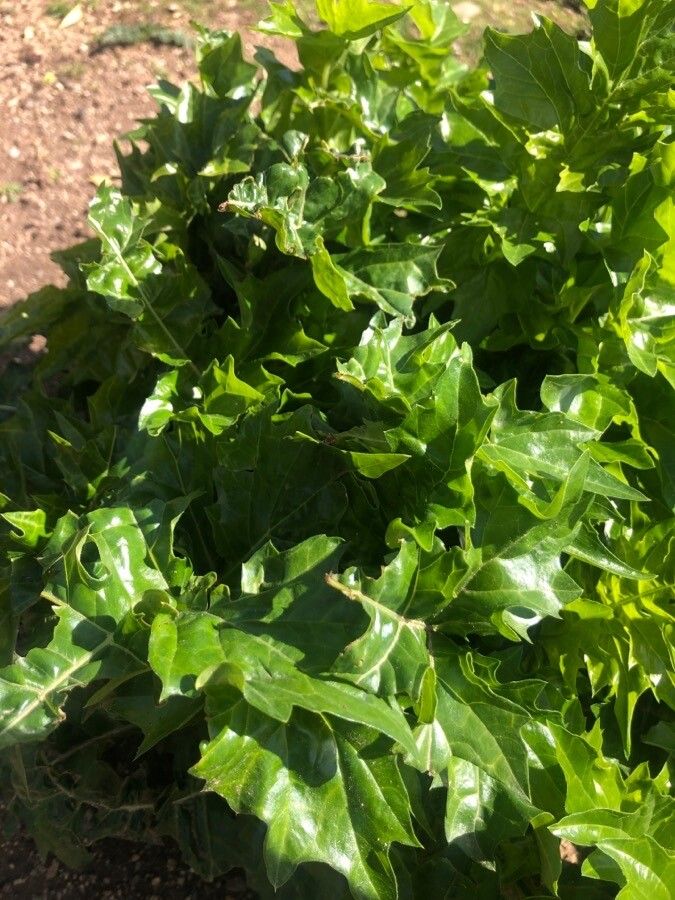
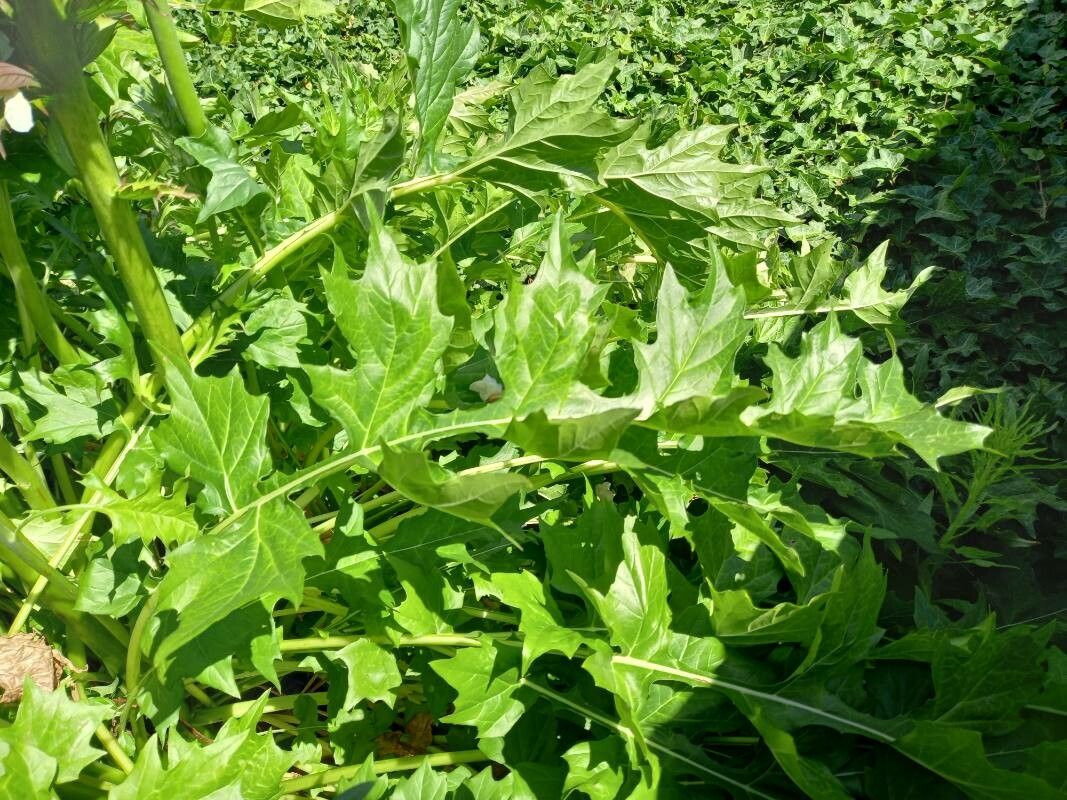
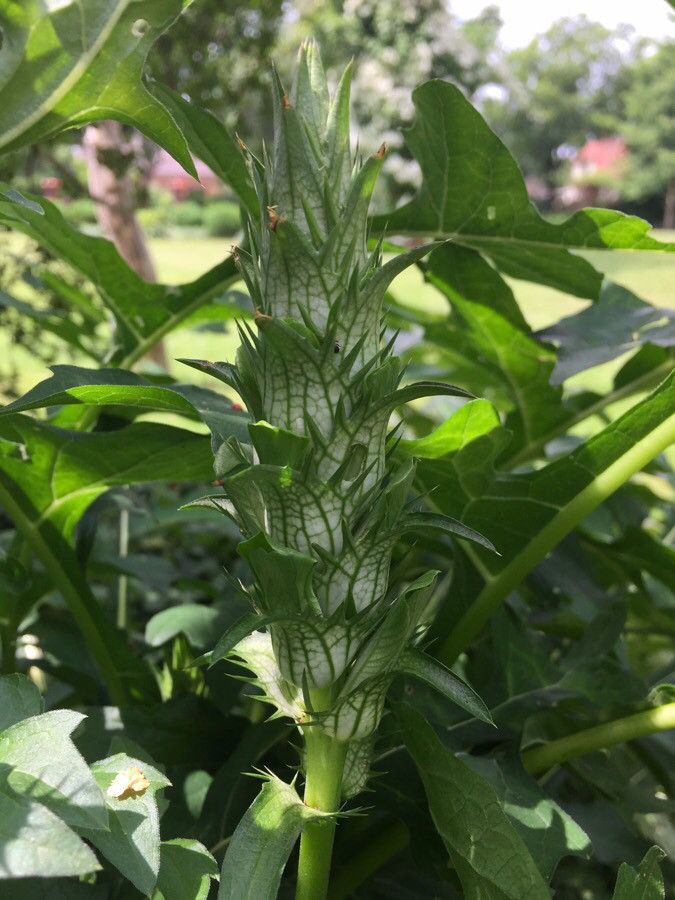
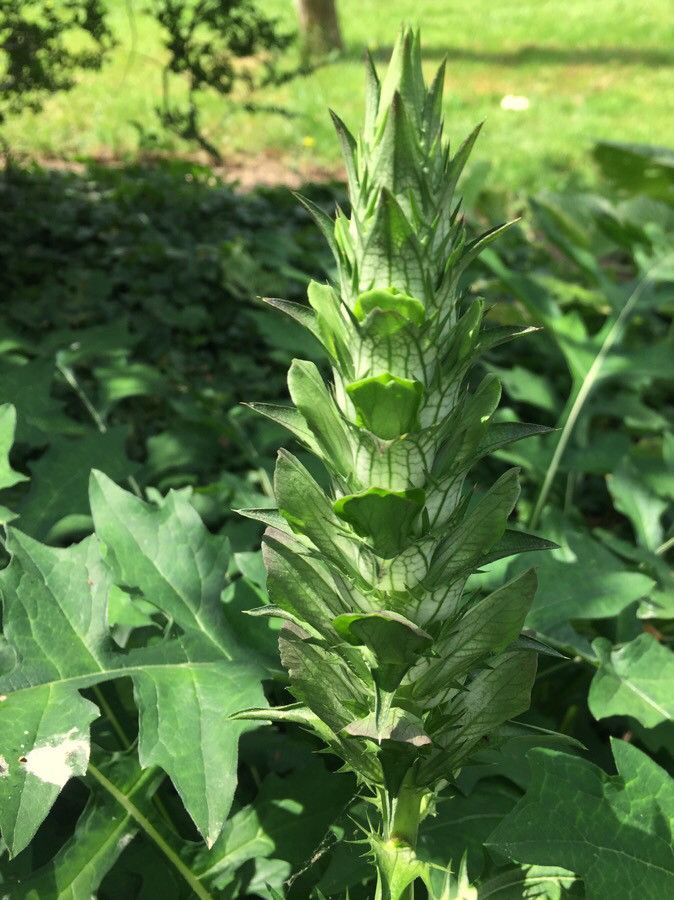
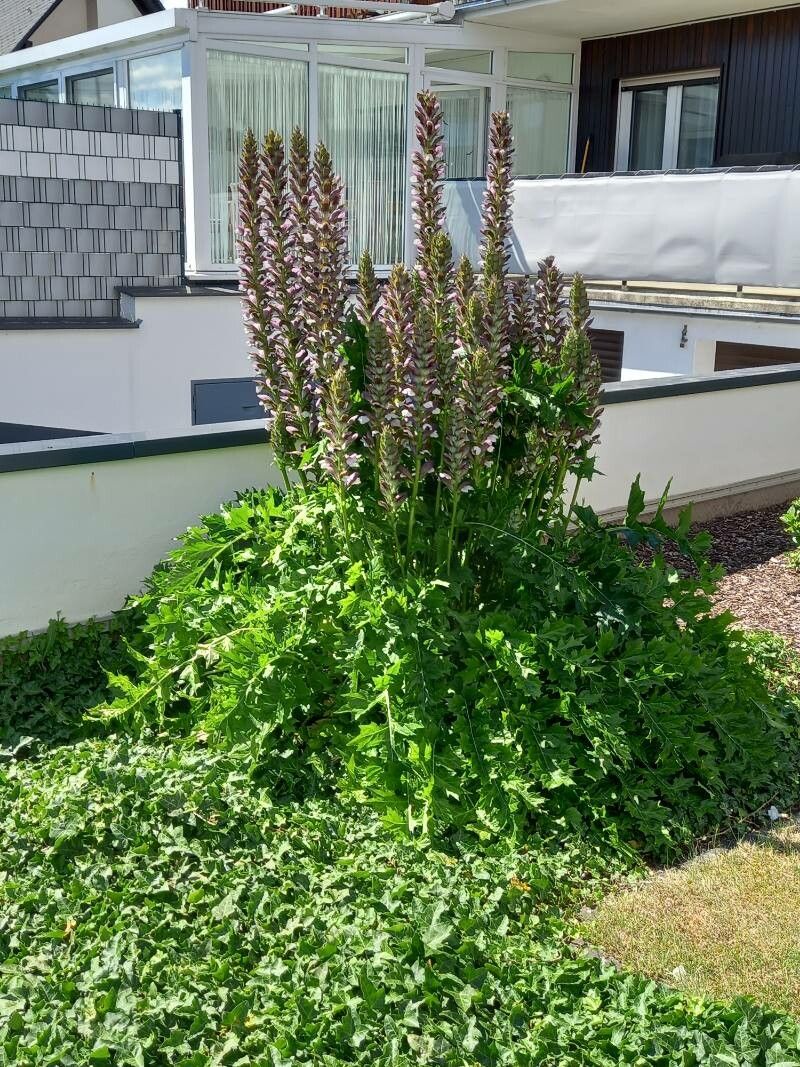
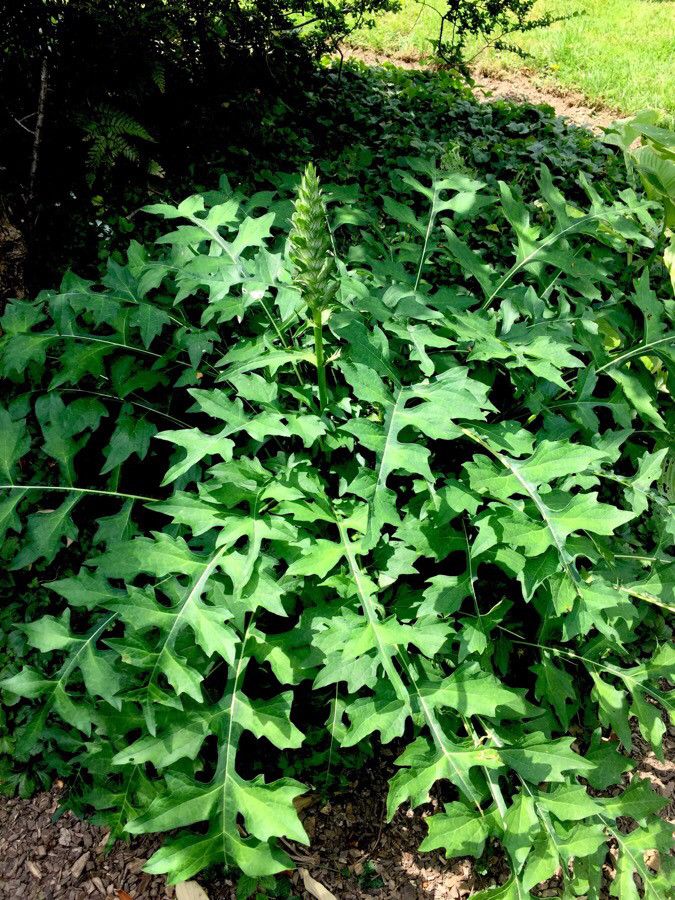
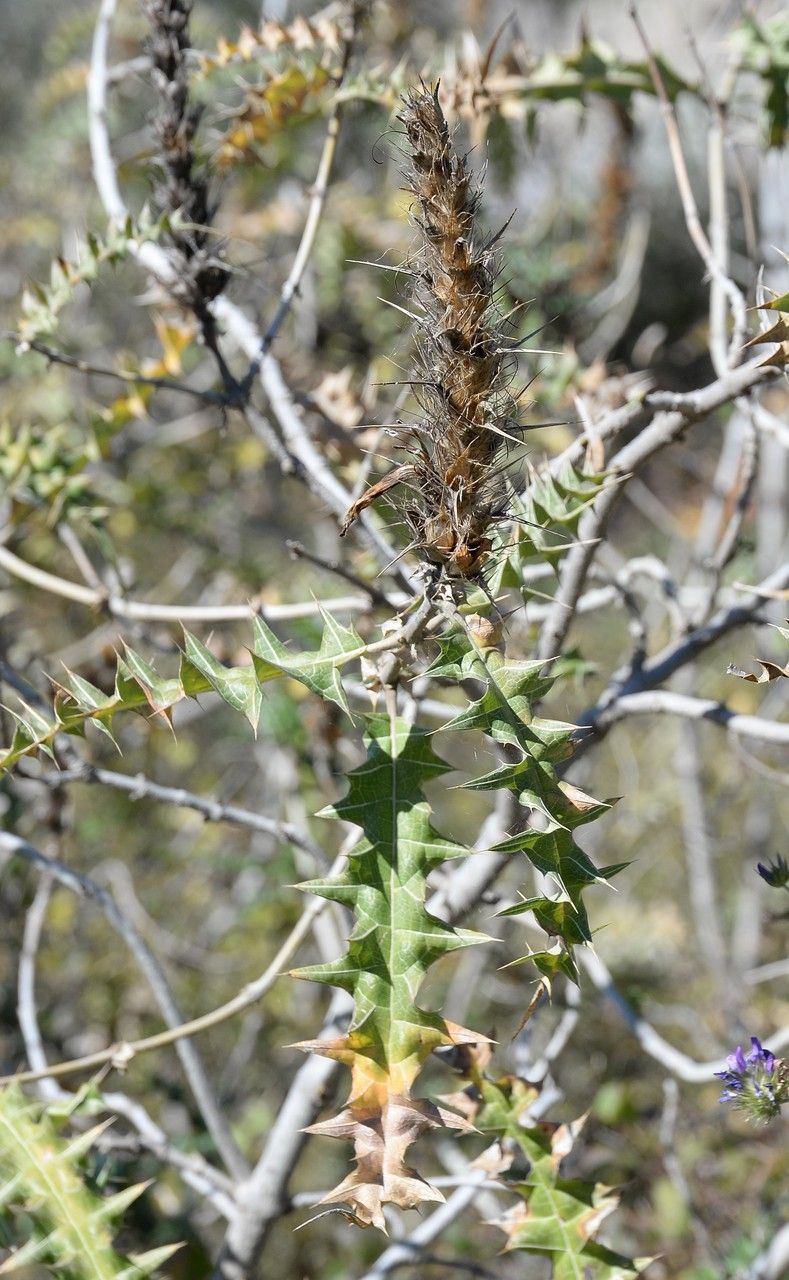
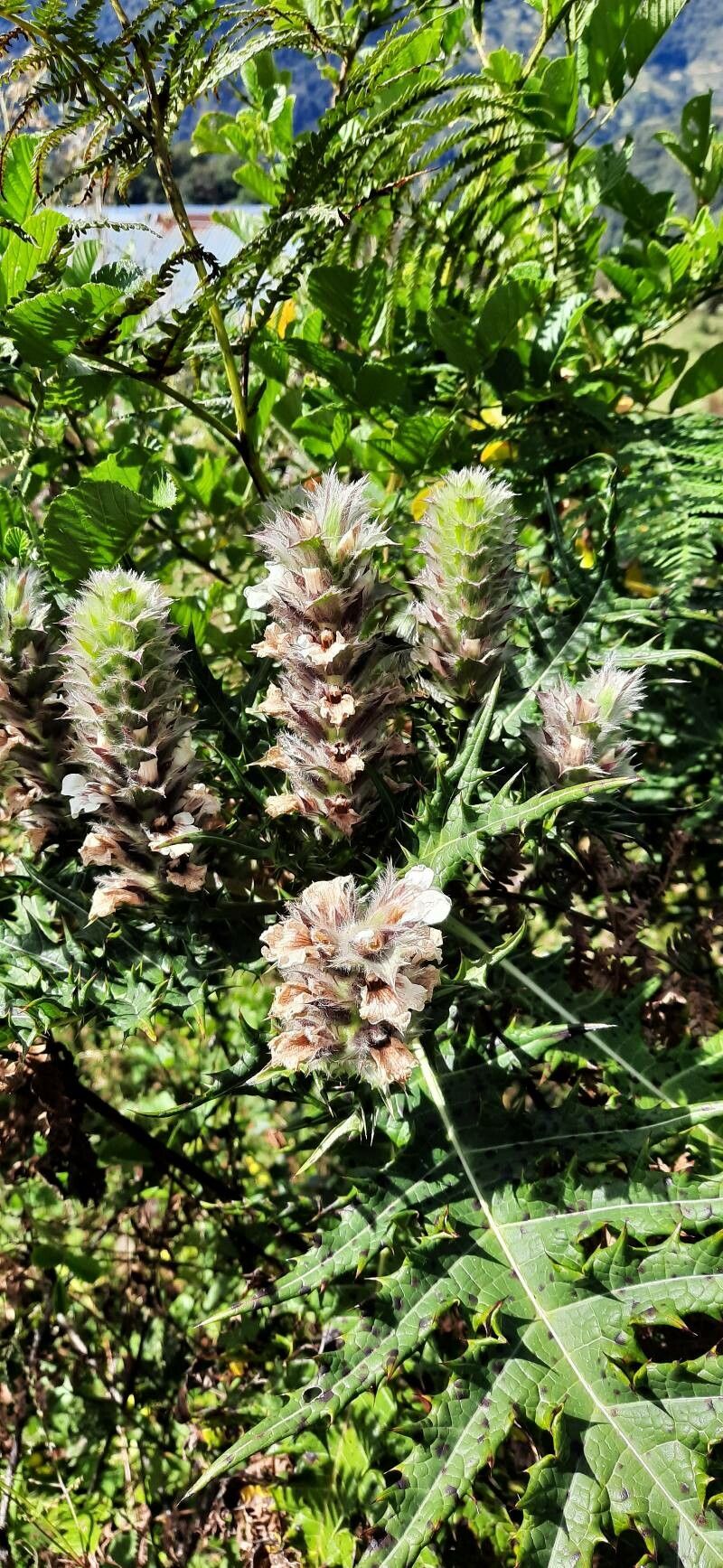
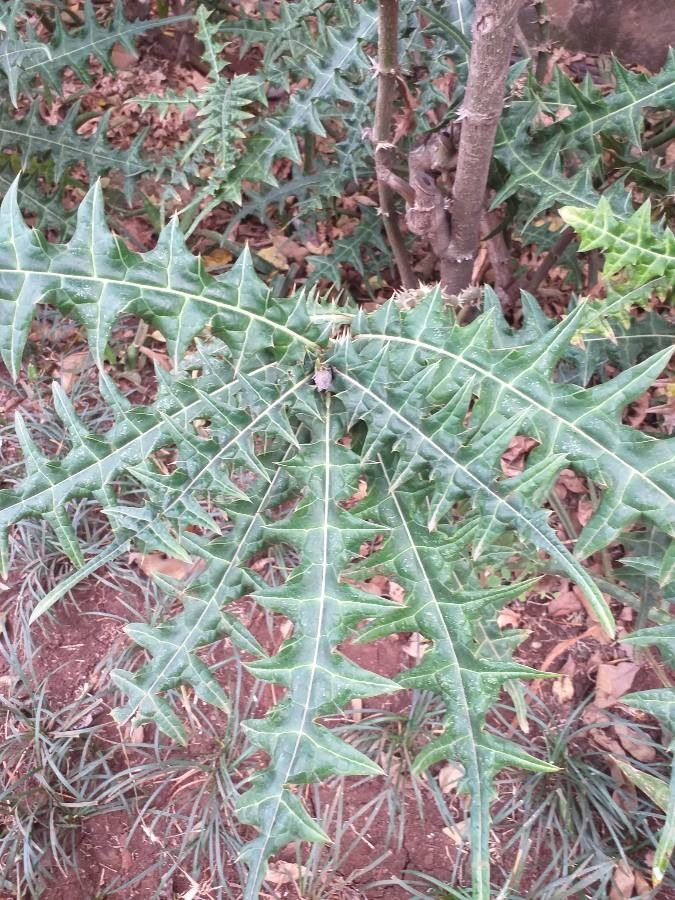
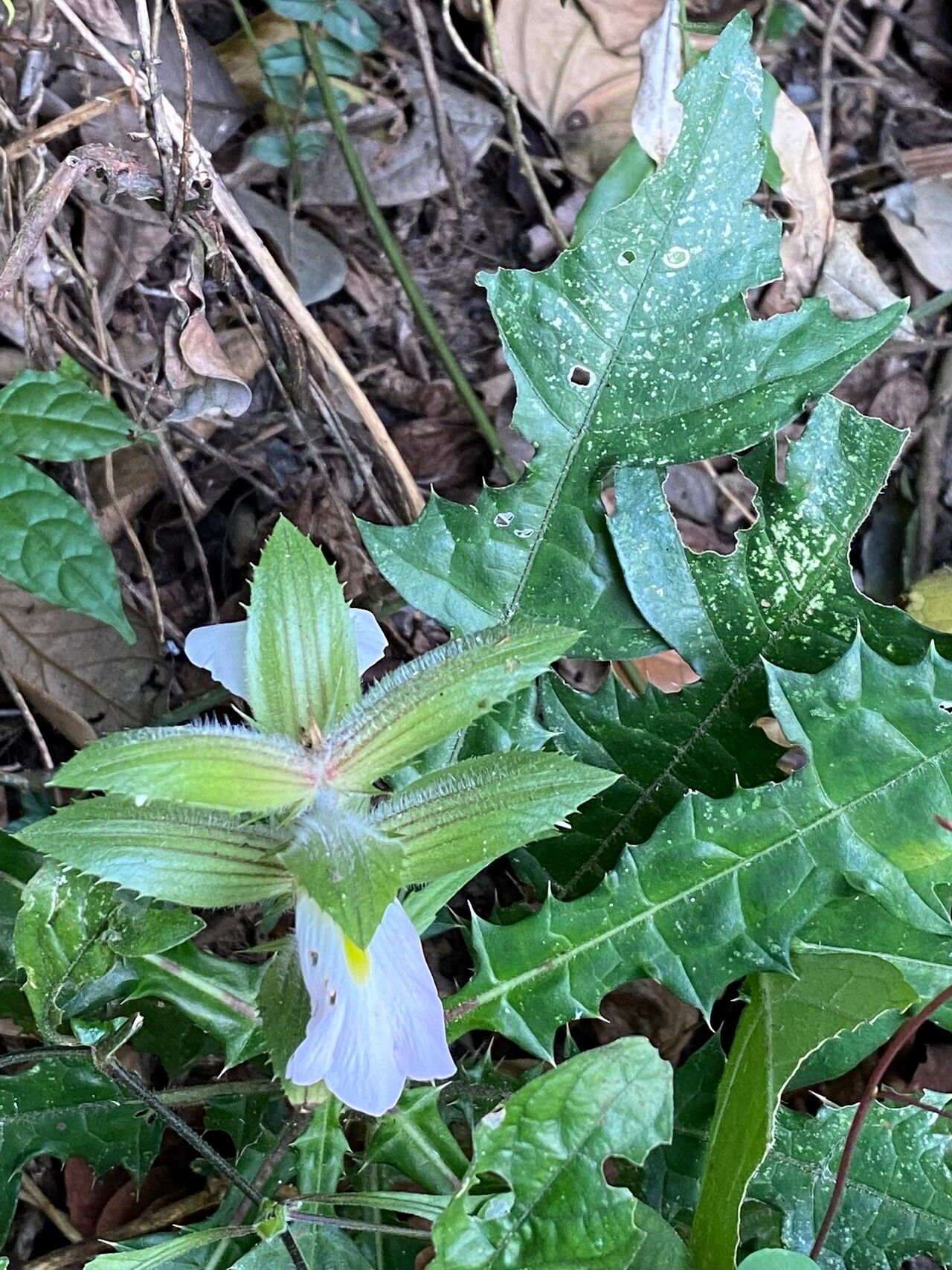
Acanthus hungaricus, is a herbaceous perennial plant in the genus Acanthus, native to the Balkan peninsula, including Albania, Bulgaria, Greece, Romania, European Turkey, and the former Yugoslavia. This plant is also cultivated in many European and American gardens.
Bear's Breech has good disease resistance and typically does not suffer from illnesses. However, it can be affected by pests and diseases present in its environment. These infections are generally mild. In terms of care, the plant requires moderate upkeep. It should be pruned regularly to preserve a good appearance and support healthy growth. Fertilizing can also help encourage flowering. Bear's Breech is well suited to anyone with an outdoor area, such as a garden or patio, and does not demand extensive care experience. It may need more attention when grown indoors.
How to keep Acanthus Hungaricus.
Light
Bear's Breech is native to habitats such as forest understories or rocky areas, where it grows in natural shade. It prefers partial sun but can tolerate full sun or full shade, showing its versatile, hardy nature.
Water
Bear's Breech flourishes in rocky, scrub-like areas where it doesn't receive much water. It only needs to be watered once every one to two weeks and benefits from occasional deep watering, especially in Mediterranean climates. Its ability to tolerate drought and store water makes it perfect for xeriscaping.
Temperature
Bear's Breech can tolerate a broad range of temperatures, but its distribution may still be constrained by certain combinations of moisture and heat. It performs best in warm summer conditions with sufficient rainfall or watering. Extended periods of cloudy, rainy weather, as well as prolonged high temperatures, can raise the chance of Bear's Breech dying. In winter, protecting it from cold can increase the plant's survival rate.
Fertilizer
The best time to fertilize a Bear's Breech is in early spring, as it comes out of dormancy and starts active growth. Fertilizing supplies essential nutrients for healthy development. Although Bear's Breech has fairly low fertilizer requirements, applying fertilizer annually can improve its survival and encourage better, longer-lasting flowers.
Pruning
In order to prune bear's breech effectively, you should do so from early to late spring. Begin by removing dead leaves and trimming spent flowers to keep the plant tidy. This practice improves air circulation and lowers the risk of disease. Make sure to align your pruning efforts with the plant's growth cycle to encourage vigorous growth. Additionally, adjust the length of your pruning based on the local climate conditions.
Botanical profile.
- Plant Type
- Herb
- Life Cycle
- Perennial
- Genus
- Acanthus
- Family
- Acanthaceae
- Hardiness Zone
- 5-9
- Mature Height
- 0.91 m to 1.22 m
- Mature Spread
- 91 cm
- Leaf Color
- Dark Green
- Leaf Type
- Deciduous
- Flower Color
- White
- Flower Size
- 3.05 cm to 5.08 cm
- Bloom Time
- Early summer, Mid summer
- Planting Time
- Spring, Summer, Autumn
- Harvest Time
- Late summer, Early fall
- Native Area
- Russia, Hungary, Romania, Montenegro, Bulgaria, Albania, Greece, Croatia, Slovenia, Serbia
Other names.