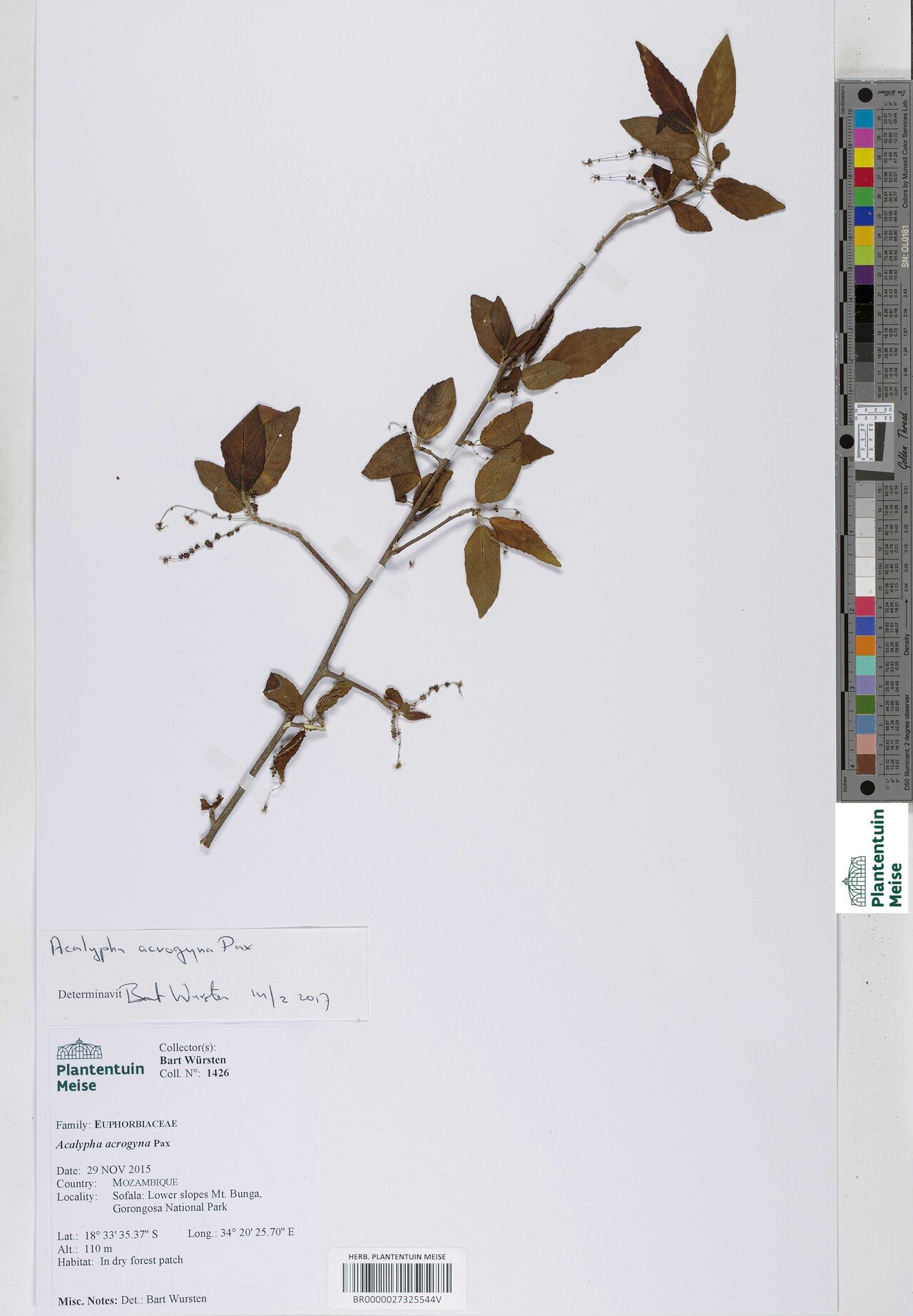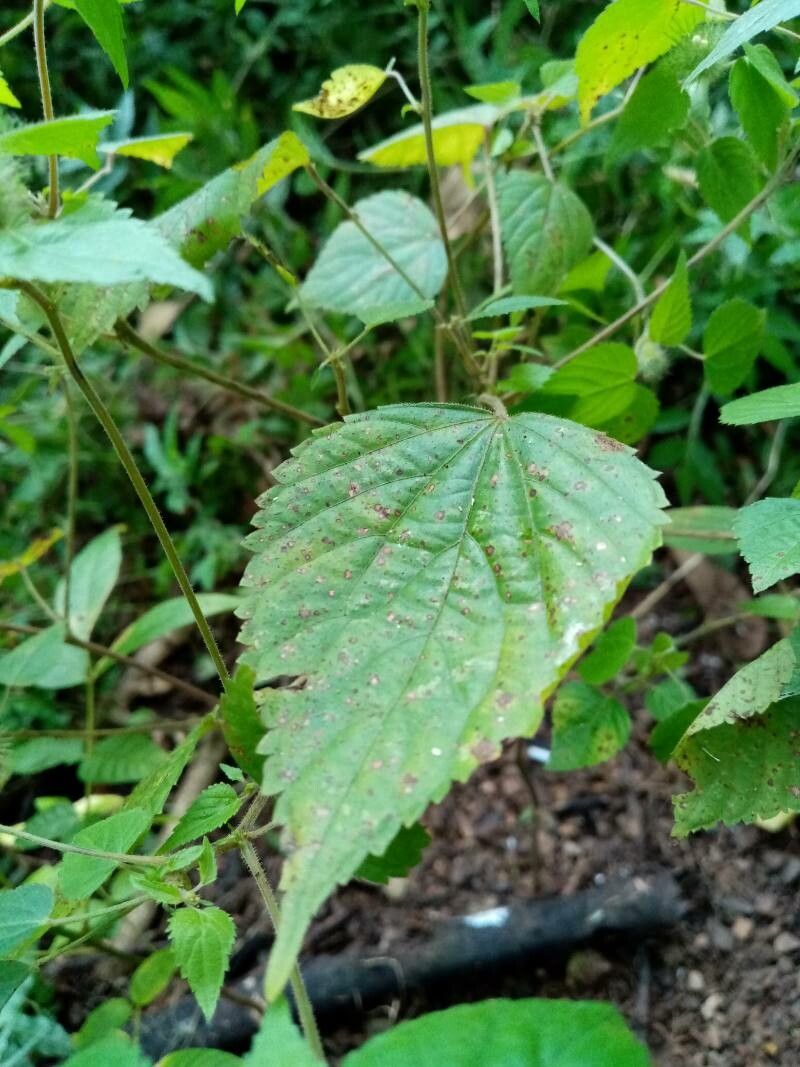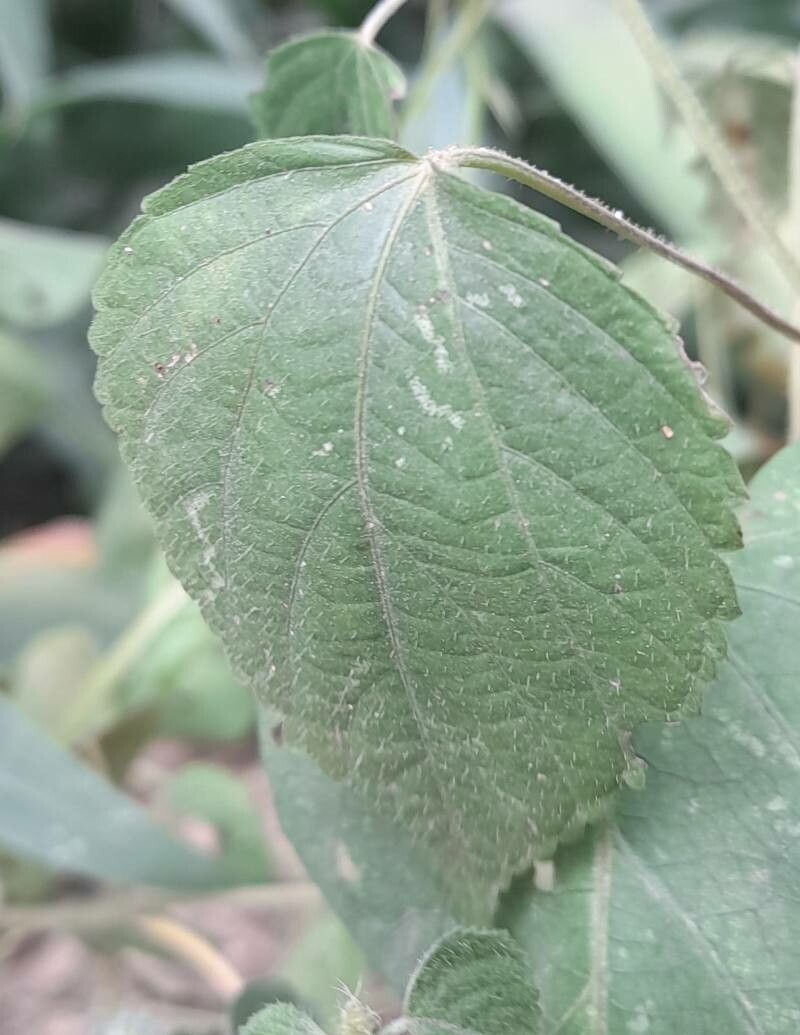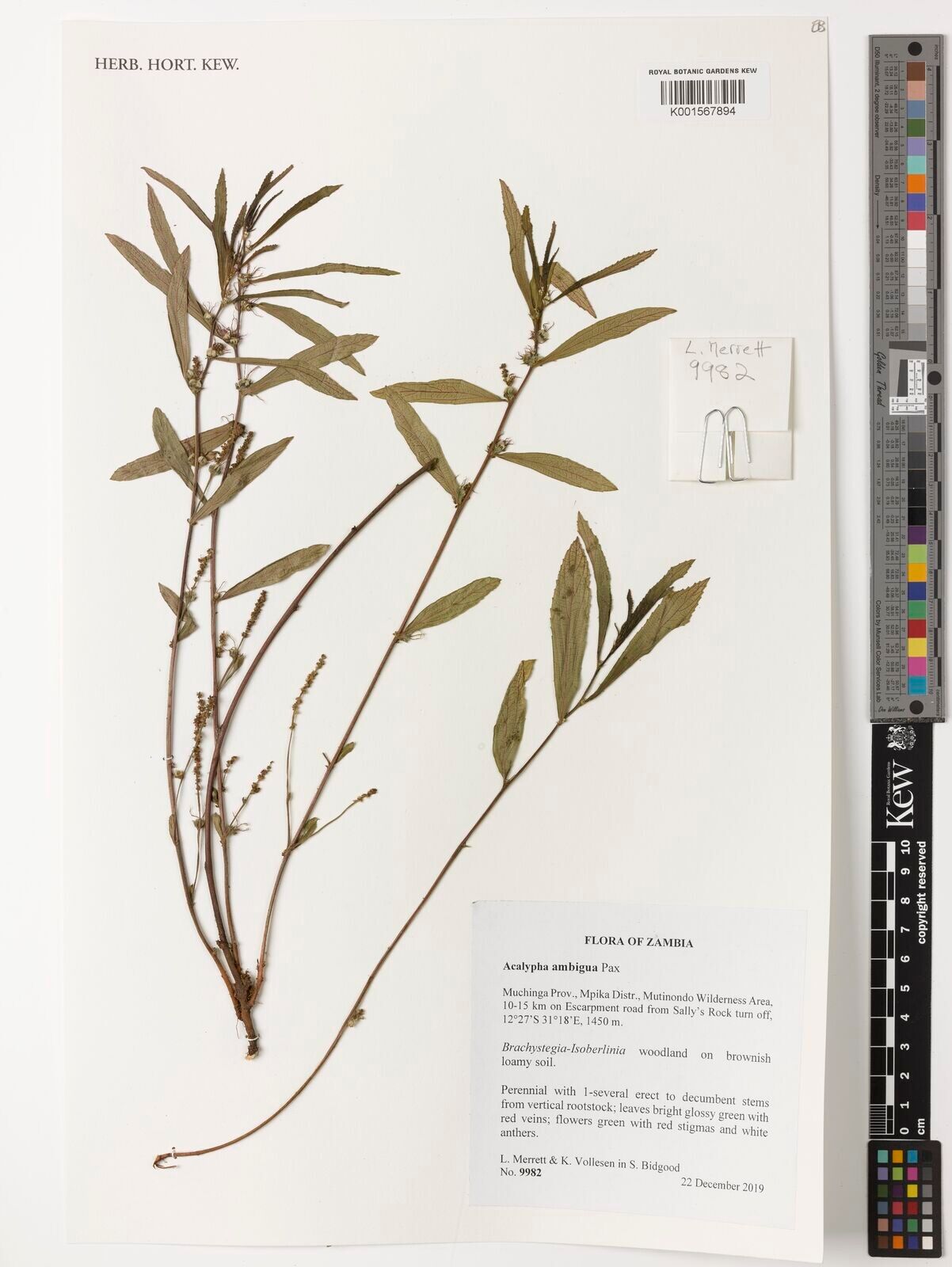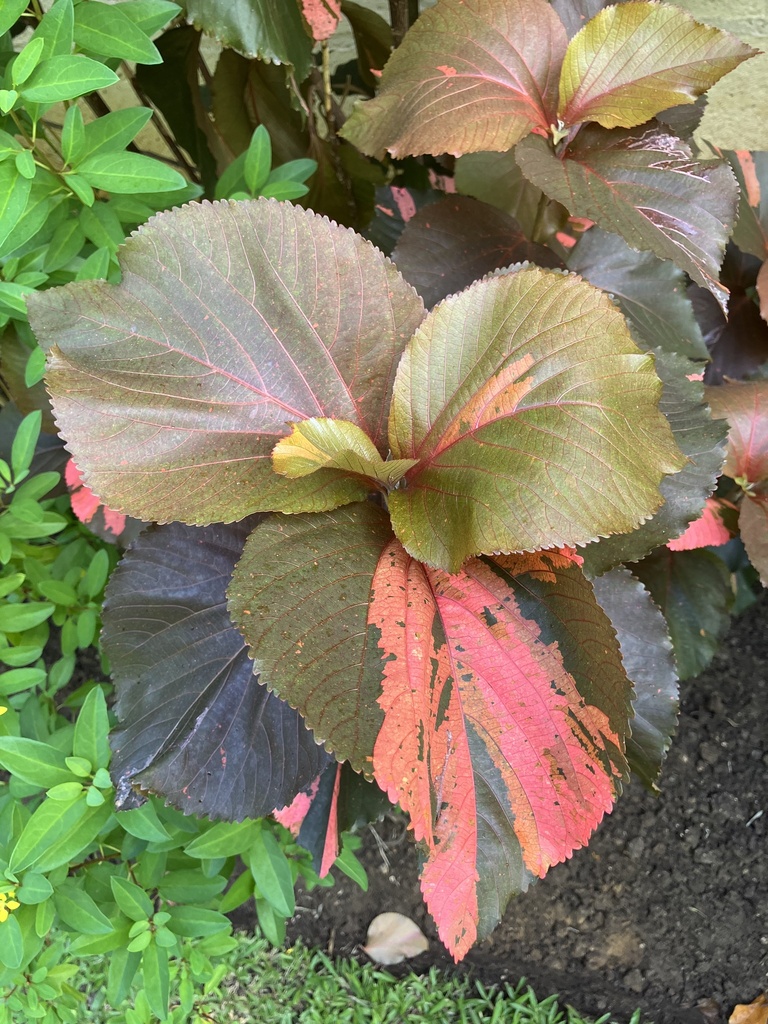
Acalypha wilkesiana, commonly known as the copperleaf plant, is a tropical shrub belonging to the family Euphorbiaceae. Native to the Pacific Islands and Southeast Asia, it has been widely cultivated around the world due to its attractive foliage and ease of care. The plant can grow up to 6 feet tall and features large, colorful leaves that range in shades of green, red, pink, yellow, or bronze.
The copperleaf plant prefers warm temperatures and high humidity but is adaptable to a variety of growing conditions. It thrives in well-draining soil with regular watering but can also endure periods of drought. The plant produces small flowers that are not particularly showy.
Acalypha wilkesiana is often used as an ornamental shrub or hedge due to its striking foliage. It also makes an excellent indoor houseplant when provided with bright light and sufficient humidity.
Acalypha wilkesiana is said to possess antifungal properties and has traditionally been used to treat fungal infections. Research indicates that compounds within Acalypha wilkesiana exhibit activity against both fungi and bacteria. Nonetheless, more studies are required to fully assess the therapeutic potential of this plant, commonly known as copperleaf. FUN FACT · FROM THE LIBRARY
Traditionally, the leaves of Acalypha wilkesiana have been used for their anti-inflammatory properties by healers. However, caution is advised when using this plant for medicinal purposes, as it contains toxic compounds that may cause skin irritation or other adverse effects if ingested.
Overall, Acalypha wilkesiana is a beautiful tropical shrub with colorful foliage that adds vibrancy and interest whether planted indoors or outdoors.
Copperleaf is a plant known for its long, tail-like, rust-red flower spikes. This unique coloration is why it is named "copperleaf."
Copperleaf has strong resistance to disease and is usually not susceptible to illnesses. In terms of care, this plant is fairly low-maintenance. When grown outdoors it needs only minimal watering, and larger specimens typically do not require pruning. Smaller plants, however, should be trimmed after they have bloomed. Copperleaft is suitable for anyone with an outdoor area, such as a garden or deck, and does not demand much gardening experience.
How to keep Acalypha Wilkesiana.
Light
Copperleaf flourishes in regions where sunlight is observed all day, however, it can also adjust to spots with restricted sunlight. A surrounding that mimics its native habitat with plentiful sunlight enhances its vigorous growth. Nevertheless, disproportionate exposure to light can impede its health.
Water
Copperleaf, a plant native to Fiji, thrives in tropical environments with consistent moisture and can tolerate moderate drought. To keep the soil evenly moist, water the plant every 1-2 weeks. Regular misting is also beneficial, as it helps replicate the humidity of its natural habitat and enhances its vibrant evergreen foliage when grown indoors.
Temperature
The copperleaf originates from tropical areas and flourishes in temperatures between 20 and 41 ℃ (68 to 106 ℉). It thrives best in a steady warm climate and may have a difficult time under cooler temperature conditions. In the cold season, it may require to adapt the temperature by enhancing the heat indoors or relocating it to a hotter spot.
Fertilizer
Taking care of Copperleaf necessitates regular fertilization. Consistent feeding throughout the growth phase aids in maintaining energy for vibrant leaves and facilitates general development. Ignoring the process of fertilization can lead to unhealthy leaves, reduced aesthetic appeal, and frail or stunted progress that is susceptible to damage.
Pruning
Copperleaf is an ornamental plant known for its vibrant foliage. To promote healthy regrowth and reduce stress, prune it during its dormant phase, which occurs from early to late winter. Use clean, sharp tools to remove dead stems and shape the plant. This will improve airflow and sunlight exposure while helping to prevent infections.
Pot & Repot
When transferring Copperleaf to a new pot, select one that is 1-2 inches (2.5-5 cm) larger and has sufficient drainage. Utilize soil with good drainage properties. The best times to repot are either in spring or autumn, making certain that the plant root ball sits slightly under the edge of the flower pot. After the repotting is done, water the plant generously and situate it in a warm location where it gets indirect sunlight.
Botanical profile.
- Plant Type
- Shrub
- Life Cycle
- Perennial
- Genus
- Acalypha
- Family
- Euphorbiaceae
- Hardiness Zone
- 10-13
- Mature Height
- 0.61 m to 4.88 m
- Mature Spread
- 1.83 m to 3.05 m
- Leaf Color
- Green, Yellow, White, Red, Variegated, Purple, Bronze
- Leaf Type
- Evergreen
- Flower Color
- Red, Pink
- Flower Size
- 2.54 cm
- Bloom Time
- All year round
- Planting Time
- Spring, Autumn
- Harvest Time
- All year round
- Native Area
- Asia
Other names.
Reader questions.
How should I water my Copperleaf plant?
Your Copperleaf plant doesn't have specific requirements for how you water it. You can use any common watering tool such as watering cans, hoses, or even cups. Regardless of the tool, it's best to water directly into the soil and ensure equal moisture distribution to reach all parts of the root system. If possible, using filtered water is better as tap water might contain harmful particles. It's also good to use water at or slightly above room temperature, as extremely cold or hot water can shock the plant. However, the Copperleaf typically responds well to any kind of water you give it.
Why should I put fertilizer on my Copperleaf plant?
Copperleaf plants require regular fertilization because their showy leaves demand a significant amount of energy to develop and sustain. The challenge lies in ensuring that the plant has enough energy not only to maintain its leaves but also to support the growth of its stems, branches, roots, and other essential structures. If you neglect fertilization, two likely outcomes will occur. Firstly, the leaves of your Copperleaf will lose their natural color and texture, resulting in an overall unhealthy appearance, greatly diminishing its ornamental appeal. Secondly, the plant's overall growth will slow down, and it may produce weak growth that is susceptible to breakage.
What are the sunlight requirements for Copperleaf plants?
Copperleaf plants require full sun, which means they thrive in areas that receive more than 6 hours of sunlight per day. They can also adapt to partial sun, receiving about 3-6 hours of sunlight. It's essential to observe how sunlight moves through your garden to find the perfect spots that offer a balance of light and shade, ensuring the plants' well-being.
What is the native climate of the Copperleaf?
The Copperleaf, also known as Acalypha wilkesiana, is native to tropical regions and prefers warm temperatures. It thrives best in temperatures ranging from 20 to 41 °C (68 to 106 °F). The plant loves consistently warm environments and can struggle in cooler temperatures. It's extremely heat-loving, and exposure to cold can harm it. Therefore, it's advised to protect the plant from cold by increasing indoor heating or moving it to a warmer location during the winter months. Additionally, during autumn, if grown outdoors, bringing the Copperleaf indoors near a bright window, while maintaining a distance from direct heat sources, is beneficial. It's important to keep the temperatures above a certain minimum during winter to support its growth, as temperatures nearing the lower tolerance limit can be detrimental.
What should I do if I give my Copperleaf plant too much or too little water?
Outdoor plants, especially newly planted ones or seedlings, are prone to lack of watering. It's important to keep watering them enough for the first few months, as they rely on rainfall once their roots are established. When Copperleaf is planted in pots, overwatering is more likely. If you accidentally overwater your Copperleaf, stop watering it immediately to minimize the effect. Check the roots for root rot and trim any affected roots. Apply a fungicide if necessary. Repot the Copperleaf in well-draining soil. If your Copperleaf is underwatered, simply water it more frequently. Underwatering is easily fixed as the leaves will droop, dry out, and fall off, but will return to fullness after sufficient watering. Adjust your watering frequency when you notice underwatering.
When should I fertilize my Copperleaf?
To ensure the health of your Copperleaf plant, occasional feedings are necessary, eliminating the need for a strict feeding schedule. An easy method of fertilizing is to apply the fertilizer while watering the plant. Additionally, the Copperleaf plant requires adequate watering throughout the growing season. It is recommended to feed the plant every two to three weeks, consistently, during periods of new growth.
How does sunlight affect Copperleaf's growth?
Sunlight is crucial for Copperleaf's growth, as it flourishes in environments with abundant sunlight throughout the day but can adapt to limited sun exposure. The right amount of sunlight, similar to its natural habitat, promotes healthy growth. However, unbalanced light exposure can negatively impact its well-being. Indoor plants, particularly, may require artificial lighting to mimic natural sunlight conditions, especially in spaces with insufficient sunlight or during winter.
How should you care for a Copperleaf during low temperatures?
Copperleaf plants are not tolerant of low temperatures and thrive best when the temperature is consistently warm. If the temperature falls below their growth limit, the leaves may turn lighter in color, and after frost damage, they may turn brown or black, with symptoms such as wilting and drooping becoming evident. To care for a Copperleaf during low temperatures, you should trim off the frost-damaged parts of the plant and immediately move it to a warmer indoor environment for protection against the cold. Placing the plant near a south-facing window ensures it receives ample sunlight while avoiding the placement near heaters or air conditioning vents to prevent excessive dryness in the air. Keeping the plant above a tolerable minimum temperature during winter is critical for preventing damage.
How frequently should I water my Copperleaf plant?
Here are some tips for watering your plants: - Most outdoor plants can thrive with just rainfall. However, if your area lacks rainfall, you should water your plants every 2 weeks during the spring and fall. In the summer, you will need to water more frequently. During the winter, when growth slows down and plants need less water, you can water them less often or not at all. - If you have a young or newly planted Copperleaf, you should water it more often to help it establish and grow. This will help it become more adaptable and drought tolerant as it matures. - When it comes to potted plants like Copperleaf, there are two main ways to determine how often to water them. One way is to set a predetermined watering schedule, such as once every week or once every other week. However, this may not always be effective as it doesn't take into account the specific conditions of the growing environment for your Copperleaf. - Another approach is to base your watering frequency on the moisture of the soil. It's generally best to wait until the top two to four inches of soil, which is about ⅓ to ½ the depth of the pots, have dried out completely before watering again. This method allows you to adjust the frequency depending on the season, as the water needs of the plant will be highest during the summer.
When is the best time to not add fertilizer to my Copperleaf plant?
In most of the year, you can fertilize your Copperleaf regularly. This is true for the spring, summer, and early fall when the plant is actively growing. However, during the winter, you should not use any fertilizer on the Copperleaf. During this time, the plant will be in a dormant phase with little to no new growth. Because of this lack of active growth, the plant will be using less energy, which is why it doesn't need fertilizer during the winter.
What are the artificial lighting requirements for Copperleaf?
For optimal growth, indoor Copperleaf plants might need artificial lighting when natural sunlight is insufficient. LED lights are recommended because they can provide specific wavelengths needed by the plants. The requirements vary: full sun plants need 30-50W/sq ft, partial sun plants need 20-30W/sq ft, and full shade plants need 10-20W/sq ft. The light source should be placed 12-36 inches above the plant to mimic natural sunlight, and the lighting should last for 8-12 hours per day.
What steps should be taken if a Copperleaf experiences high temperatures?
During the summer, it's essential to ensure that the Copperleaf is kept below its maximum suitable growth temperature. If the temperature exceeds this limit, the leaves can become lighter in color, indicating the plant is more susceptible to sunburn. To protect and care for a Copperleaf experiencing high temperatures, you should trim away sunburned and dried-up parts of the plant. Moving the plant to a location that provides shade during the midday and afternoon sun will help mitigate further damage. Furthermore, watering the plant in the morning and evening can help keep the soil appropriately moist, preventing stress from heat and preventing sunburn.