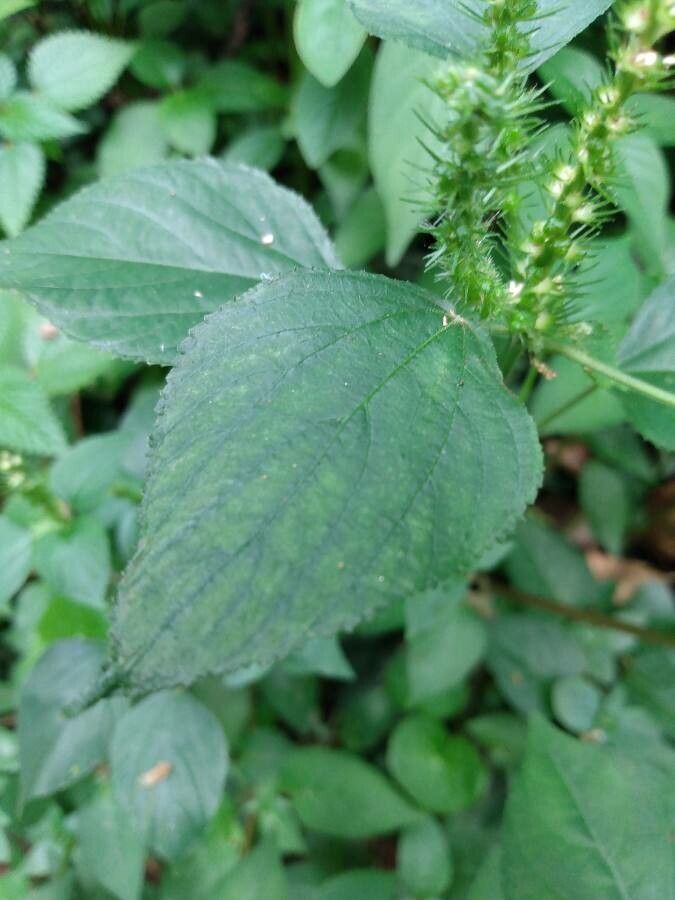
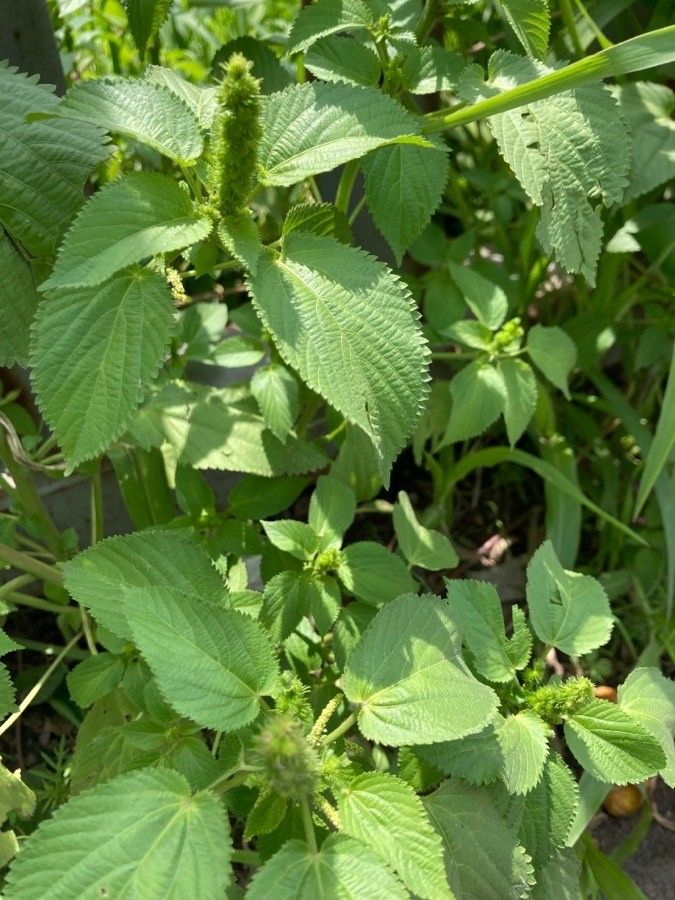
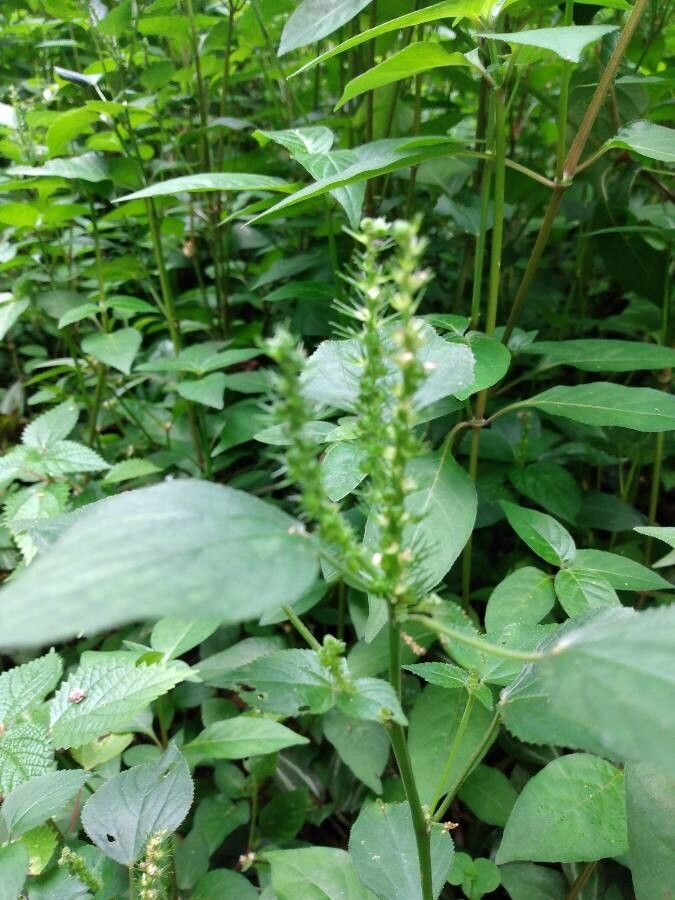
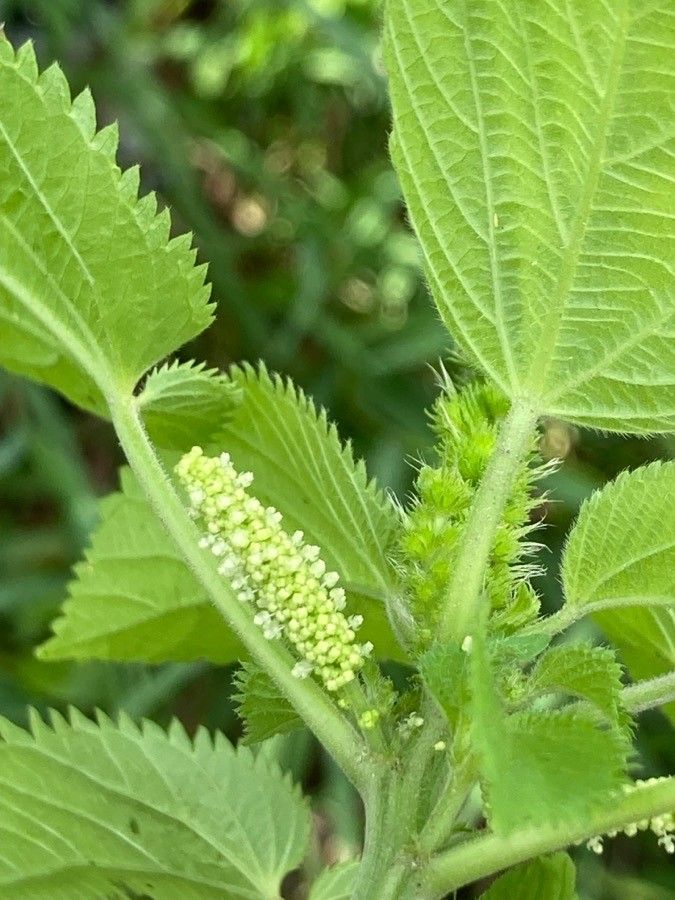
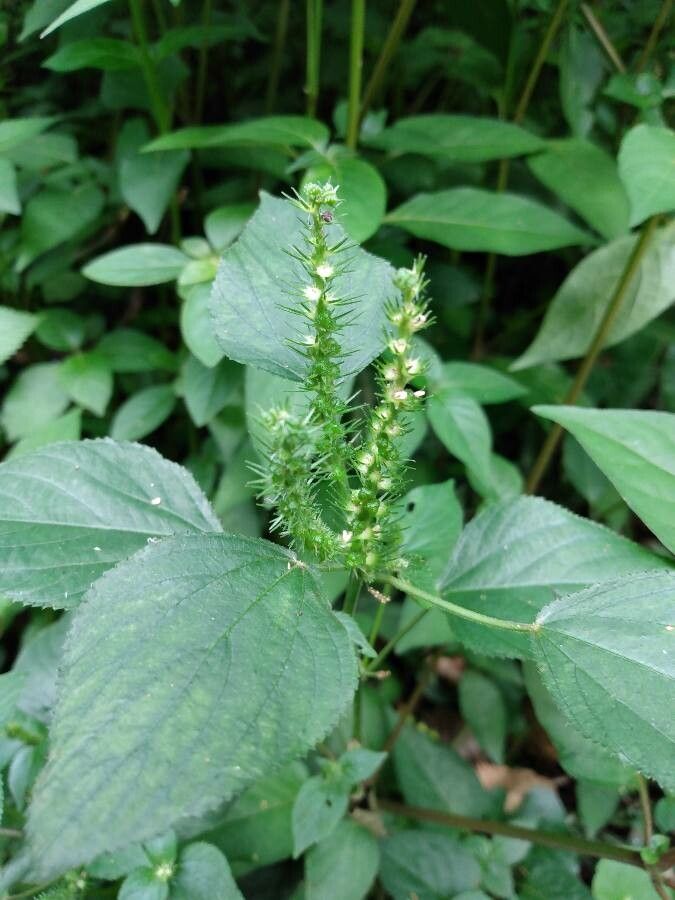
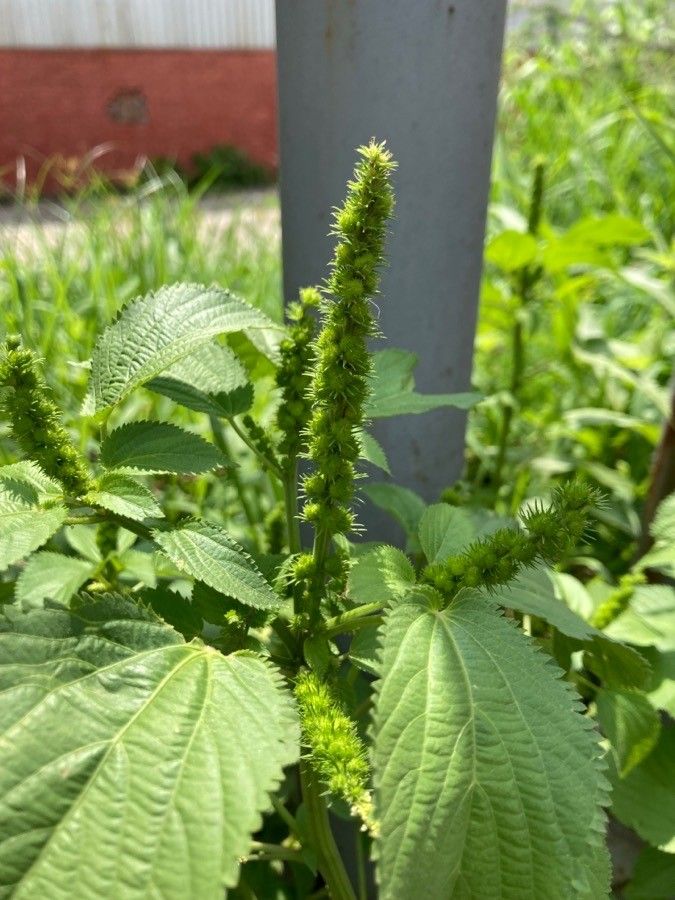
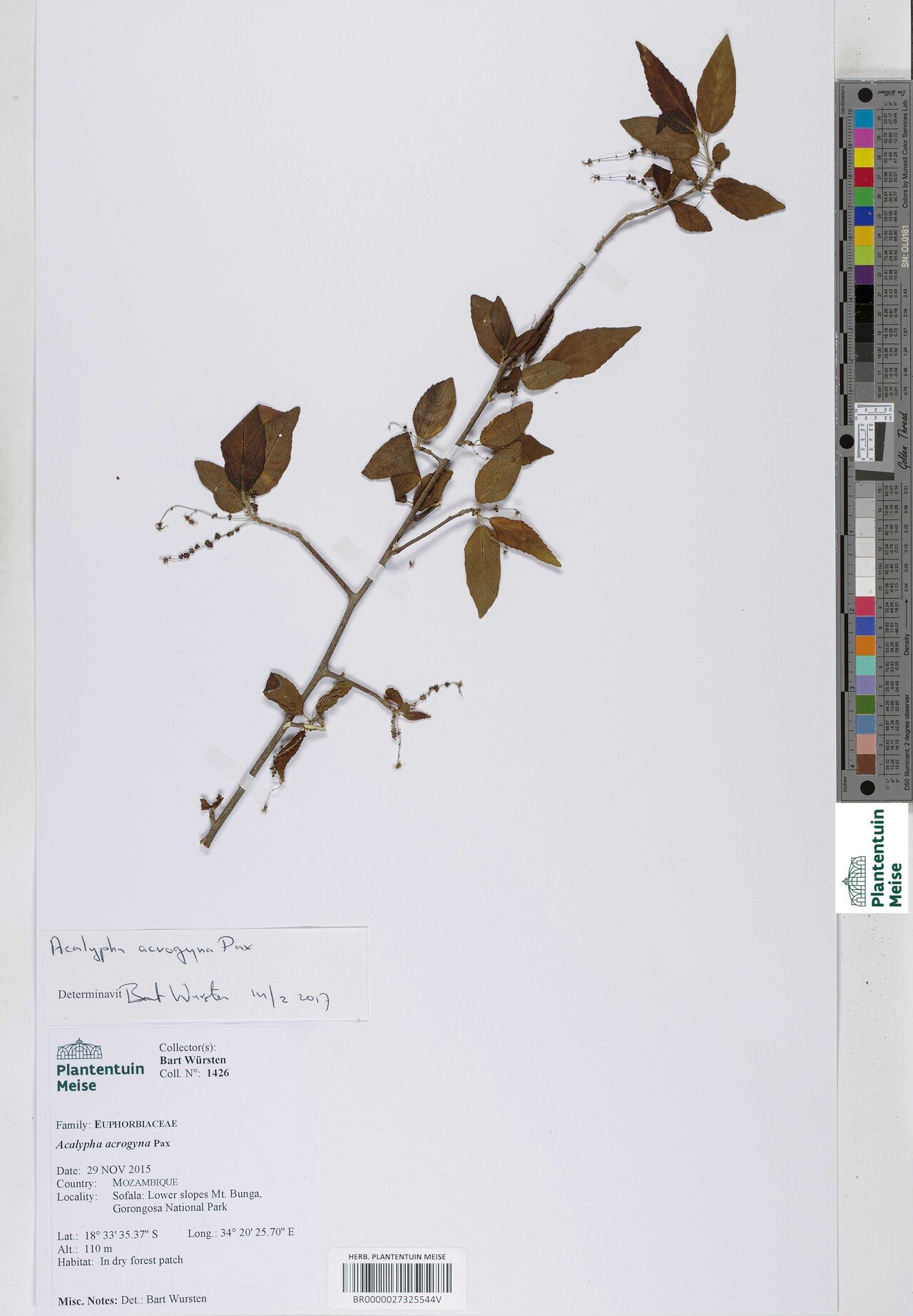
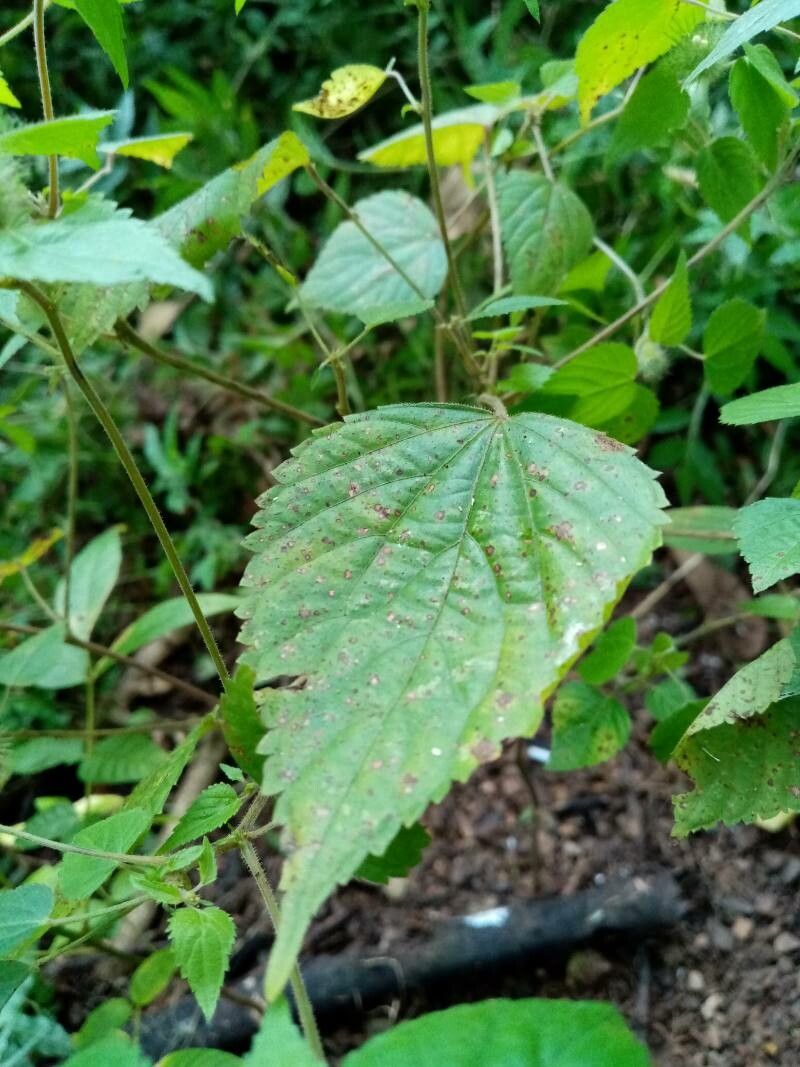
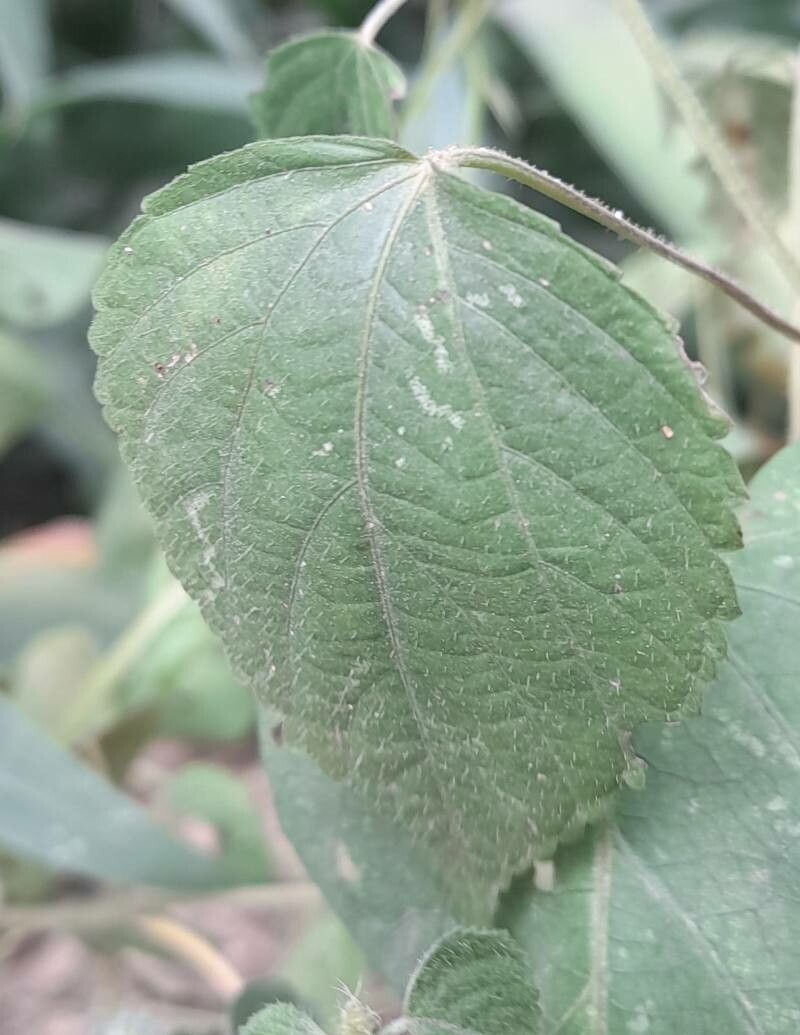
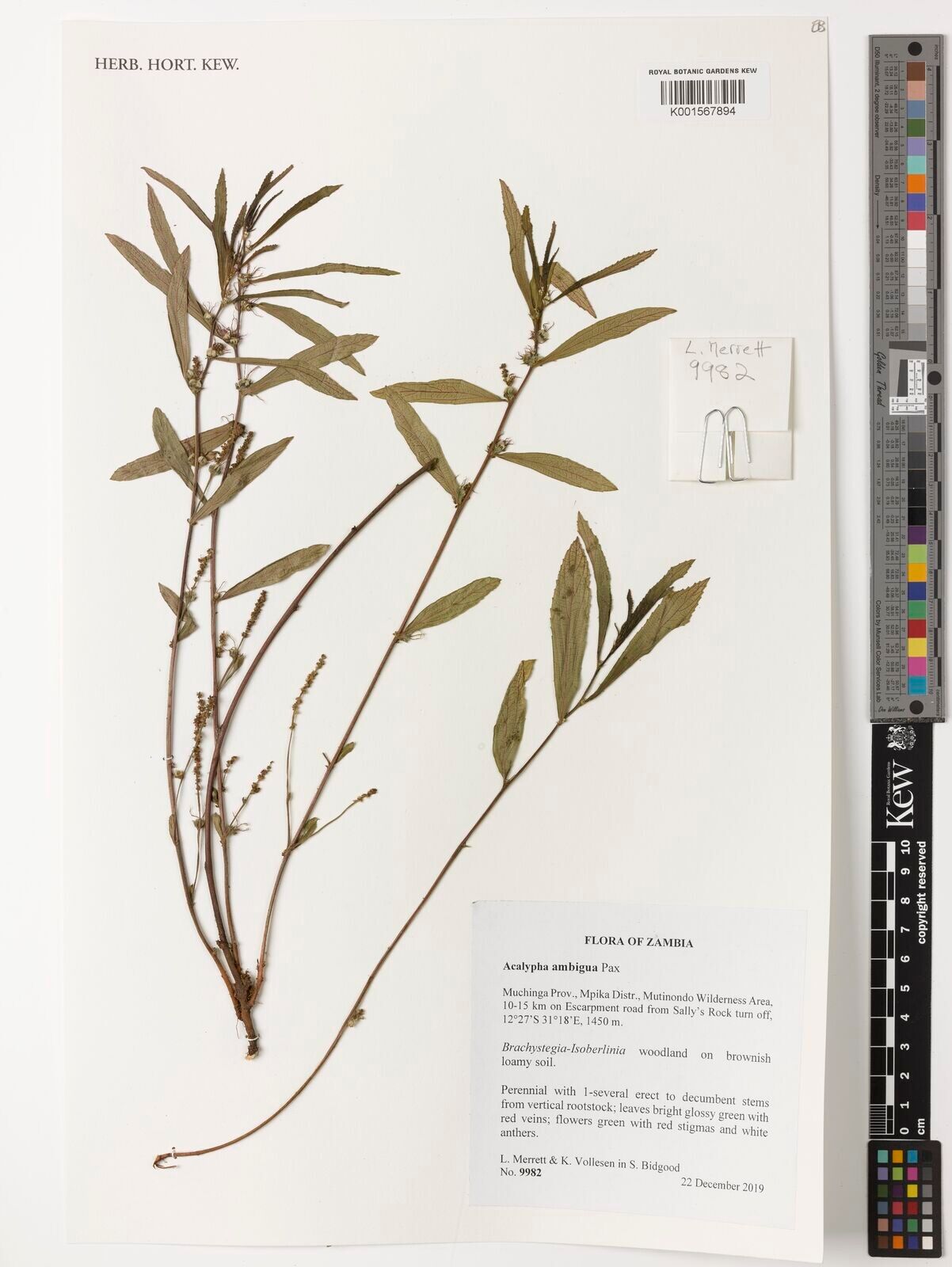
Hornbeam copperleaf is fairly disease-resistant and generally not prone to problems. However, it can be affected by pests and diseases present in its environment, and these infections are usually not severe. In terms of care, the plant requires moderate maintenance. It should be pruned regularly to preserve a good appearance and healthy growth, and fertilizing can help encourage flowering. Hornbeam copperleaf is suitable for anyone with an outdoor area, such as a garden or patio, and does not demand extensive experience in plant care. It may need more attention when kept indoors.
How to keep Acalypha Setosa.
Light
The hornbeam copperleaf thrives when it receives plentiful sunlight throughout the day, yet is sturdy enough to tolerate areas where rays are not continuously present. Originating from sunny regions, the plant can still maintain healthy growth in spots with less light. Excessive light can cause harm, while too little lighting may lead to poor growth.
Temperature
Hornbeam copperleaf is native to climates with temperatures ranging from 68 to 100 °F (20 to 38 ℃). Comfortable in that range, it may need careful adjustments, such as providing shade or extra moisture on hotter days.
Fertilizer
Hornbeam copperleaf benefits from regular, light applications of fertilizer to encourage healthy leaf growth. You should fertilize Hornbeam copperleaf about once a month during the summer. Nitrogen is essential for foliage, and providing nitrogen-rich sources helps Hornbeam copperleaf thrive.
Botanical profile.
- Plant Type
- Herb
- Life Cycle
- Annual
- Genus
- Acalypha
- Family
- Euphorbiaceae
- Hardiness Zone
- 8-11
- Mature Height
- 61 cm
- Mature Spread
- 30 cm
- Leaf Color
- Green, Blue
- Leaf Type
- Deciduous
- Flower Color
- Red
- Flower Size
- 0.51 cm to 3.56 cm
- Bloom Time
- Late spring, Summer
- Planting Time
- Spring
- Harvest Time
- Mid summer, Late summer, Early fall
Other names.