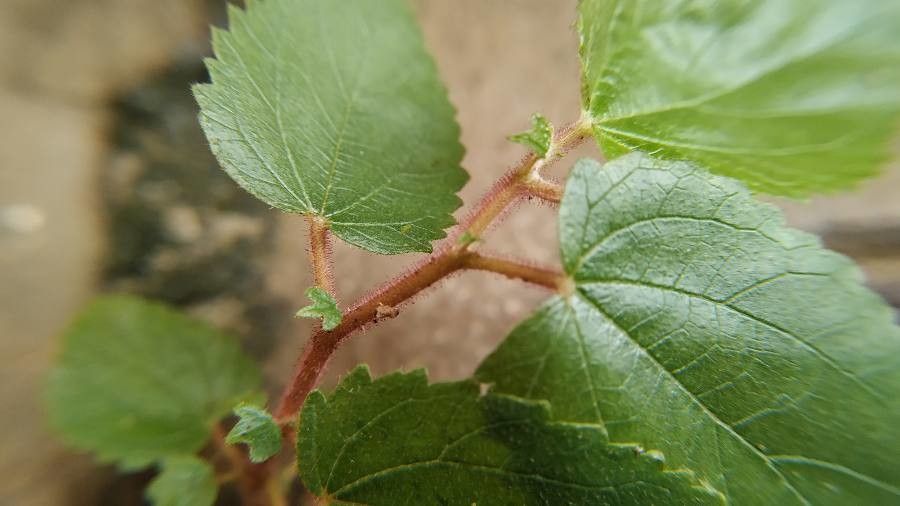
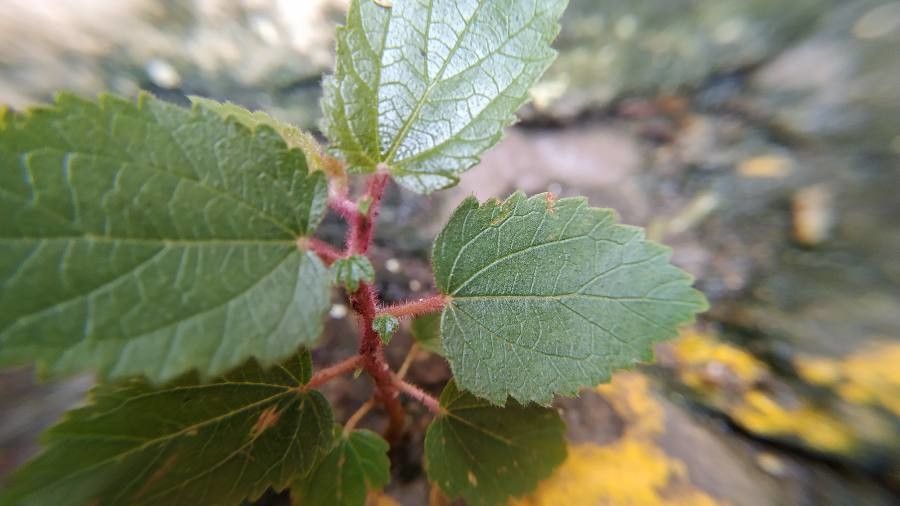
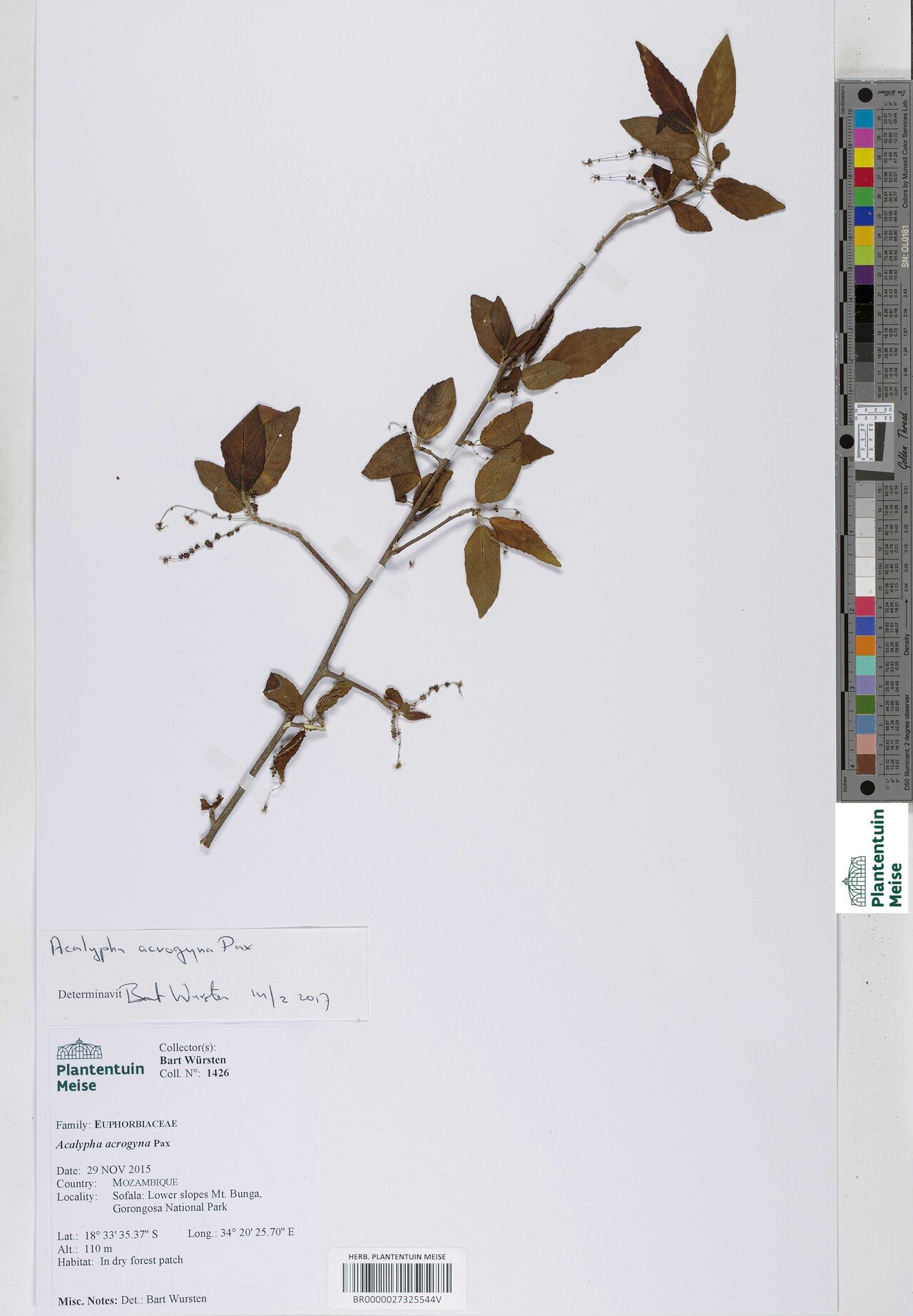
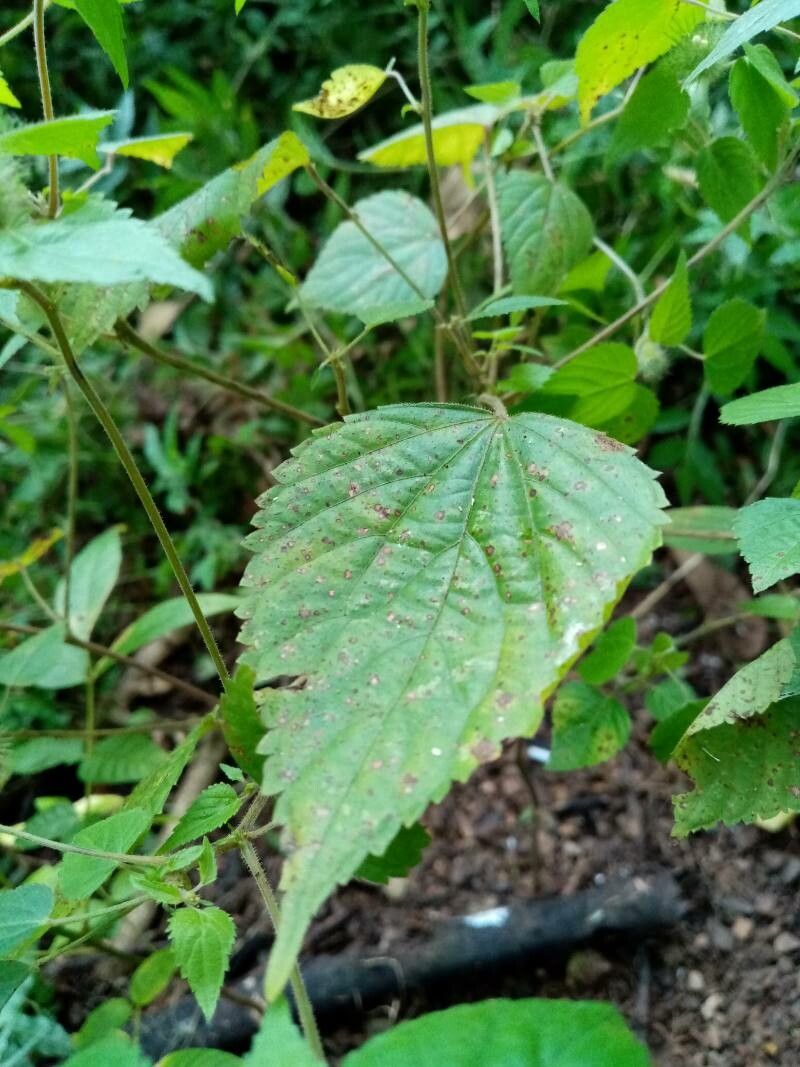
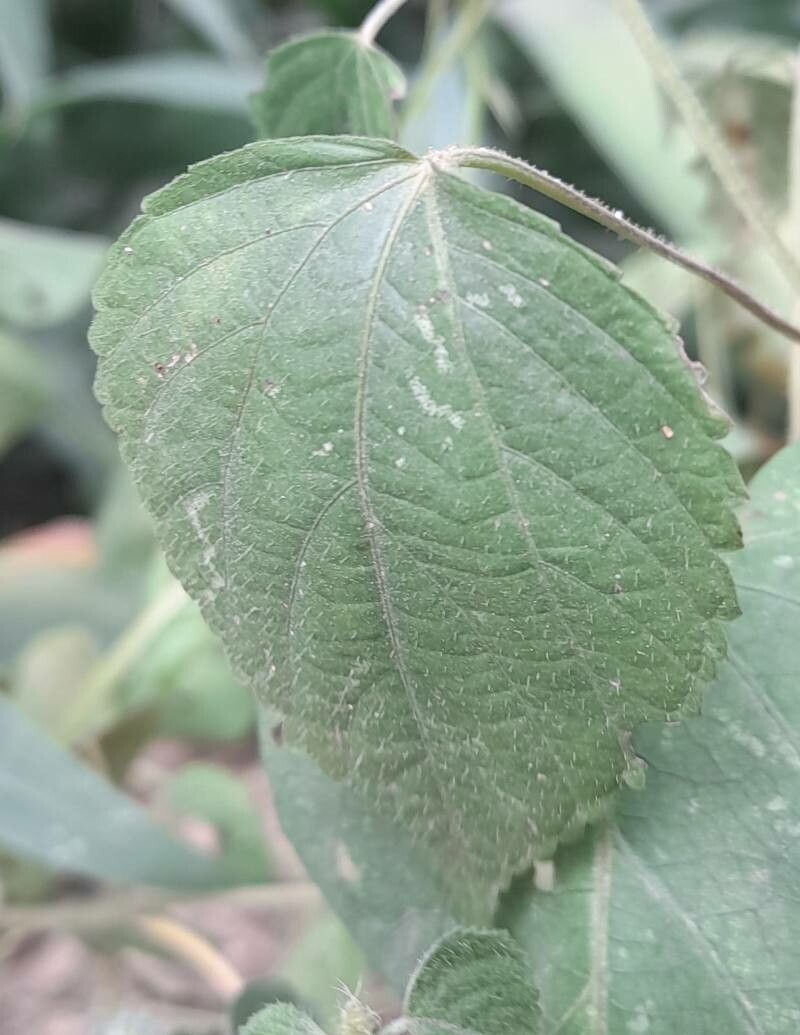
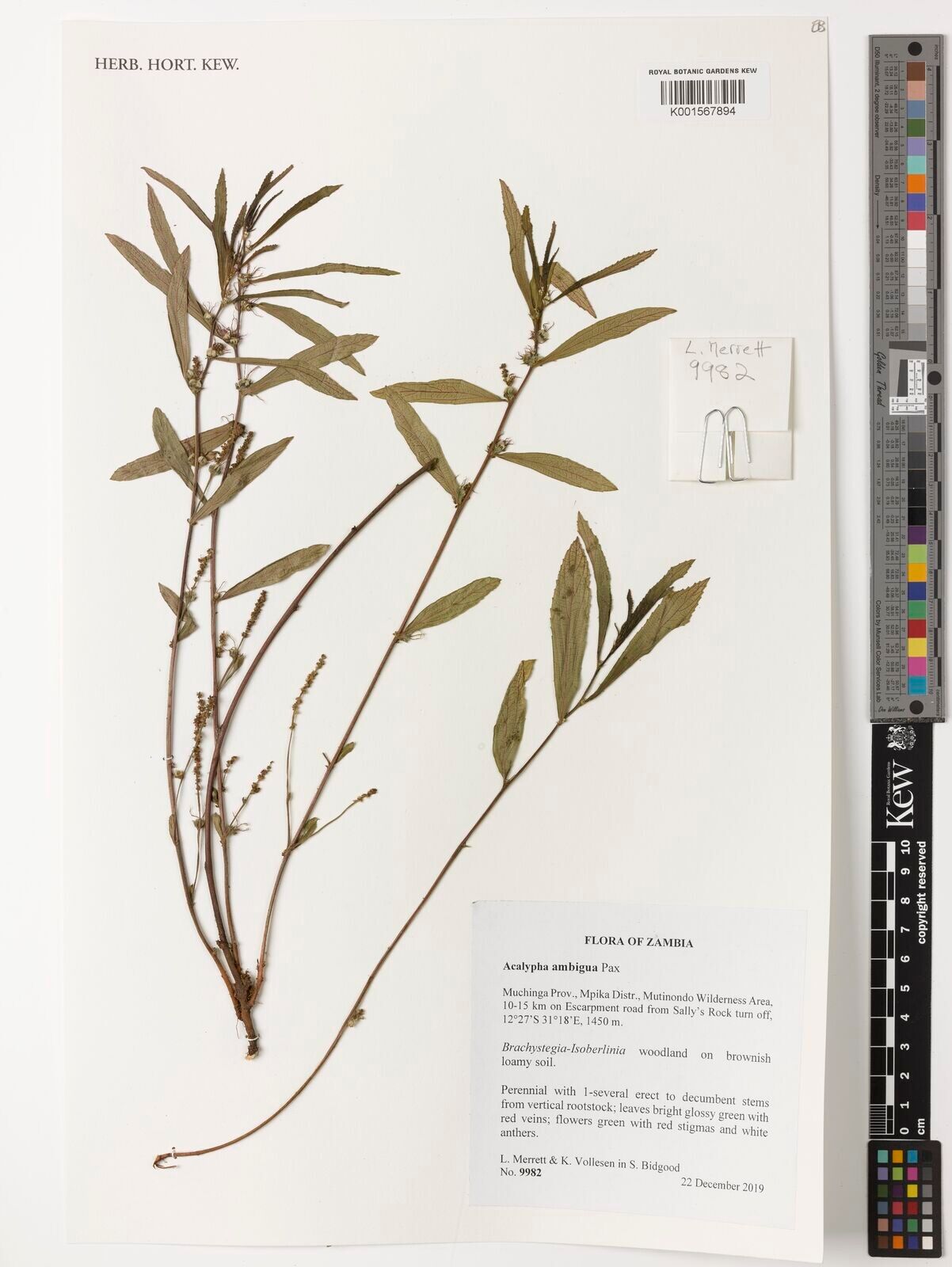
The flowering shrub Acalypha californica is known as the California copperleaf, and sometimes by the older name Pringle three-seeded mercury. It is the only Acalypha species native to California, where it is most abundant in the hills of San Diego County. It is a member of the chaparral plant community. The plant bears hairy, juicy, toothed leaves which despite the plant's common name are light green, never copper in color. Each flower is made up of a staminate part, which appears as a long spike of tiny red and pink bracts, and a pistillate part at the base of the spike, which is a cup made up of green bracts bearing the ovary.
How to keep Acalypha Californica.
Pruning
The California copperleaf features dense, copper-colored foliage. To encourage healthy growth, prune the plant in early spring by removing any dead branches. Light trimming can also help improve air circulation and prevent the plant from becoming leggy. Be sure to use clean, sharp tools to reduce the risk of disease and keep the plant looking its best.
Botanical profile.
- Plant Type
- Shrub
- Life Cycle
- Perennial
- Genus
- Acalypha
- Family
- Euphorbiaceae
- Mature Height
- 30 cm to 91 cm
Other names.
Reader questions.
How much sunlight is required for a California copperleaf?
The California copperleaf, or Acalypha californica, thrives under specific sunlight conditions. For optimal growth, it requires 'full sun,' which means the plant should receive above 6 hours of sunlight daily. However, it can also grow under 'partial sun' conditions, which entail about 3-6 hours of sunlight each day. It's important to observe the way sunlight moves through your garden throughout the day. This will help you choose locations that offer the ideal combination of light and shade, ensuring your California copperleaf plants remain healthy and vibrant.
What is California copperleaf?
California copperleaf, known botanically as Acalypha californica, is a plant species with no additional details provided on its essentials or symptoms. Further information may be required to understand its characteristics, habitat, and uses more comprehensively.