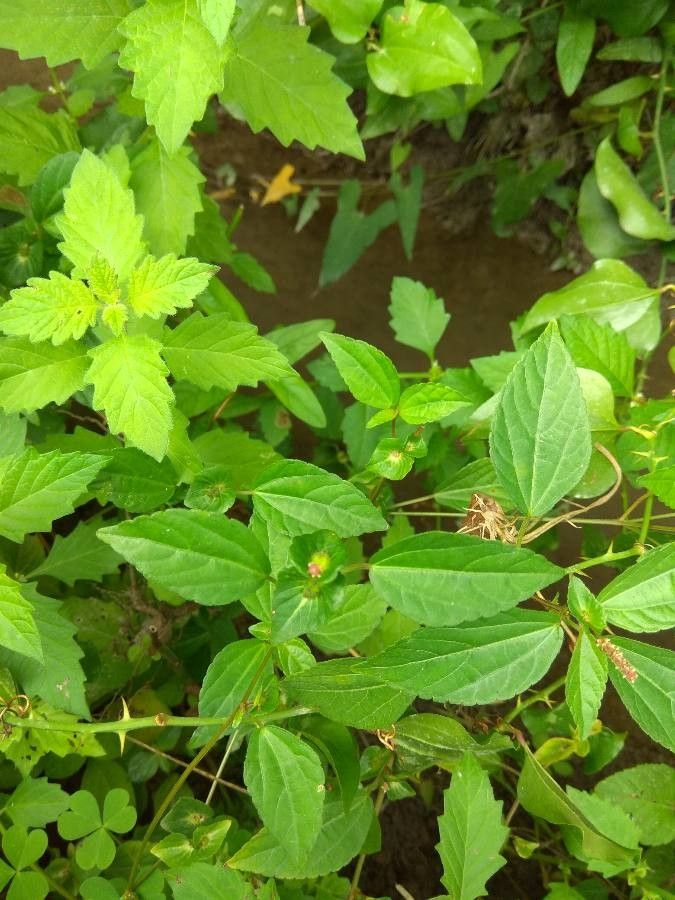
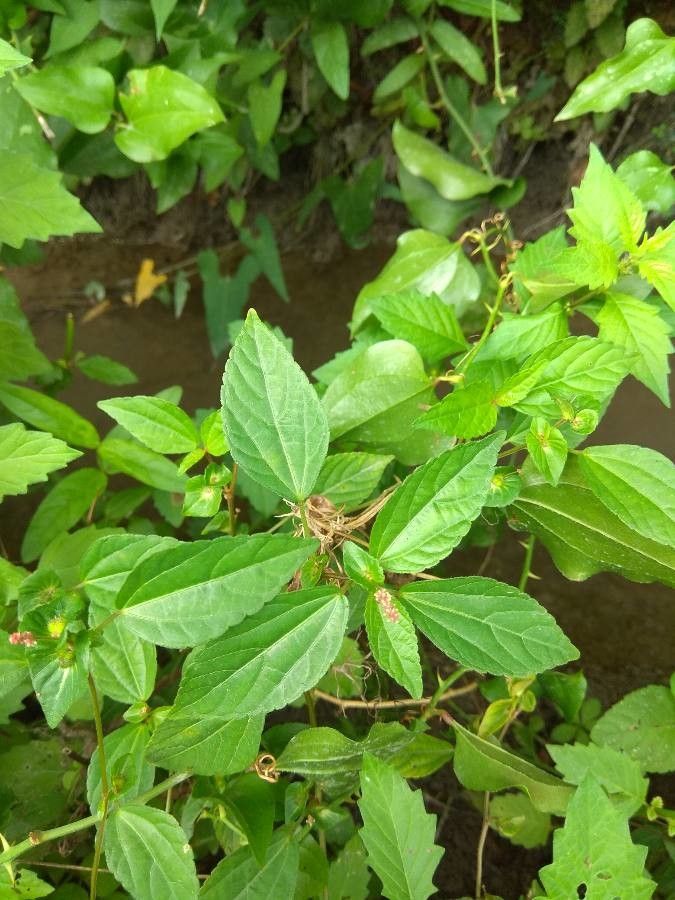
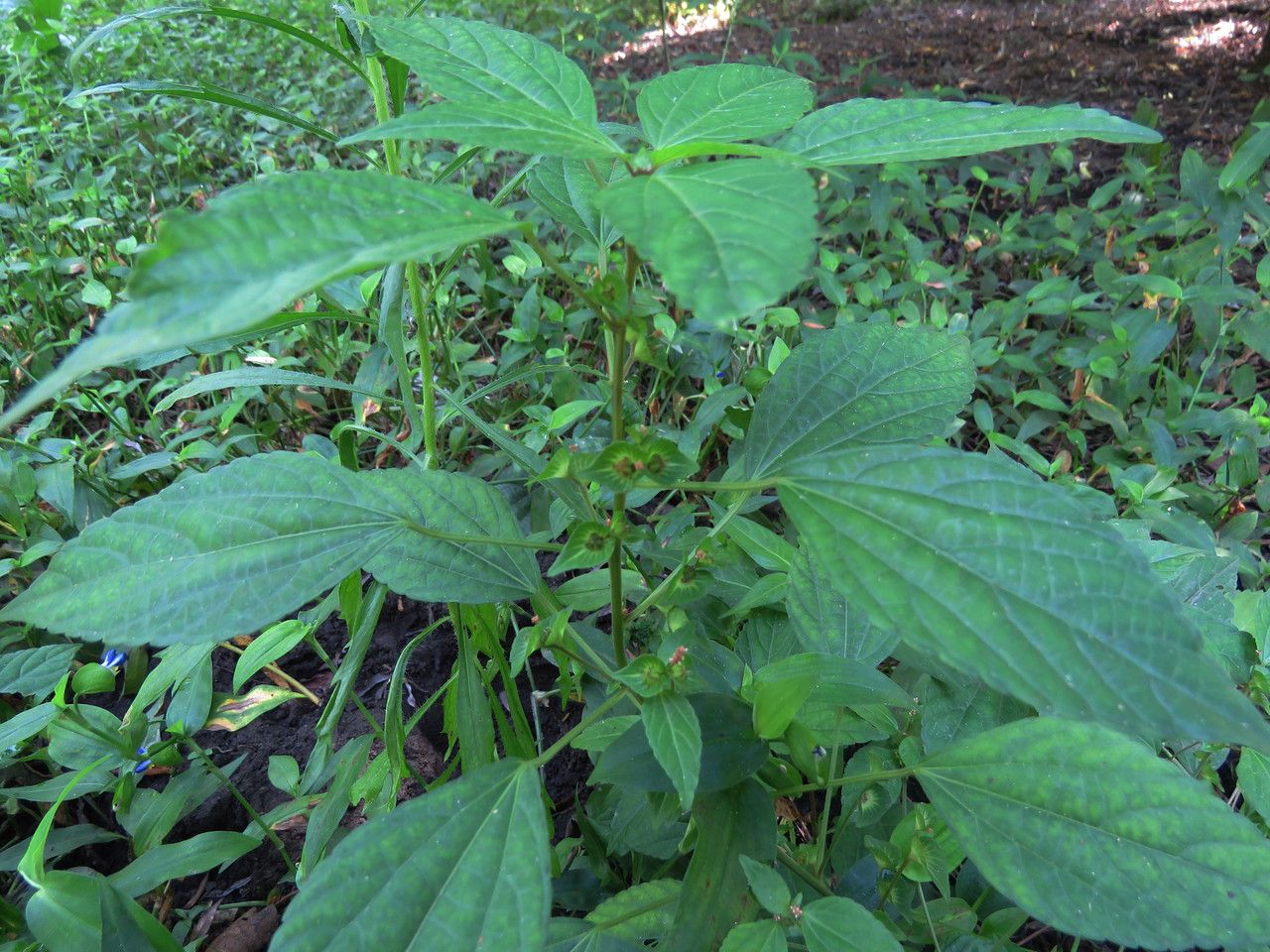
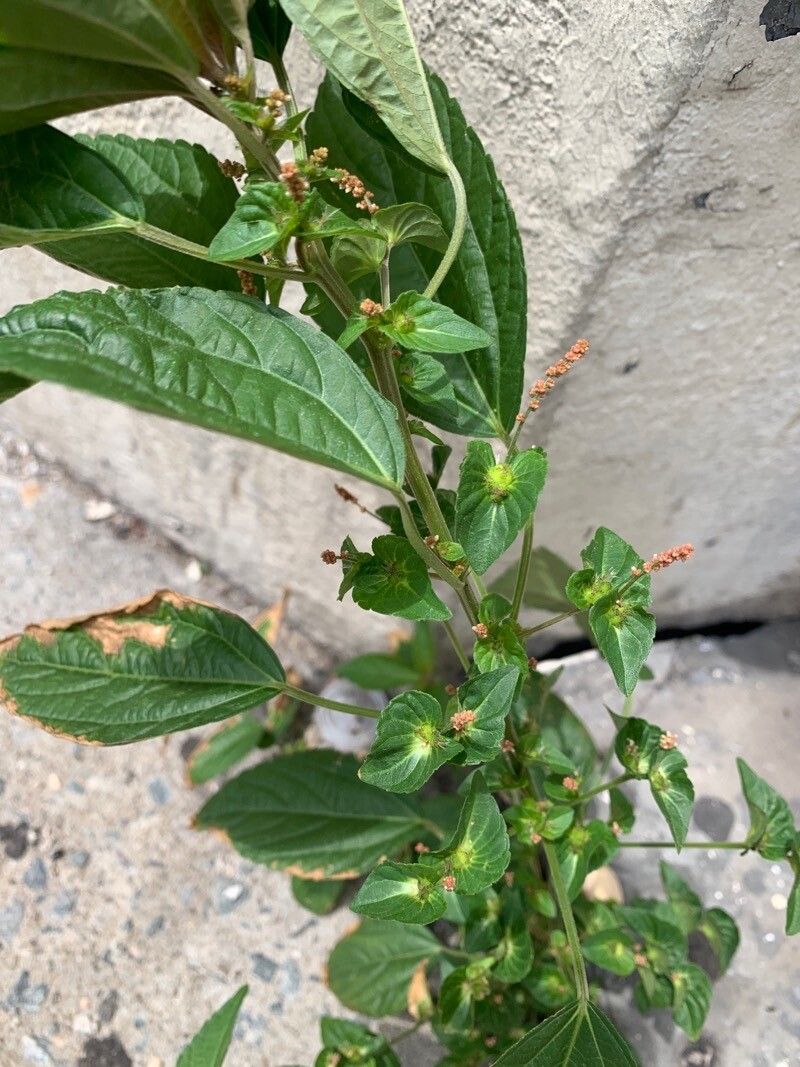
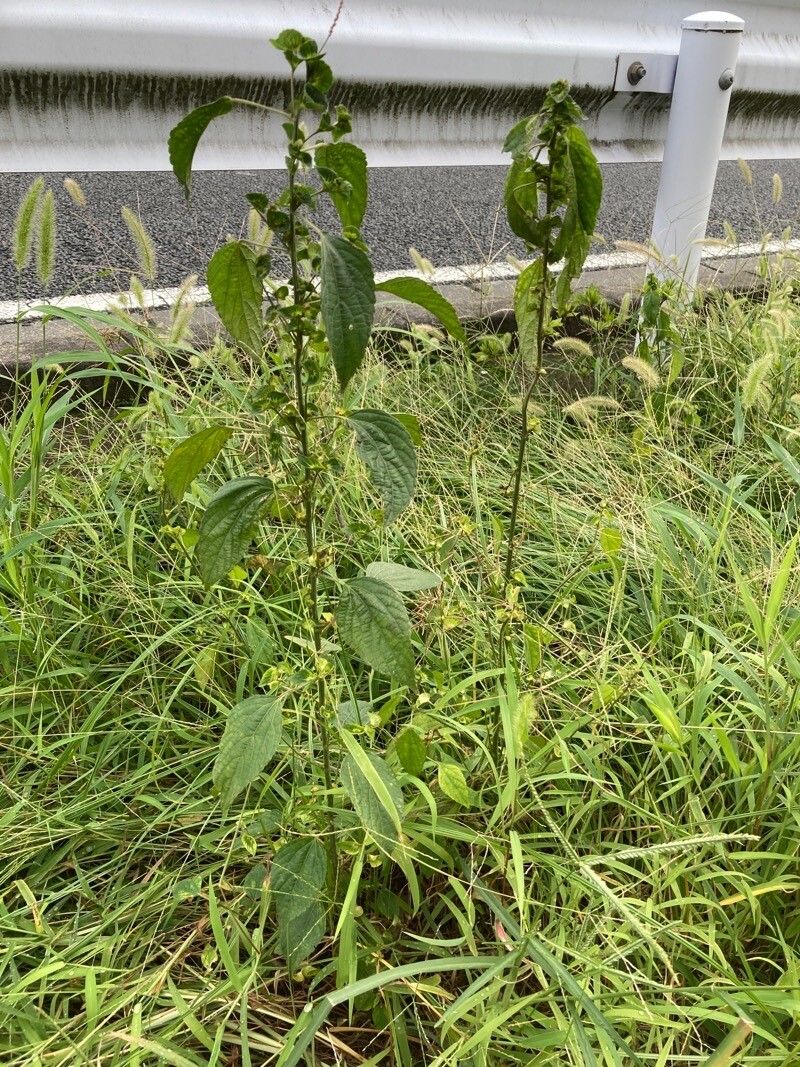
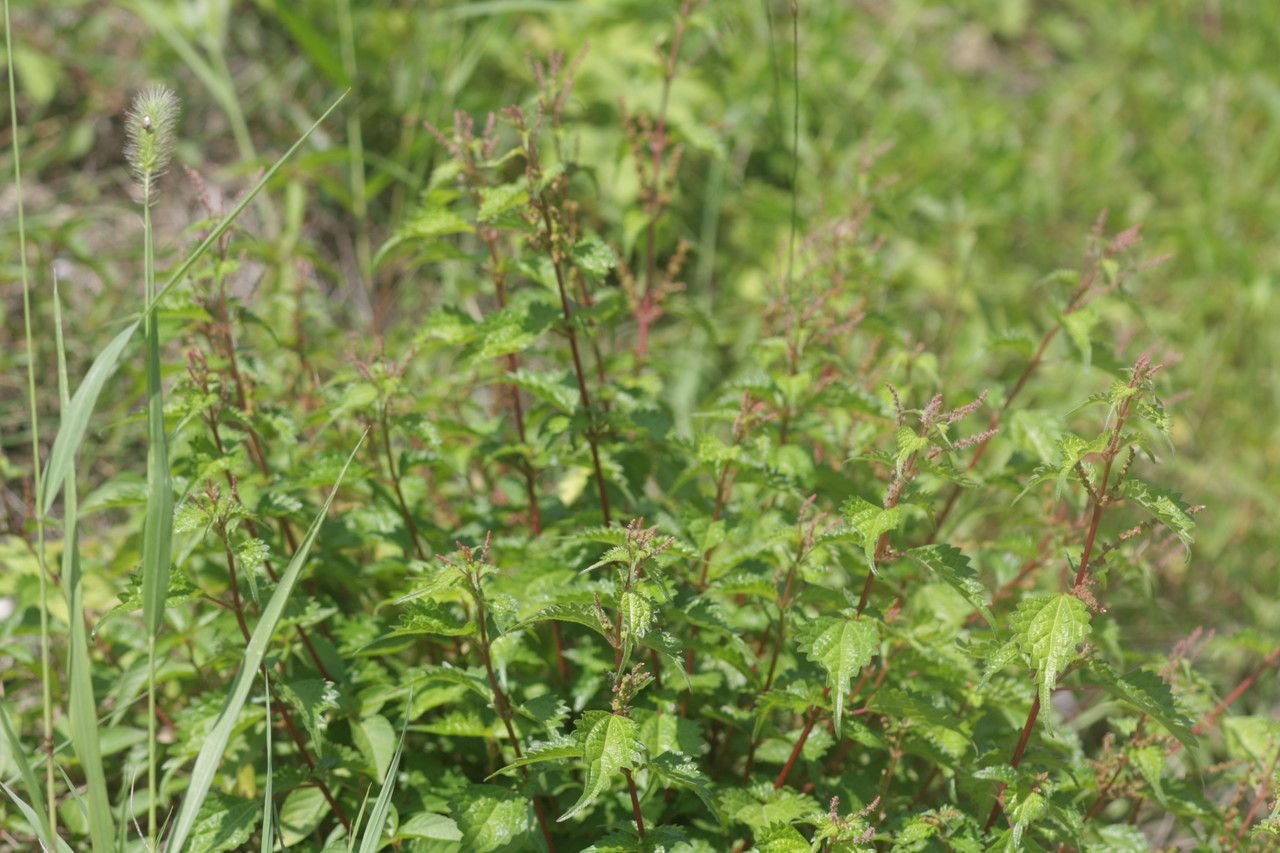
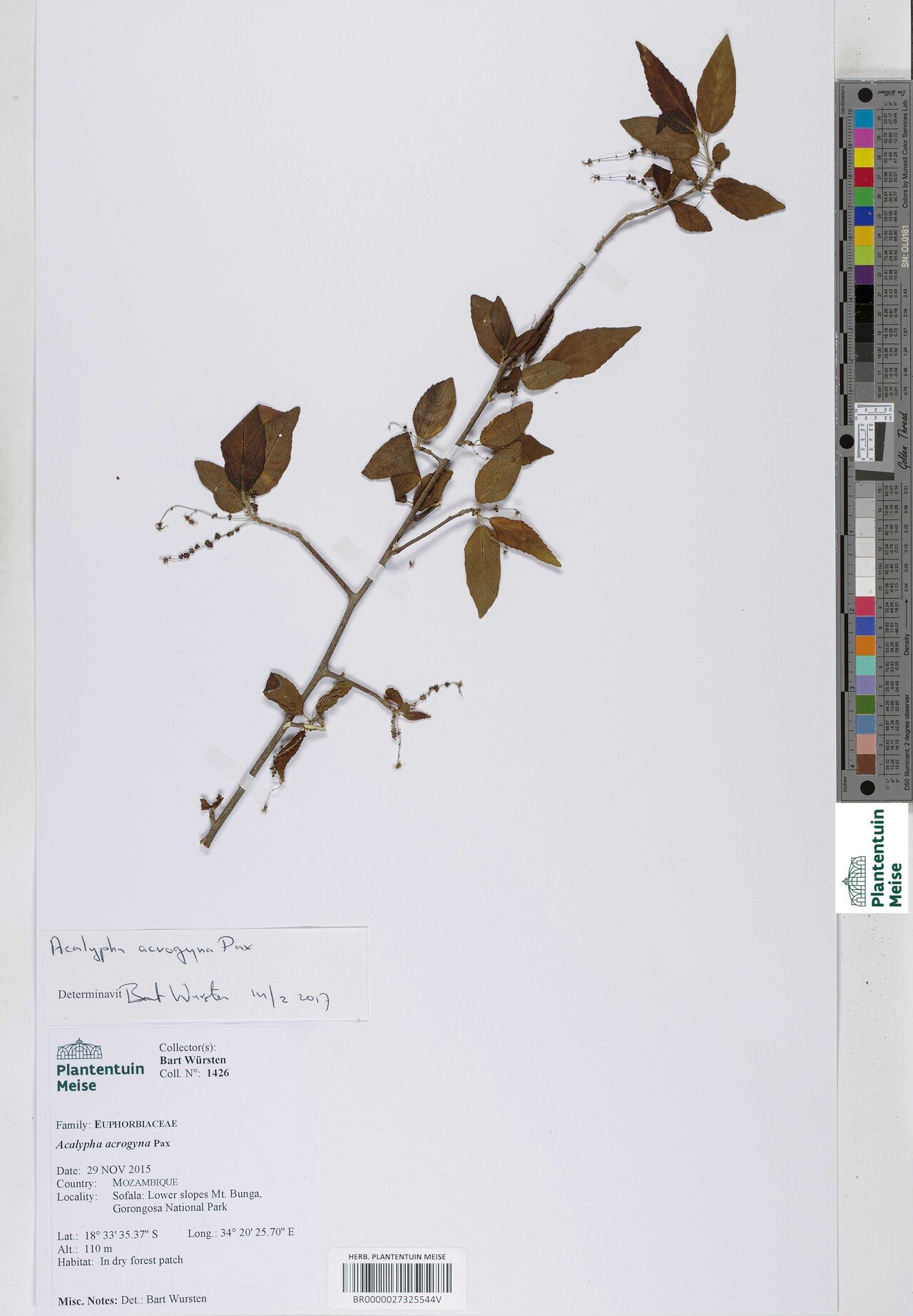
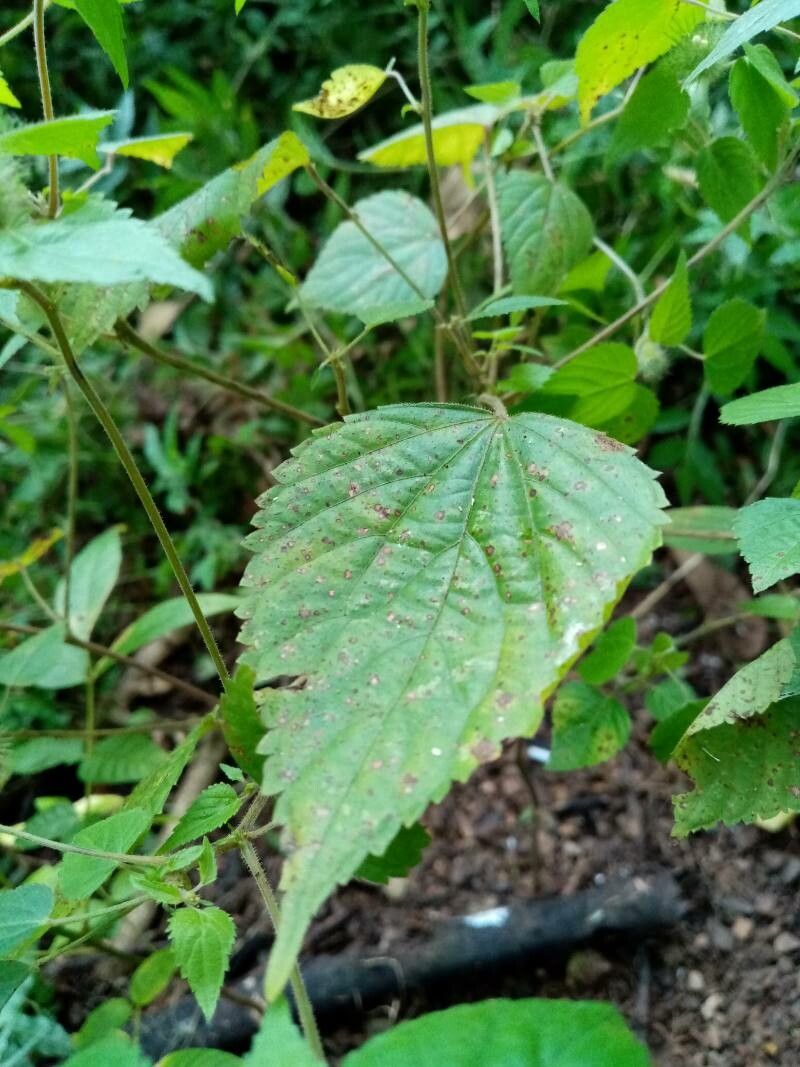
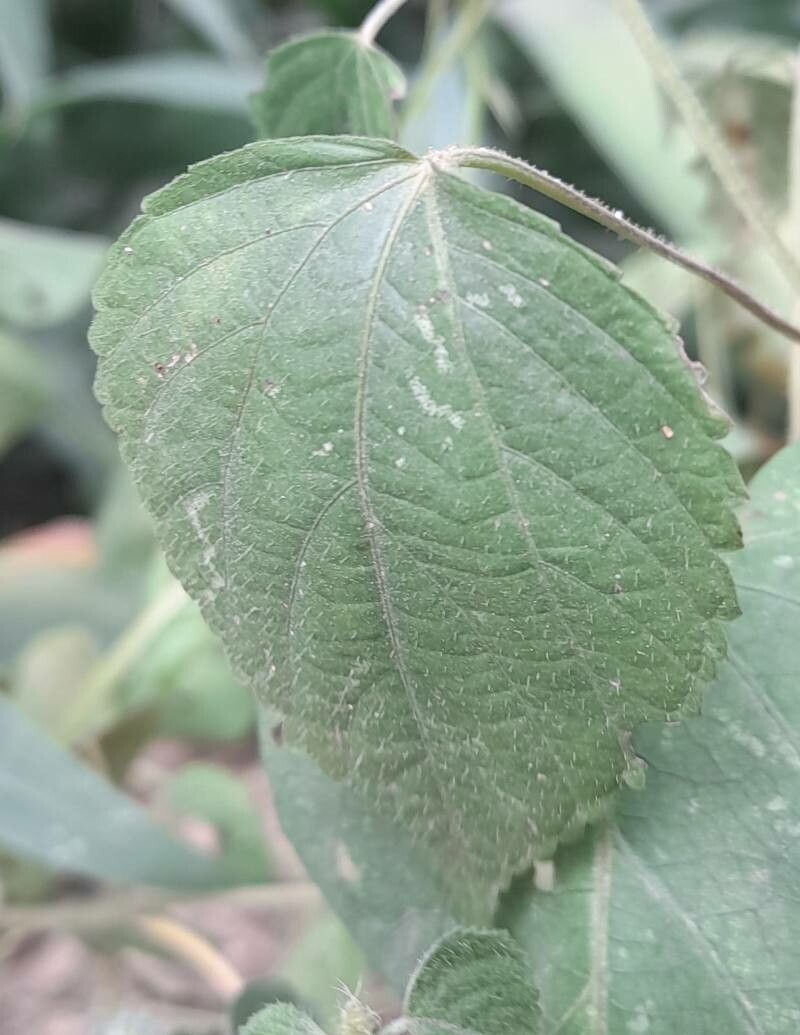
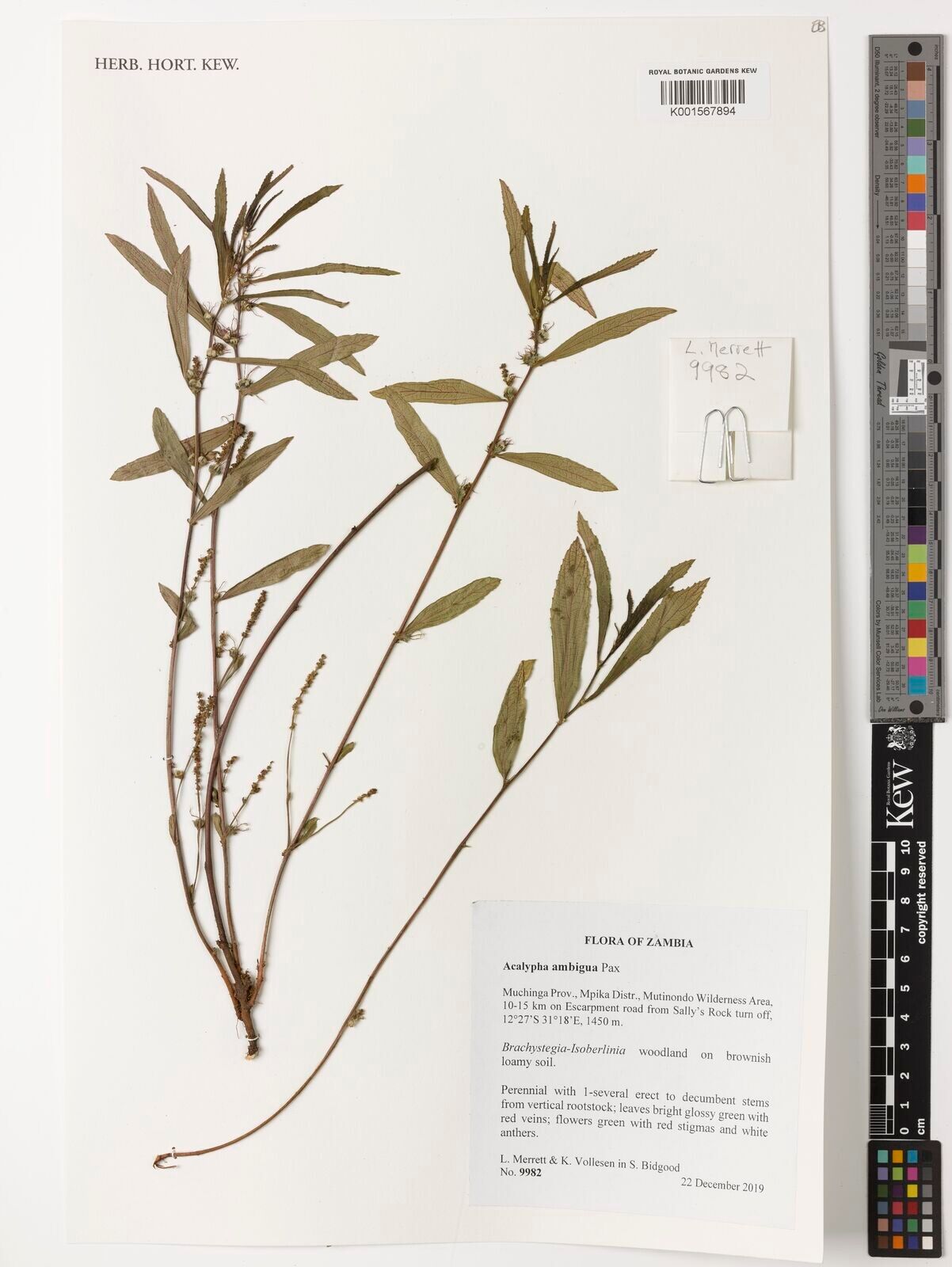
Acalypha australis, commonly known as the Australian acalypha or copperleaf, is a species of flowering plant in the family Euphorbiaceae. Native to Australia, this plant thrives in diverse habitats such as rainforests, woodlands, and heathlands. It typically grows up to 2 meters tall and is easily recognized by its distinctive copper-colored, oval-shaped leaves with serrated edges. The flowers are small and inconspicuous, with male flowers appearing yellow-green and female flowers taking on a reddish-brown hue.
Indigenous Australians have traditionally used the Australian acalypha for medicinal purposes, particularly for treating skin conditions like eczema and dermatitis due to its anti-inflammatory properties.
In terms of cultivation, Acalypha australis prefers well-drained soils rich in organic matter. It can be propagated through seeds or cuttings during the spring or summer months.
A story is told of a young man who, while climbing a tree, carelessly fell and got his hands and legs scratched up. As he hastily tore off his clothes to tend to his wounds and stop the bleeding, some acalypha leaves on the ground came into contact with his injuries and helped staunch the bleeding. It was at that moment he discovered the healing properties of acalypha leaves. FUN FACT · FROM THE LIBRARY
Overall, Acalypha australis is an attractive ornamental plant that not only adds color to any garden but also boasts medicinal properties that have been valued by indigenous communities for centuries.
Asian copperleaf has strong resistance to disease and is typically not prone to illnesses. Nonetheless, it can be vulnerable to pests and diseases present in its environment. These problems are usually mild. In terms of care, the plant requires moderate maintenance. It should be pruned regularly to keep a good appearance and support healthy growth. Fertilizing can also help encourage flowering. Asian copperleaf is fitting for anyone with outdoor space, such as a garden or patio, and does not demand extensive care experience. It may need more attention when kept indoors.
How to keep Acalypha Australis.
Light
The Asian copperleaf flourishes tremendously in regions exposed to most of the sun's daily rotation. However, it can still adapt and develop satisfactorily in locations that get a moderate amount of sunlight during the day. Its growth could be adversely affected by excessive or insufficient sunshine.
Water
Native to areas with balanced moisture levels, the Asian copperleaf thrives in subtropical climates. It needs consistent watering but can tolerate short periods of dryness. To ensure optimal growth, water the Asian copperleaf weekly. Its adaptability to different rainfall patterns makes it a resilient choice for a variety of outdoor landscapes.
Temperature
The Asian copperleaf thrives naturally in areas where the temperature ranges from 68 to 100.4 °F (20 to 38 ℃). It favours heat and can withstand significantly high temperatures. To keep its growth at an optimum during different seasonal changes, make sure to control the temperature within its favoured limit.
Fertilizer
Frequent, mild amounts of fertilizer can prove beneficial for the healthy growth of Asian copperleaf's leaves. The fertilizing process for Asian copperleaf should be conducted roughly every month throughout the summer. Nitrogen plays a critical role in leaf development, hence, supplementing with nitrogen-heavy sources assists in the prosperity of the Asian copperleaf.
Botanical profile.
- Plant Type
- Herb
- Life Cycle
- Annual
- Genus
- Acalypha
- Family
- Euphorbiaceae
- Hardiness Zone
- 11
- Mature Height
- 20 cm to 49 cm
- Mature Spread
- 20 cm to 40 cm
- Leaf Color
- Green, Blue, Bronze
- Leaf Type
- Semi-evergreen
- Flower Color
- Green, Red
- Flower Size
- 2.54 cm
- Bloom Time
- Late spring, Early summer, Mid summer
- Planting Time
- Spring
- Harvest Time
- Mid summer, Late summer
- Native Area
- Russia, Tajikistan, India, Vietnam, Japan, Philippines, Koppen, Laos, South Korea, China
Other names.
Reader questions.
How should I water my Asian copperleaf plant?
To water Asian copperleaf, you have a few options: a garden hose with a spray nozzle, a watering can, or any other common watering tool. This plant is not too particular about the type of water it receives - it can thrive with rainwater, tap water, or even filtered water. However, it's best to avoid watering from overhead as it can harm the leaves, flowers, and potentially cause disease. Instead, consider setting up a drip irrigation system which delivers water evenly and directly to the soil. If you have a container-grown Asian copperleaf, use a cup, watering can, or tap water to water it directly at the soil.
How many hours of sunlight does Asian copperleaf need every day to grow well?
To ensure optimal growth and survival, it is important to provide the plants with a minimum of 6 to 8 hours of sunlight each day. Specifically, they thrive when exposed to more morning light, especially during the summer. The Asian copperleaf, in particular, requires full sun and benefits from as much sunlight as possible. The availability of light directly impacts their ability to produce food, display stunning blossoms, and thrive in their environment.
What temperature is best for Asian copperleaf?
To help your tropical plants thrive, it's best to maintain a temperature range of 75℉ to 90℉ (25-32℃). While different species can tolerate temperatures outside this range, sticking within a few degrees of these limits will ensure optimal growth. However, there are extreme temperature limits to be aware of. Anything below 50℉ (10℃) or above 95℉ (35℃) can hinder growth and cause issues with the leaves and stems. Low temperatures are particularly damaging, as even a light frost can lead to the death of your tropical plants. In fact, cellular death can occur rapidly, with some species dying within 12 to 24 hours.
If I give my Asian copperleaf plant too much or too little water, what should I do?
To prevent underwatering, simply water your Asian copperleaf more regularly when you notice it lacks moisture. However, overwatering can be a bigger problem, leading to diseases and death if not addressed early. To avoid this, choose a well-lit location with good soil drainage to prevent waterlogging. If you've overwatered a potted Asian copperleaf, consider changing to a new pot with better drainage and loose soil during repotting.
What kind of sunlight does Asian copperleaf require?
To ensure optimal growth of the Asian copperleaf, it is important to provide full sunlight. It is recommended to avoid overcrowding the plants, as this prevents even sunlight distribution. Additionally, it is crucial to expose the herbaceous flowers to direct sun by placing them in pots near windows. Regardless of the time of year, the Asian copperleaf should always receive full sunlight, as partial or filtered light results in weaker stems and unhealthy flowers.
Does Asian copperleaf need different temperatures at different stages of growth?
Asian copperleaf doesn't need temperature changes to go through different growth phases, but it's important to keep the temperature consistent. Fluctuating temperatures can slow down its growth, so it's better to maintain a controlled environment. It's crucial to keep the temperature between 75℉ and 90℉ (25-32℃), especially above the lower limit. Going above 90℉ (32℃) is not ideal, but the tropical plant can tolerate it to some extent. However, going below 50℉ (10℃), especially 40℉ (5℃), will start to damage this heat-loving plant.
How often should I give water to my Asian copperleaf plant?
Asian copperleaf requires regular watering throughout the growing season. In spring, water this plant once a week. As the season progresses and temperatures rise, you may need to increase watering to two or three times a week. However, exceeding this rate can harm the plant. It is important to keep the soil relatively moist but not overly wet, regardless of the watering frequency. When watering Asian copperleaf in a pot, watering needs will be higher. Potted plants tend to dry out faster than those in the ground due to increased heat. In most cases, plan to water a container-grown Asian copperleaf a few times per week, compared to just once per week for an in-ground plant.
Can sunlight harm plants? How can I protect Asian copperleaf from damage caused by sun and heat?
When the temperature goes above 90℉(32℃), the Asian copperleaf can be damaged by extreme temperatures, especially if it's in the sun for many hours. It is best to provide some shade in the afternoon during the summer. Remember that sunlight in the summer is stronger and lasts 50% longer than in winter. If the Asian copperleaf is stressed by too much sun, make sure to keep it well hydrated. Water it when the top 2 inches of soil are dry and consider moving potted plants indoors if it's too hot outside. It's normal for the plant leaves to wilt during the day, as they usually recover at night. However, if the leaves are still drooping, it means the plant is losing water quickly and needs to be watered.
Does Asian copperleaf thrive in different temperatures during different seasons?
Asian copperleaf does not require different temperatures for different growing seasons. The key to seasonal care is maintaining the optimal temperature range. It is recommended to keep this plant indoors to have control over the temperature, regardless of the external climate. Lighting is also crucial for tropical species, and these plants prefer partial side-level sun exposure. This means they should receive dappled or filtered light, with bright but indirect light being the ideal option for indoor growth. Excessive direct sunlight can harm the plant's leaves and hinder its growth.
How much water does my Asian copperleaf plant require?
There are a few ways to determine how much water to give to your Asian copperleaf. Some gardeners choose to check the soil's moisture by feeling it and water until the top six inches are moist. Another method is using a set measurement, giving about two gallons per week depending on temperature and soil dryness. However, strict guidelines might cause overwatering if the plant needs less water. When growing in a container, you should water enough to moisten all dry layers of soil. To test this, use your finger to feel for moisture or water until there is a slight trickle of excess water from the drainage holes.
Should I keep Asian copperleaf away from the sun?
The Asian copperleaf thrives in sunlight and can benefit from it. Some species are even heliotropic, meaning they actively move towards the sun. It's recommended to plant them in south-facing gardens, where they can enjoy sunlight from morning to afternoon. However, while sunlight is beneficial, some plants may be susceptible to sunburn. To prevent this, you can provide protection from the afternoon and midday sun using a tree shade or a wall. Growing the Asian copperleaf in shady areas is not possible as it requires ample sunlight for the larger flowers to grow and produce. Therefore, it's important to always provide the ideal lighting conditions by placing them in an area with full sun for the best results.
What temperatures are best for keeping your Asian copperleaf plant healthy?
Here are three tips to help you take care of your plants: 1. Keep your plants away from windows during colder months: Cold air can leak into your home through cracks in the windows, and any plants placed near them will be affected. Move tropical plants to an area with bright but indirect light, while avoiding potential drafts. 2. Watch out for dry patches, which may indicate too much sunlight or heat: If you notice white or scorched leaves, your plant may be getting too much heat or sunlight. This can lead to dehydration and hinder growth. Dry spots can spread and eventually cause your plants to die if left unaddressed. 3. Be cautious of frost: Colder temperatures and frost can damage plants by disrupting their water circulation. This can lead to a lack of moisture in the stems and leaves. Look out for signs of hydrosis (a water-soaked appearance) and if the issue persists, the plant may shrivel and turn dark brown or black, eventually leading to death.