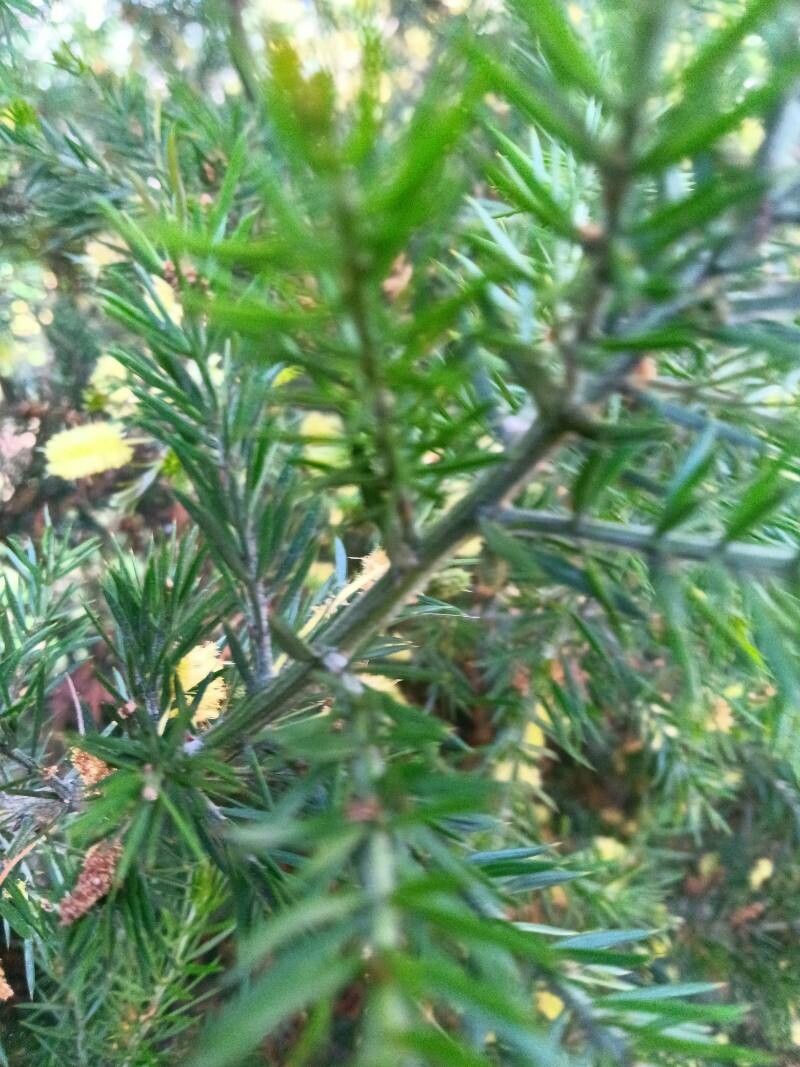
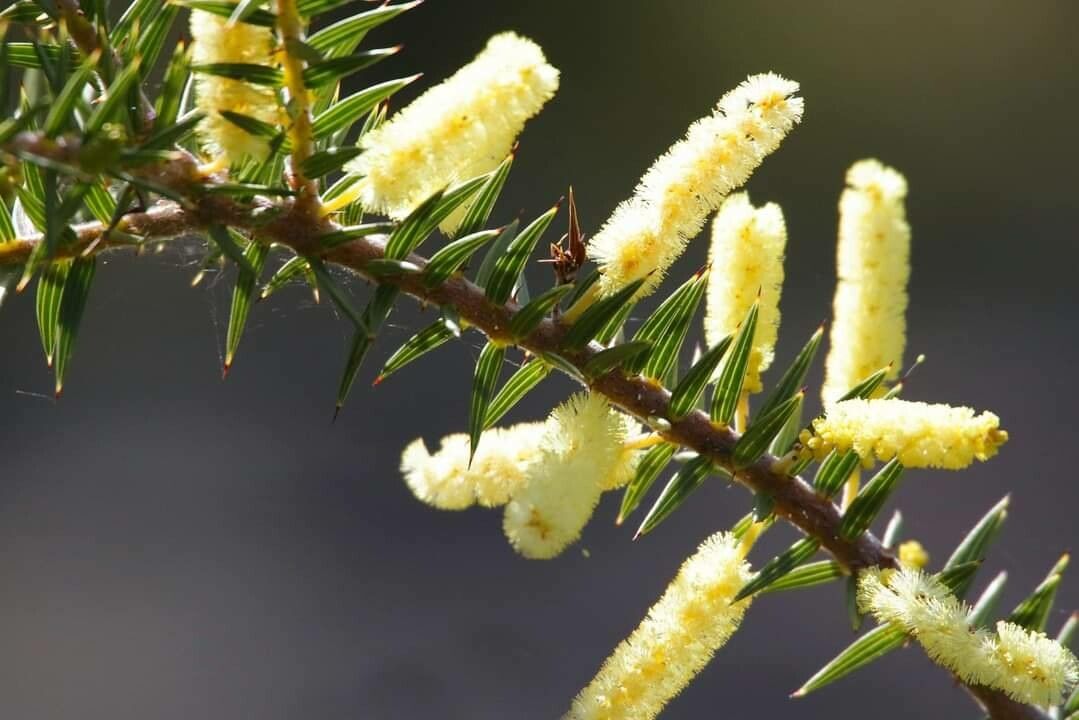
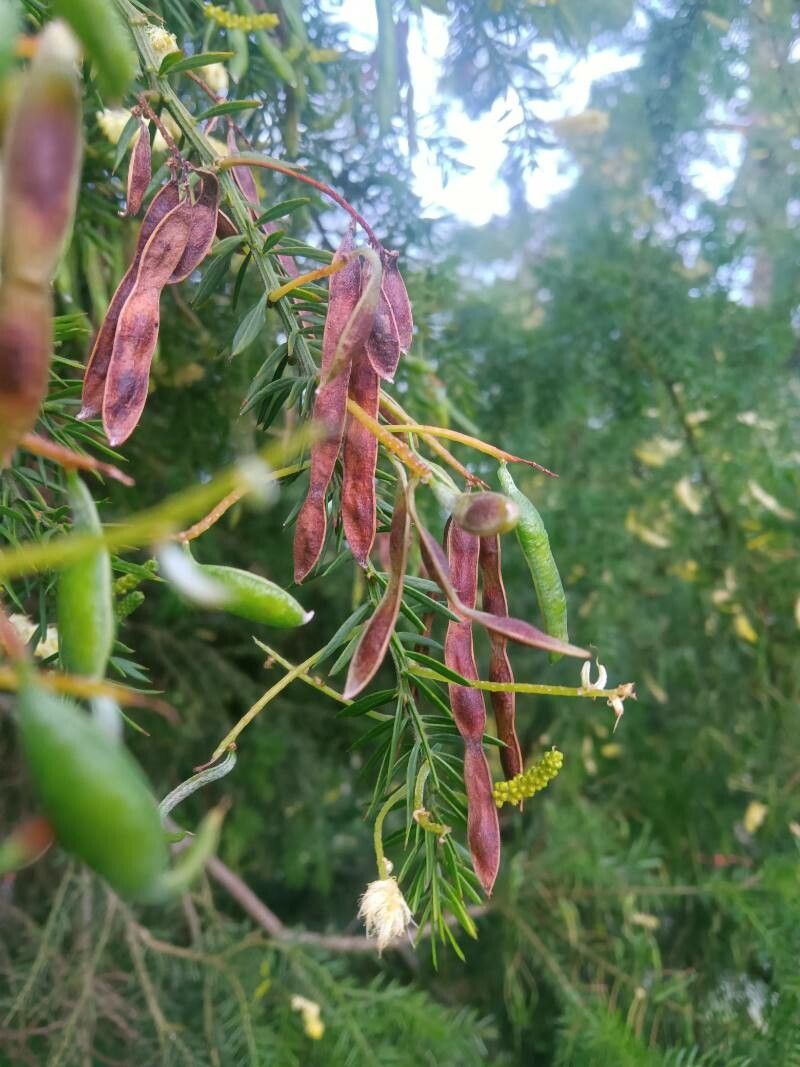
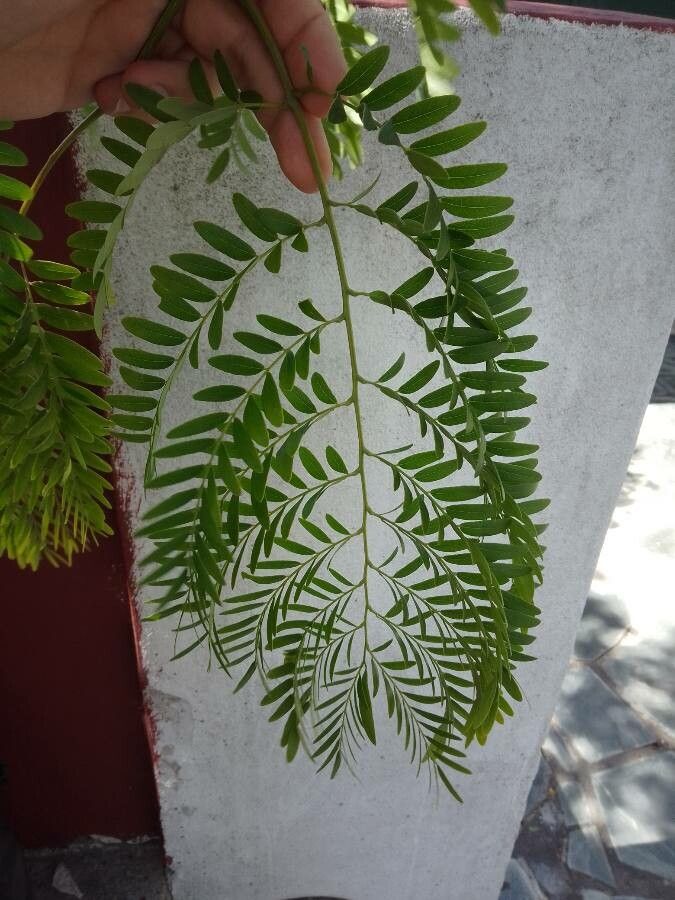
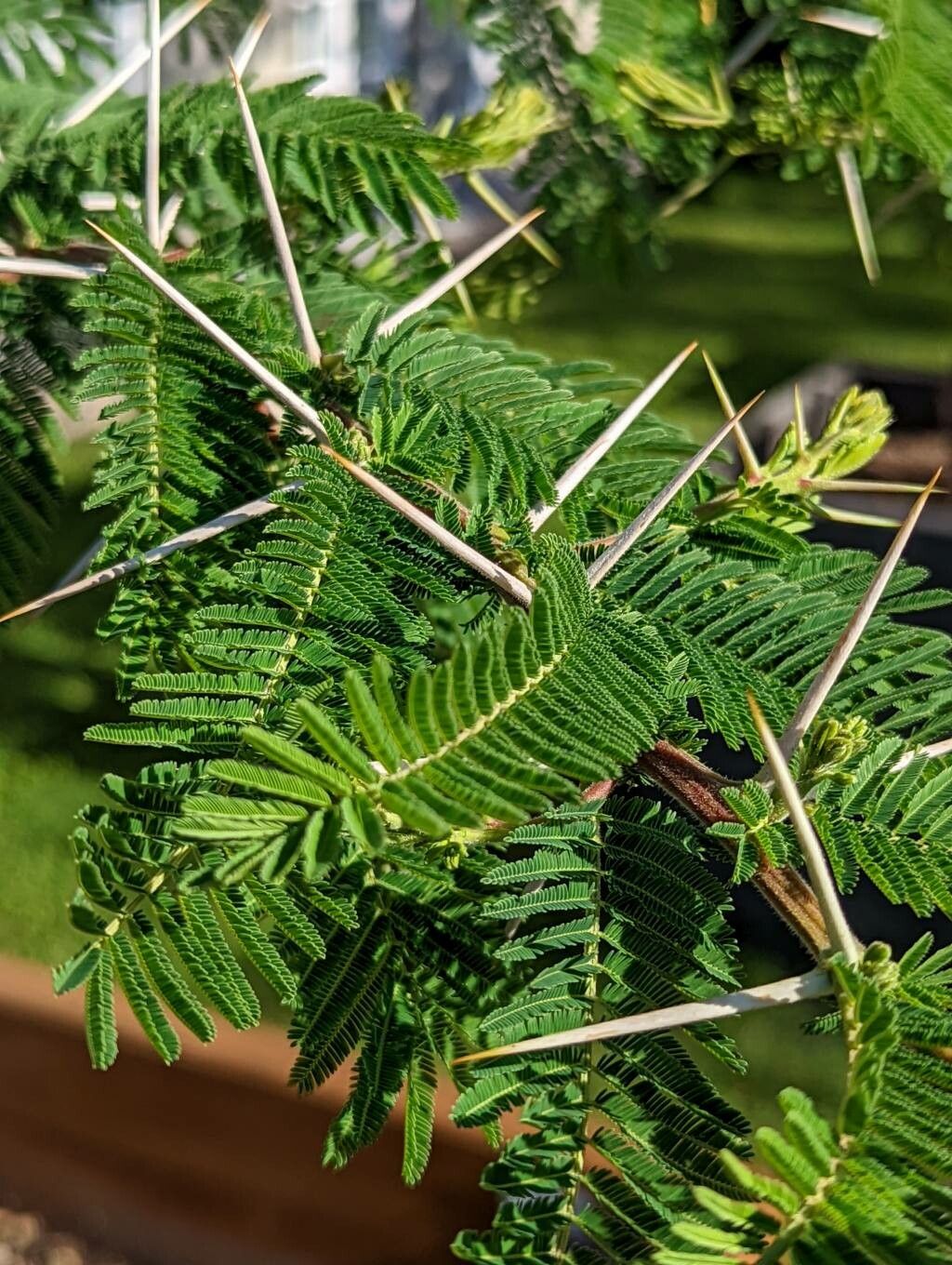
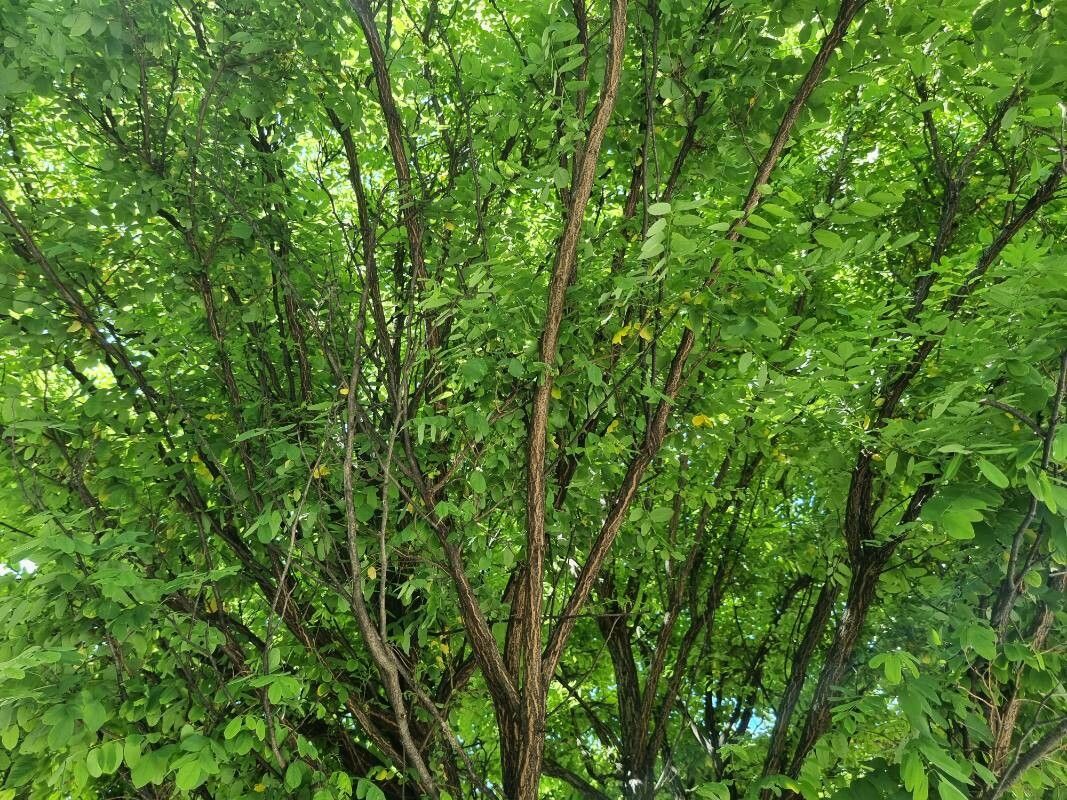
Acacia verticillata, commonly known as Prickly Moses, is a shrub or small tree belonging to the Fabaceae family. Native to Australia, it thrives in various habitats such as heathlands, woodlands, and forests. This plant can reach up to 5 meters in height and features a dense crown with prickly foliage.
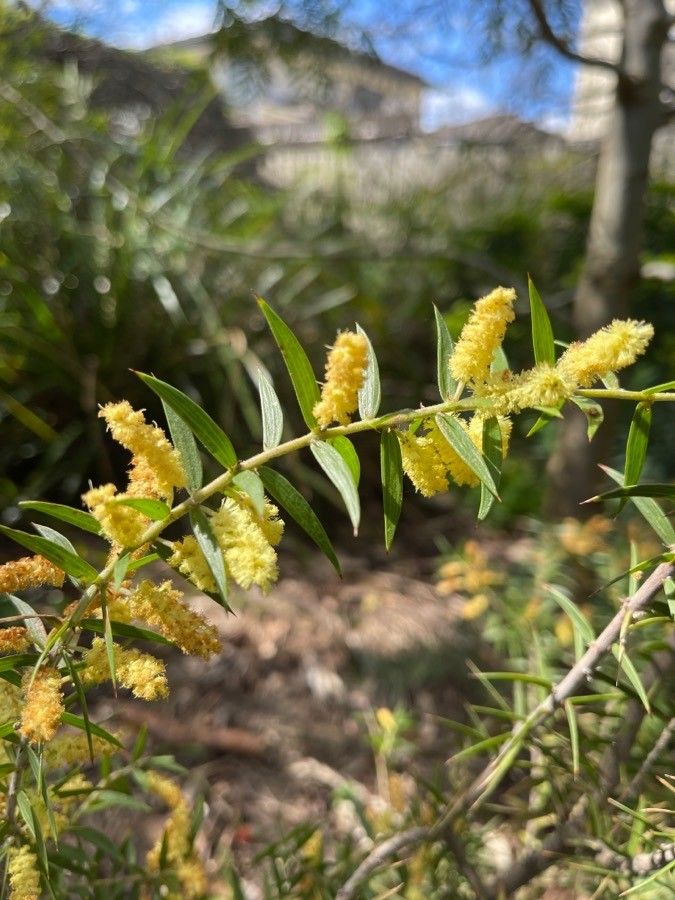
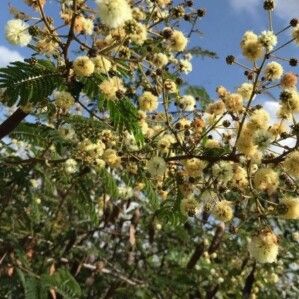
The leaves of Acacia verticillata are small, needle-like, and bluish-green in color. Its yellow or cream-colored flowers bloom from late winter to early spring, forming attractive spherical clusters. The plant produces pods containing seeds which are dispersed by ants.
Acacia verticillata offers several benefits, including erosion control, thanks to its deep root system that helps stabilize soil on slopes. Additionally, its dense foliage provides a habitat for wildlife, including birds and insects.
Indigenous Australians have utilized this plant for medicinal purposes, treating ailments such as skin infections, coughs, colds, and sore throats.
Overall, Acacia verticillata plays a crucial role in the Australian ecosystem due to its ecological significance and cultural importance among indigenous communities.
Star acacia is highly resistant to disease and, in general, is not susceptible to illnesses. Regarding maintenance, this species is fairly low-maintenance. When grown outdoors it needs only light watering, and larger specimens typically do not require pruning. Smaller plants, however, should be trimmed after they finish blooming. Star acacia is well suited to anyone with an outdoor area, such as a garden or deck, and does not demand extensive plant-care experience.
How to keep Acacia Verticillata.
Light
Star acacia does best in settings with plentiful light, mirroring its natural habitats where it can take in large amounts of sunlight for optimal growth. Ample sunshine encourages vigorous development, yet it can tolerate having no shade at all. Both too much and too little light can cause plants to be undeveloped or weak.
Water
The star acacia is well-suited for arid environments due to its high drought tolerance. It needs watering only every 2 to 3 weeks, allowing the soil to dry out completely between waterings. This resilient outdoor plant can adapt to varying rainfall conditions, making it an excellent choice for regions focused on water conservation.
Temperature
Star acacia shows strong adaptability to a range of climate conditions, from blazing summers to cold winters. Nevertheless, it has a preferred temperature range for healthy growth. If temperatures climb too high, the plant can suffer from heat and humidity stress, which may kill it. In areas where temperatures approach the lower edge of its cold tolerance, providing insulation to protect the plant is necessary.
Fertilizer
The timing of fertilization is important for Star acacia. Apply fertilizer in early spring and continue every month until early summer. Fertilizer promotes attractive blooms and supplies energy both during dormant periods and active growth phases.
Pruning
The star acacia is known for its unique arrangement of whorled branches and needle-like leaves. For optimal health and airflow, it is best to prune it between early and late winter, focusing on removing any dead or overcrowded branches. Light pruning helps maintain its shape, whereas more extensive pruning stimulates new growth. Always use clean tools to prevent disease and promote effective healing.
Botanical profile.
- Plant Type
- Tree, Shrub
- Life Cycle
- Perennial
- Genus
- Acacia
- Family
- Fabaceae
- Hardiness Zone
- 8-11
- Mature Height
- 10.06 m
- Mature Spread
- 3.05 m to 3.66 m
- Leaf Color
- Green, Blue
- Leaf Type
- Evergreen
- Flower Color
- Yellow
- Flower Size
- 0.51 cm to 0.76 cm
- Bloom Time
- Late summer, Early fall, Mid fall
- Planting Time
- Spring, Summer
- Harvest Time
- Late fall, Early winter, Mid winter
Other names.
Reader questions.
How should I water my Star acacia tree?
Your Star acacia is not particular about how you water it. You can use common watering tools like watering cans, hoses, or even cups. It's important to water directly onto the soil and make sure all areas receive the same amount of moisture to provide water evenly to the root system. Using filtered water is recommended, as tap water may have particles harmful to plants. It's also best to use water at or slightly above room temperature to avoid shocking the Star acacia. However, this plant usually responds well to any type of water given.
Why do I have to put fertilizer on my Star acacia plant?
No matter which type of Star acacia you have, regular fertilization is essential for the overall health of your plant. Providing the right nutrients will encourage stronger growth, increase resilience to harsh conditions, and improve the plant's ability to fight off diseases and pests. Keeping the foliage of your Star acacia intact is crucial as it is one of its most attractive features. To achieve this, establish and stick to a consistent fertilization schedule tailored to your specific Star acacia. This will result in vibrant leaves with a deep color and a lush appearance.
What are the sunlight requirements for Star Acacia?
Star Acacia requires full sun, meaning it thrives on more than 6 hours of sunlight daily, but it can also accommodate partial sun with about 3-6 hours of sunlight. It's crucial to observe the movement of sunlight through your garden to select spots that offer the right balance of light and shade. This balance is essential for ensuring the plant's health and happiness. Star Acacia's robust growth is attributed to its exposure to abundant light, simulating its natural habitats. Despite its ability to grow without any shade, the right amount of sunlight is necessary for preventing underdeveloped or weak plants.
What is the botanical name of Star Acacia?
The botanical name of Star Acacia is Acacia verticillata.
What should I do if I give my Star acacia plant too much or too little water?
For outdoor plants, especially newly planted ones or seedlings, lack of watering can be a common problem. It's important to remember to water them enough for the first few months, especially when the plant is small or just planted. Once the roots are established, Star acacias can rely on rain for most of their water needs. When you have Star acacias planted in pots, overwatering is more likely to happen. If you accidentally overwater your Star acacia, there are steps you can take to fix the situation. First, stop watering the plant immediately to minimize the impact of overwatering. Then, remove the plant from its pot to check its roots. If you see no signs of root rot, you can put the plant back in its container. However, if there are signs of root rot, trim away the affected roots and consider applying a fungicide to prevent further damage. Finally, repot the Star acacia in well-draining soil. On the other hand, if your Star acacia is underwatered, the fix is simpler. Water the plant more frequently and you should see the leaves regain their fullness after sufficient watering. Make sure to adjust your watering frequency as soon as you notice signs of underwatering, such as drooping and drying out of the leaves.
When should I fertilize my Star acacia tree?
To ensure healthy growth, the Star acacia should be fertilized for the first time in late winter or early spring. This provides the necessary nutrients for the plant to thrive when the weather becomes warmer. If you live in a warm climate region, it is beneficial to give an extra fertilizer feeding during early fall. This not only adds nutrients for the upcoming growing season but also helps the plant endure the winter without foliage damage. Fertilizing earlier will allow sufficient time for the new branches to grow and withstand the cold winter.
How can artificial lighting support Star Acacia's growth indoors?
Indoor Star Acacias can greatly benefit from artificial lighting, especially when natural sunlight is insufficient, such as during winter or in less sunny spaces. Artificial lights, like LEDs that can be tuned to emit specific wavelengths, are ideal for facilitating optimal plant growth. Full sun plants need about 30-50W/sq ft, partial sun plants require 20-30W/sq ft, and full shade plants need 10-20W/sq ft of artificial light. The artificial light source should be positioned 12-36 inches above the plant and kept on for 8-12 hours a day to mimic natural daylight conditions, promoting healthier and faster growth.
How often do I need to water my Star acacia?
If you have outdoor plants and there is enough rainfall in your area, they will typically grow fine without extra watering. However, if you don't get much rain, you should water your plants every two weeks during spring and fall, and more often in the summer. In winter, when plants need less water, you can water them less frequently or not at all. If you have a young or newly planted Star acacia, you should water it more often to help it grow and become drought tolerant. For potted plants, there are two ways to determine how often to water your Star acacia. The first is to follow a set watering schedule, such as once a week or every other week. However, this may not always work because it doesn't take into account the specific conditions of your plant's environment. The other option is to check the moisture of the soil. It's usually best to wait until the top two to four inches of soil have completely dried out before watering again. This method is especially important during the summer when the plant needs more water.
When is the best time to not fertilize my Star acacia?
There are specific times of the year when you should avoid fertilizing your Star acacia. First, during the early and mid-winter months when the plant is dormant and doesn't require feeding. Secondly, it is not recommended to fertilize this plant during late spring and summer when the weather is hotter and drier. These conditions can have a negative impact on your Star acacia if fertilized. To prevent any issues, it is best to follow a fertilization schedule that involves feeding only in early spring and early fall.
What are the symptoms of inadequate light in Star Acacia?
Star Acacia may exhibit several symptoms when receiving insufficient light, including smaller new leaves, leggy or sparse growth, premature leaf drop, slower or halted growth, paler new leaves, chlorosis, sunscald, leaf curling, wilting, and leaf scorching. These symptoms range from changes in leaf size and color to physical damage like scorching and wilting, indicating the plant's struggle with the current light conditions.
How much water does my Star acacia plant need?
Watering your Star acacia can be done effectively by following these guidelines. Instead of assuming that it requires a large amount of water, it's important to note that only a few inches of soil need to dry before watering again. Providing about five to ten ounces of water each time will support healthy growth. Monitoring the moisture of the soil will also help determine the appropriate amount of water. Keeping track of how many inches of soil have dried out between waterings will ensure that the Star acacia receives the necessary moisture. To guarantee this, water should be supplied to moisten all the layers of dry soil. If more than half of the soil has dried, it may be necessary to increase the water amount. In these instances, continue watering until excess water drains from the pot's drainage holes. However, if the Star acacia is planted in an area with abundant rainfall, additional watering may not be needed. When the plant is young or still establishing, it is beneficial to provide it with 1-2 inches of rain per week. As it matures, it can thrive solely on rainwater, except during periods of hot weather and no rainfall for 2-3 weeks. In these circumstances, a thorough watering is necessary to prevent stress to the Star acacia.
What kind of fertilizer does my Star acacia tree need?
When it comes to Star acacias, nitrogen is usually the most important nutrient, but that doesn't mean phosphorus and potassium should be neglected. In fact, your Star acacia needs a good amount of all three main nutrients, which is why a balanced fertilizer like 10-10-10 is a good option. However, a more precise nutrient ratio can lead to optimal growth. Generally, fertilizers slightly higher in nitrogen, like 10-6-4, tend to work better. Whether you choose a granular or liquid fertilizer is up to you.