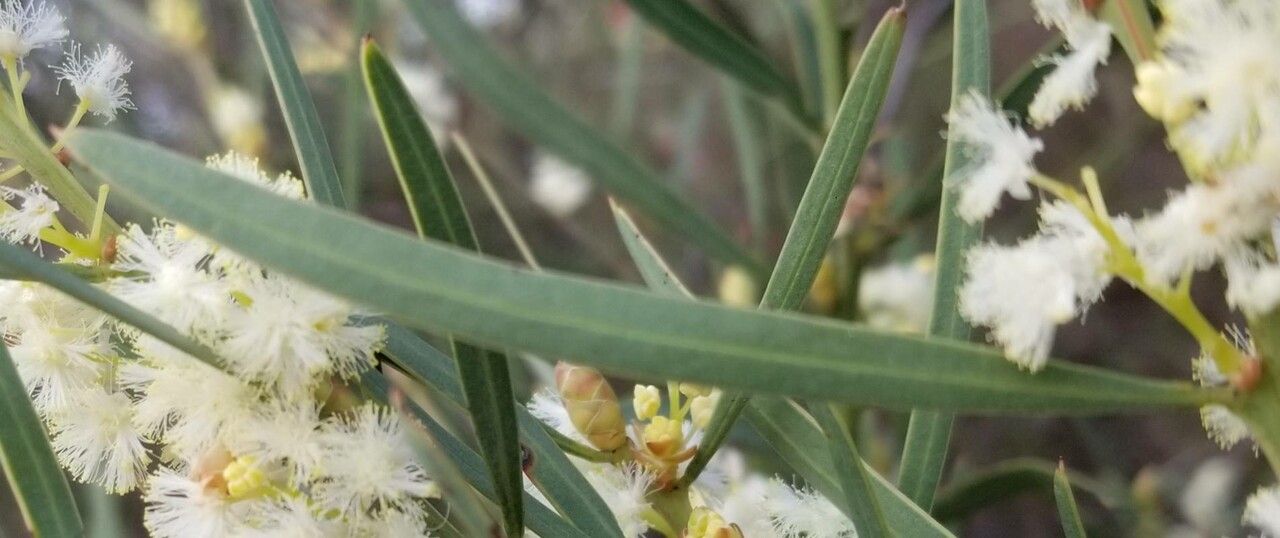
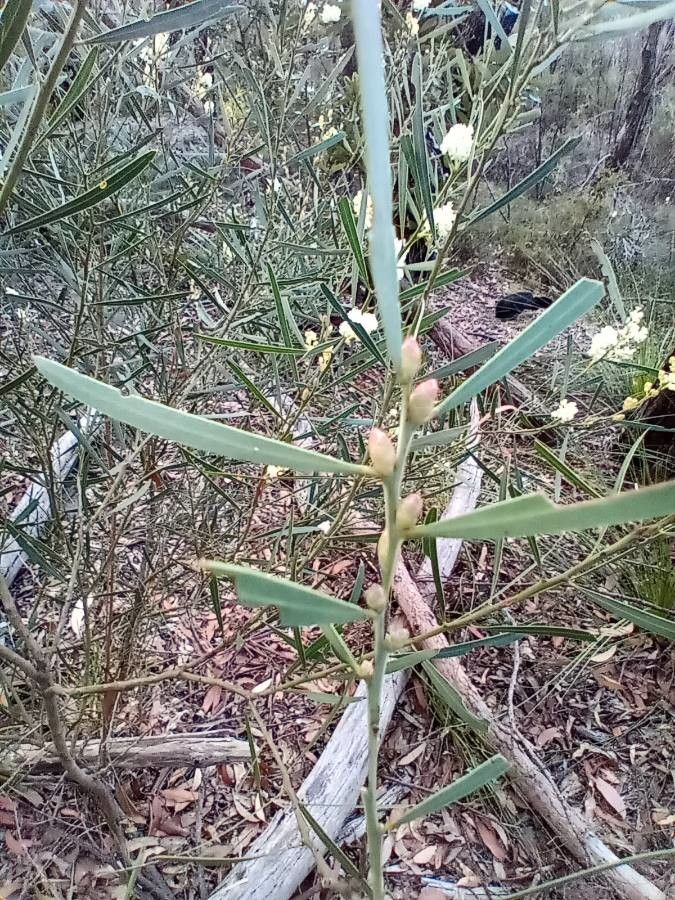
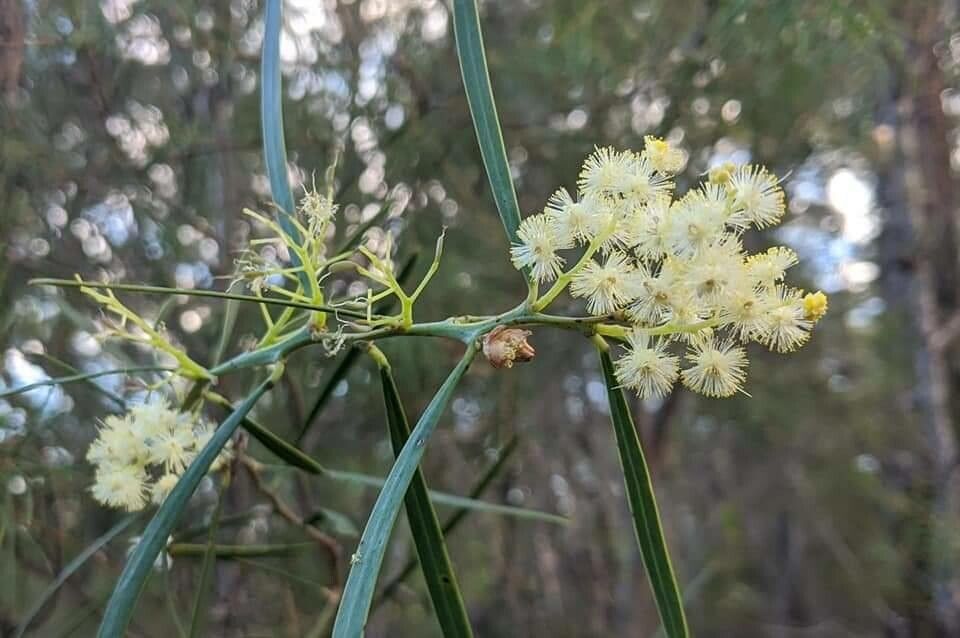
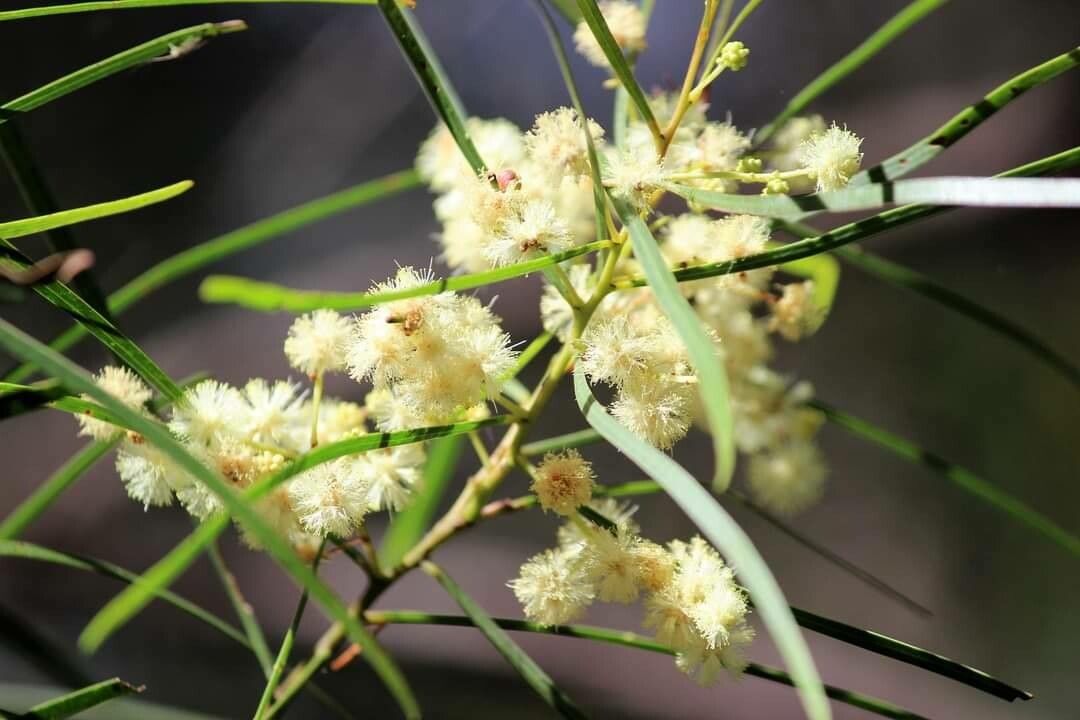
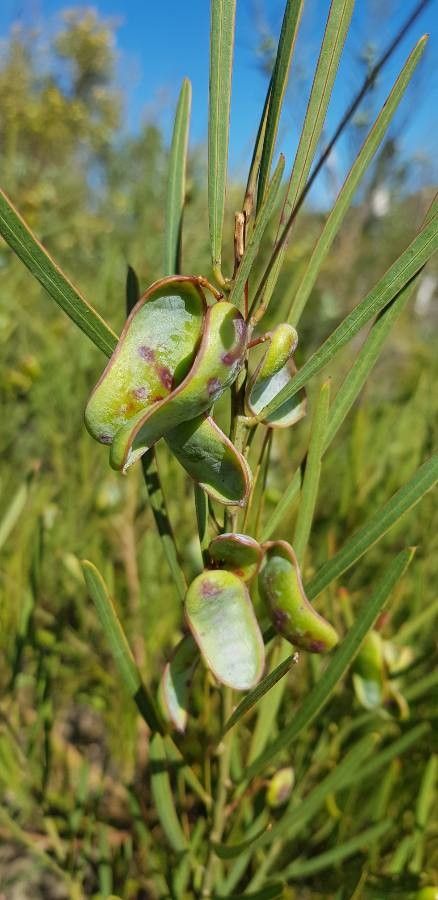
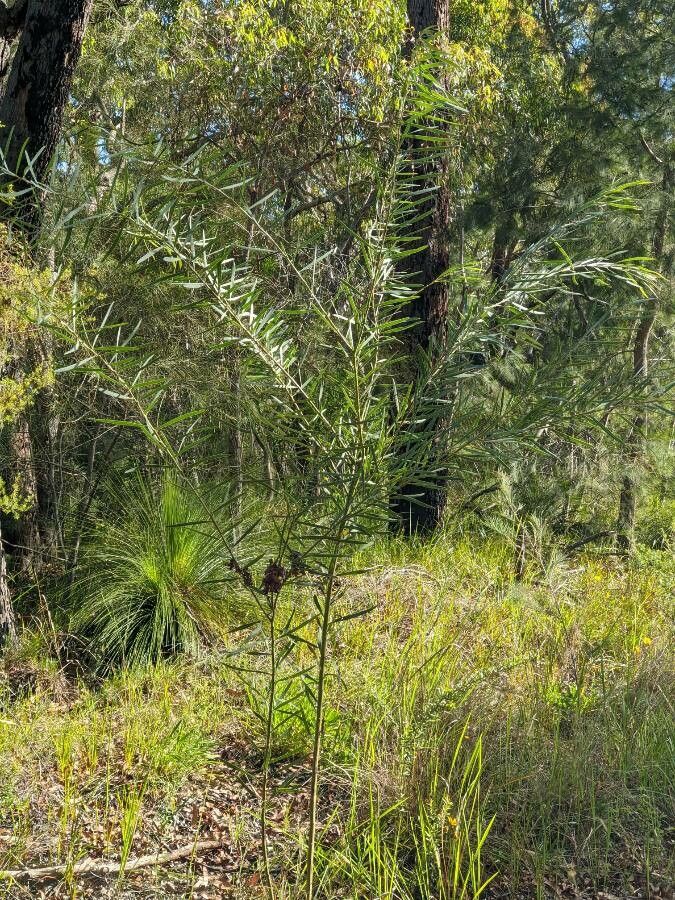
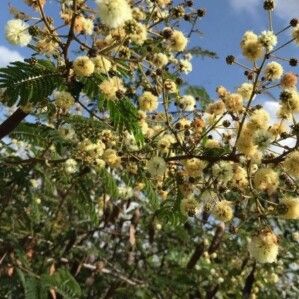
Acacia suaveolens (sweet wattle) is a shrub species endemic to Australia. It grows to between 0.3 and 3.5 metres high and has smooth purplish-brown or light green bark and has straight or slightly curving blue-green phyllodes The pale yellow to near white globular flower heads generally appear between April and September in its native range. These are followed by flattened, bluish oblong pods which are up to 2 to 5 cm long and 8 to 19 mm wide.The species was first formally described by English botanist James Edward Smith in 1791 in Transactions of the Linnean Society of London He described it with reference to a cultivated plant at Syon House which had been raised by Thomas Hoy from seed that originated from New South Wales. The species was transferred into the genus Acacia by Carl Ludwig Willdenow in 1806.The species occurs naturally on sandy soils in heathland and dry sclerophyll forest in South Australia and Victoria, Tasmania, New South Wales and Queensland.
Sweet wattle shows good resistance to disease and is generally not susceptible to illnesses. Regarding care, this plant is fairly low-maintenance. When grown outdoors it needs minimal watering, and larger plants typically do not require pruning. Smaller plants, however, should be pruned after they have bloomed. Sweet wattle is appropriate for anyone with an outdoor area, such as a garden or deck, and does not need a lot of gardening experience.
How to keep Acacia Suaveolens.
Light
Sweet wattle comes from open habitats, such as sunny meadows and forest edges, which supply abundant light. It flourishes in Full Sun but can also tolerate Partial Sun, adapting well to different sunlight conditions.
Water
Sweet wattle, a plant native to Australia, is highly drought-tolerant and thrives in low-water conditions. For optimal growth, it should be watered weekly. This plant is perfect for xeriscapes and rock gardens, making it an excellent choice for landscapes focused on water conservation.
Temperature
Sweet wattle shows strong adaptability to a range of climate conditions, from blazing summers to cold winters. It does, however, have a preferred temperature range for optimal growth. When temperatures become excessively high, the plant can suffer from heat and humidity stress, which may cause it to die. In areas where temperatures near the lower boundary of its cold tolerance, it is important to provide insulation to protect the plant.
Fertilizer
Timing is essential for fertilizing Sweet wattle. Apply fertilizer in early spring and continue once a month until early summer. The fertilizer encourages attractive flowers and supplies energy during both dormant and active growth stages.
Pruning
Sweet wattle is a resilient shrub known for its fragrant yellow flowers. To encourage dense growth, remove dead branches, and maintain its shape, prune the shrub from early to late winter. Proper pruning also promotes flowering and reduces the risk of pests. Be sure to use clean, sharp tools for the best results in your maintenance efforts.
Botanical profile.
- Plant Type
- Shrub
- Life Cycle
- Perennial
- Genus
- Acacia
- Family
- Fabaceae
- Hardiness Zone
- 9-11
- Mature Height
- 0.91 m to 3.05 m
- Mature Spread
- 0.91 m to 2.13 m
- Leaf Color
- Dark Green
- Leaf Type
- Evergreen
- Flower Size
- 0.51 cm to 0.76 cm
- Bloom Time
- Late fall, Early winter, Mid winter
- Planting Time
- Spring
- Harvest Time
- Late winter, Early spring, Mid spring
Other names.
Reader questions.
What are the sunlight requirements for Sweet Wattle?
Sweet Wattle (Acacia suaveolens) thrives in conditions that meet its sunlight requirements, which vary based on the intensity of exposure. For full sun, the plant should receive above 6 hours of sunlight daily, ideal for its growth and development. In cases of partial sun, about 3-6 hours of sunlight is sufficient, accommodating spots in the garden that offer a mix of light and shade. It's important to observe how sunlight moves through your garden, selecting locations that provide the perfect balance to ensure your Sweet Wattle's happiness.