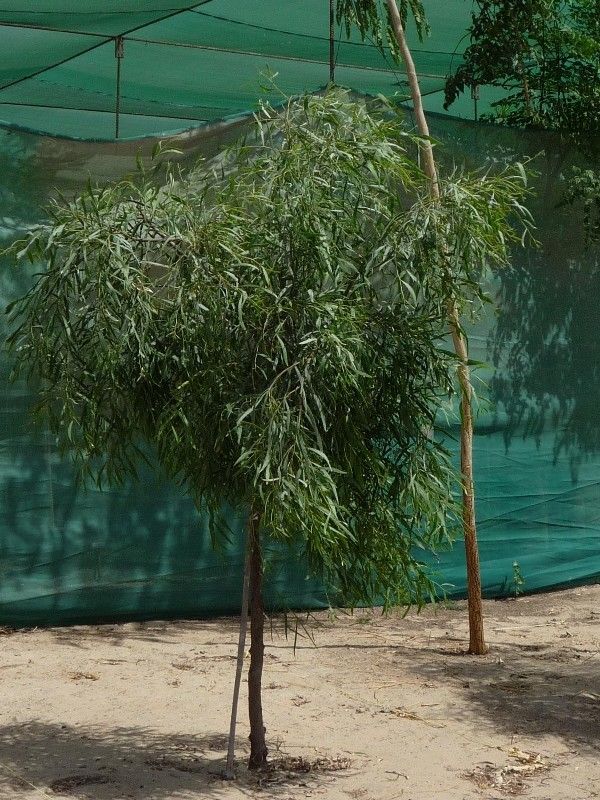
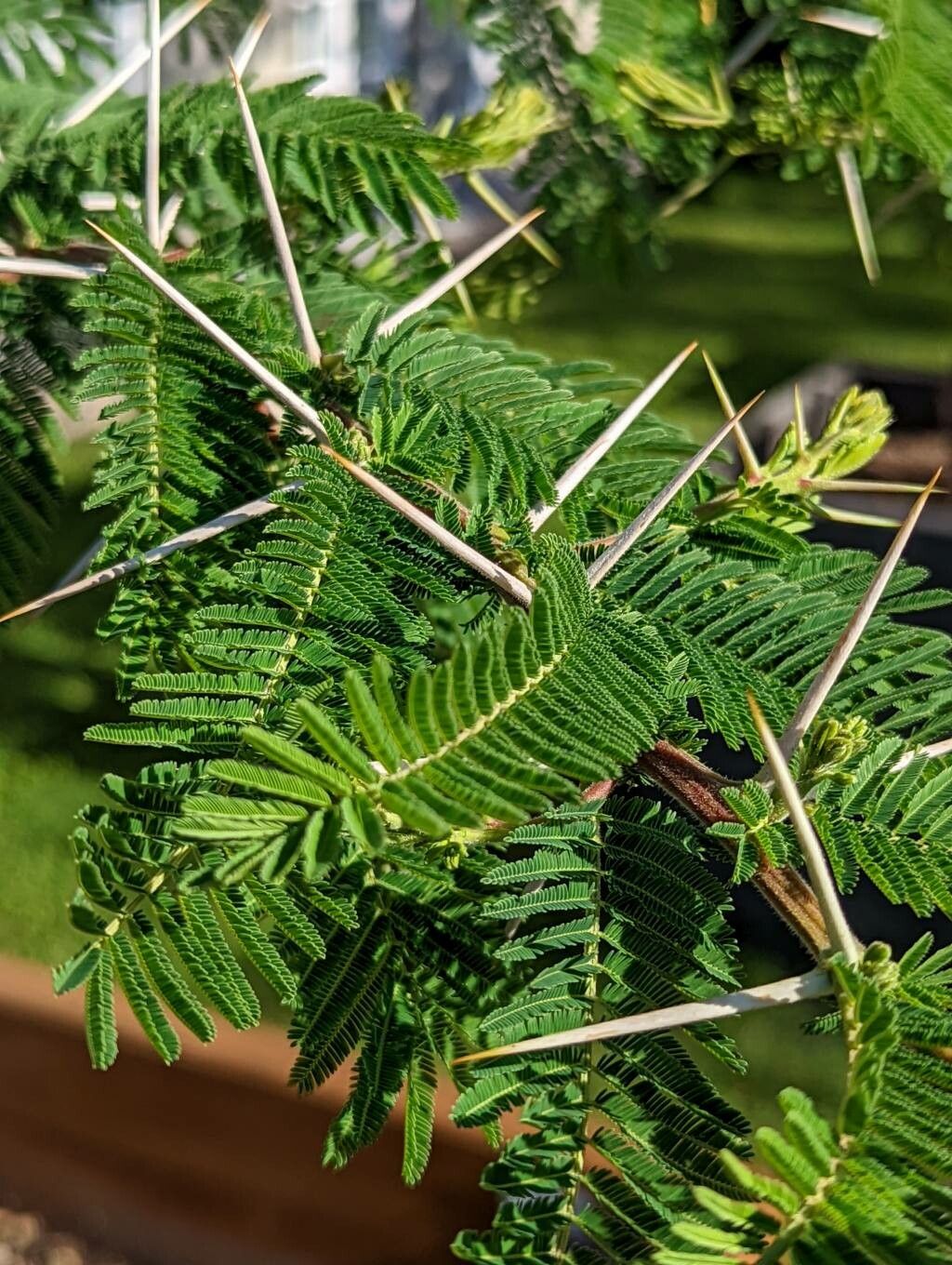
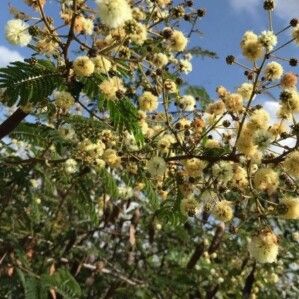
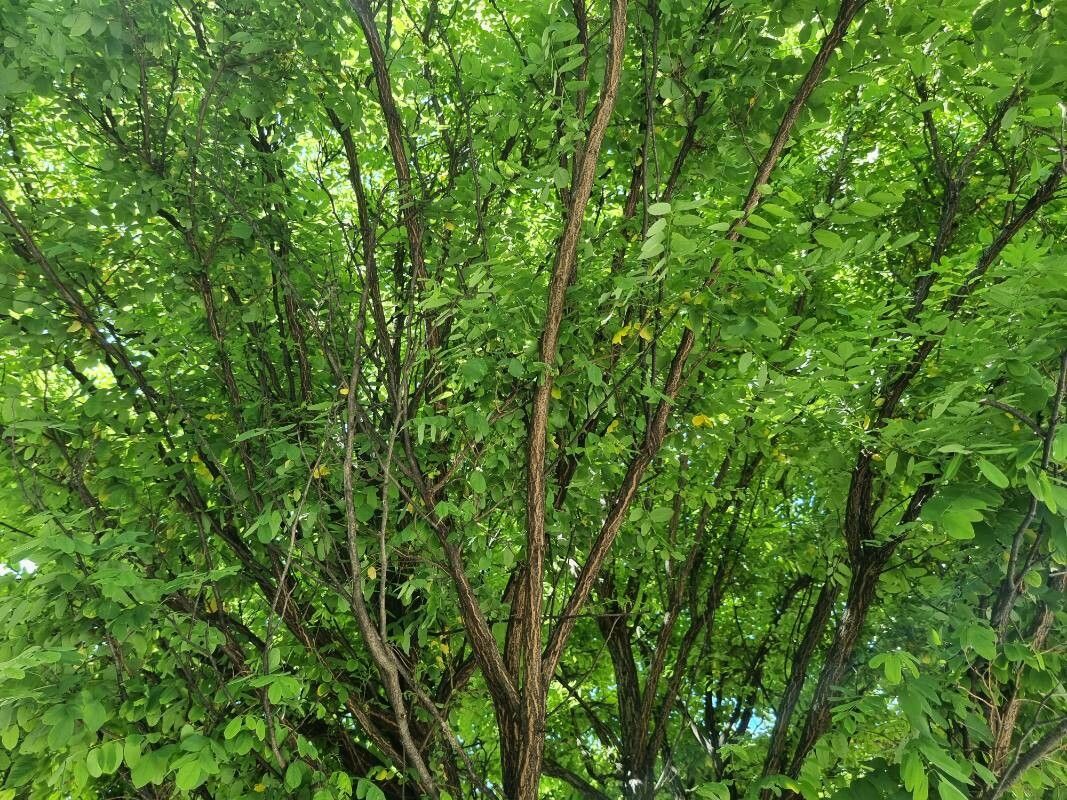
Acacia stenophylla, commonly known as Shoestring Acacia, is a small to medium-sized evergreen tree in the Fabaceae family. Native to Australia, it thrives in arid and semi-arid regions. This tree can reach heights of up to 30 feet with a spread of about 20 feet.
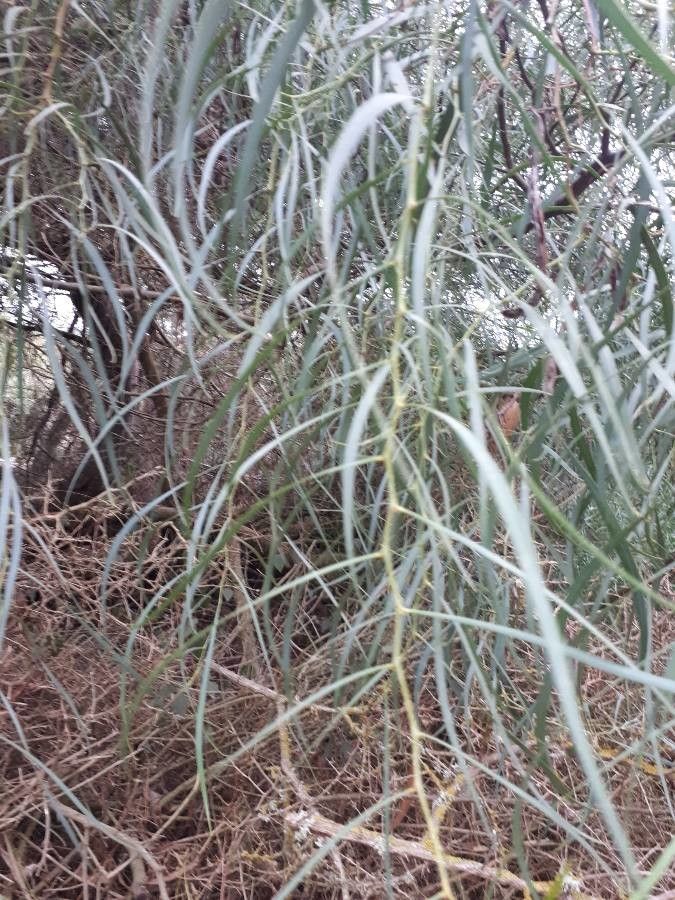
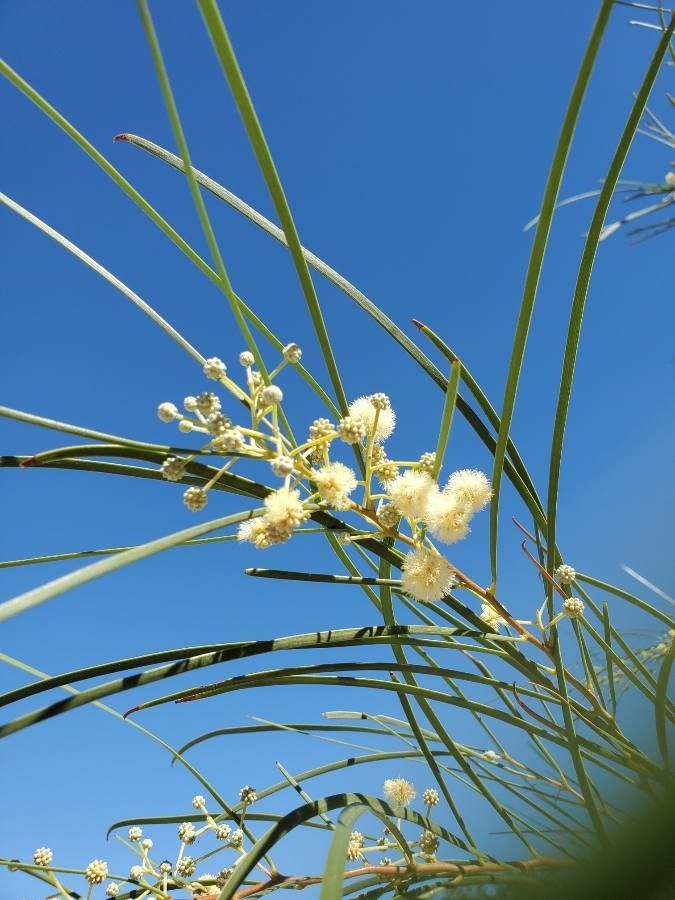
The leaves of Acacia stenophylla are long and narrow, resembling shoestrings—hence its common name. They are bluish-green and can grow up to 10 inches in length. The tree produces fragrant yellow flowers that bloom from late winter to early spring.
Drought-tolerant and able to withstand poor soil conditions, Acacia stenophylla is often used for erosion control due to its deep root system that helps stabilize soil on slopes or hillsides.
The wood of Acacia stenophylla is hardy and durable, making it suitable for furniture making and firewood. Additionally, its bark contains tannins, which have historically been used for medicinal purposes such as treating diarrhea and skin irritations.
Overall, Acacia stenophylla is a versatile plant with multiple uses, including ornamental landscaping, erosion control, wood production, and medicinal applications.
Dalby myall shows strong resistance to disease and is generally not susceptible to illnesses. Regarding care, this plant is fairly low-maintenance. When grown outdoors it needs little watering, and larger specimens usually do not require pruning. Smaller plants, however, should be pruned after they have finished blooming. Dalby myallt is suitable for anyone with an outdoor area, such as a garden or deck, and does not demand a lot of care experience.
How to keep Acacia Stenophylla.
Light
Dalby myall comes from open habitats, such as sunny meadows and forest margins, which supply abundant light. It performs best in Full Sun but can tolerate Partial Sun, adapting well to different light levels.
Temperature
Dalby myall shows good temperature adaptability, tolerating higher heat and wider temperature fluctuations. In hot conditions, attention should be paid to watering and suitable shading should be provided to avoid sunburn. Conversely, Dalby myall is relatively sensitive to low temperatures; although it can endure some cold, very cold conditions may cause frost damage.
Fertilizer
Apply fertilizer to your Dalby myall in early spring to promote healthy growth. Regular feeding boosts overall health, producing vigorous growth, increased tolerance of harsh conditions, and enhanced resistance to pests and diseases. Adhere to a specific fertilization schedule for your Dalby myall to keep the foliage vivid, richly colored, and lush in appearance.
Botanical profile.
- Plant Type
- Tree, Shrub
- Life Cycle
- Perennial
- Genus
- Acacia
- Family
- Leguminosae
- Hardiness Zone
- 9-11
- Mature Height
- 7.92 m
- Mature Spread
- 6.1 m
- Leaf Color
- Light Green, Olive
- Leaf Type
- Evergreen
- Flower Color
- Yellow
- Flower Size
- 0.51 cm to 0.76 cm
- Bloom Time
- Mid summer, Late summer, Early fall
- Planting Time
- Spring, Summer, Autumn
- Harvest Time
- Mid fall, Late fall, Early winter
Other names.