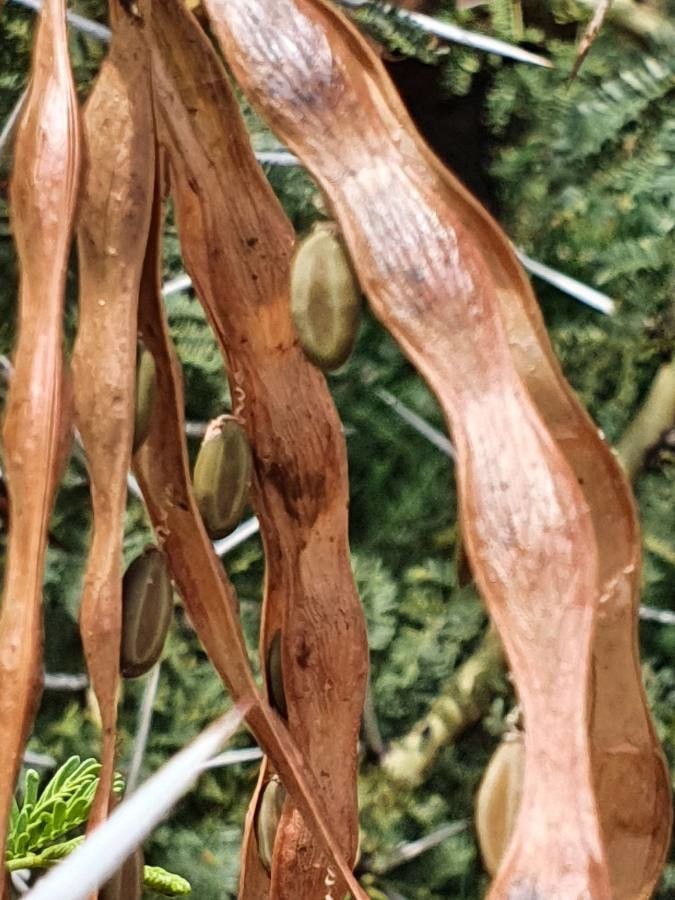
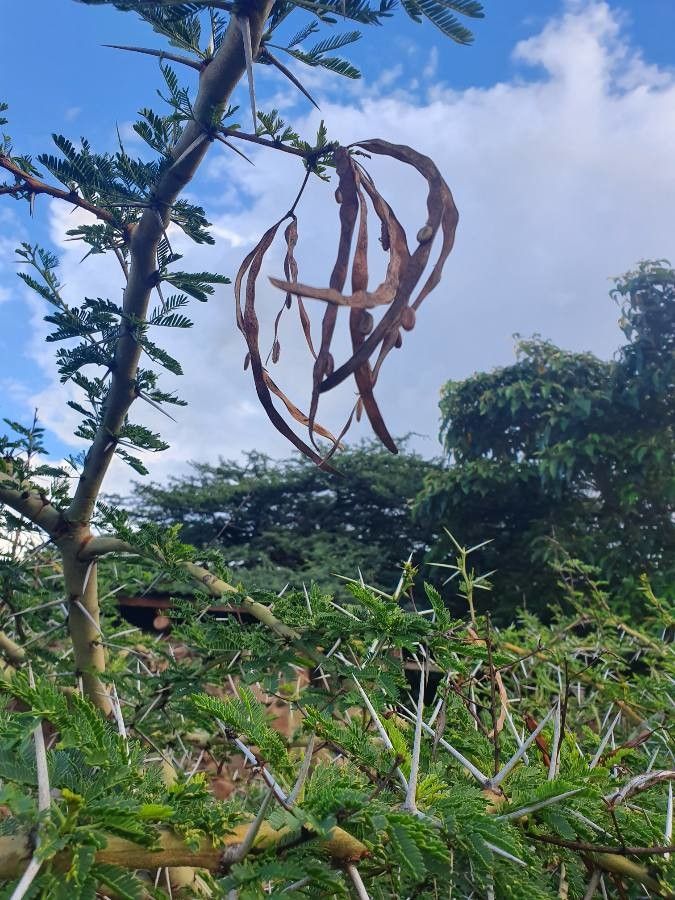
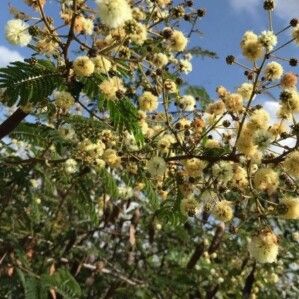
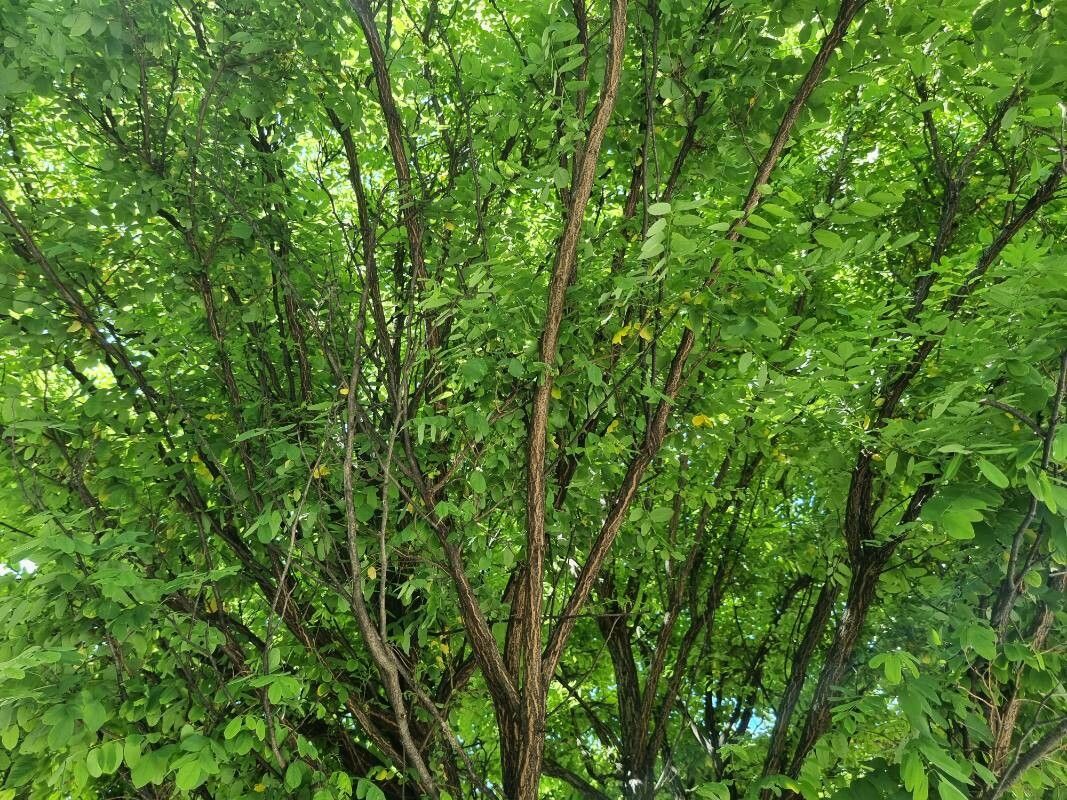
Acacia seyal, commonly known as the gum arabic tree, is a deciduous species that belongs to the Fabaceae family. This tree is renowned for producing gum arabic, a natural emulsifier and stabilizer widely used in various industries. Native to Africa, Acacia seyal can be found in countries such as Sudan, Ethiopia, Somalia, and Kenya.
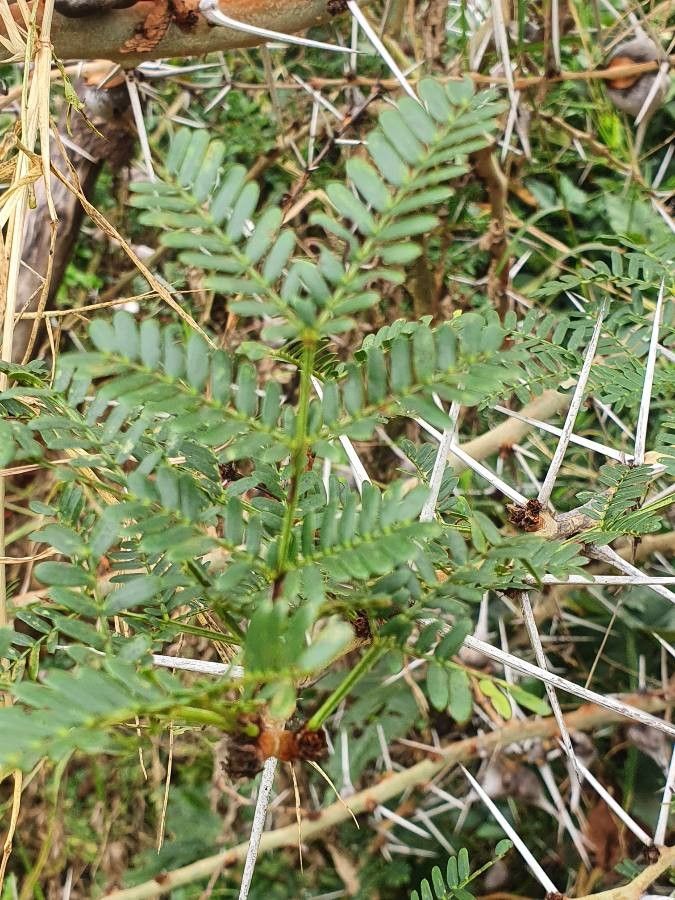
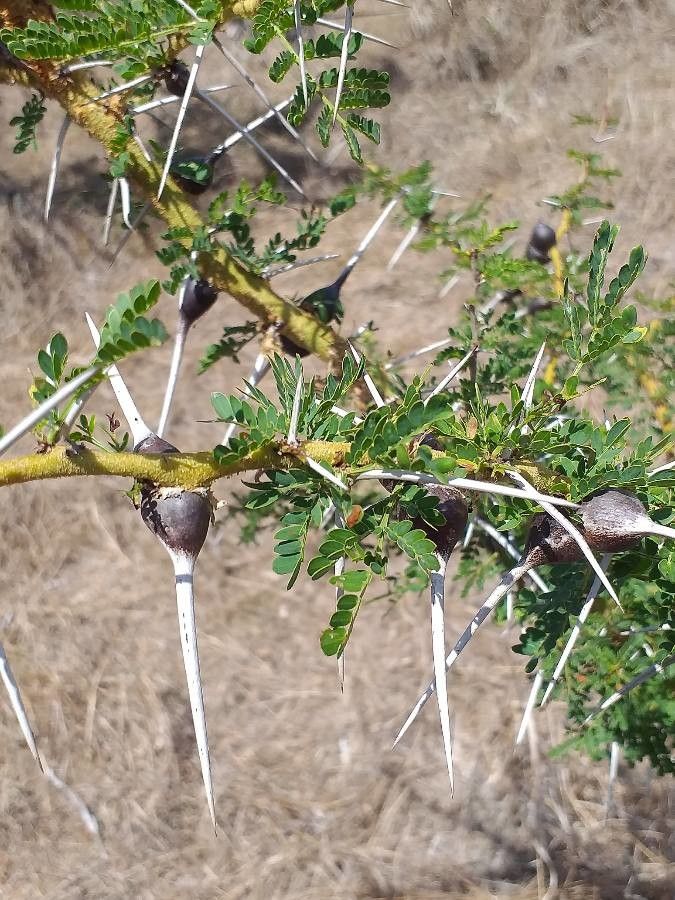
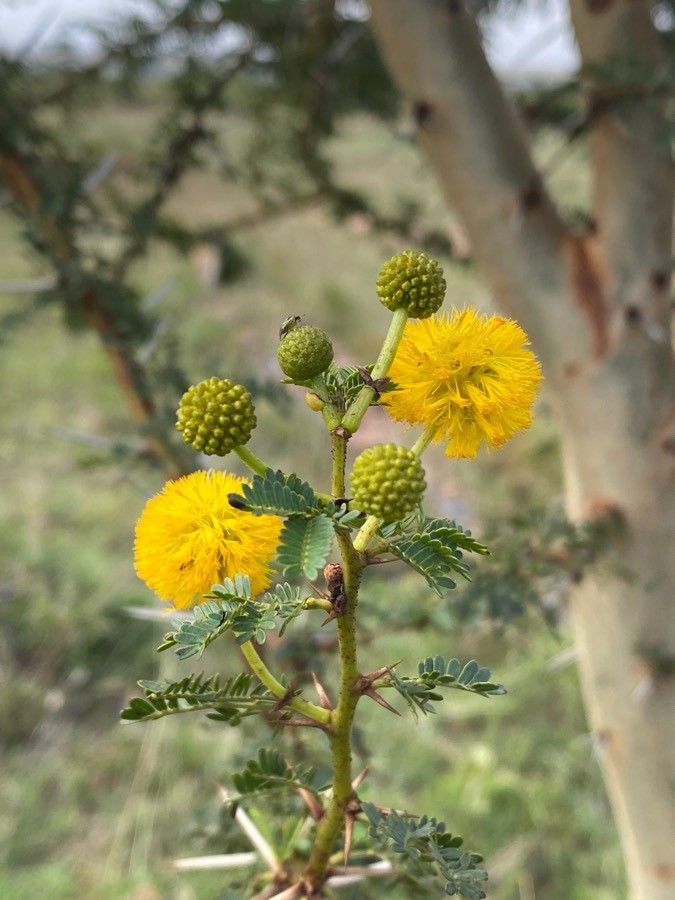
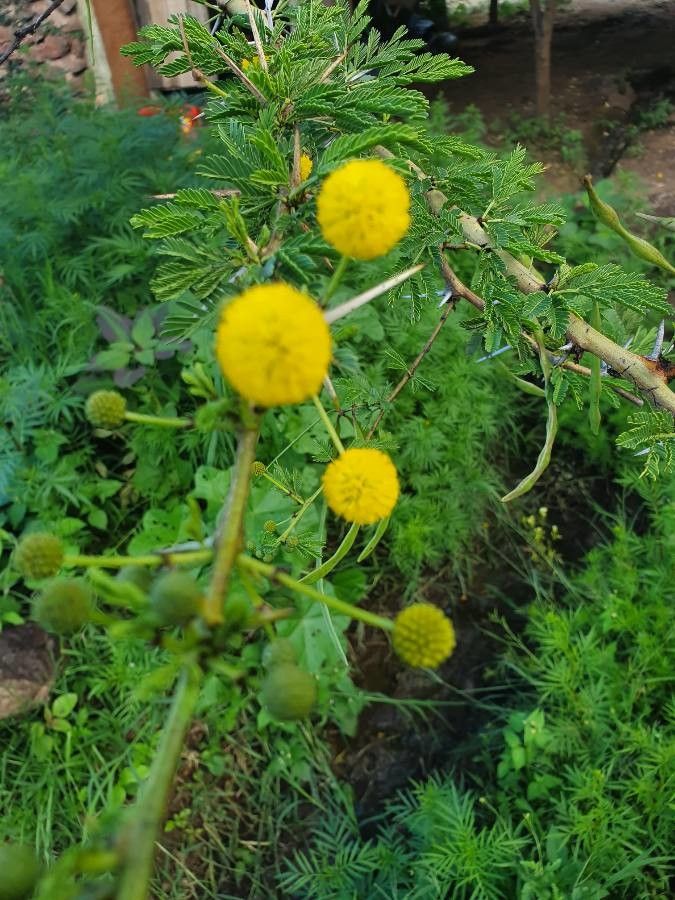
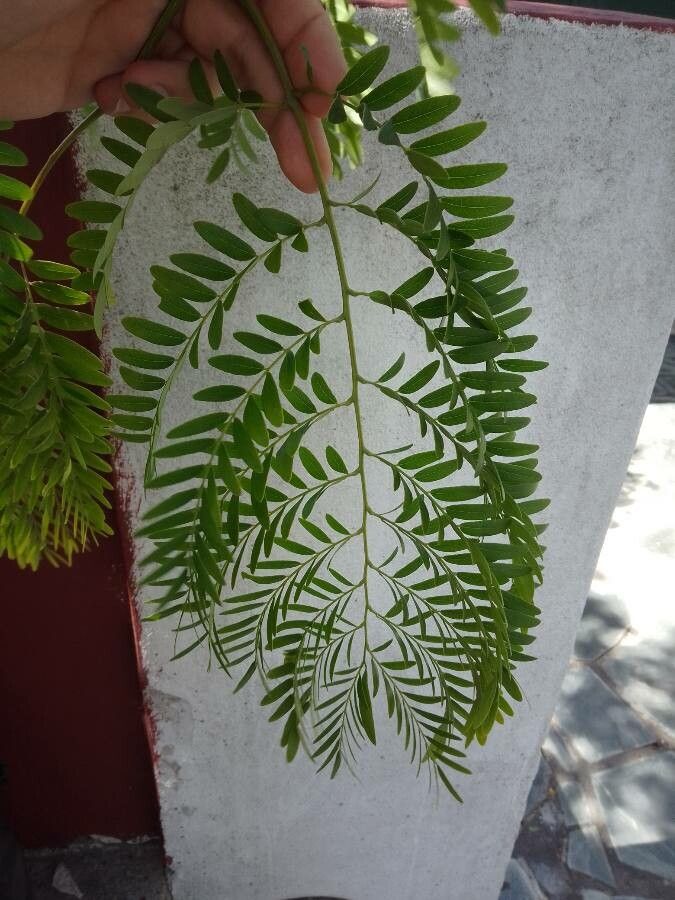
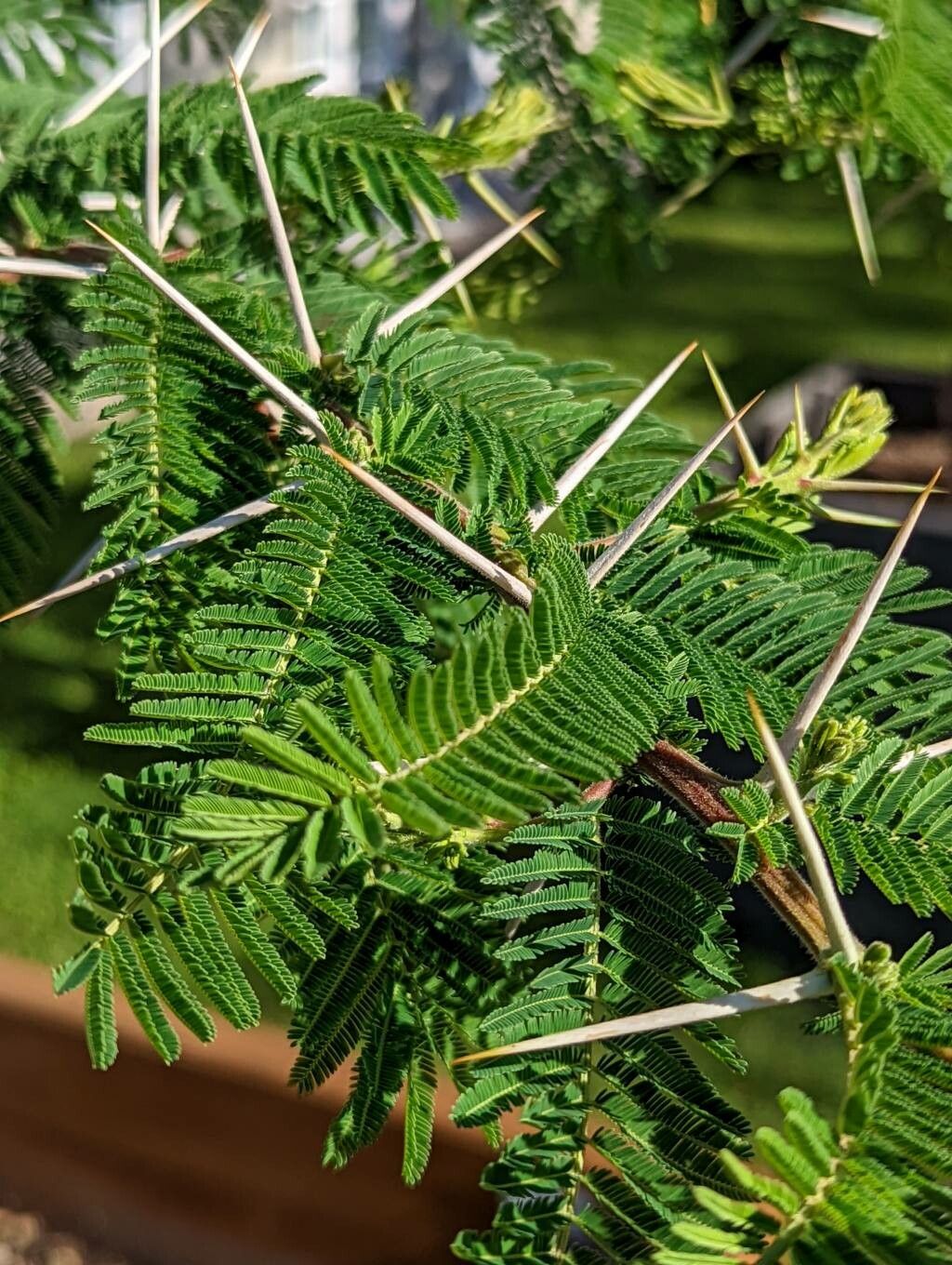
The Acacia seyal can grow up to 15 meters tall with a trunk diameter that can reach up to one meter. It features dark green, bipinnate leaves with small leaflets arranged along the branches. The flowers of this tree are small and yellowish-white.
Gum arabic from Acacia seyal has been used for centuries in traditional medicine to treat ailments such as sore throats, diarrhea, and skin infections. Additionally, it is employed in food production for its excellent emulsifying properties.
Ecologically, Acacia seyal is vital as it provides food and shelter for various animals, including giraffes, elephants, and baboons. Its deep roots aid in preventing soil erosion and contribute to soil fertility through nitrogen fixation.
In summary, Acacia seyal is a crucial plant species with a multitude of uses ranging from medicinal to industrial applications. It also plays a significant role in maintaining ecological balance within its native African habitat.
White whistling wood is resistant to disease and is generally not prone to illnesses. Care-wise, this plant is fairly low-maintenance. Planted outdoors it needs only light watering, and larger specimens typically do not require pruning. Smaller plants, however, should be pruned after they have finished blooming. White whistling wood is suitable for anyone with outdoor space, such as a garden or a deck, and does not demand extensive gardening experience.
How to keep Acacia Seyal.
Light
White whistling wood is native to open habitats like sunny meadows and forest margins, where light is plentiful. It does best in full sun but will also tolerate partial sun, adapting well to different levels of sunlight.
Temperature
White whistling wood comes from tropical areas, where the climate is usually warm and humid. Consequently, it is suited to high temperatures and humidity. It does not tolerate sudden temperature shifts and prefers a steady temperature, so avoiding indoor temperature fluctuations is important. It generally cannot withstand cold and needs warmer conditions to grow. If the surrounding temperature falls too low, the plant may stop growing or even die.
Fertilizer
Fertilization is essential for caring for White whistling wood. Consistent feeding during the growing season maintains the energy required for its showy leaves and encourages overall growth. Failing to fertilize can lead to unhealthy leaves, reduced ornamental value, and stunted or weak growth that is more susceptible to breakage.
Botanical profile.
- Plant Type
- Tree
- Life Cycle
- Perennial
- Genus
- Acacia
- Family
- Leguminosae
- Hardiness Zone
- 10-12
- Mature Height
- 4.88 m to 11.89 m
- Mature Spread
- 3.96 m to 7.92 m
- Leaf Color
- Green, Yellow Green
- Leaf Type
- Deciduous
- Flower Color
- Yellow
- Flower Size
- 1.02 cm to 1.52 cm
- Bloom Time
- Mid spring, Late spring, Early summer
- Planting Time
- Autumn
- Harvest Time
- Mid summer, Late summer, Early fall
- Native Area
- Burkina Faso, Djibouti, Somalia, Egypt, Saudi Arabia, Malawi, Zambia, Sudan, Nigeria, Yemen, Kenya, Niger, Uganda, Tanzania, Benin, Mali, Chad, Cameroon, Mozambique, Togo, Ghana, Senegal, Ethiopia, Algeria
Other names.