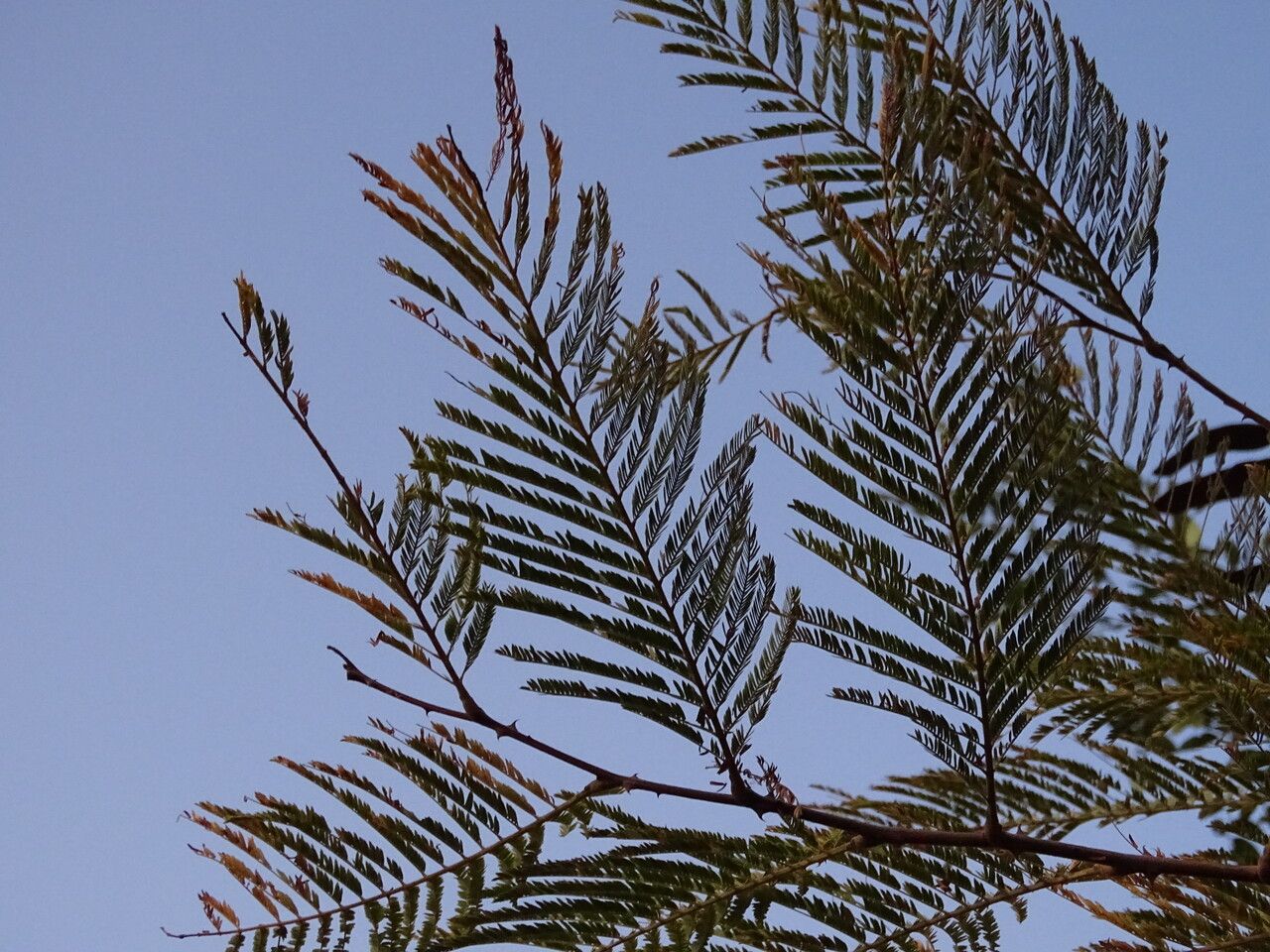
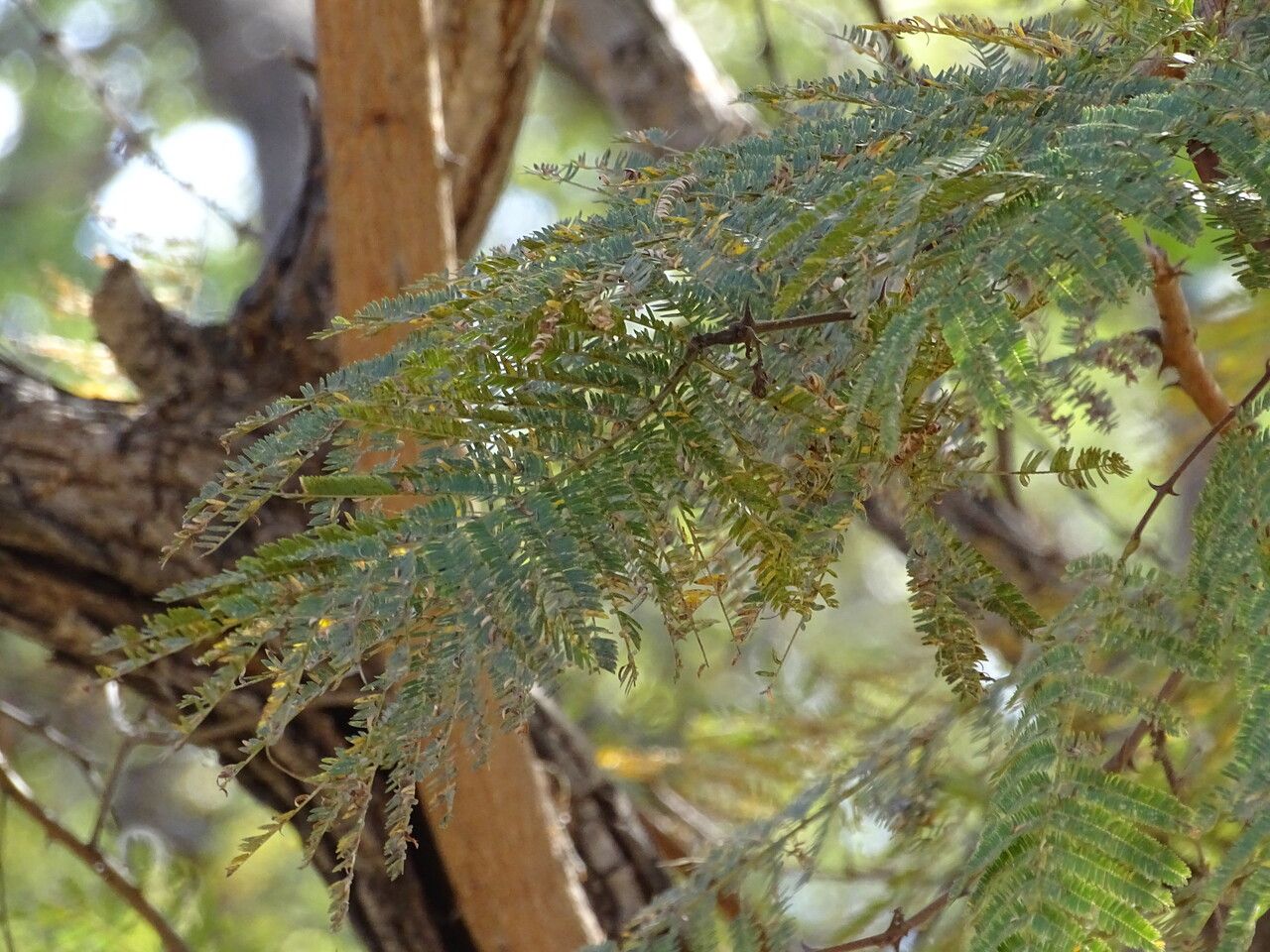
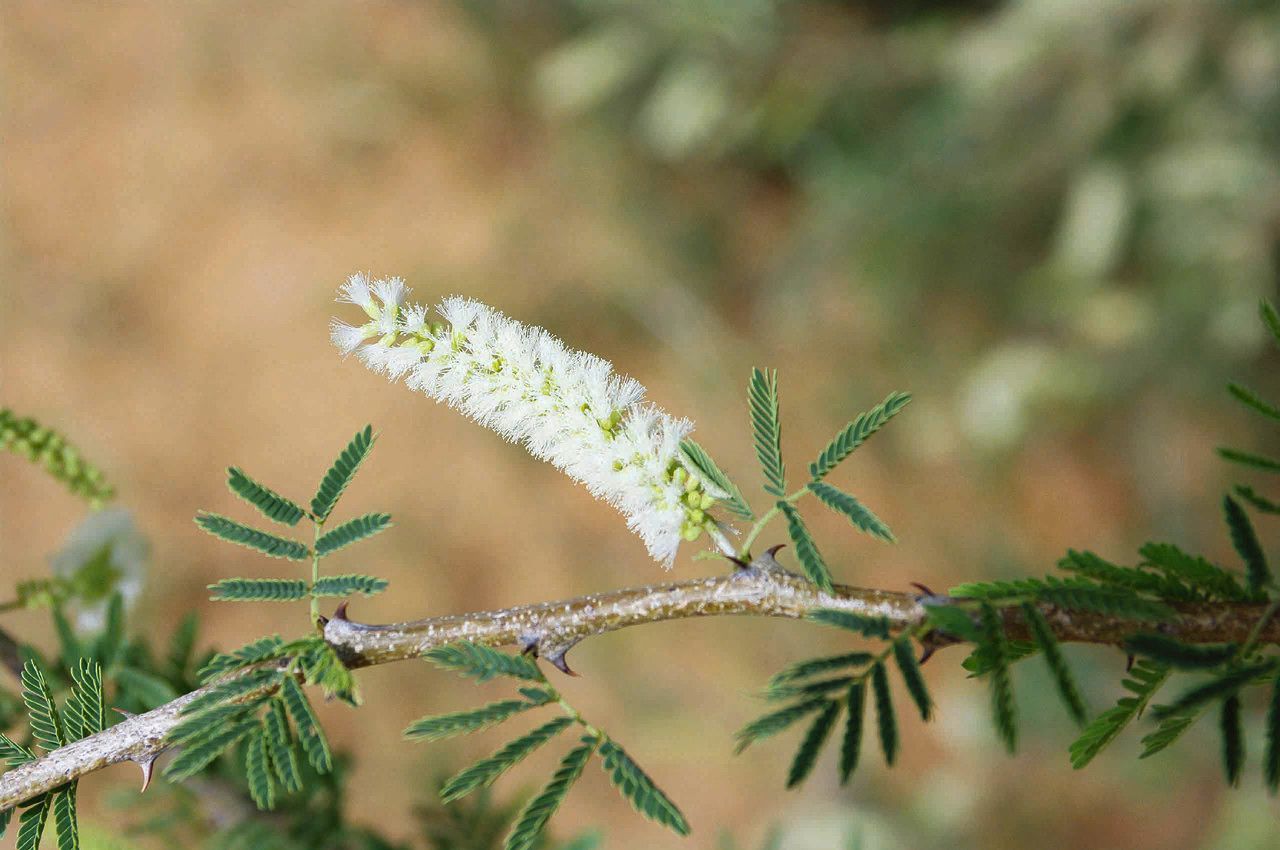
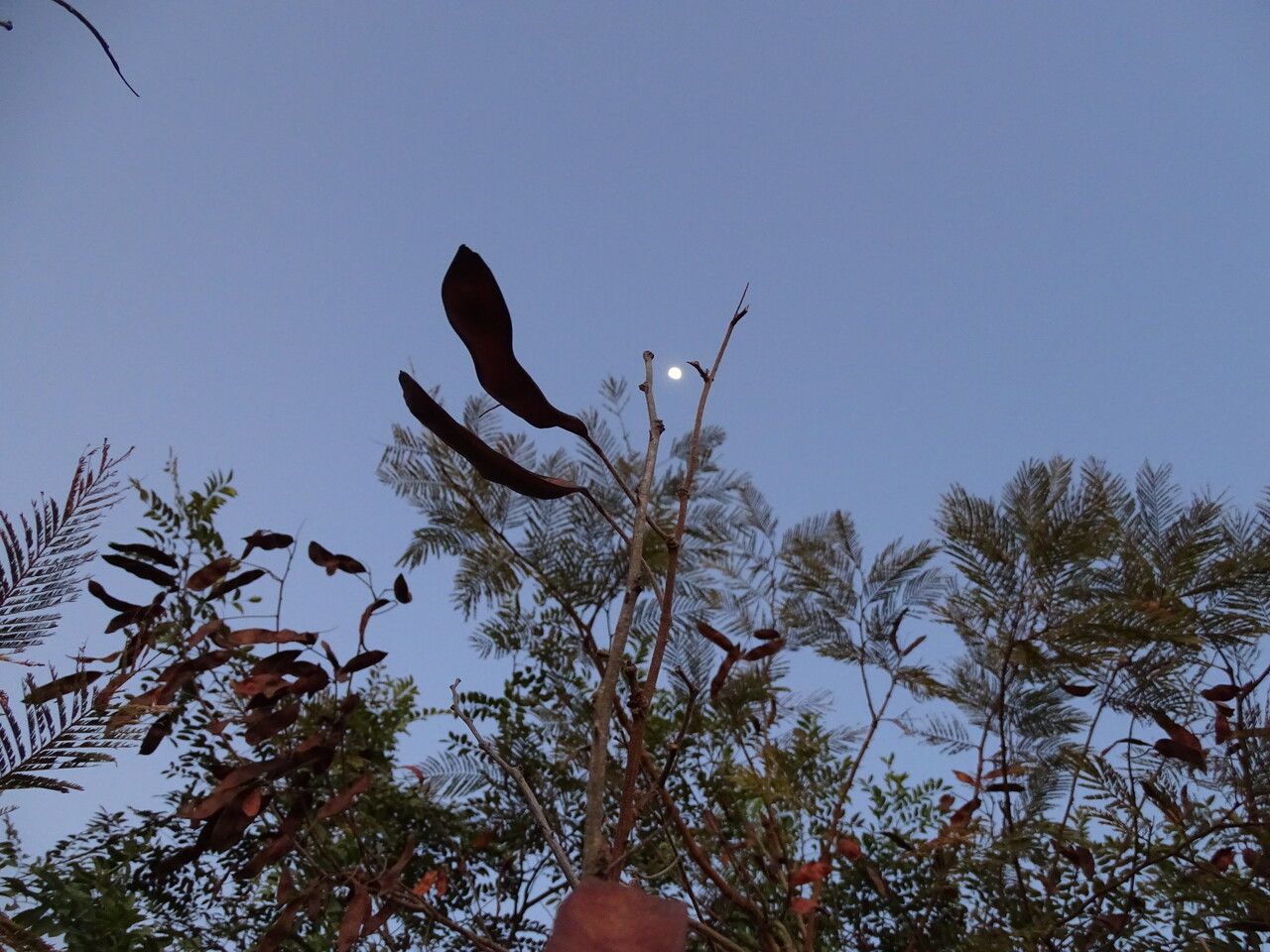
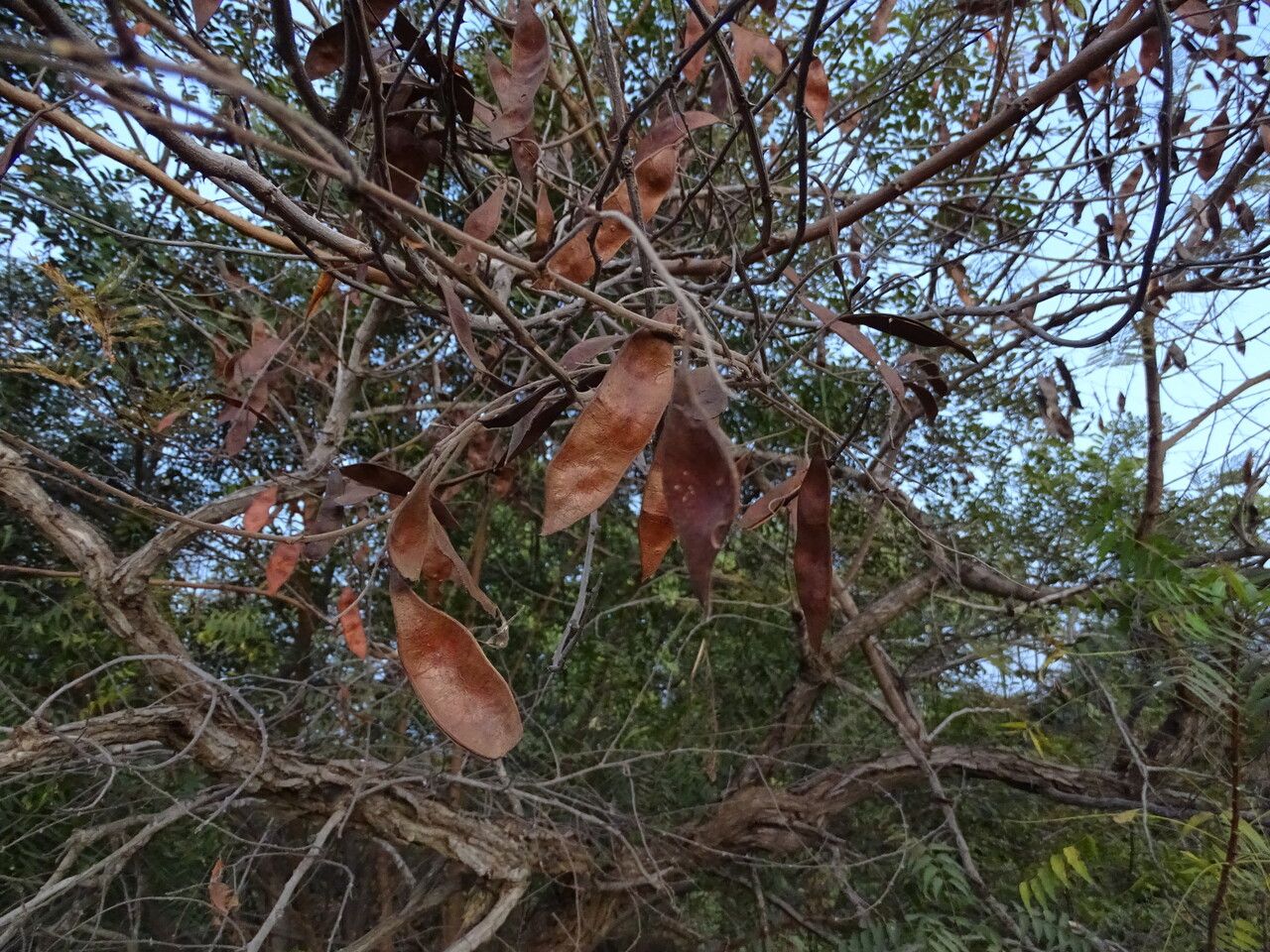
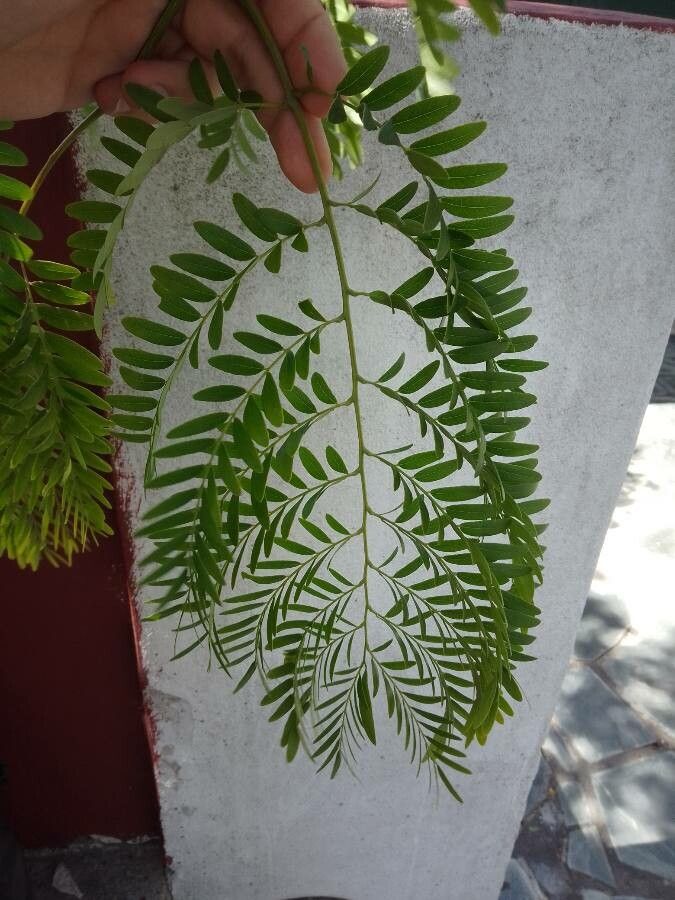
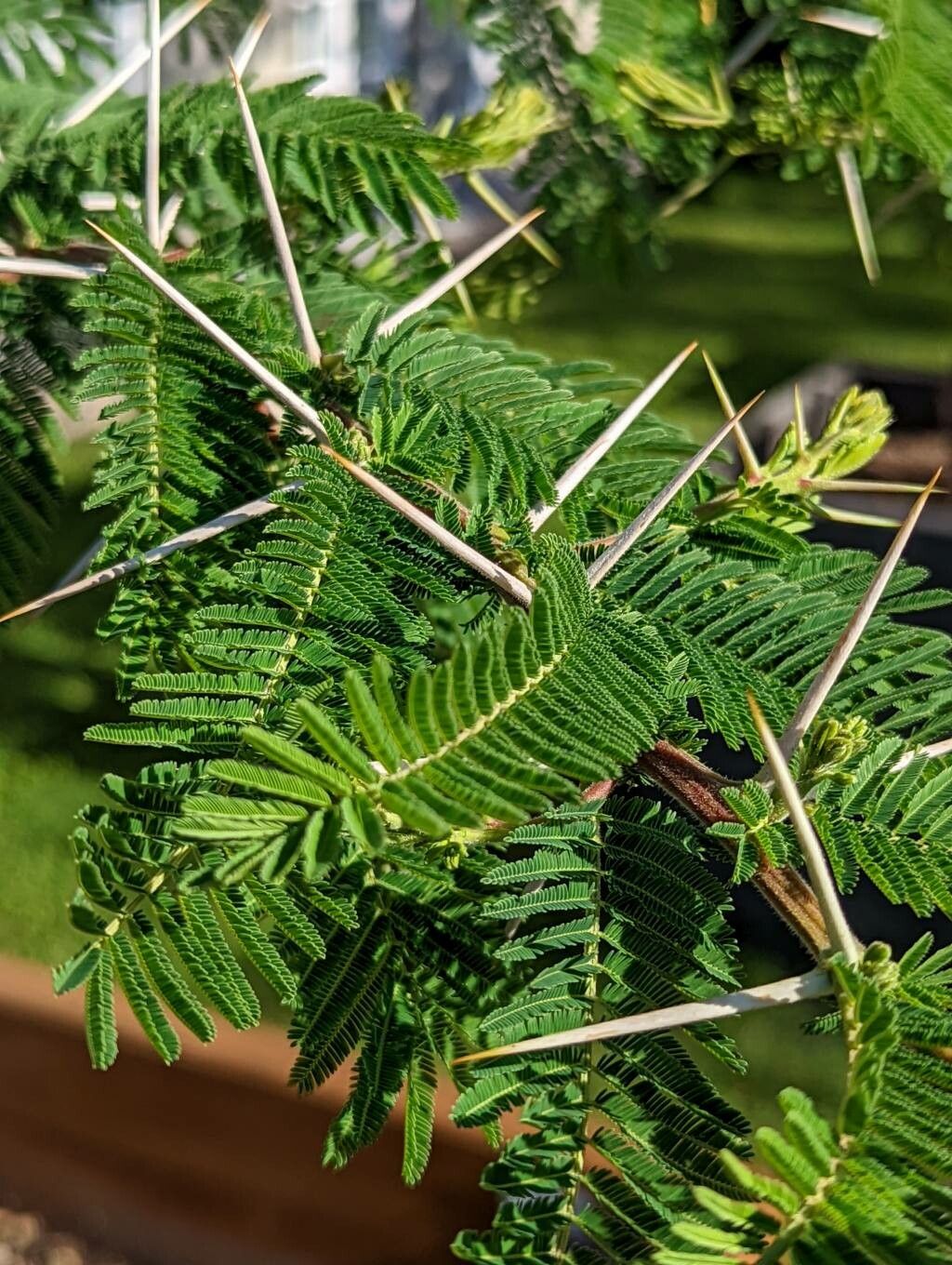
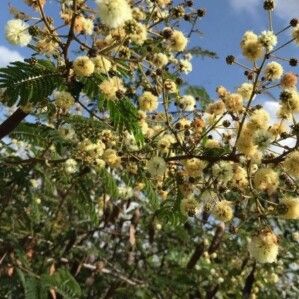
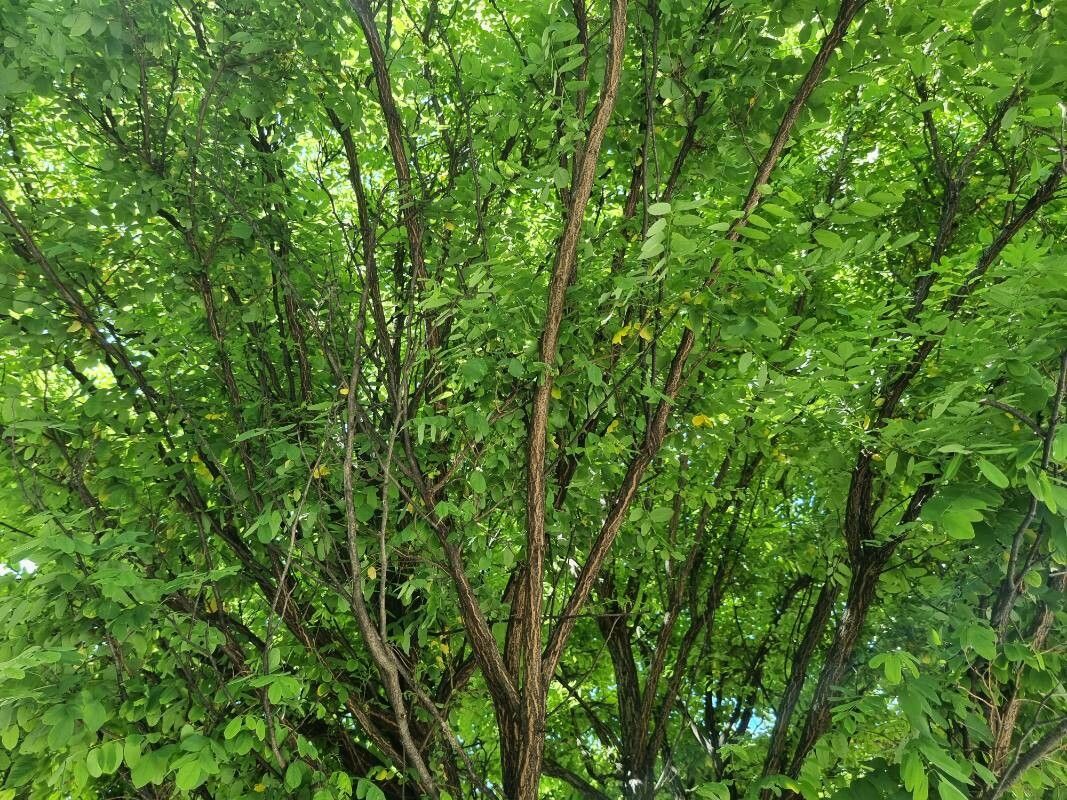
Acacia senegal, commonly known as the gum arabic tree, is a deciduous tree belonging to the Fabaceae family. Renowned for its production of high-quality gum, which has been utilized for centuries across various industries, this tree can reach heights of up to 15 meters. It features a distinctive umbrella-shaped canopy with small, feathery leaves.
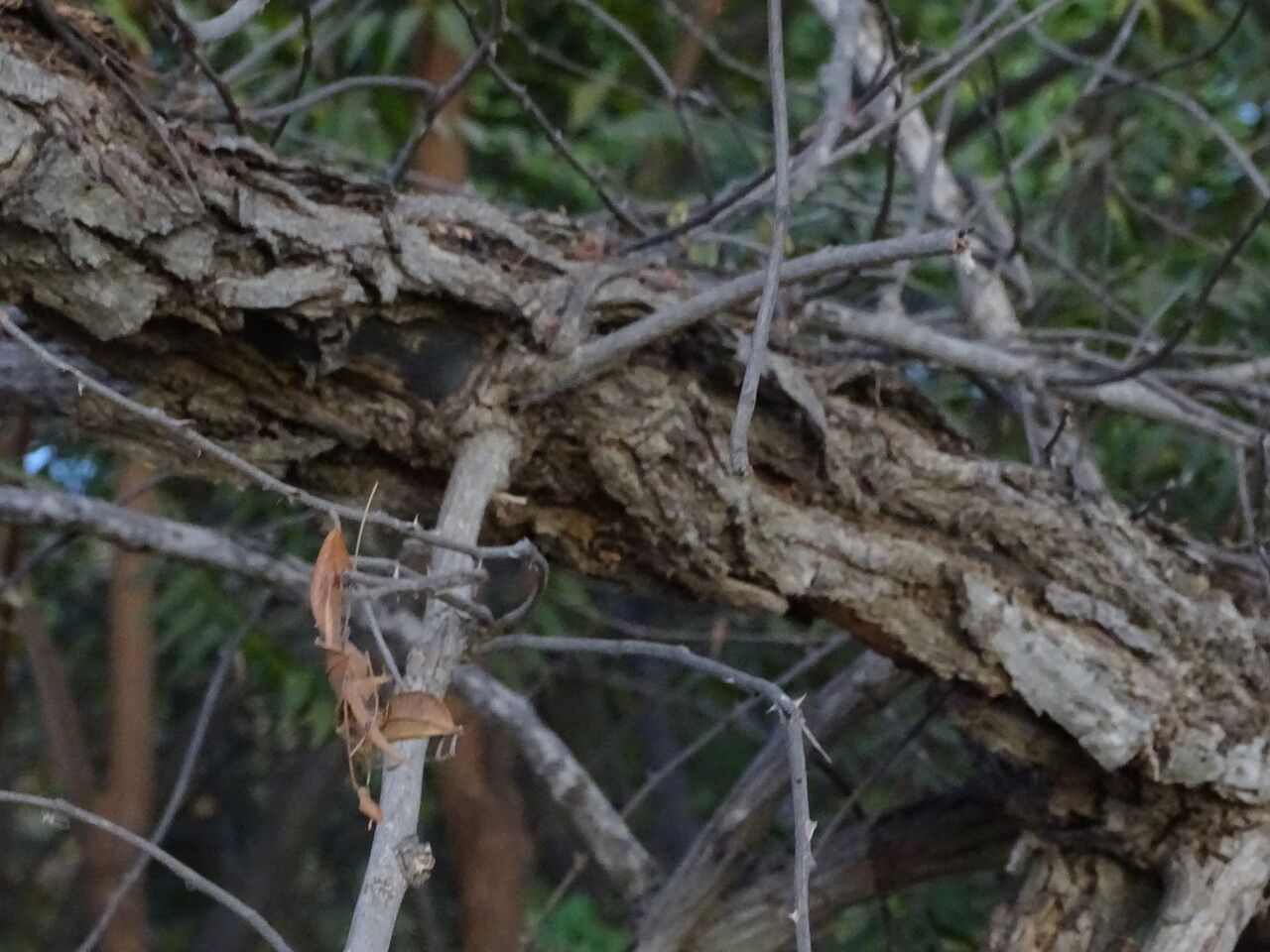
The bark of Acacia senegal is smooth and greyish-brown, marked by deep vertical fissures. Its wood is hard and durable, making it useful for construction purposes.
Native to the arid regions of Africa, particularly in Sudan and Senegal, Acacia senegal thrives in sandy soils with low nutrient content and can withstand high temperatures.
The gum produced by Acacia senegal has numerous applications, including serving as an emulsifier in food products such as soft drinks, candies, and baked goods. It is also used as an adhesive for stamps, a binder for watercolor paints, and even in the pharmaceutical industry due to its medicinal properties.
Beyond its commercial uses, Acacia senegal plays a crucial ecological role. It provides a food source for wildlife, such as giraffes, which feed on its leaves. Additionally, the tree helps prevent soil erosion by stabilizing the sandy soils in which it grows.
Overall, Acacia senegal is invaluable both economically, through the commercial production of gum arabic, and ecologically, by providing habitat and food sources while preventing soil erosion. This makes it one of the most significant plants found across Africa's arid regions today.
Botanical profile.
- Genus
- Acacia
- Family
- Leguminosae
Other names.