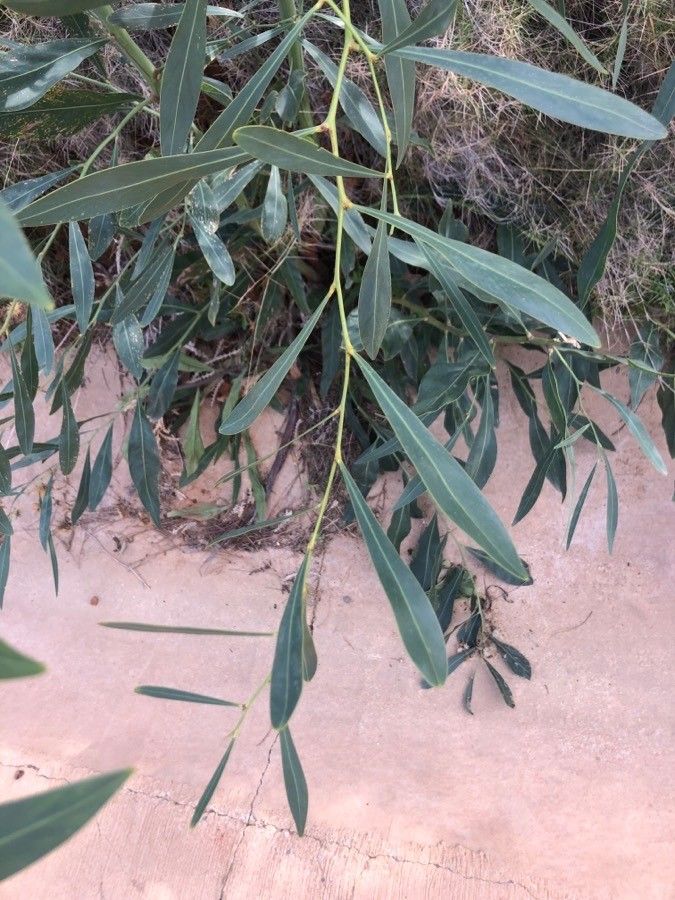
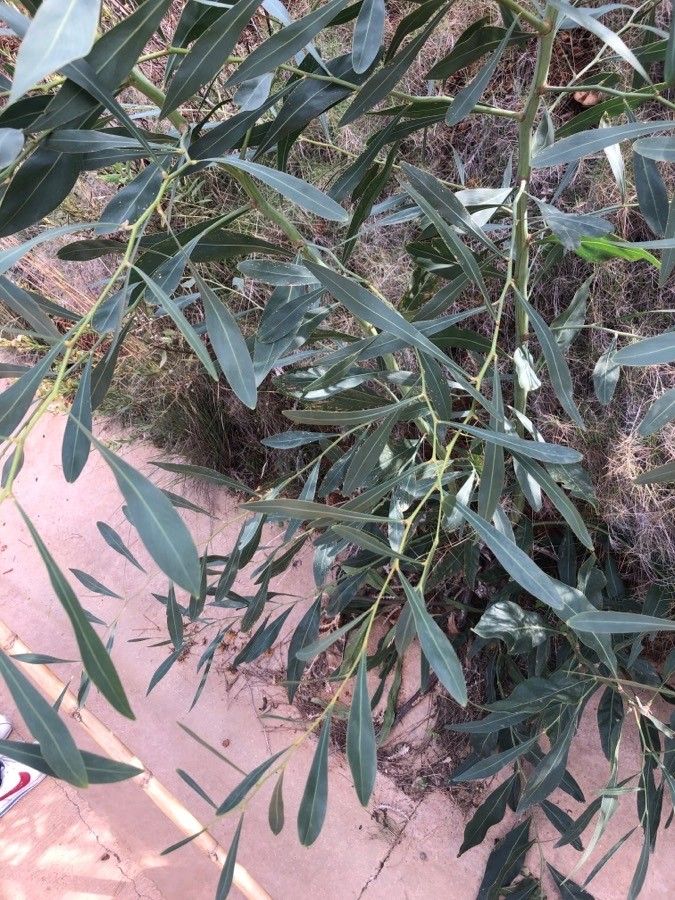
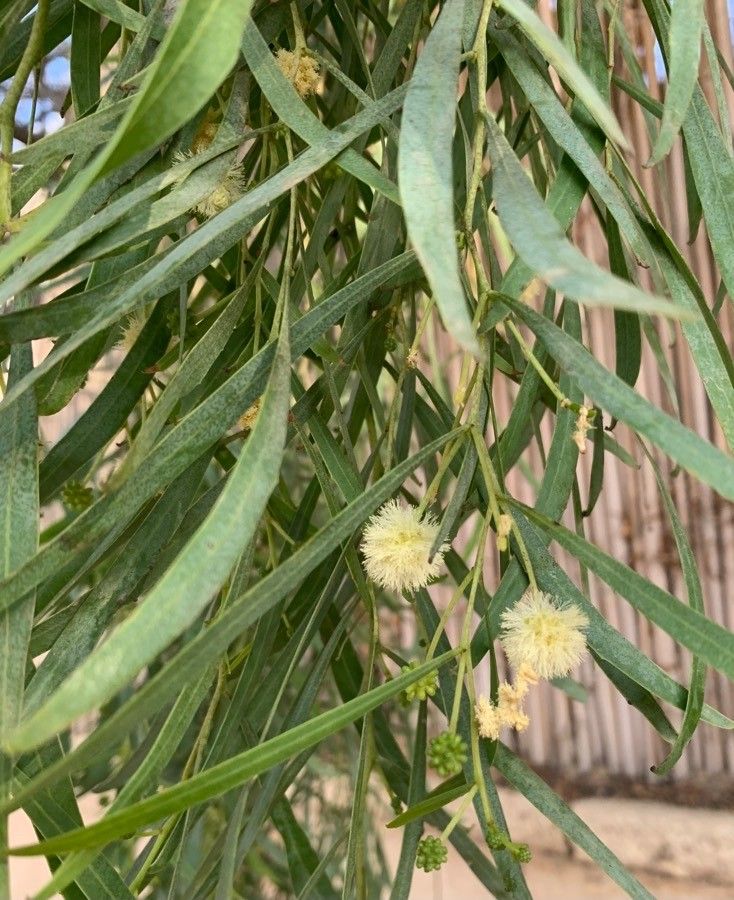
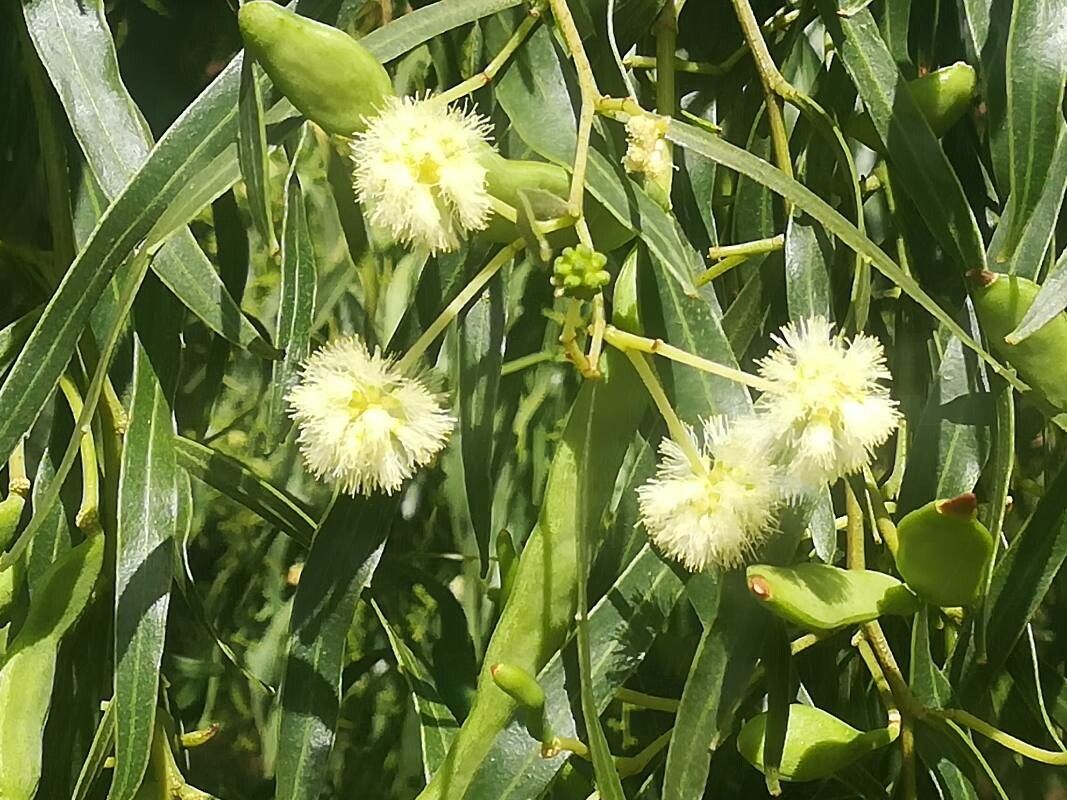
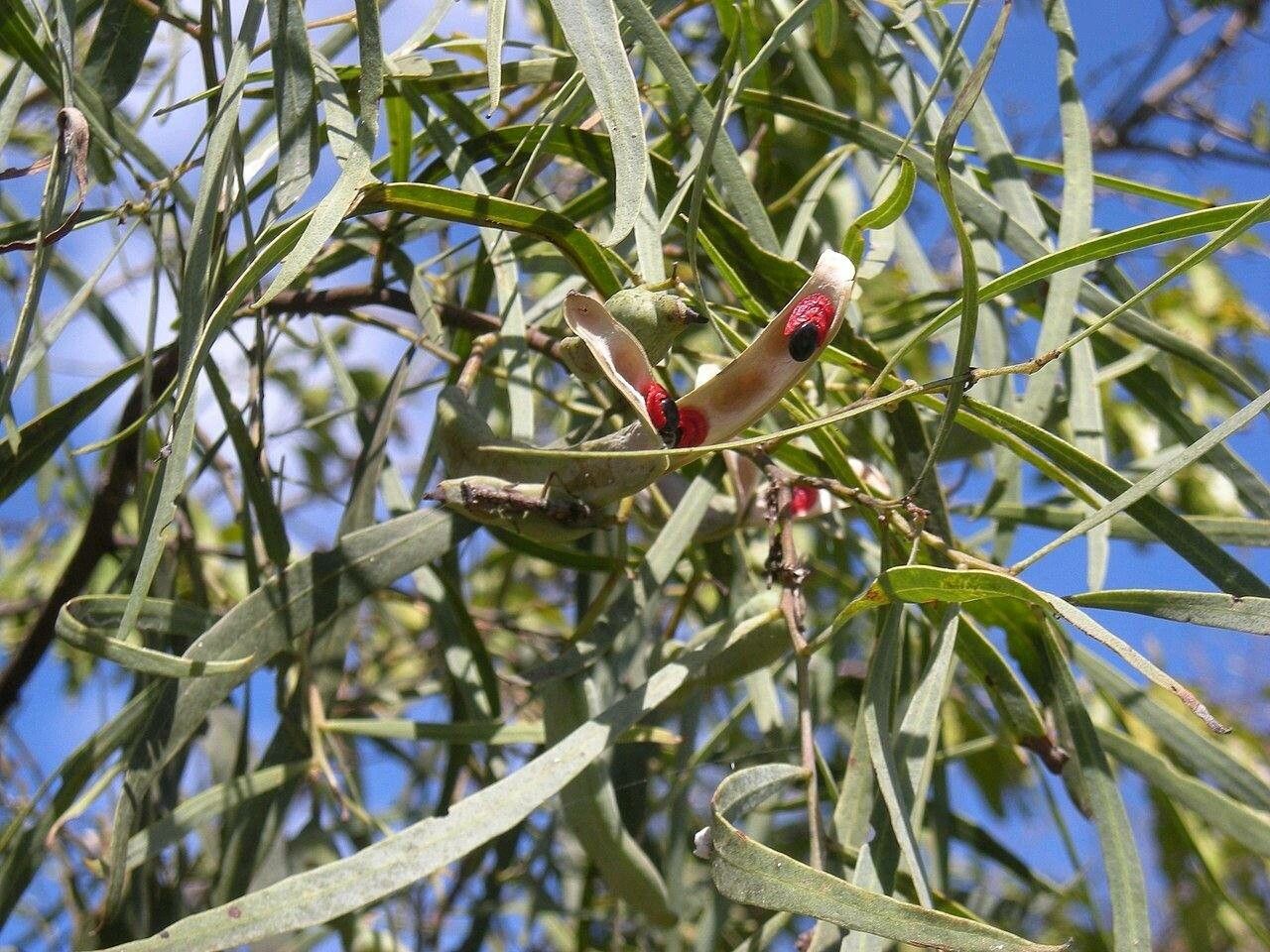
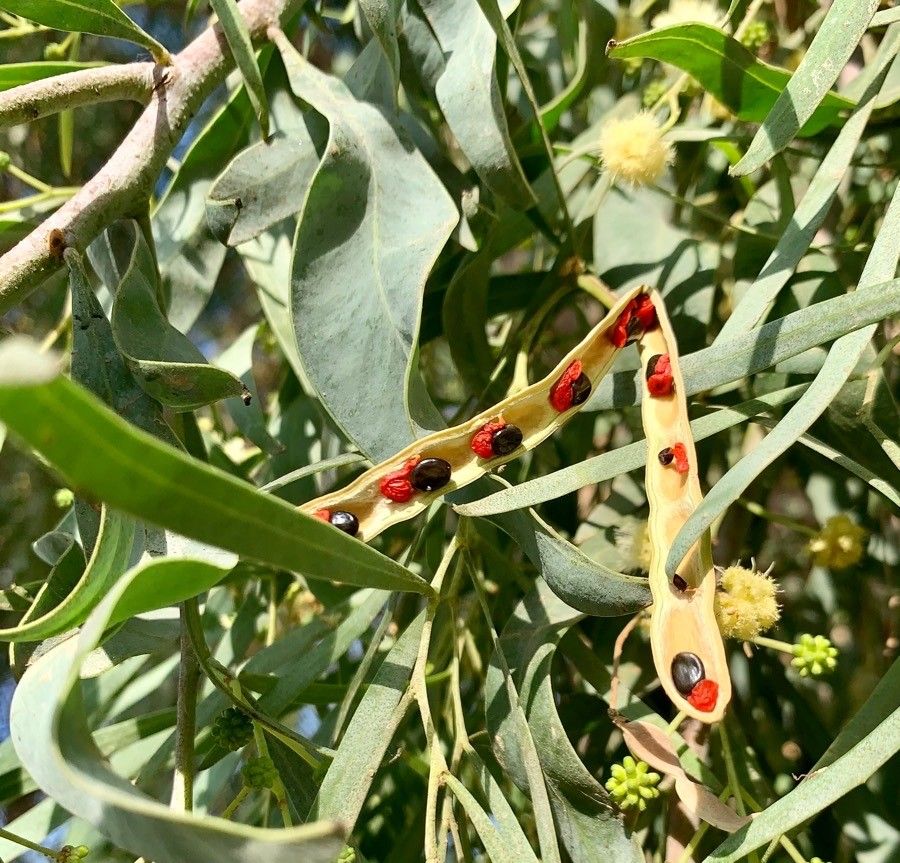
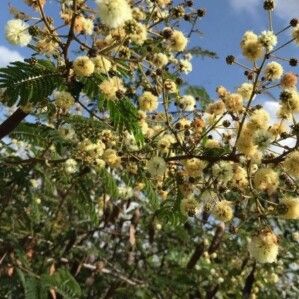
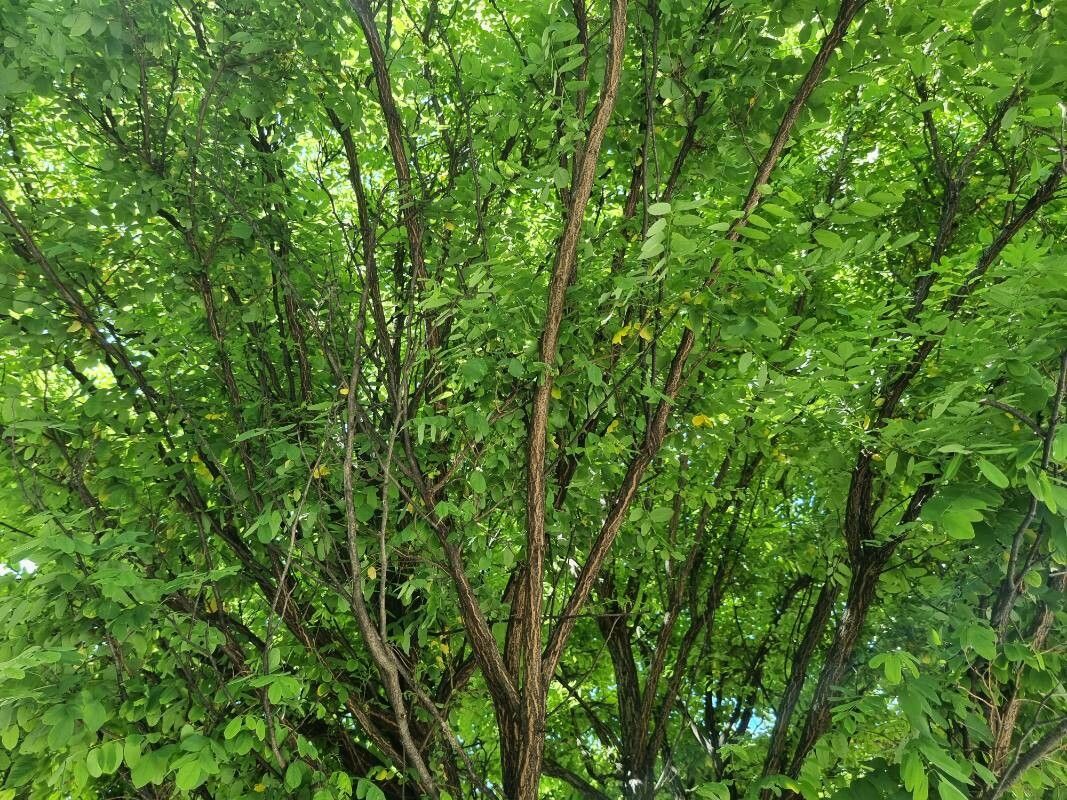
Acacia salicina is a thornless species of Acacia tree native to Australia. It is a large shrub or small evergreen tree growing up to 13.7m (45 feet) tall. Fast grower dropping lots of leaf litter. It has a life span of about 10–50 years. In the Northern Hemisphere, Acacia salicina flowers primarily from October to January and the seed pods are often visible from April to July. The tree's seeds are shiny, black and have a crimson appendage-like aril.Acacia salicina is "closely related" to Acacia ligulata and Acacia bivenosa.
Cooba displays good resistance to disease and is generally not susceptible to illnesses. In terms of care, this plant is fairly low maintenance. When grown outdoors, it needs minimal watering and larger plants typically do not require pruning. However, smaller plants should be pruned after they finish blooming. Coobat is appropriate for anyone with outdoor space, such as a garden or deck, and does not demand a great deal of care experience.
How to keep Acacia Salicina.
Light
Cooba originates in open habitats, such as sunny meadows and forest margins, which provide abundant light. It thrives in Full Sun but can also tolerate Partial Sun, adjusting well to different sunlight levels.
Water
The Cooba plant thrives in arid environments due to its impressive drought tolerance, requiring watering only every one to two weeks. As an evergreen, it retains its leaves throughout the year, needing consistent moisture even during its dormant periods.
Temperature
Cooba comes from tropical regions, where the climate is usually warm and humid. Consequently, it is well adapted to high heat and humidity. It is sensitive to abrupt temperature changes and prefers a steady thermal environment, so indoor temperature fluctuations should be avoided. It generally does not tolerate cold and needs higher temperatures to grow. If the ambient temperature drops too low, the plant may stop growing or even die.
Fertilizer
Fertilizing is essential for caring for Cooba. Feeding it regularly throughout the growing season supplies energy for its showy leaves and aids overall growth. Failing to fertilize can lead to unhealthy leaves, reduced ornamental value, and stunted or weak growth that is susceptible to breaking.
Pruning
Cooba is an evergreen plant known for its drooping branches and fragrant blooms. To keep the plant healthy and encourage bushier growth, it’s best to prune it between early and late winter. Use thinning and selective heading cuts to improve air circulation. Regular pruning not only enhances the plant's health and flowering but also helps prevent disease. Remember to use clean, sharp tools for the best results.
Botanical profile.
- Plant Type
- Tree
- Life Cycle
- Perennial
- Genus
- Acacia
- Family
- Fabaceae
- Hardiness Zone
- 7-11
- Mature Height
- 10.36 m
- Mature Spread
- 7.62 m
- Leaf Color
- Green
- Leaf Type
- Evergreen
- Flower Color
- Yellow
- Flower Size
- 0.51 cm to 0.76 cm
- Bloom Time
- Late summer, Early fall, Mid fall
- Planting Time
- Spring, Summer, Autumn
- Harvest Time
- Late fall, Early winter, Mid winter
Other names.
Reader questions.
What are the sunlight requirements for Cooba (Acacia salicina)?
Cooba (Acacia salicina) flourishes in various sunlight conditions, requiring full sun, which is above 6 hours of sunlight daily, or partial sun, approximately 3-6 hours of sunlight per day. It's important to observe the way sunlight sweeps through your garden, selecting locations that offer an optimal blend of light and shade. This careful choice ensures your plants remain vibrant and healthy.
What is the botanic name of Cooba?
The botanical name of Cooba is Acacia salicina. It is important to know the botanical names of plants for accurate identification and research.