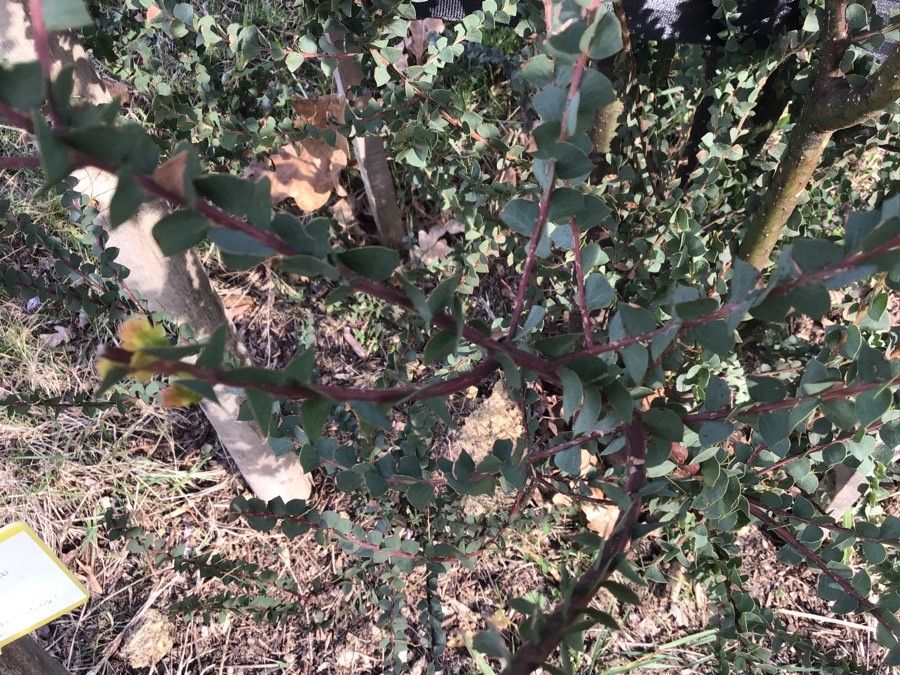
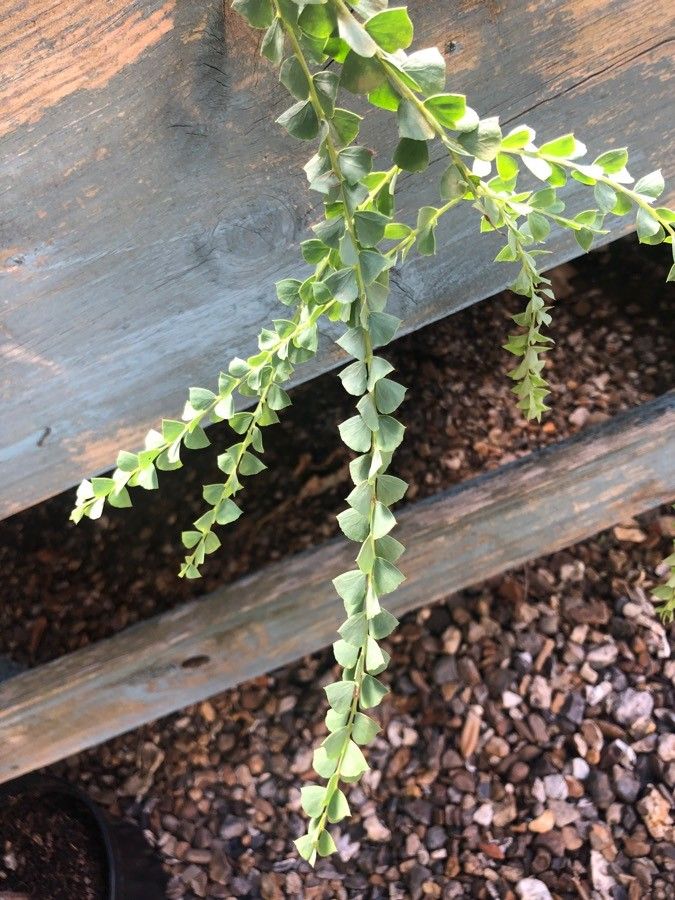
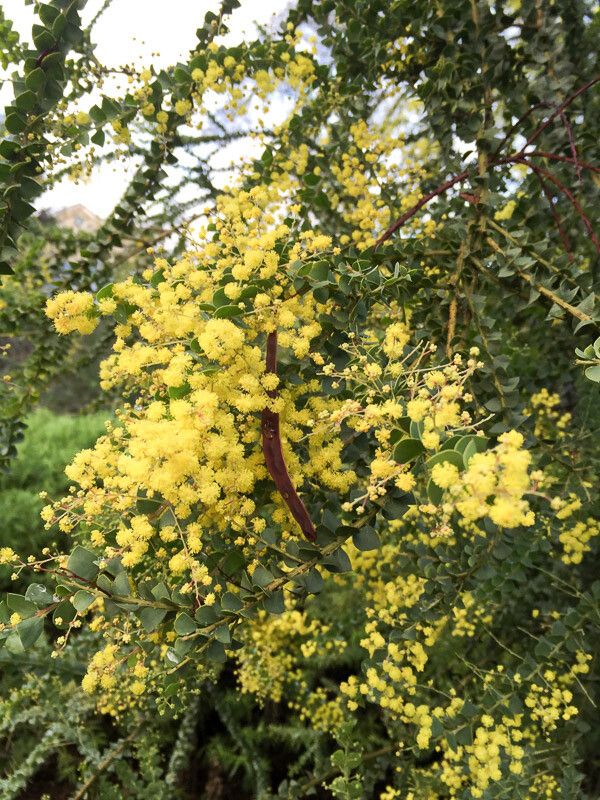
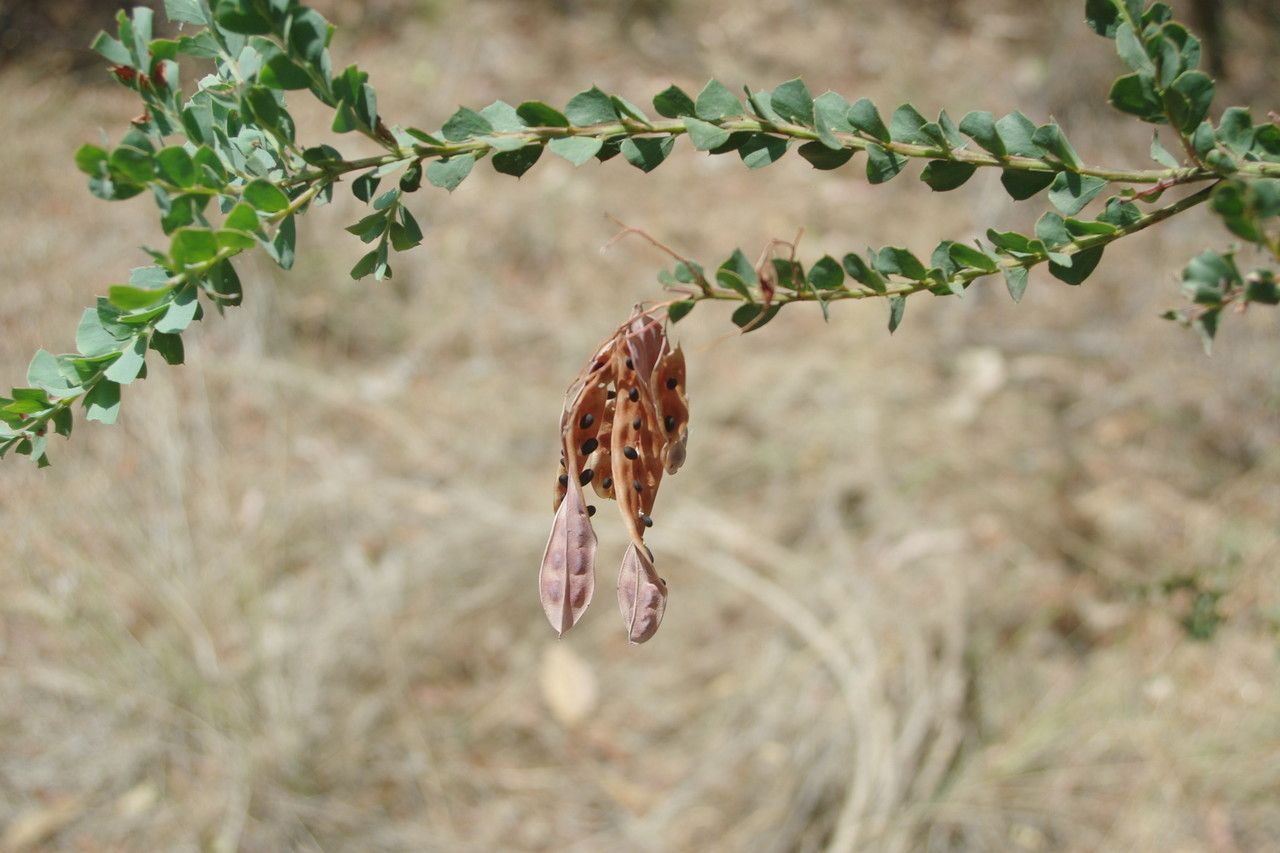
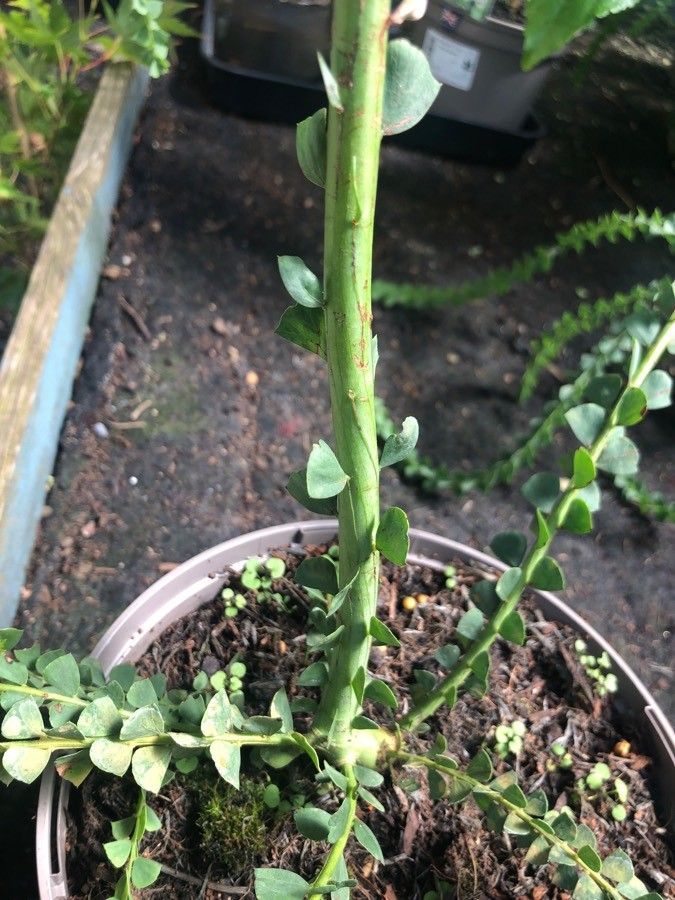
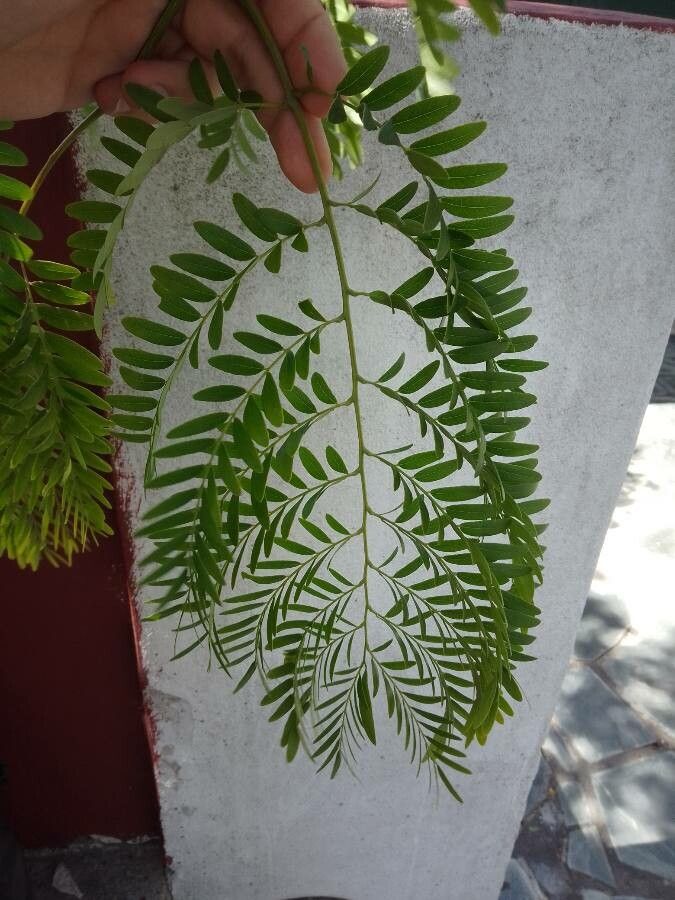
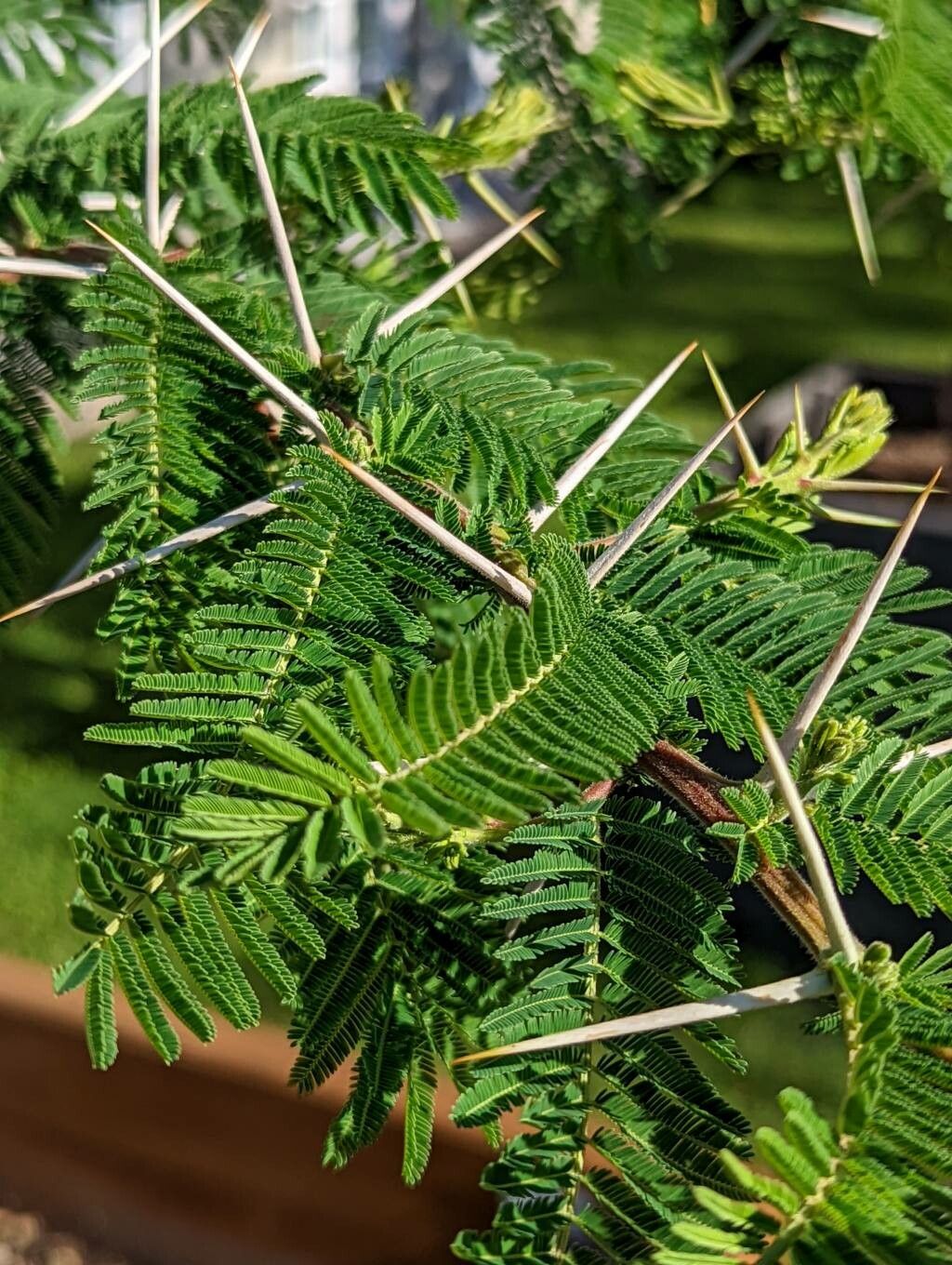
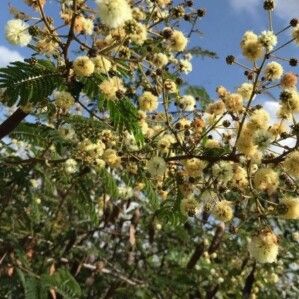
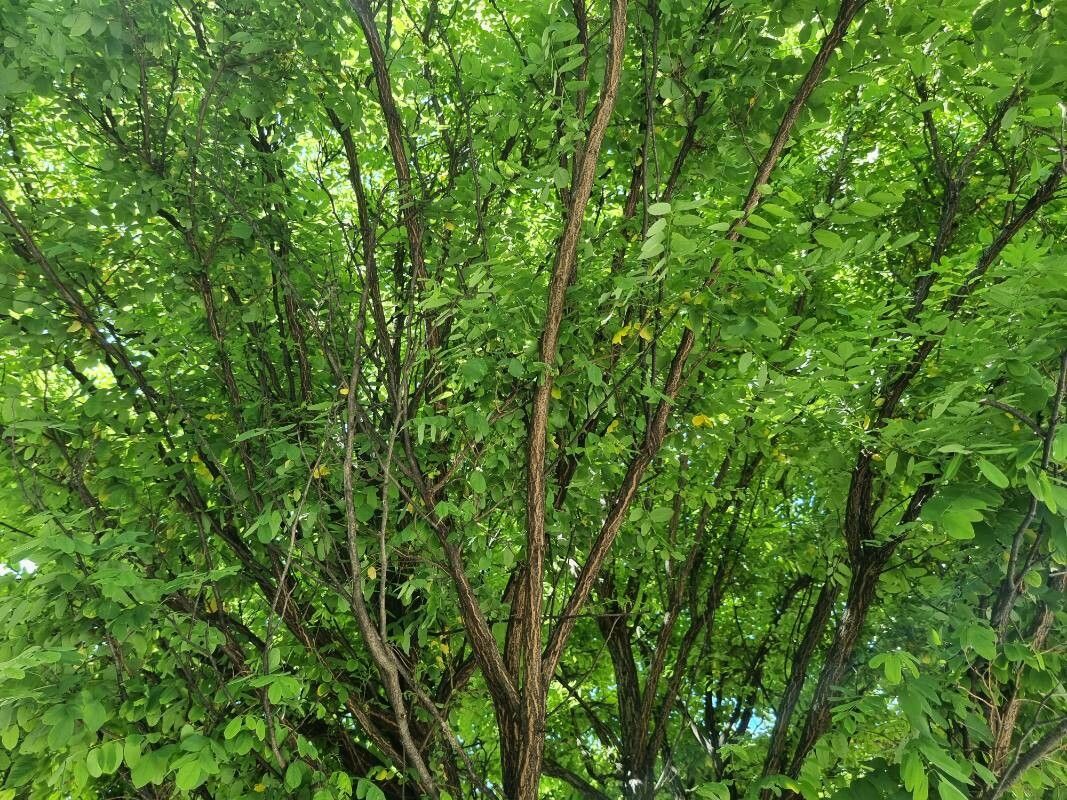
Acacia pravissima, commonly known as Ovens Wattle or Alpine Wattle, is a species of shrub or small tree in the Fabaceae family. Native to southeastern Australia, it thrives in various habitats, including woodlands, heathlands, and grasslands.
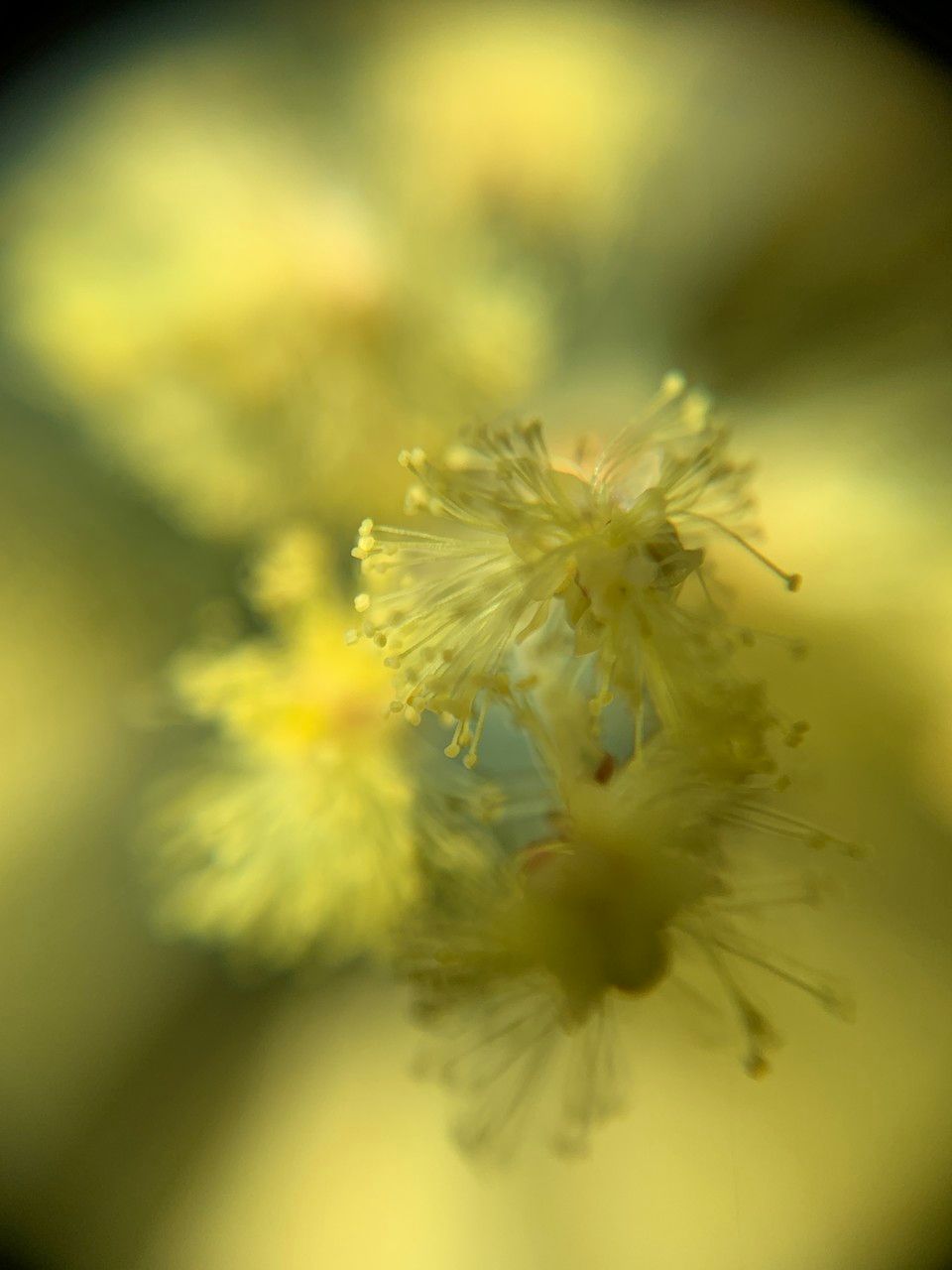
Typically reaching up to 5 meters in height, Acacia pravissima has a spreading habit. It features dark green, bipinnate leaves with small leaflets. Its bright yellow flowers bloom from late winter through spring, forming clusters at the ends of branches.
Acacia pravissima plays a critical role in soil conservation, thanks to its deep roots that help prevent soil erosion on steep slopes. It provides habitat for native wildlife, including birds and insects.
Traditionally, Indigenous Australians have used this plant for medicinal purposes such as treating skin infections, coughs, colds, and sore throats.
Overall, Acacia pravissima is an attractive ornamental plant suitable for gardens. Its beautiful flowers attract bees and other pollinators, and its drought tolerance makes it ideal for dry areas.
Wedge-leaf wattle has strong resistance to disease and is generally not susceptible to illnesses. In terms of care, this plant is fairly low maintenance. When grown outdoors it needs only light watering, and larger specimens usually do not require pruning. Smaller plants, however, should be pruned after they finish blooming. Wedge-leaf wattle is appropriate for anyone with an outdoor area, such as a garden or deck, and does not demand much experience in plant care.
How to keep Acacia Pravissima.
Light
Wedge-leaf wattle grows best when it receives sunlight for most of the day but can tolerate sites that get fewer hours of sun. Native to bright environments, insufficient light can cause stunted growth, while too much exposure may scorch the foliage.
Water
The wedge-leaf wattle, native to Australia, is a drought-tolerant plant that requires moderate watering about every 1 to 2 weeks. It thrives outdoors and prefers well-draining soil, which mirrors the arid conditions of its natural habitat.
Temperature
Wedge-leaf wattle is indigenous to areas where temperatures range from 68 to 100 °F (20 to 38 ℃). It favors mild to hot climates. In very hot or very cold seasons, adjustments to temperature may be necessary to keep it healthy.
Fertilizer
The best time to fertilize a Wedge-leaf wattle is in early spring when it breaks dormancy. This encourages overall growth and flower formation. Fertilization improves the foliage, stems, and branches, while encouraging flowers that are large, vivid, and long-lasting. It also helps move nutrients from the roots to the flowers and enhances the plant's health and resistance to disease.
Pruning
The wedge-leaf wattle is known for its dense, weeping form and vibrant yellow flowers. To encourage bushiness and maintain the plant's health, prune it in late spring by removing up to one-third of its growth. Regular pruning not only enhances flowering but also improves airflow around the plant. Be sure to use sharp tools to prevent disease, ensuring that your wedge-leaf wattle thrives in the garden.
Pot & Repot
Repot your wedge-leaf wattle every 2 to 3 years, preferably in early spring. Use a medium-sized container with good drainage. After repotting, ensure the plant receives plenty of sunlight and water it sparingly to help the roots establish. Be careful not to overwater, as this will support healthier growth and blooming.
Botanical profile.
- Plant Type
- Shrub
- Life Cycle
- Perennial
- Genus
- Acacia
- Family
- Fabaceae
- Hardiness Zone
- 10-11
- Mature Height
- 4.88 m
- Mature Spread
- 3.66 m to 4.57 m
- Leaf Color
- Green
- Leaf Type
- Evergreen
- Flower Color
- Yellow, Gold
- Flower Size
- 2.54 cm
- Bloom Time
- Early spring, Mid spring
- Planting Time
- Summer
- Harvest Time
- Early summer, Mid summer
Other names.
Reader questions.
How should I water my Wedge-leaf wattle plant?
Your Wedge-leaf wattle is not too picky about how you water it. You can use any common watering tool, like watering cans, hoses, or even cups. Just make sure to apply the water directly to the soil and evenly moisten all areas to provide enough water to the root system. Using filtered water is recommended to avoid harmful particles present in tap water. It is also better to use water at room temperature or slightly warm, as very cold or hot water may not be suitable. However, the Wedge-leaf wattle usually responds well to any type of water you give it.
Why should I put fertilizer on my Wedge-leaf wattle plant?
Fertilization plays a crucial role in the overall health and well-being of Wedge-leaf wattles. It provides the necessary energy and nutrients for the plant to develop lush foliage with sturdy stems and branches. Gardeners primarily value the flowers of Wedge-leaf wattles, and the good news is that fertilization helps these plants produce large, vibrant, and long-lasting flowers. This is because the right fertilizer facilitates the transfer of fuel from the roots to the flowers through the stems. Proper fertilization also maintains the plant's general health, making it more resistant to diseases.
What are the sunlight requirements for Wedge-leaf wattle?
Wedge-leaf wattle, or Acacia pravissima, needs a significant amount of sunlight to thrive optimally. It requires 'full sun,' which means the plant should receive above 6 hours of direct sunlight daily. However, it can also adapt to 'partial sun' conditions, getting about 3-6 hours of sunlight. It's crucial to observe the movement of sunlight through your garden to find the perfect spot for your plants, balancing light and shade to ensure their growth and health.
What is the native temperature range for Wedge-leaf wattle?
Wedge-leaf wattle is native to environments where temperatures vary between 68°F (20°C) and 100°F (38°C). This plant thrives in mild to hot climates and requires temperature adjustments during extremely hot or cold seasons to maintain its health. It is exceptionally heat-loving, and exposure to cold temperatures can be harmful. In autumn, if grown outdoors, it is advisable to bring the Wedge-leaf wattle indoors and place it near a bright window, away from heaters, to keep it above 20°C during winter months. Temperatures nearing 5°C are harmful to the plant.
What should I do if I give my Wedge-leaf wattle plant too much or too little water?
Outdoor plants, especially newly planted ones or seedlings, can suffer from lack of watering. It's important to consistently water these plants for the first few months, while they are still small or newly planted. Once the roots are established, the Wedge-leaf wattle can rely on rainwater most of the time. On the other hand, when the Wedge-leaf wattle is in a pot, overwatering becomes more likely. If you accidentally overwater your plant, it's important to act swiftly to remedy the situation. The first step is to stop watering your plant immediately to minimize the impact of overwatering. Then, take out the Wedge-leaf wattle from its pot to inspect the roots. If the roots don't show signs of root rot, you can place the plant back in its container. However, if root rot is present, trim away the affected roots and consider applying a fungicide to prevent further damage. Finally, repot your Wedge-leaf wattle in well-draining soil. In the case of underwatering, simply water the Wedge-leaf wattle more frequently. This is usually an easy fix. If you notice the plant's leaves drooping, drying out, or falling off, it's a sign of underwatering. Ensure you correct your watering frequency promptly to prevent further damage.
When should I put fertilizer on my Wedge-leaf wattle plant?
The best time to fertilize a Wedge-leaf wattle is in early spring when it is transitioning out of dormancy and preparing to bloom. This provides the plant with the necessary energy for growth and flower development. However, there are other times when it is also beneficial to fertilize. In the fall, a second feeding can be done, although it does not need to be as substantial as the first one. Additionally, some gardeners opt to fertilize while planting the Wedge-leaf wattle, but this is not always essential.
How essential is sunlight for the health of Wedge-leaf wattle?
Sunlight is fundamental for the health and growth of Wedge-leaf wattle. Originating from environments rich in light, this plant thrives best when exposed to sunlight for most of the day but can also adapt to locations receiving fewer hours of sun. Insufficient sunlight can cause stunted growth, while too much direct exposure might lead to foliage scorching. In cases where natural sunlight is limited, especially indoor during winter or in less sunny spaces, artificial lighting can be a crucial solution. Adequate artificial lighting should mimic natural sunlight conditions in terms of intensity, duration, and sometimes even the quality of light, with specific requirements for full sun and partial sun plants to stimulate faster, healthier growth.
How does low temperature affect Wedge-leaf wattle and what are the solutions?
Wedge-leaf wattle prefers warm temperatures and is intolerant of low temperatures. It thrives when the temperature is above 20°C and should be kept above 5°C during winter. Exposure to temperatures below 1°C may cause the leaves to lighten in color. Frost damage can lead to the color turning brown or black and cause symptoms such as wilting and drooping. To manage frost damage, trim off the damaged parts and immediately move the plant to a warm environment indoors. Positioning the plant near a south-facing window ensures ample sunlight, but it should not be placed near heaters or air conditioning vents to avoid excessive air dryness.
How often do I need to water my Wedge-leaf wattle?
Most outdoor plants can rely on rainfall for their water needs. However, if you live in an area with little rainfall, you should water your plants every 2 weeks in spring and fall, and more frequently in summer. In winter, when plants require less water, you can water them less often or not at all. If you have a young or newly planted Wedge-leaf wattle, it's important to water it more frequently to help it establish and grow. As your wattle matures, it will become more adaptable and tolerant to drought conditions. For potted plants like the Wedge-leaf wattle, there are two main ways to determine watering frequency. One option is to follow a set schedule, such as watering once a week or every other week. However, this may not be suitable for your specific growing conditions. Alternatively, you can assess the soil moisture to decide when to water. Wait until the top two to four inches of soil have dried out completely before watering again. This method ensures that the plant receives adequate water based on its needs.
When is the best time to not fertilize my Wedge-leaf wattle?
During winter, Wedge-leaf wattle plants are dormant and do not need to be fertilized. Fertilizing during this time increases the risk of overfertilization. The best times to feed Wedge-leaf wattle plants are in early spring and fall. For the majority of spring and summer, fertilization is not needed. It's also recommended to withhold feeding if the plant is experiencing extremely hot or dry conditions.
What symptoms indicate a Wedge-leaf wattle is receiving inadequate light?
When Wedge-leaf wattle is not getting enough sunlight, particularly when grown indoors during winter, several symptoms can indicate light deficiency: new leaves might grow smaller, the plant may exhibit leggy or sparse growth, there could be faster leaf drop, and you may notice slower or no new growth at all. Lighter-colored new leaves and chlorosis, where leaves lose their green color and turn yellow, are also common symptoms. Excessive sunlight can lead to symptoms like sunscald, leaf curling, wilting, and leaf scorching, indicating the plant is struggling with the current light conditions.
How does high temperature affect Wedge-leaf wattle and what are the solutions?
During the summer, it's important to ensure that the Wedge-leaf wattle does not remain in temperatures above 38°C. Exposure to temperatures exceeding 43°C can lighten the color of the leaves and make the plant more susceptible to sunburn. To alleviate the effects of high temperature, trim away the sunburned and dried-up parts and relocate the plant to a shaded area away from the midday and afternoon sun. Additionally, watering the plant in the morning and evening helps keep the soil moist and supports the plant's well-being in high temperatures.