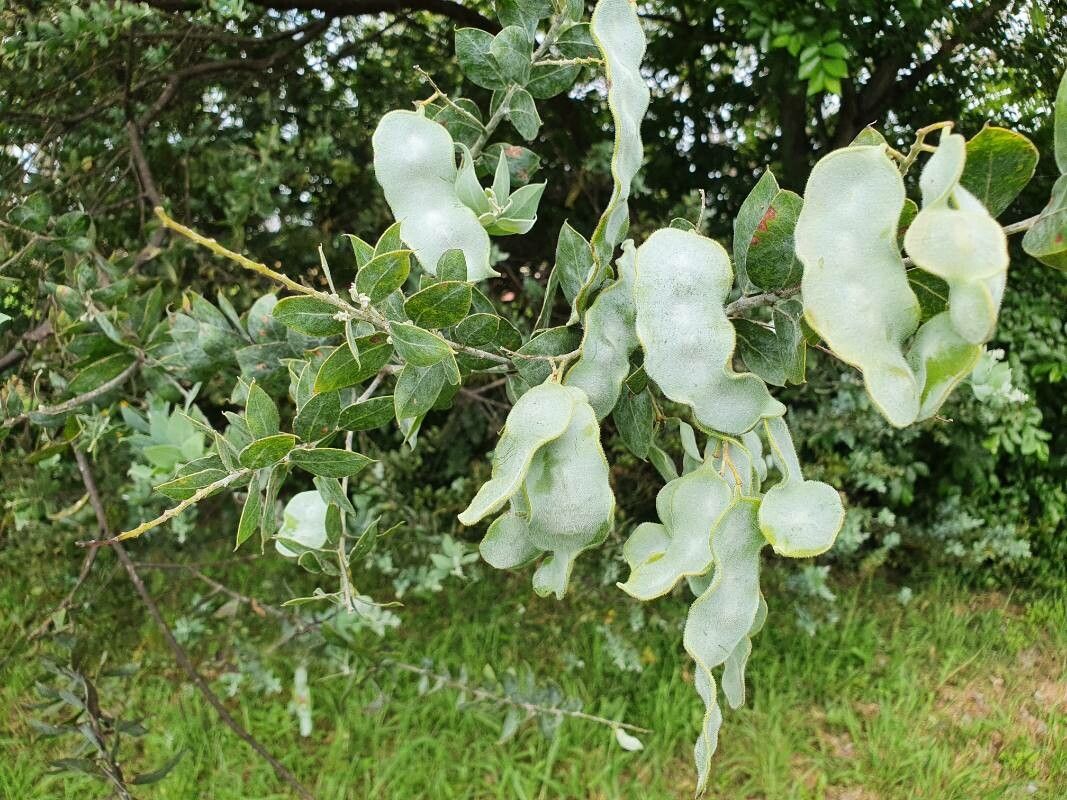
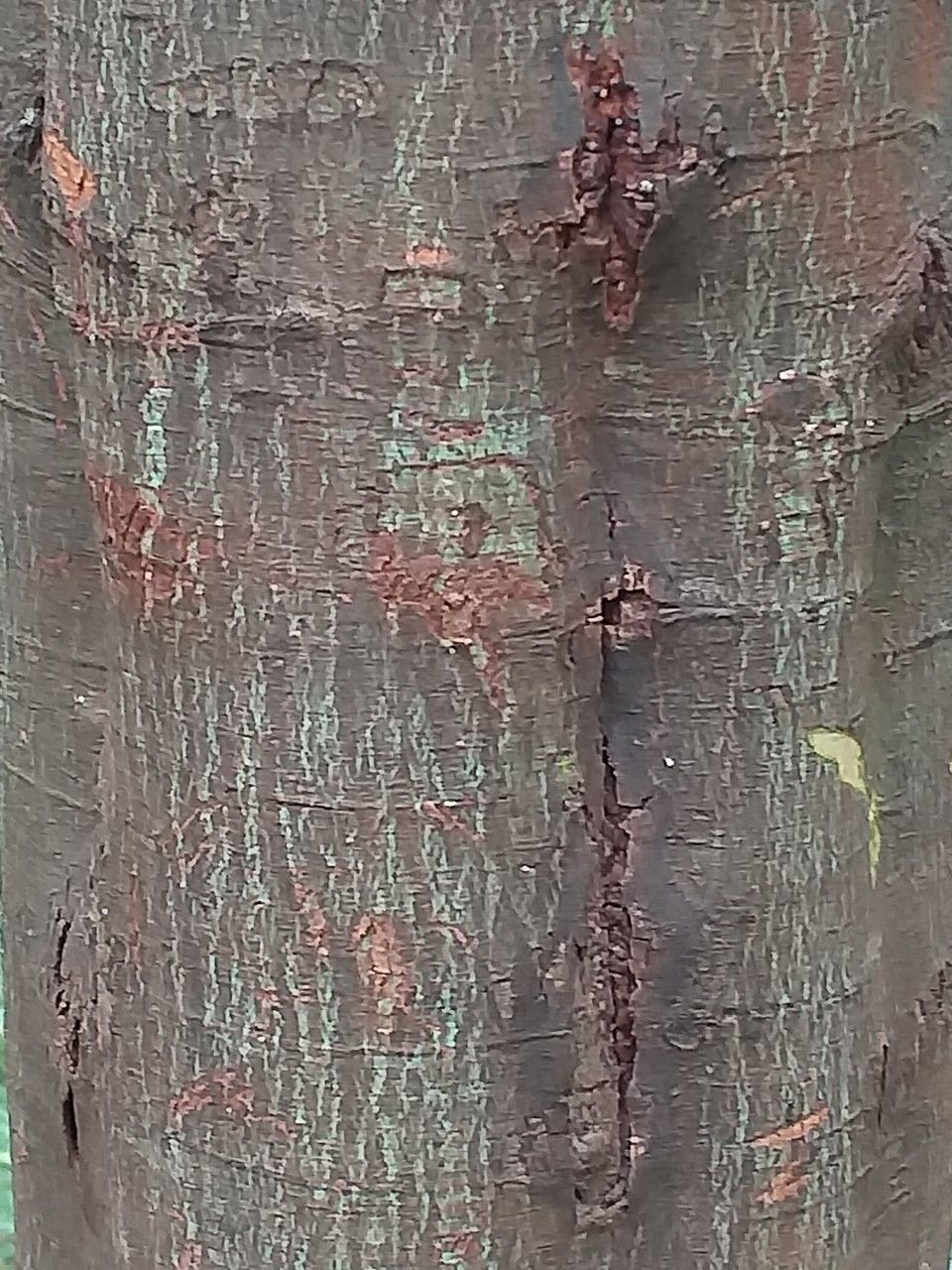
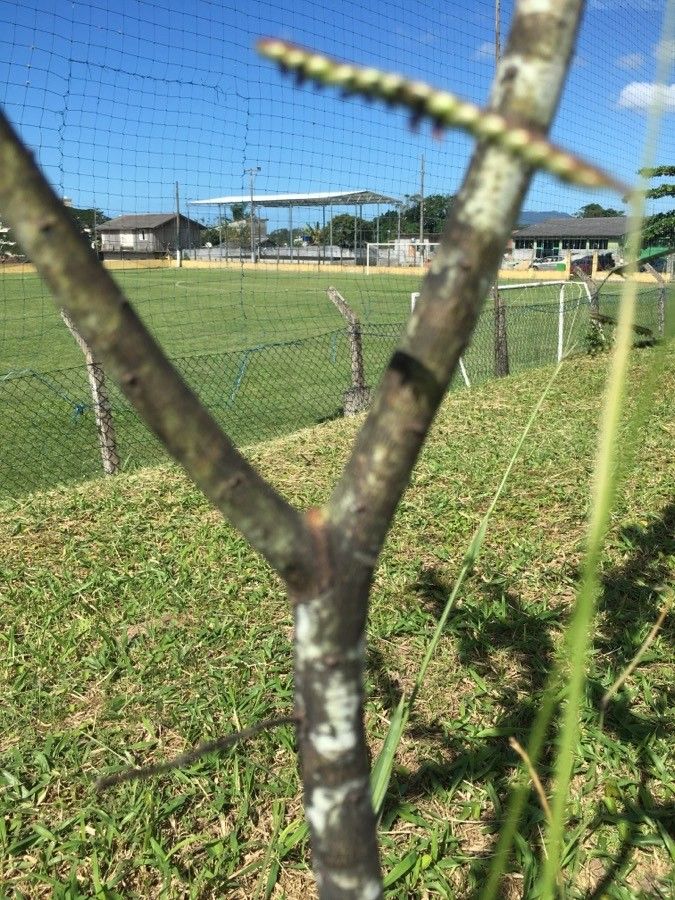
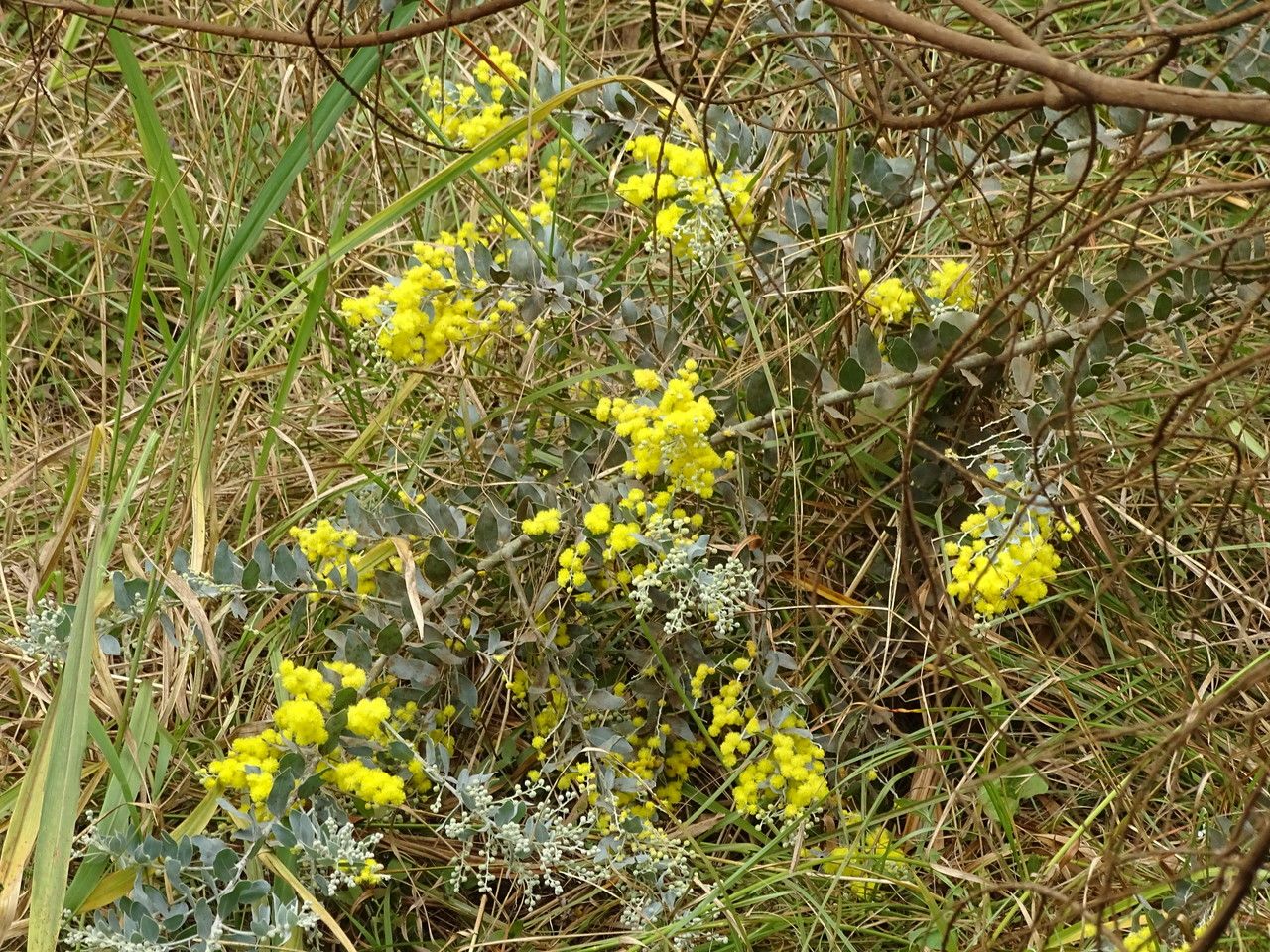
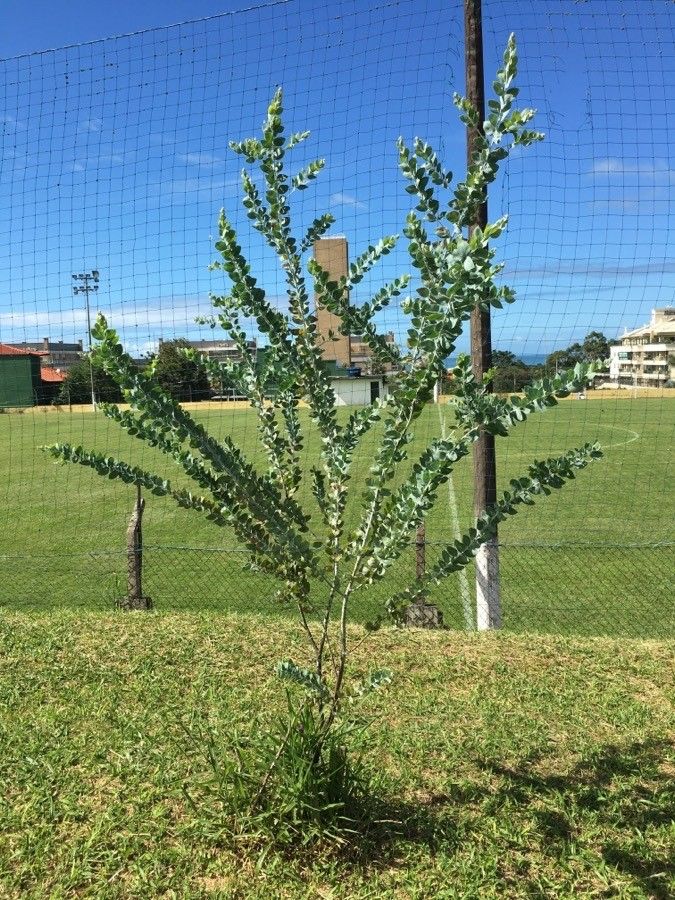
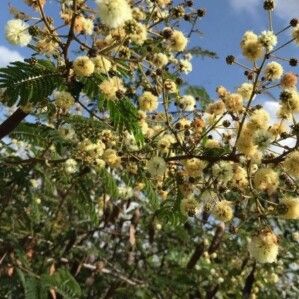
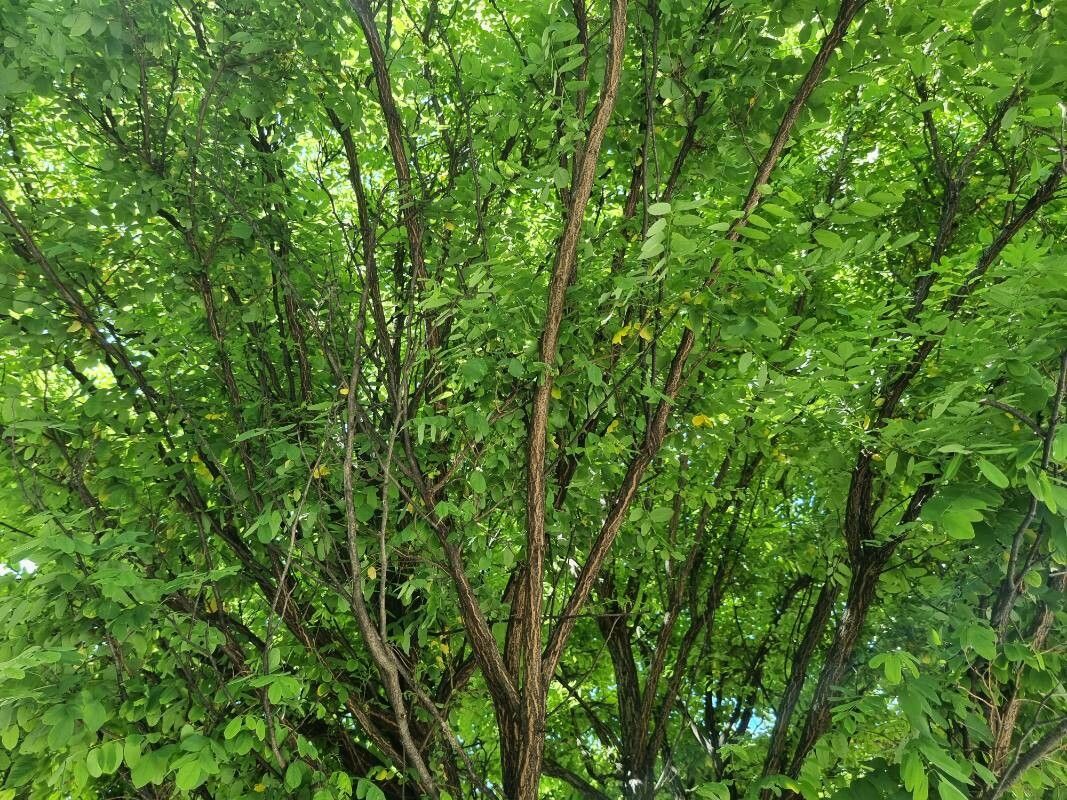
Acacia podalyriifolia, commonly known as the Queensland silver wattle or pearl acacia, is a fast-growing evergreen tree native to Australia. Belonging to the Fabaceae family, this tree can reach heights of up to 10 meters. It is characterized by its distinctive silver-gray foliage and long, narrow leaves that resemble those of the Podalyria plant.
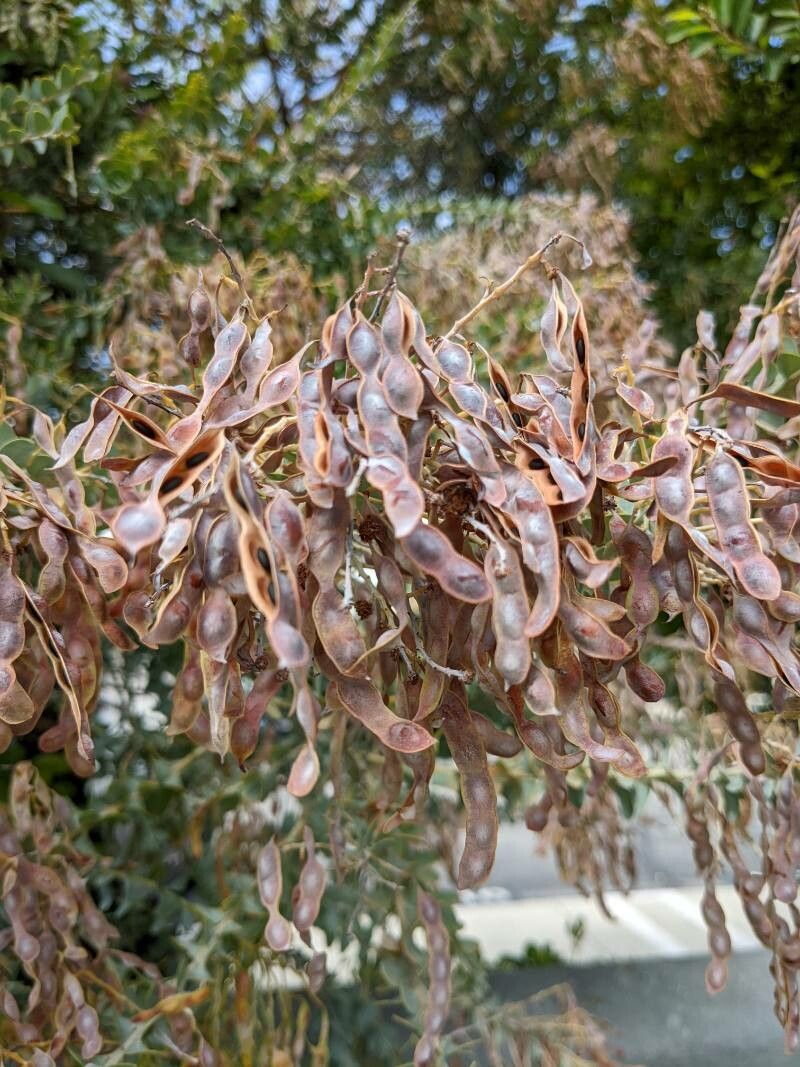
In late winter and early spring, the Queensland silver wattle produces fragrant yellow flowers that attract bees and other pollinators. These blooms are followed by long seed pods that contain small black seeds.
This plant is popular in landscaping due to its attractive foliage and showy flowers. It can be grown as a specimen tree or incorporated into mixed borders with other plants. Acacia podalyriifolia prefers well-drained soil and full sun exposure but can tolerate some shade.
The wood of this species is highly valued for its durability, strength, and attractive grain pattern, making it ideal for furniture making and flooring material.
Overall, Acacia podalyriifolia is an excellent choice for gardeners seeking an easy-to-grow ornamental tree with beautiful foliage year-round and fragrant yellow blooms in the spring.
Pearl acacia shows strong resistance to disease and is usually not susceptible to illnesses. In terms of upkeep, this plant is fairly low-maintenance. When grown outdoors it needs only light watering, and larger specimens generally do not require pruning. Smaller plants, however, should be pruned after they finish blooming. Pearl acacia is appropriate for anyone with an outdoor area, such as a garden or deck, and does not demand much prior care experience.
How to keep Acacia Podalyriifolia.
Light
Pearl acacia prefers an open setting with ample sunlight for best growth. Coming from an environment with abundant sun, its development can be limited if it does not receive enough light. Excessive sun is unlikely to damage this plant, considering the conditions in which it originally grows.
Water
Pearl acacia is well-suited for arid conditions in Australia due to its high drought tolerance. It requires minimal watering, typically needing water only once every two weeks. This plant is primarily grown outdoors and matches its growth cycle to its native dry climate. As a result, it requires less frequent irrigation compared to tropical plants.
Temperature
Pearl acacia is a plant native to habitats with temperatures between 41 and 90 °F (5 and 32 ℃). It does best in moderate climates, and seasonal temperature adjustments may be needed to maintain its well-being.
Fertilizer
Timing is important for fertilizing Pearl acacia. Apply fertilizer in early spring and continue monthly until early summer. Fertilizer promotes attractive blooms and supplies energy during both dormant and active growth phases.
Pruning
Pearl acacia showcases vibrant yellow flowers and silvery leaves. To keep the plant healthy and attractive, prune it from early to late winter. This helps to shape the acacia, improve air circulation, and remove any dead or overcrowded branches. By doing so, you promote vigorous growth and prevent disease, enhancing both the health and the visual appeal of the plant.
Pot & Repot
Repot your pearl acacia every 2 to 3 years, ideally in early spring, using a container that is slightly larger than the previous one. Be sure to use well-draining soil and maintain consistent watering after repotting to support growth and ensure your pearl acacia thrives.
Botanical profile.
- Plant Type
- Tree
- Life Cycle
- Perennial
- Genus
- Acacia
- Family
- Fabaceae
- Hardiness Zone
- 4-8
- Mature Height
- 3.05 m
- Mature Spread
- 3.05 m
- Leaf Color
- Green, Blue, Gray, Silver, Bronze
- Leaf Type
- Evergreen
- Flower Color
- Yellow
- Flower Size
- 0.51 cm to 0.76 cm
- Bloom Time
- Early spring, Mid spring, Winter
- Planting Time
- Spring, Autumn
- Harvest Time
- Late spring, Early summer, Mid summer
Other names.
Reader questions.
How should I water my Pearl acacia?
When it comes to watering your Pearl acacia, you have various options. You can use watering cans, hoses, or even cups - it doesn't really matter. The important thing is to water the plant by directly applying the water to the soil. Make sure to moisten all areas of the soil equally, so that the entire root system receives the water it needs. Using filtered water is recommended, as tap water can contain harmful particles. It's also best to use water that is at or slightly above room temperature, as very cold or hot water can be a bit of a shock to the Pearl acacia. However, overall, this plant is generally tolerant and responds well to any type of water.
Why is it necessary to put fertilizer on my Pearl acacia?
Fertilizing a Pearl acacia is important for several reasons. Firstly, it helps the tree produce beautiful blooms. To ensure excellent flowers in the spring, it is recommended to fertilize in early spring. Additionally, fertilizer provides energy that the tree can store in the ground during dormant growth phases. By giving extra nutrients during fall planting or late spring, the Pearl acacia can store more energy to use during active growth.
How many hours of sunlight should Pearl acacia get each day for it to grow healthily?
To ensure healthy growth, it is important to provide Pearl acacia with a minimum of 3-6 hours of sunlight each day. This amount of sunlight is actually the minimum requirement. While plants that can tolerate partial sunlight can also thrive in full sunlight, they are more adaptable than plants that specifically require full sunlight or partial shade because they require less light for photosynthesis.
What temperature is best for Pearl acacia?
The Pearl acacia thrives best in temperatures ranging from 65~80℉(18~27℃). During its primary growing phase, it can tolerate temperatures as high as 95℉(35℃), while the lowest tolerable temperature is 15℉(-10℃). It is a species that can withstand freezing winters and low temperatures. The perfect temperature range is 65~80℉(18~27℃), the highest range is 85~95℉(30~35℃), and the lowest range is -5~15℉(-20~-10℃) or even lower.
If I give my Pearl acacia too much water or too little water, what should I do?
Outdoor plants, especially newly planted ones or plant seedlings, are prone to lack of watering. It is important to remember to water them enough for a few months when they are small or newly planted. Once the roots are established, Pearl acacia can usually rely on rain for hydration. However, when your Pearl acacia is planted in pots, overwatering is more likely. If you accidentally overwater your Pearl acacia, you should take immediate action to fix the problem. First, stop watering the plant right away to minimize the impact of overwatering. Next, remove the Pearl acacia from its pot to check its roots. If no root rot is found, you can return the plant to its container. But if you do find signs of root rot, trim away the affected roots and use a fungicide to prevent further damage. Lastly, repot the Pearl acacia in well-draining soil. On the other hand, if you underwatered the Pearl acacia, simply water it more frequently. Fixing underwatering is usually easy as the leaves will droop, dry out, and fall off. Once sufficiently watered, the leaves will quickly regain their fullness. Make sure to adjust your watering frequency if you notice underwatering.
When should I fertilize my Pearl acacia?
To effectively fertilize Pearl acacia, timing is crucial. It's important to avoid using fertilizer too early while the plant is still dormant, as it won't be effectively absorbed and may be washed away by rainwater, which causes waste and pollution. Instead, the first application of fertilizer should be done in early spring, followed by monthly fertilization until early summer.
What kind of sunlight does Pearl acacia require?
Pearl acacia thrives in full or part sun, but it prefers direct morning light. During summer, it is important to shield it from the intense afternoon sun to prevent leaf burn and maintain the plant's well-being and aesthetics. Especially in temperate environments, excessive hot afternoon sun can harm the plant's appearance and health.
Should I change the temperature for Pearl acacia as it grows?
According to research, Pearl acacia may experience stunted growth when exposed to extended periods of higher temperatures, particularly when axillary buds are developing and main shoots are growing. To promote healthy growth after germination or transplanting, it is advised to maintain consistent and cooler temperatures, around 65°F (18°C).
How frequently should I water my Pearl acacia plant?
Most outdoor plants can grow fine with natural rainfall. However, if your area doesn't get much rain, you should water your plants every 2 weeks in spring and fall, more often in summer, and less in winter when growth slows down. In fact, you might not need to water at all during winter. If your Pearl acacia is young or newly planted, it needs more water to help it establish and grow into a drought-tolerant plant. For potted plants, you can either follow a set watering schedule (usually once a week or every other week) or check the moisture of the soil. In general, wait until the top two to four inches of soil have dried out completely before watering again. Keep in mind that during summer, the plant will need more frequent watering than what the schedule dictates.
When is not a good time to fertilize my Pearl acacia?
To ensure optimal blooming, it is important to avoid using nitrogen-rich fertilizer for Pearl acacia. Nitrogen-heavy fertilizers promote excessive leaf growth but do not support the production of many blooms. Instead, choose a fertilizer that contains lower levels of nitrogen compared to other essential nutrients. Additionally, refrain from fertilizing Pearl acacia after early autumn as this can result in excessive growth just before winter. Moreover, during hot and dry periods of the year, it is not advisable to fertilize Pearl acacia as dry soil is not as effective at delivering nutrients as moist soil. Fertilizing during these times can also stimulate growth, which requires more water that may not be readily available. Ideally, it is best to apply fertilizer earlier in the season when temperatures are cooler. Lastly, bear in mind that Pearl acacia can absorb fertilizer that has been added to neighboring plants or lawns. It is essential to exercise caution to prevent inadvertently giving the tree or shrub a double dose of fertilizer.
Does the sun harm Pearl acacia? How can we shield Pearl acacia from sun and heat damage?
Indoor pearl acacia plants are prone to damage from direct sunlight when they are transitioned outdoors. To prevent sunburns caused by overexposure, it is best to gradually move the pots from a shaded area to a brighter spot. However, even plants accustomed to summer sun can still be harmed by excessively high temperatures. During a heatwave, it is crucial to keep the soil consistently moist to help the plants cope with the extreme heat. To protect sensitive pearl acacia during extreme weather events, it is recommended to either move container plants to areas with afternoon shade or erect a shade cloth over them.
How can I make sure Pearl acacia stays warm during cold seasons?
Pearl acacia can tolerate freezing temperatures when planted in the ground in areas where temperatures don't drop below 15℉ (-10℃) during winter. However, when planted in pots or containers, it is important to protect their roots from the cold. To do this, wrap the container in a blanket or bring it indoors to provide complete protection from the elements.