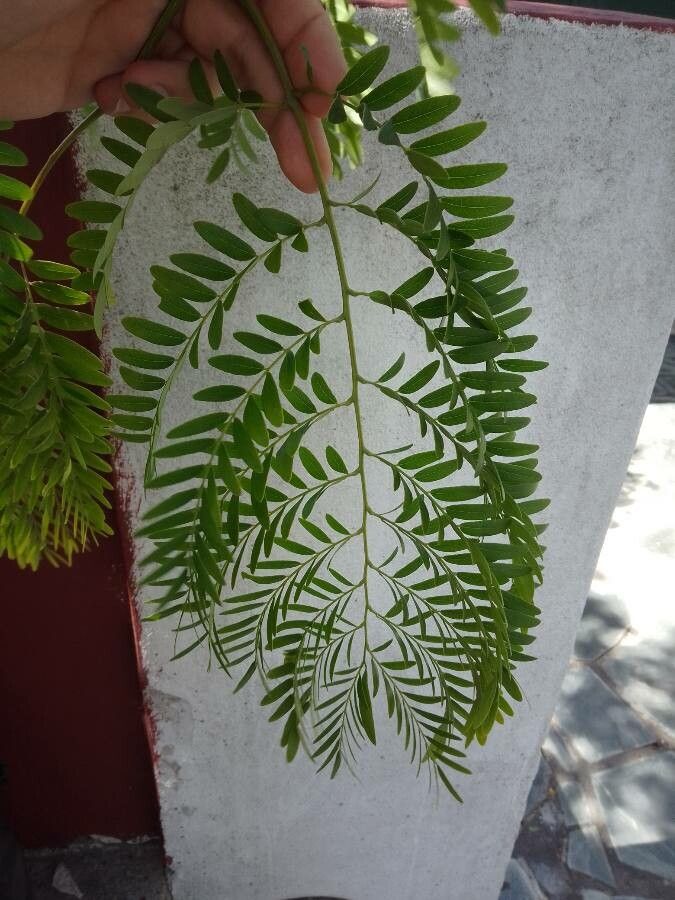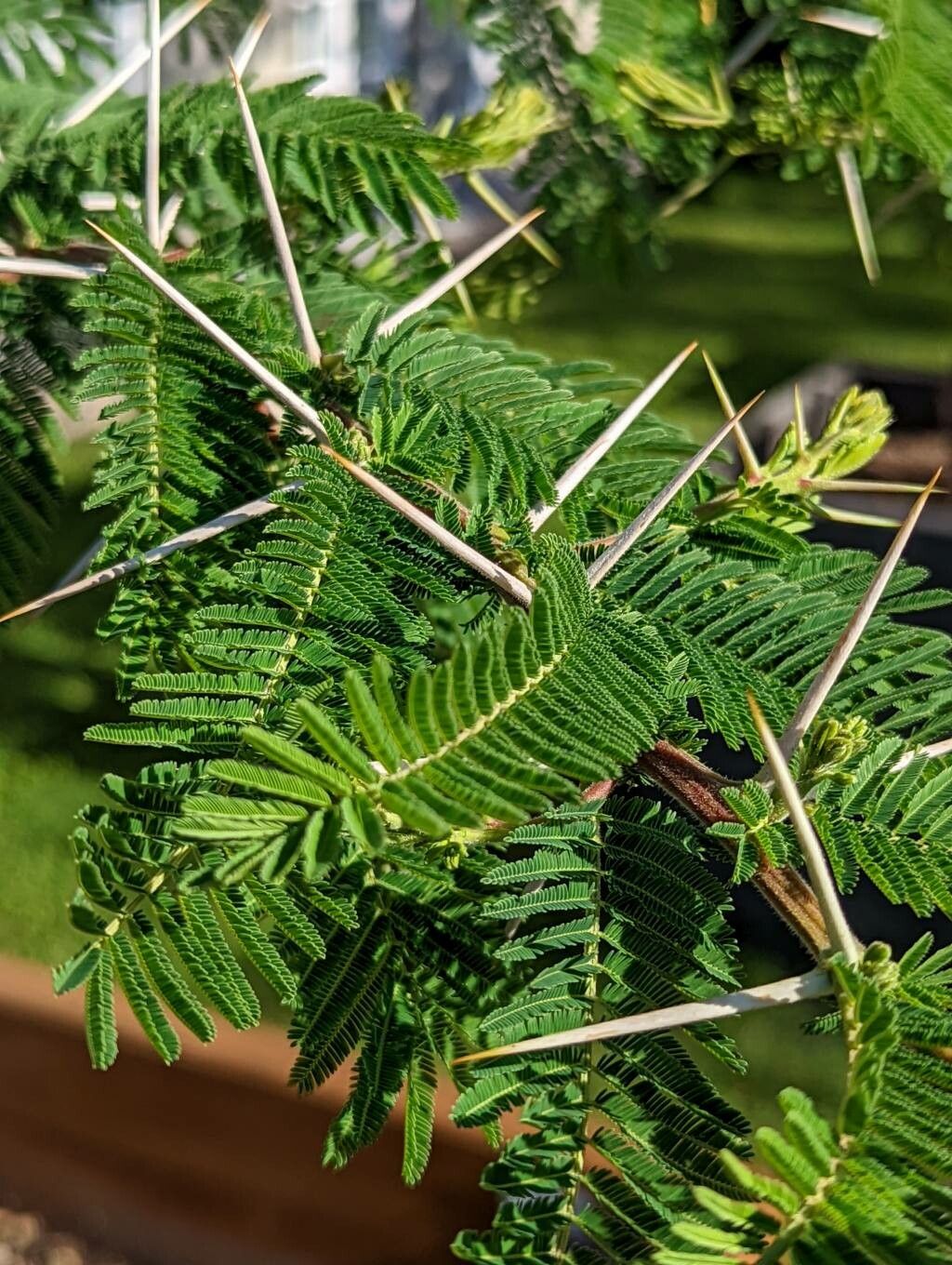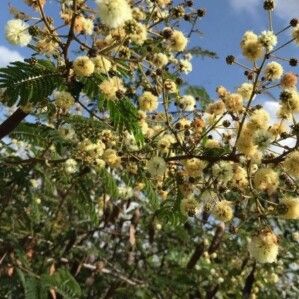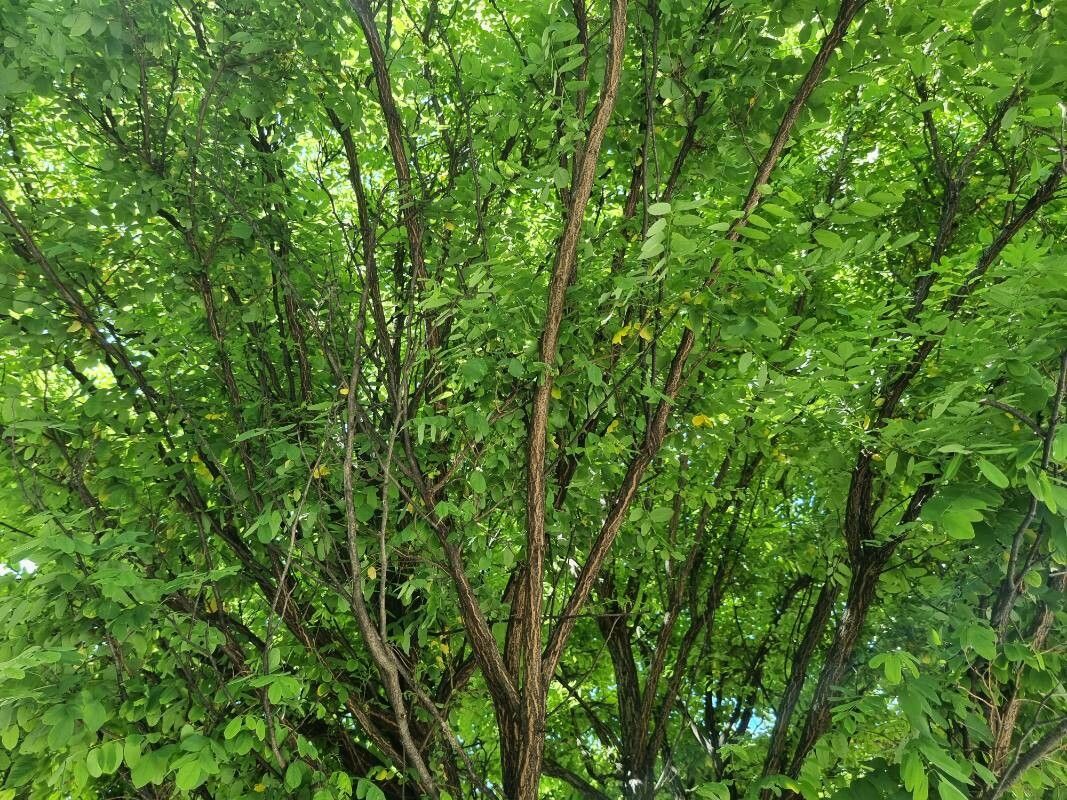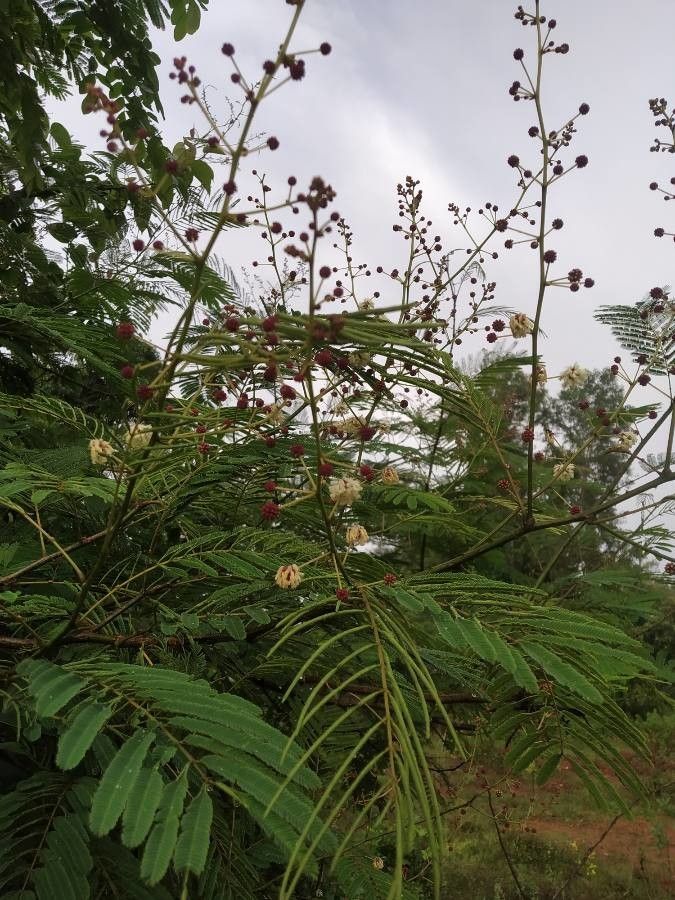
Acacia pennata, commonly known as climbing wattle or mountain wattle, is a shrub or small tree species belonging to the Fabaceae family. Native to Australia, this plant thrives in various habitats, including woodlands, forests, and heathlands. It can grow up to 6 meters tall and typically exhibits a spreading habit with multiple stems. The leaves of Acacia pennata are bipinnate, featuring small leaflets arranged in pairs along the stem. Its yellow flowers form in spherical clusters that bloom from late winter to early spring. The fruit is a flat pod that contains several seeds. Acacia pennata is valued for its multiple uses. It is effective for erosion control, as it can stabilize soil on steep slopes. Its dense foliage provides habitat for wildlife, including birds and insects. Additionally, indigenous Australians have used it for medicinal purposes to treat ailments such as coughs and colds. Overall, Acacia pennata is a significant plant species in Australia's ecosystem, both ecologically and culturally. It has long been utilized by indigenous communities for its medicinal properties and continues to play an essential role in the environment.
Daylily Rainbow Sherbert has moderate disease resistance but can be prone to illnesses like leaf spot. Its vulnerability to insect pests can differ by variety, though most varieties tend to be less resistant to pests. For care, Daylily Rainbow Sherbert requires regular watering and feeding, along with frequent removal of yellow leaves. Pests and diseases should be dealt with as they appear, and the plant should be harvested promptly. Daylily Rainbow Sherbert is best for people who can commit some time and energy to ongoing care.
How to keep Acacia Pennata.
Light
Daylily Rainbow Sherbert comes from habitats with plentiful sunlight, such as open fields and sunny meadows. It favors full sun but can also tolerate partial sun.
Temperature
Daylily Rainbow Sherbert flourishes in temperate conditions that are generally agreeable to people, not too hot or too cold. The principal problem with hot weather is the potential for sunburn, so during the summertime, it's recommended to offer some shielding from the sun to avoid overheating. In colder temperatures, the Daylily Rainbow Sherbert goes into hibernation. If you want it to keep growing, you must ensure the temperatures are warm during winter months. Frost is harmful to the plant and thus, keeping it away from frost is of paramount importance.
Fertilizer
To achieve the best yield, Daylily Rainbow Sherbert thrives when given routine applications of well-balanced fertilizer, ideally with a high nitrogen content. Apply the fertilizer prior to planting, at the time of planting, and when the seedlings reach a height of 2 inches (5.1 cm). Incorporating compost or manure can also provide a continuous source of nutrients. Lack of adequate nutrients in the soil may lead to undernourished stems and leaves, inferior tastes, slender stems, and a possible bitter flavor.
Botanical profile.
- Plant Type
- Tree, Shrub
- Life Cycle
- Perennial
- Genus
- Acacia
- Family
- Fabaceae
- Hardiness Zone
- 9-11
- Mature Height
- 10.06 m to 14.94 m
- Mature Spread
- 4.88 m to 7.92 m
- Leaf Color
- Light Green, Green
- Leaf Type
- Deciduous
- Flower Color
- Yellow, White
- Flower Size
- 0.51 cm to 0.76 cm
- Bloom Time
- Summer
- Planting Time
- Spring, Summer, Autumn
- Harvest Time
- Late summer, Fall