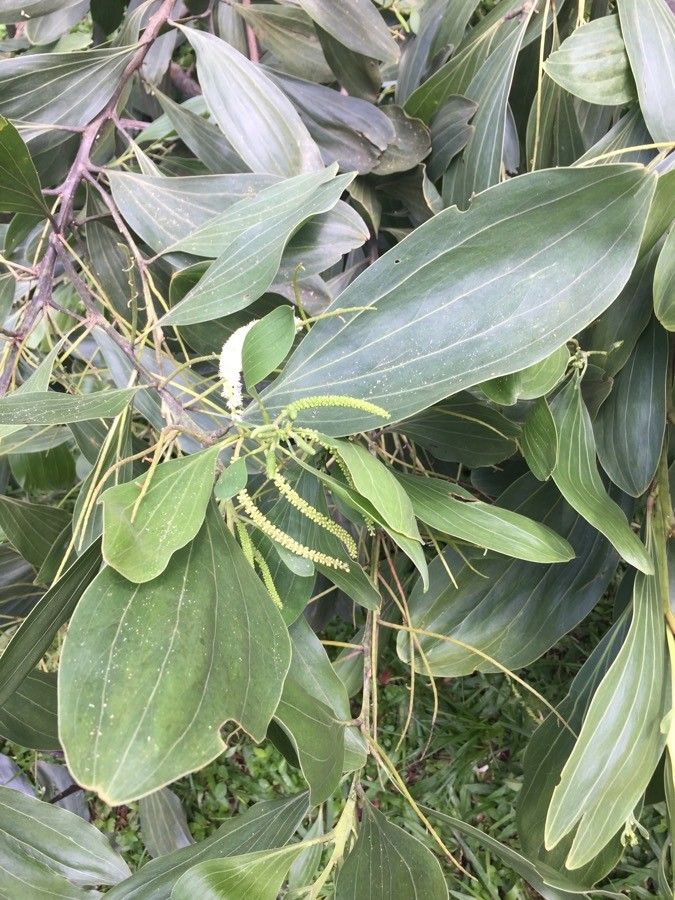
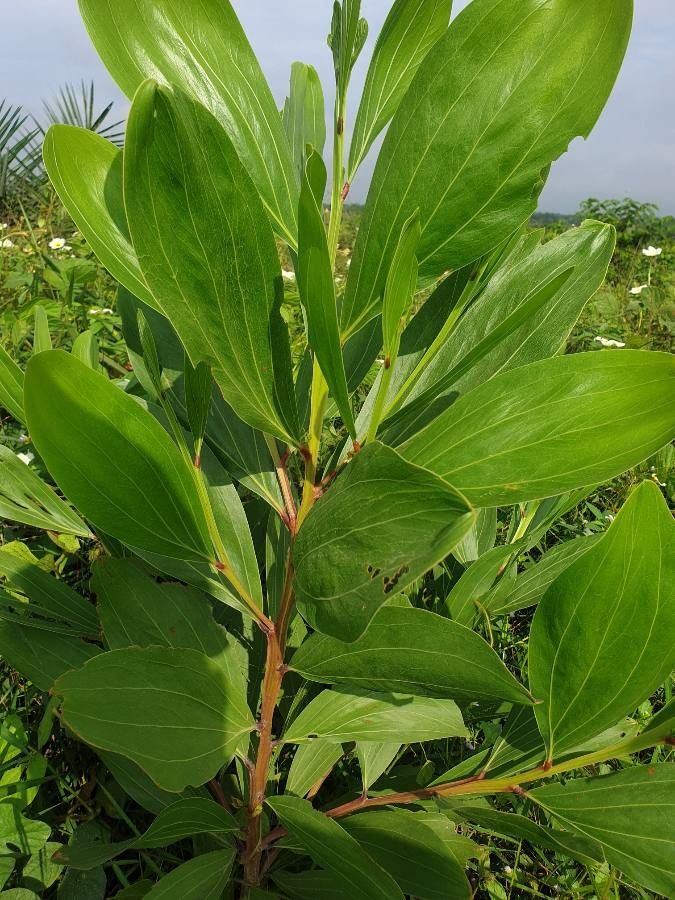
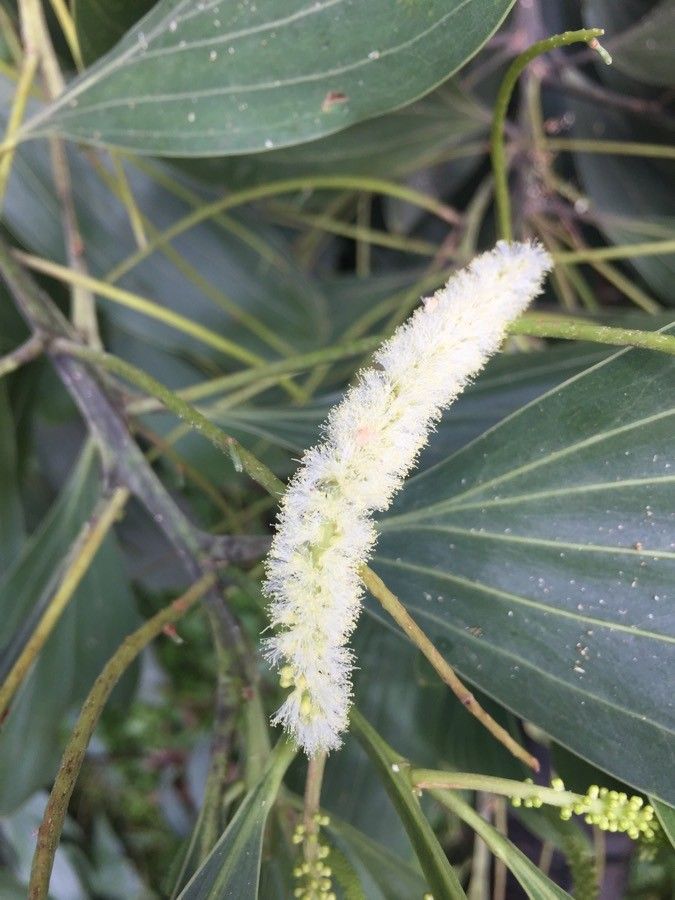
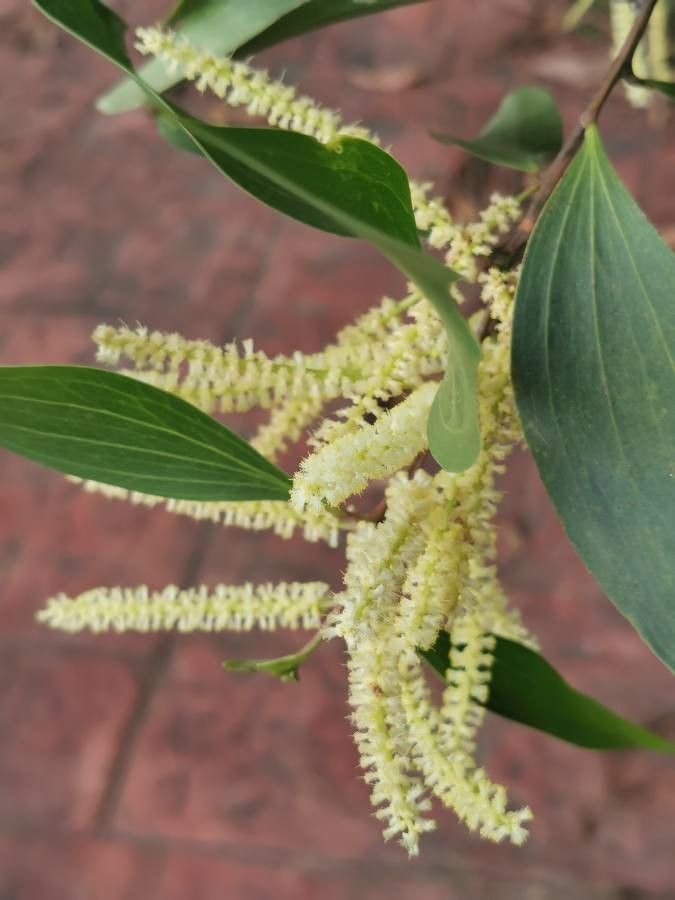
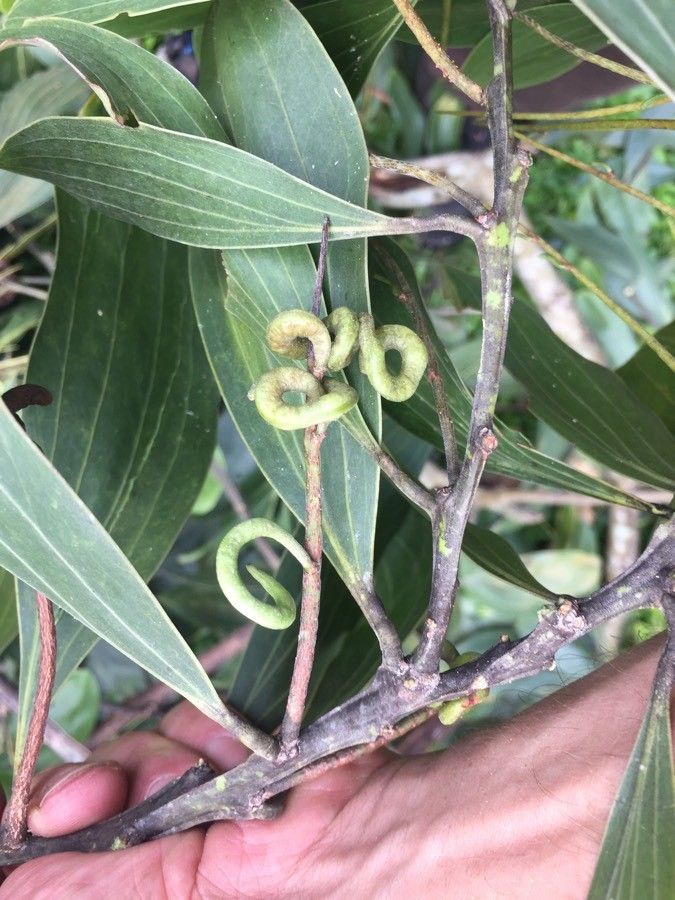
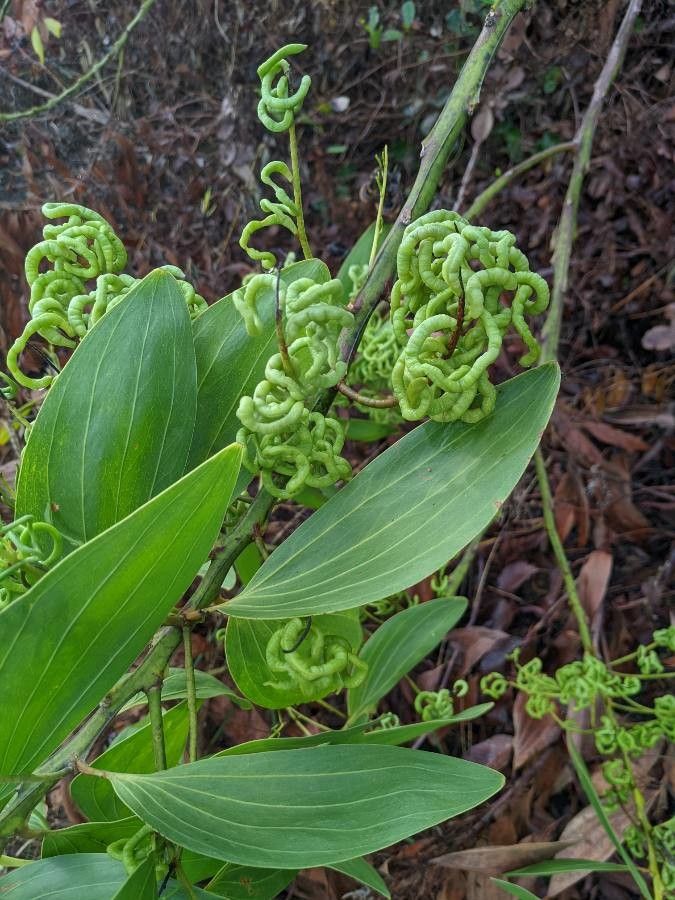
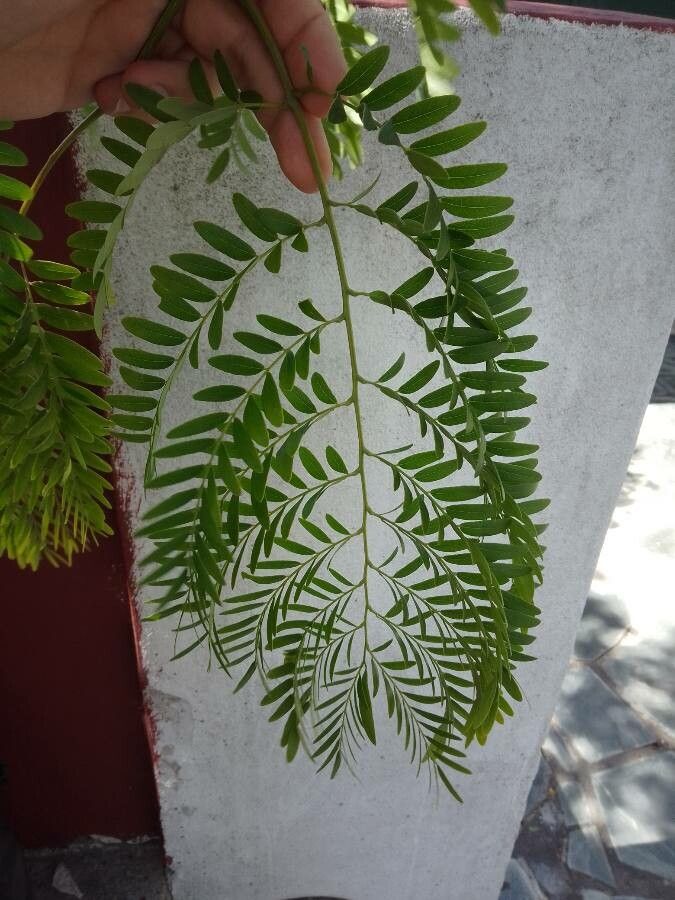
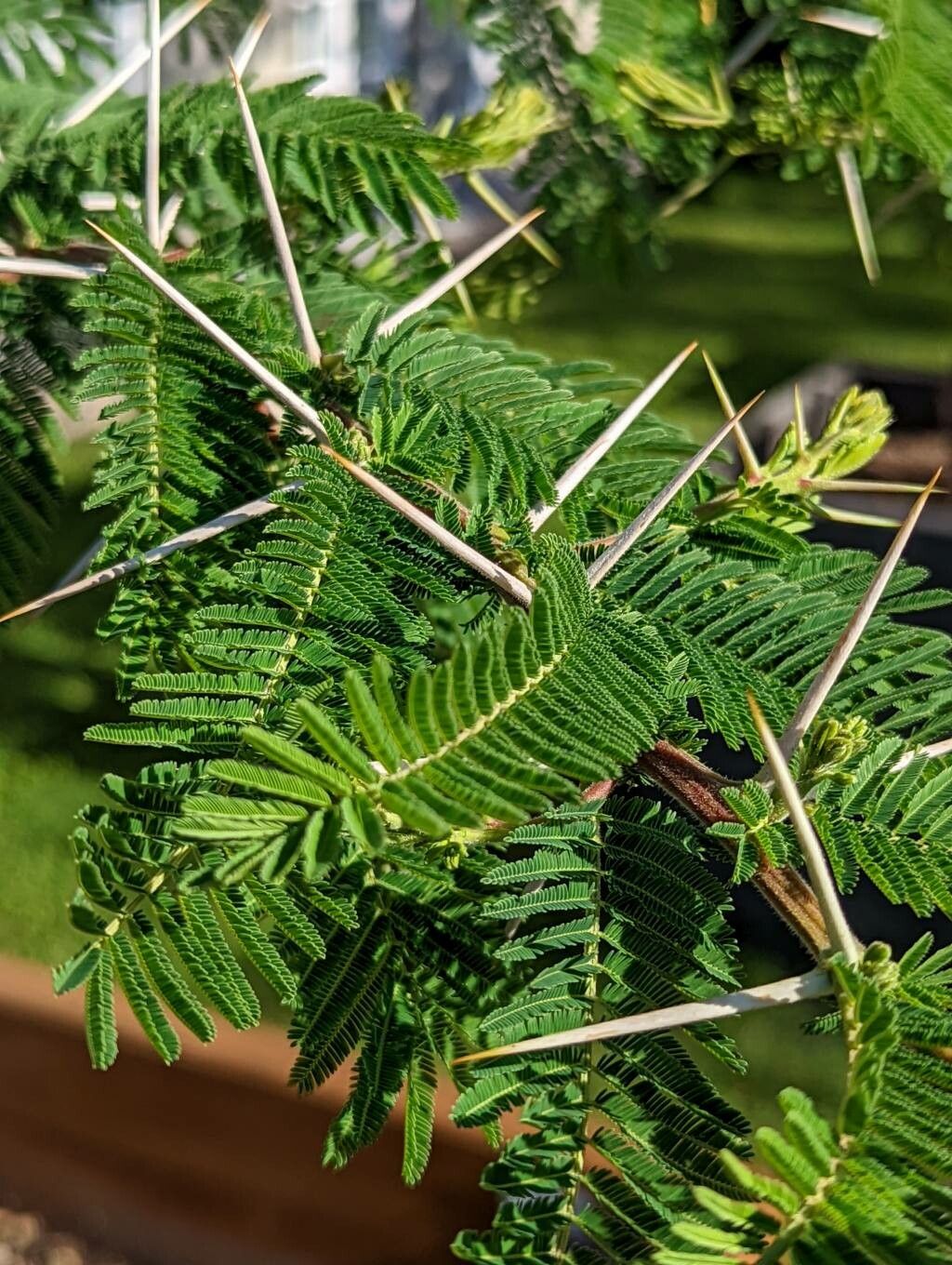
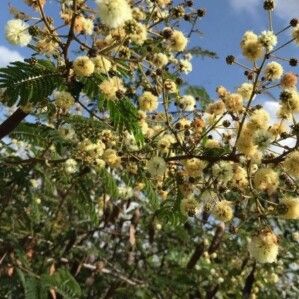
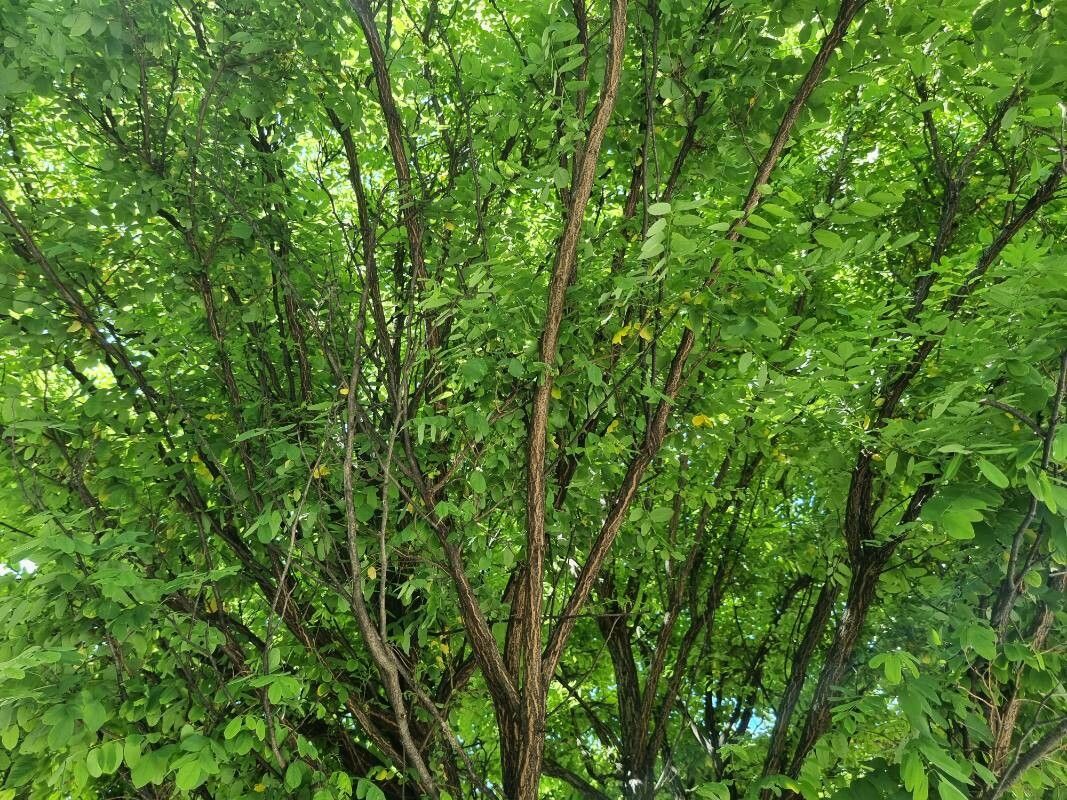
Acacia mangium is a species of flowering tree in the pea family, Fabaceae, that is native to northeastern Queensland in Australia, the Western Province of Papua New Guinea, Papua, and the eastern Maluku Islands. Common names include black wattle, hickory wattle, mangium, and forest mangrove. Its uses include environmental management and wood.It was first described in 1806 by Carl Ludwig Willdenow, who described it as living in the Moluccas.
Black wattle is resistant to disease and is generally unlikely to be affected by illnesses. Regarding care, this plant is fairly low-maintenance. When grown outdoors it needs only light watering, and larger specimens typically do not require pruning. Smaller plants, however, should be pruned after they have finished blooming. Black wattlet is suitable for anyone with an outdoor area, such as a garden or deck, and does not call for extensive care experience.
How to keep Acacia Mangium.
Light
Black wattle grows best when it gets the maximum possible sunlight each day. Its hardiness also lets it tolerate moderately sunny conditions. Coming from environments with abundant sun, it fares poorly in low-light settings, resulting in stunted growth and weakened vigor.
Water
Black wattle, which comes from the humid regions of Australasia, is a drought-tolerant plant that needs watering every 2-3 weeks. This fast-growing, nitrogen-fixing tree is often used in reforestation efforts. It thrives in full sun and benefits from rainwater during its active growing season.
Temperature
Black wattle comes from regions where temperatures range from 41 to 89.6 °F (5 to 32 ℃). It grows best within that temperature range. Modify temperatures each season to imitate its natural habitat.
Fertilizer
Apply fertilizer to your Black wattle in early spring to encourage healthy growth. Consistent feeding boosts its overall health, leading to vigorous growth, increased tolerance of harsh conditions, and improved resistance to diseases and pests. Follow a regular fertilization schedule for your Black wattle to keep foliage vibrant, deeply colored, and lush.
Pruning
Pruning black wattle during the winter months, from early to late, promotes healthy growth. By removing dead branches and shaping the plant, pruning boosts airflow, encourages strong branching, and helps prevent disease. Ideally, this should be done during the black wattle's dormant period to minimize stress and ensure vigorous growth.
Botanical profile.
- Plant Type
- Tree
- Life Cycle
- Perennial
- Genus
- Acacia
- Family
- Fabaceae
- Hardiness Zone
- 4-7
- Mature Height
- 29.87 m
- Mature Spread
- 49 cm
- Leaf Color
- Dark Green
- Leaf Type
- Evergreen
- Flower Color
- Gold
- Flower Size
- 10.16 cm
- Bloom Time
- Summer, Early fall, Mid fall
- Planting Time
- Spring, Summer, Autumn, Winter
- Harvest Time
- Fall, Early winter, Mid winter
- Native Area
- Indonesia, Brunei
Other names.
Reader questions.
What are the sunlight requirements for Black Wattle?
Black Wattle requires a considerable amount of daily sunlight to thrive, performing best in full sun situations with over 6 hours of sunlight, but it can also manage with partial sun exposure, about 3-6 hours of sunlight. It is native to regions where sunlight is abundant, and it does not do well in low light conditions, which can lead to stunted growth and a decrease in vitality. Observing how sunlight moves through your garden to ensure your plants get a balanced light exposure is crucial for their growth and health.
What is the ideal temperature range for black wattle (Acacia mangium) to thrive?
The ideal temperature range for black wattle, or Acacia mangium, to thrive is between 41 to 89.6 °F (5 to 32 °C). Maintaining temperatures within this range each season helps mimic the plant's native environment, ensuring its best growth.
What essential conditions are needed for Black Wattle growth?
To ensure optimal growth, Black Wattle requires maximum daily sunshine exposure. Originating from sunny habitats, it is a robust plant that can also tolerate moderately sunny exposures. However, it struggles in dimly lit conditions, which can cause stunted growth and reduced vitality. For indoor plants, adequate lighting is necessary for their growth. When natural sunlight is insufficient, especially during winter or in less sunny areas, artificial lighting such as LED lights becomes essential. These lights should provide the right wavelengths, with full sun plants needing 30-50W/sq ft, partial sun plants requiring 20-30W/sq ft, and full shade plants needing 10-20W/sq ft of artificial light. The light source should be placed 12-36 inches above the plant, mimicking natural sunlight, and most plants will need 8-12 hours of light per day.
Does black wattle require frost protection measures during winter?
Black wattle is highly cold-tolerant and does not generally require additional frost protection measures during winter. However, it's recommended to water the plant generously before the first freeze in autumn. Doing so ensures the soil is moist when it enters a frozen state, which helps prevent drought and water scarcity for the plant during the colder months.
What are the symptoms of insufficient light in Black Wattle and their solutions?
Black Wattle shows several signs of light deficiency, such as small leaves, leggy or sparse growth, faster leaf drop, delayed or stopped growth, lighter-colored new leaves, chlorosis, sunscald, leaf curling, wilting, and leaf scorching. To combat these issues, gradually increase the plant's exposure to sunlight by moving it to a sunnier spot each week until it gets at least 6 hours of direct sunlight daily. Use a south-facing window for indoor plants and keep curtains open for maximum exposure. Consider artificial lighting if moving the plant is not feasible, ensuring lights are on for at least 8 hours daily. For outdoor plants, avoid sudden changes in light intensity to prevent sunburn, and for ground plants, reduce obstructions and consider transplanting to sunnier spots with good drainage.
What are the symptoms of black wattle being exposed to temperatures below -30°C?
Exposure to temperatures below -30°C may not cause immediate noticeable changes in black wattle during winter. However, such conditions can lead to the branches becoming brittle and dry by springtime, with no new shoots emerging. In spring, it's advisable to prune away any dead branches that have failed to produce new leaves to support the plant's recovery.
How should I care for black wattle when temperatures exceed 32°C?
When temperatures exceed 32°C, black wattle may experience significant leaf drop, and in severe cases, it could wither and die. To mitigate heat stress, trim away sunburned and dried-up parts of the plant. Move the plant to a location offering shade from the midday and afternoon sun, or use a shade cloth to provide protection. Ensuring the plant is watered in the morning and evening will help keep the soil moist and support the plant during high-temperature periods.