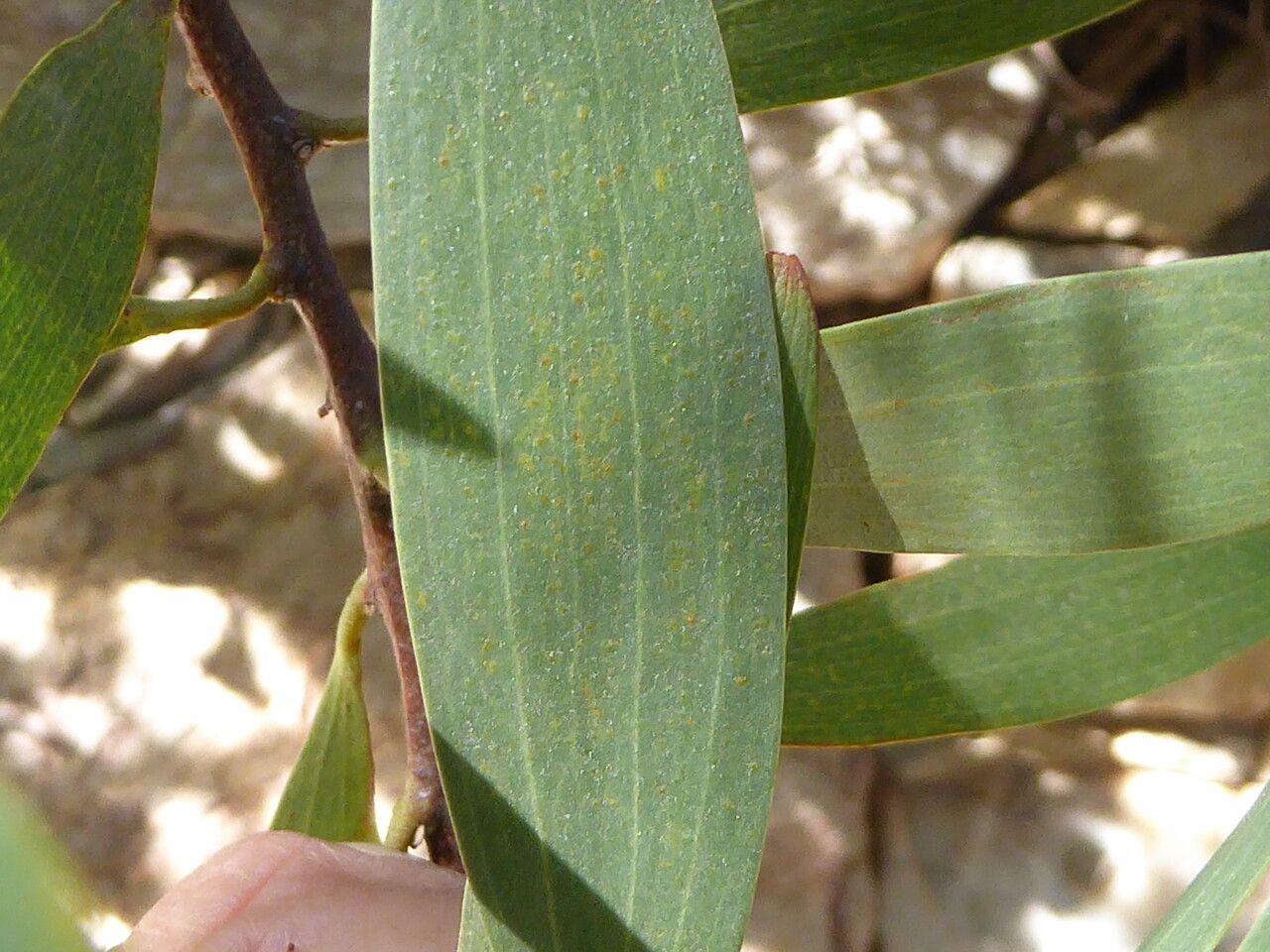
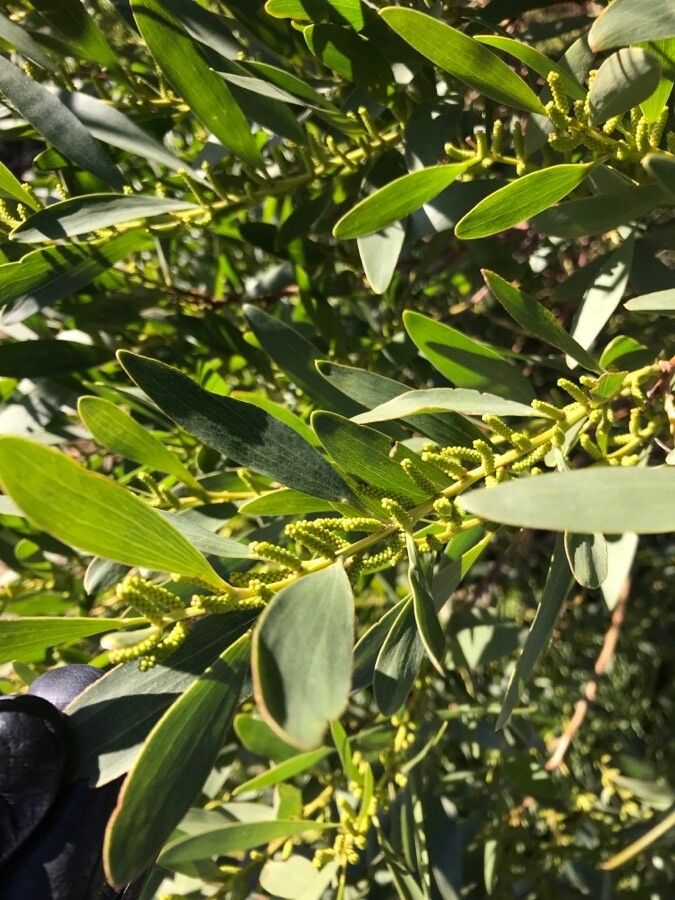
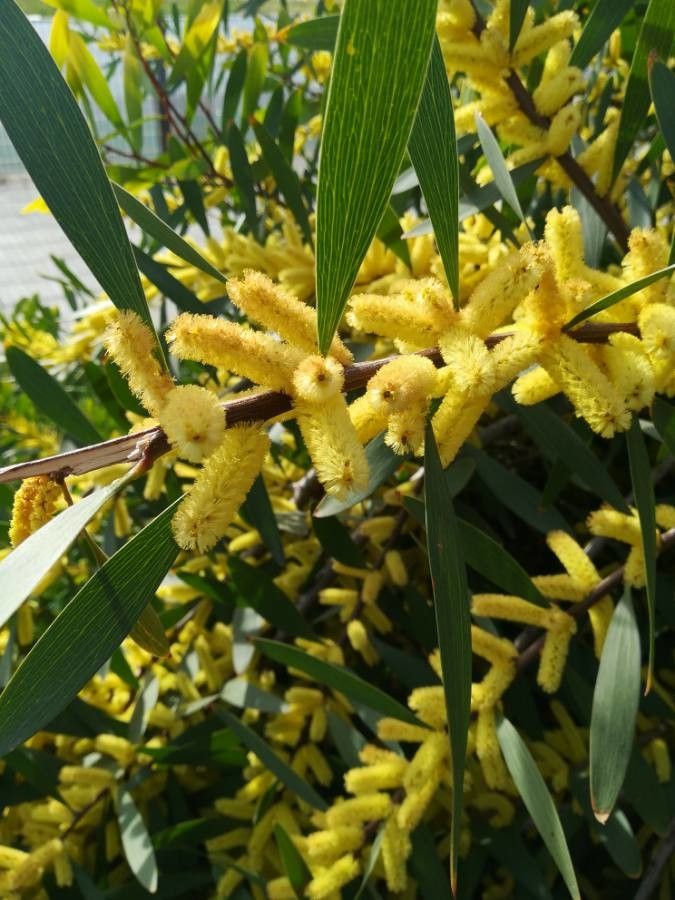
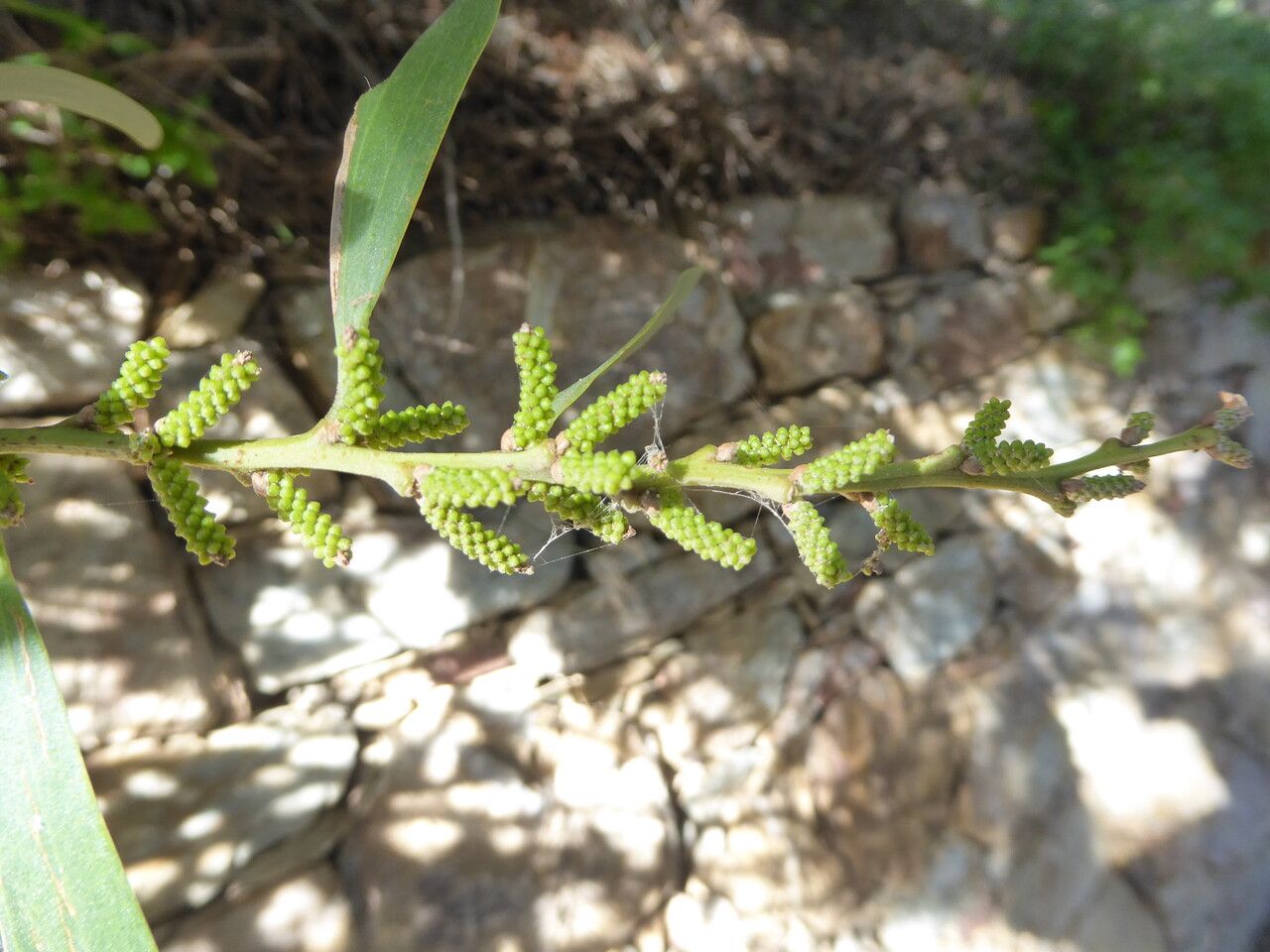
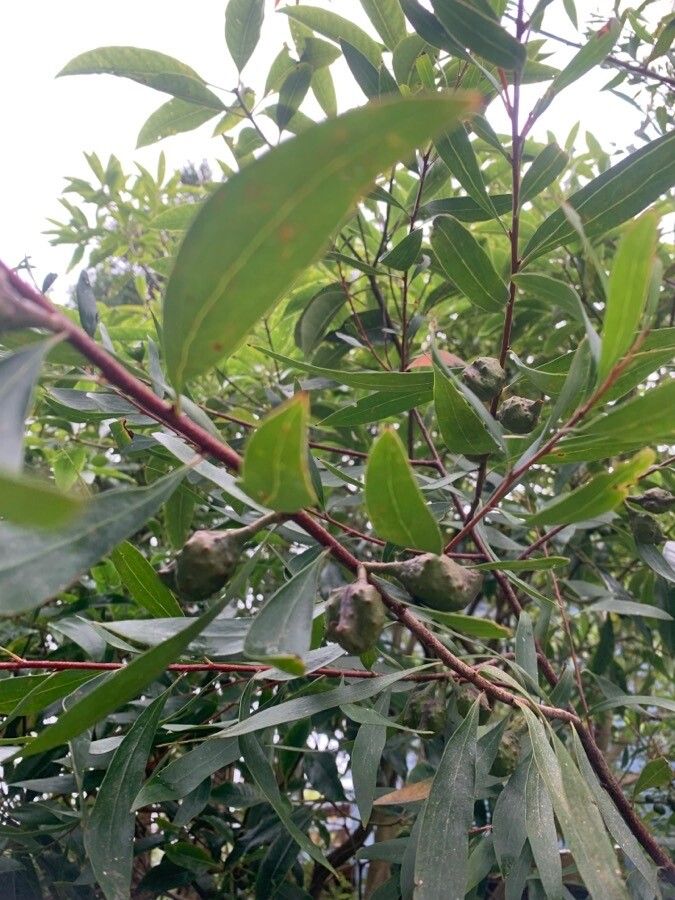
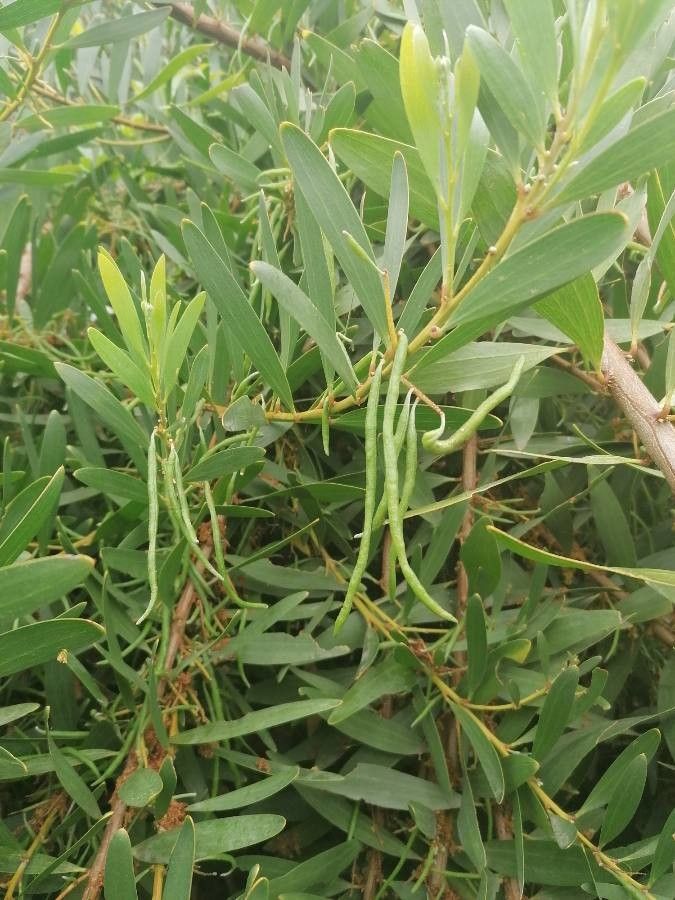
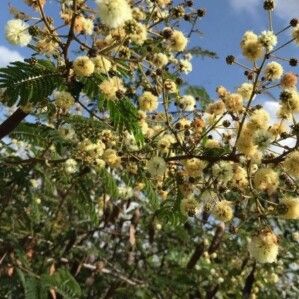
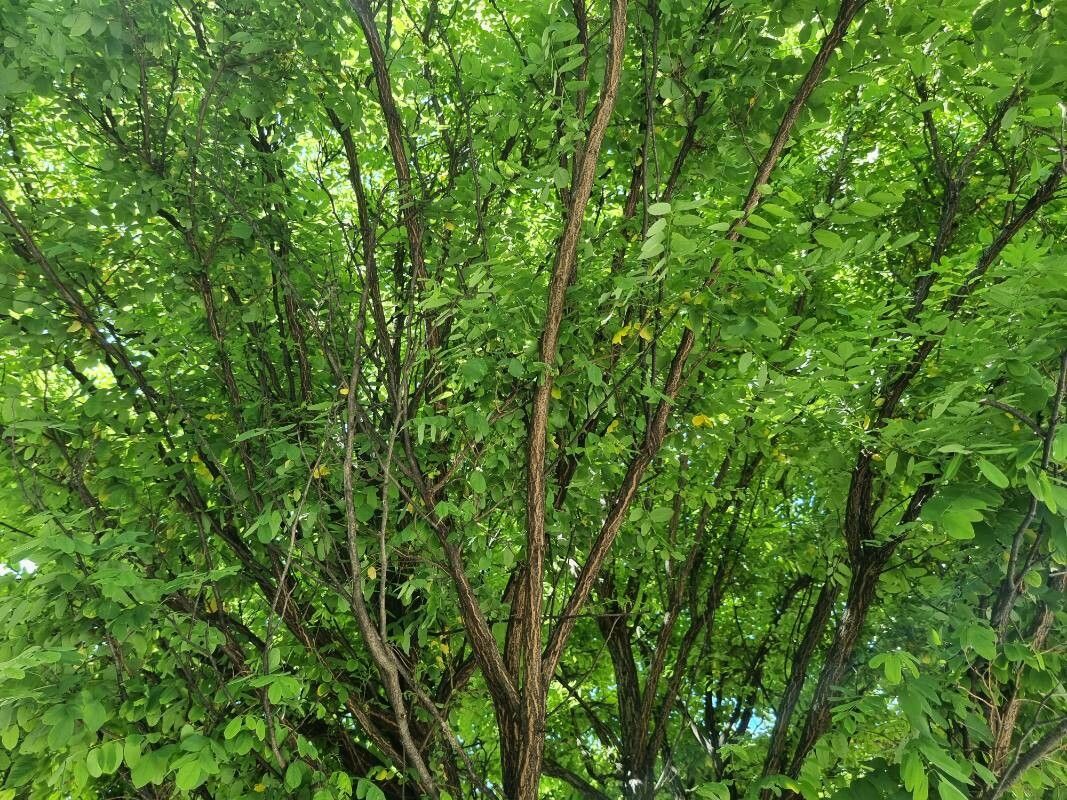
Acacia longifolia, commonly known as the Sydney golden wattle or long-leaved wattle, is a species of flowering plant in the family Fabaceae. Native to southeastern Australia, it has been introduced to other parts of the world as an ornamental plant. The tree can grow up to 10 meters tall and features distinctive elongated, dark green leaves. Its bright yellow flowers appear in clusters from late winter to early spring.
Acacia longifolia is a hardy plant that tolerates a wide range of soil types and climatic conditions, making it popular for landscaping and erosion control projects. Additionally, it possesses medicinal properties; extracts from its bark have been traditionally used to treat ailments such as fever, coughs, and skin infections.
However, Acacia longifolia can be invasive in non-native habitats, where it outcompetes local vegetation for resources such as water and nutrients. In regions where it has been introduced, such as South Africa, it is considered an invasive species that poses a threat to local biodiversity.
Various parts of the Sydney golden wattle are valuable in different industries. The wood is utilized in carpentry, while the bark is used in the tanning process for sheep skins. Additionally, the flowers are used to produce yellow dye, and the seed pods can be used to make green dye. The seeds are edible if the pods are roasted beforehand. FUN FACT · FROM THE LIBRARY
In conclusion, while Acacia longifolia is a beautiful and versatile tree, it should be introduced into non-native habitats with caution due to its potential invasiveness.
The Sydney golden wattle has undergone several changes in its classification over the years. Originally named Acacia longifolia in 1806, it has also been classified under different genera, including Mimosa, Racosperma, and Phyllodoce, before finally being reassigned to the Acacia genus in 2006. Indeed, taxonomy often evolves more rapidly than the species themselves.
Sydney golden wattle is disease-resistant and generally not susceptible to illnesses. As for care, this plant is fairly low-maintenance. When grown outdoors it needs only light watering, and larger specimens typically do not require pruning. Smaller plants, however, should be pruned after they finish flowering. Sydney golden wattlet is suitable for anyone with an outdoor area, such as a garden or deck, and does not demand much care experience.
How to keep Acacia Longifolia.
Light
Sydney golden wattle prefers sites with strong, direct sunlight throughout the day. Native to habitats that heavily expose plants to sun, this species grows best in those conditions and may struggle if light levels are reduced too much.
Water
The Sydney golden wattle is a plant native to southeastern Australia, known for its ability to thrive in a variety of moisture conditions, including drought. To care for this plant, water it every 1-2 weeks, allowing the soil to dry out slightly between watering. It prefers full sunlight and is usually grown outdoors. The plant benefits from a growing season that mimics the rainfall patterns of its native habitat.
Temperature
Sydney golden wattle is native to regions with moderate to high temperatures. It does particularly well in a temperature range from 68 to 100 °F (20 to 38 ℃). Seasonal temperature variations should generally be kept moderate, and sudden drops avoided for the plant's optimal growth.
Fertilizer
The best time to fertilize a Sydney golden wattle is in early spring, as it comes out of dormancy. This encourages overall growth and flower development. Fertilization improves the foliage, stems, and branches, and encourages flowers that are large, vibrant, and long-lasting. It helps move nutrients from the roots to the flowers and enhances the plant’s health and resistance to disease.
Pruning
The Sydney golden wattle, known for its vibrant yellow flowers and dense foliage, thrives with regular light pruning during its dormant phase, from early to late winter. To promote robust growth and flowering, focus on removing dead branches and thinning excess growth using clean, sharp tools.
Pot & Repot
When repotting a Sydney golden wattle, choose a pot 1-2 inches (2.5–5.1 cm) larger with ample drainage. Use a well-draining potting mix. Repot in spring or fall, ensuring the root ball is slightly lower than the rim of the flower pot. Water thoroughly after repotting and place in a warm spot with indirect sunlight.
Botanical profile.
- Plant Type
- Tree, Shrub
- Life Cycle
- Perennial
- Genus
- Acacia
- Family
- Fabaceae
- Hardiness Zone
- 9-11
- Mature Height
- 7.01 m to 10.06 m
- Mature Spread
- 3.05 m to 3.66 m
- Leaf Color
- Green, Gray
- Leaf Type
- Evergreen
- Flower Color
- Yellow
- Flower Size
- 2.03 cm to 5.08 cm
- Bloom Time
- Early spring, Mid fall, Late fall, Winter
- Planting Time
- Spring
- Harvest Time
- Mid spring, Late spring, Early summer
Other names.
Reader questions.
How should I water my Sydney golden wattle plant?
Watering your Sydney golden wattle is not a complicated task. You can use a variety of watering tools, such as watering cans, hoses, or even cups. Regardless of the tool you choose, it's important to water the soil directly. Make sure to evenly moisten all areas of the soil to ensure every part of the root system receives the water it needs. Using filtered water is ideal, as tap water may contain harmful particles. Additionally, it is best to use water that is at or slightly above room temperature. Extremely cold or hot water may shock the plant. However, the Sydney golden wattle generally responds well to different types of water.
Why should I put fertilizer on my Sydney golden wattle plant?
Fertilization plays a crucial role in maintaining the overall health and well-being of a Sydney golden wattle. It provides the necessary energy and nutrients for the tree to develop abundant foliage as well as strong stems and branches. Additionally, the flowers of the Sydney golden wattle hold great value for gardeners who cultivate them. Thankfully, fertilization also contributes to the production of large, vibrant, and long-lasting flowers. This is because the right type of fertilizer enables efficient fuel transfer from the roots to the flowers through the stems. Proper fertilization further enhances the plant's overall health, bolstering its ability to resist diseases.
What are the sunlight requirements for Sydney Golden Wattle?
Sydney Golden Wattle requires full sun, which entails having more than 6 hours of sunlight daily, but it can also manage in partial sun with about 3-6 hours of sunlight. It's crucial to watch the sun's movement through your garden to select spots that provide a good balance of light and shade to ensure your plants flourish. Originating from environments with robust sun exposure, this plant thrives best in abundant, non-diffuse sunlight throughout the day.
What is the optimal temperature range for Sydney golden wattle?
The Sydney golden wattle, or Acacia longifolia, thrives best in environments with moderate to high temperatures, specifically in a range from 68 to 100°F (20 to 38°C). It is extremely heat-loving, and cold temperatures can negatively affect its growth. To ensure the plant's optimal growth, seasonal temperature fluctuations should be moderate, with sudden drops in temperature avoided. During winter, maintaining temperatures above 20°C is beneficial, and temperatures approaching 0°C can be detrimental. It's recommended to bring outdoor-grown Sydney golden wattle indoors in the autumn and place it near a bright window, yet at a certain distance from heaters.
What should I do if I give my Sydney golden wattle tree too much water or not enough water?
Outdoor plants, especially new ones or seedlings, can often suffer from lack of watering. It's important to water them consistently for a few months in the beginning while they are small or recently planted. Once the roots are established, the Sydney golden wattle can rely on rain for most of its needs. If you have a Sydney golden wattle in a pot, be cautious of overwatering. If you accidentally overwater, there are steps you can take to fix it. First, stop watering the plant immediately to minimize the impact. Then, inspect the roots by removing the plant from its pot. If you find no signs of root rot, you can place it back in the pot. However, if there is root rot, trim away any affected roots and consider applying a fungicide to prevent further damage. Finally, repot the Sydney golden wattle in well-draining soil. For underwatered Sydney golden wattles, the solution is simple: water them more frequently. If the plant is underwatered, its leaves will droop, dry out, and may fall off. Once properly watered, the leaves will regain their fullness. Make sure to adjust your watering frequency as soon as you notice signs of underwatering.
When should I fertilize my Sydney golden wattle?
The best time to fertilize a Sydney golden wattle is during early spring when it is coming out of its dormant phase. This will provide the plant with energy for growth and flower development. Another feeding at the end of the season in fall can also be beneficial, but it doesn't need to be as large. Some gardeners fertilize the golden wattle while planting, but it's not always necessary.
Can artificial lighting be beneficial for Sydney Golden Wattle, and what are the guidelines?
Yes, artificial lighting can be beneficial for Sydney Golden Wattle, especially when natural sunlight is insufficient, such as in winter or less sunny spaces. For optimal growth, indoor plants may require LED lights to provide the specific wavelengths needed. Full sun plants need 30-50W/sq ft, partial sun plants need 20-30W/sq ft, and full shade plants need 10-20W/sq ft of artificial light. The light source should be placed 12-36 inches above the plant for 8-12 hours per day to mimic natural sunlight effectively.
How should Sydney golden wattle be cared for in low temperatures?
Sydney golden wattle prefers warm temperatures and is not tolerant of low temperatures. The plant thrives best when the temperature is kept above 20°C and should be maintained above 0°C during winter. Exposure to temperatures below -5°C can lead to a lightening of leaf color, gradual browning or blackening after frost damage, and symptoms such as wilting and drooping. To mitigate frost damage, it's advised to trim off the frost-damaged parts and immediately move the plant to a warm environment indoors. A south-facing window is ideal for providing ample sunlight. Furthermore, the plant should not be placed near heaters or air conditioning vents to avoid excessive dryness in the air.
How often do I need to water my Sydney golden wattle?
If your area doesn't get much rain, you'll need to water your outdoor plants every 2 weeks in spring and fall, and more often in summer. In winter, water less because the plants grow slower and need less water. Young or newly planted Sydney golden wattles need more frequent watering to help them establish and become more drought tolerant. For potted plants, there are two main ways to determine how often to water your Sydney golden wattle. The first is to follow a set schedule, like once a week or every other week. However, this may not always work because it doesn't consider the specific conditions of your growing environment. Watering frequency can also change depending on the season. For example, a set schedule might not be enough during the summer when the plant needs more water. Another option is to check the soil moisture. Wait until the top two to four inches of soil (about ⅓ to ½ the depth of the pots) have dried out before watering again.
When is the best time to not put fertilizer on my Sydney golden wattle?
During the winter, Sydney golden wattle is in a dormant phase, so fertilization is not necessary. Overfertilization can have negative consequences, making it best to avoid fertilizing during this time. The main feeding times for this plant are in early spring and fall. Therefore, for most of the spring and summer, fertilizer is not needed. It is also advisable to refrain from fertilizing if the plant is facing excessively hot or dry conditions.
What are some common symptoms of light deficiency in Sydney Golden Wattle?
Sydney Golden Wattle may exhibit several symptoms under insufficient lighting, including smaller new leaves, leggy or sparse growth, early leaf drop, delayed or halted growth, and lighter-colored or irregularly colored new leaves. Conditions like chlorosis, sunscald, leaf curling, wilting, and leaf scorching can also occur, indicating either excessive sunlight or a significant sunlight deficiency.
What care does Sydney golden wattle need in high temperatures?
In dealing with high temperatures, the Sydney golden wattle should be kept below 38°C during summer to prevent overheating. Should the temperature exceed 43°C, the leaves may lighten in color, and the plant becomes more susceptible to sunburn. To care for a plant that has experienced sunburn, the sunburned and dried-up parts should be trimmed away. Moving the plant to a location that provides shade during the midday and afternoon sun is advisable. Additionally, watering the plant in the morning and evening helps keep the soil moist and supports the plant's well-being in high temperatures.