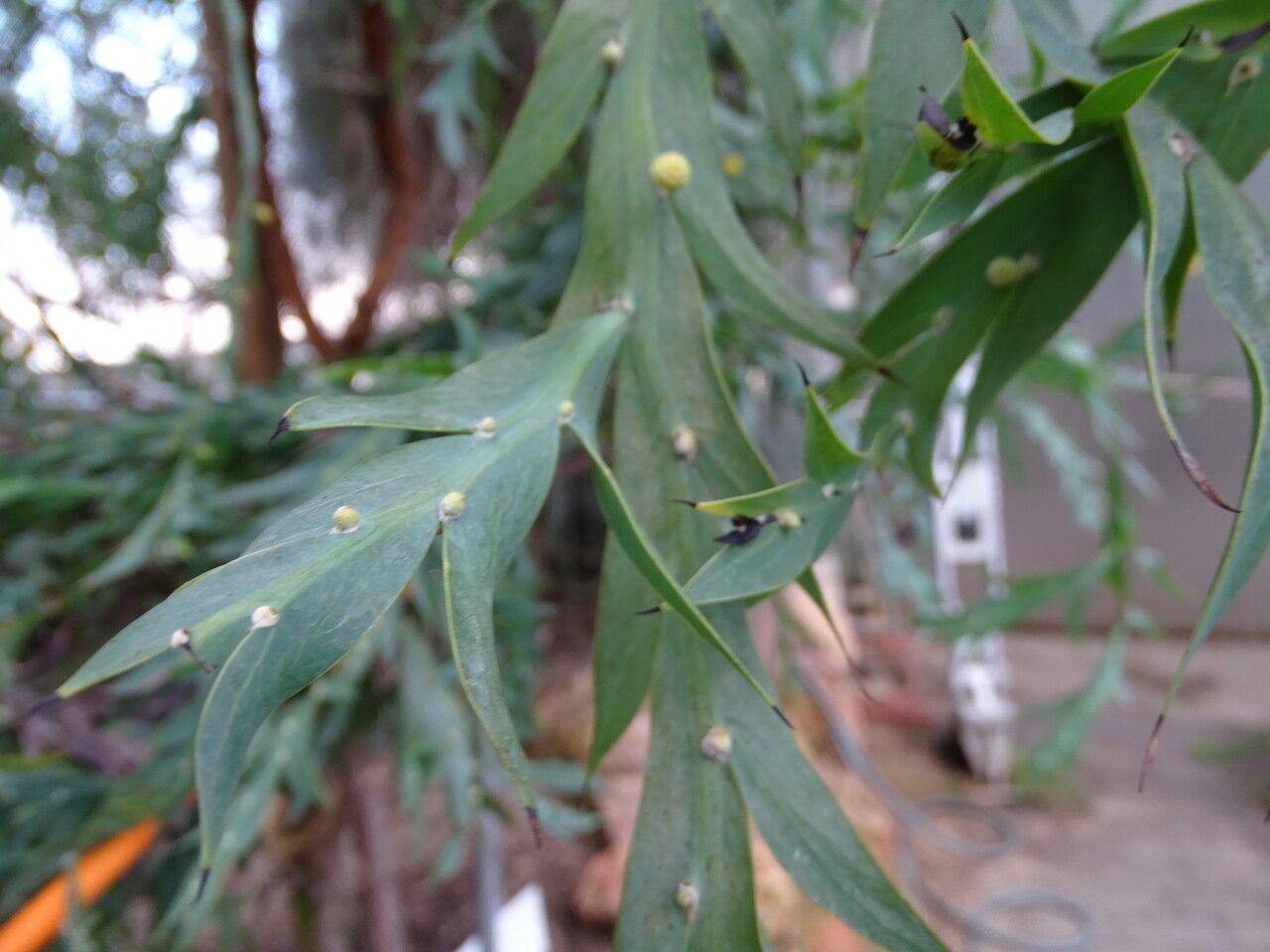
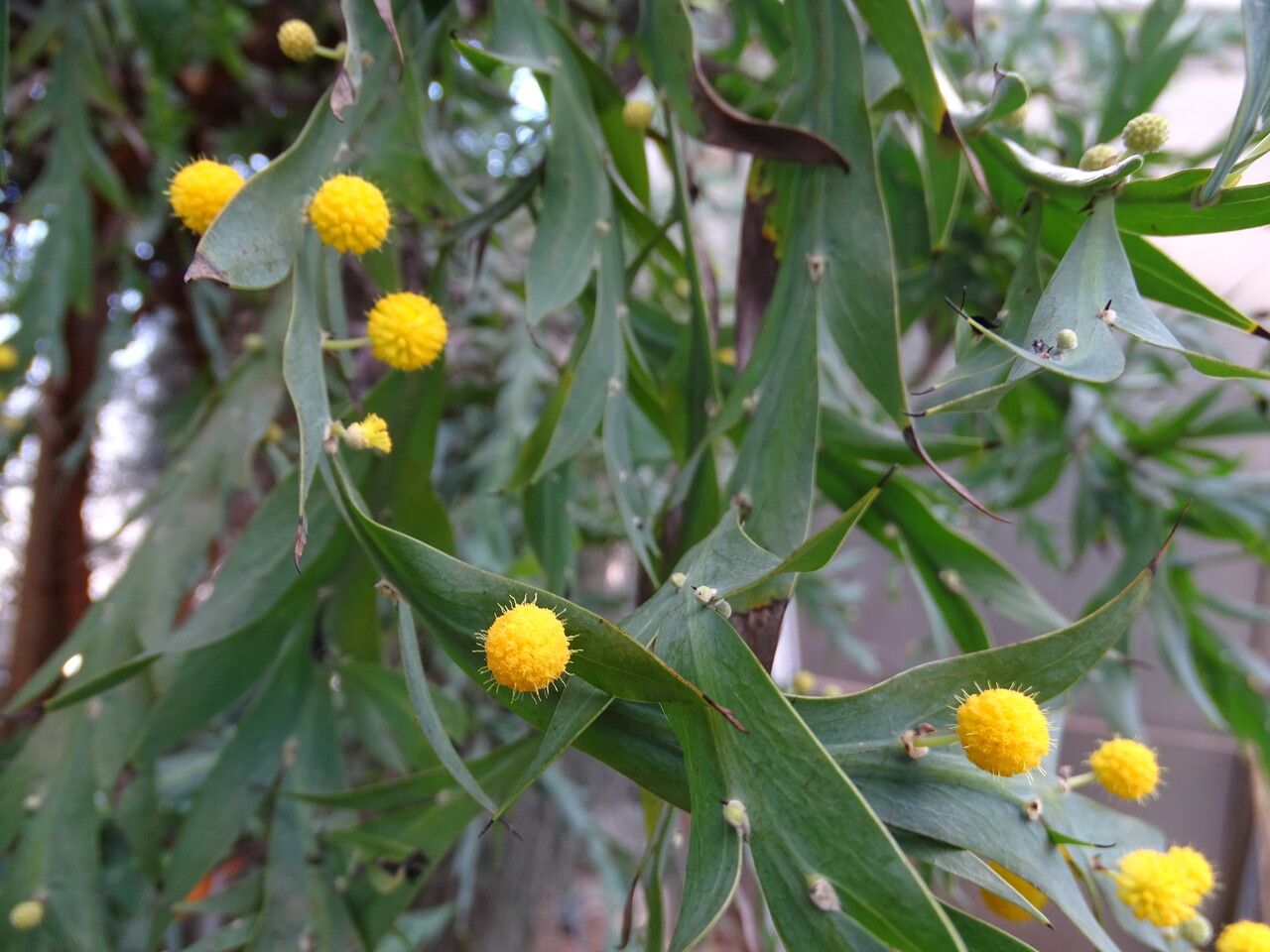
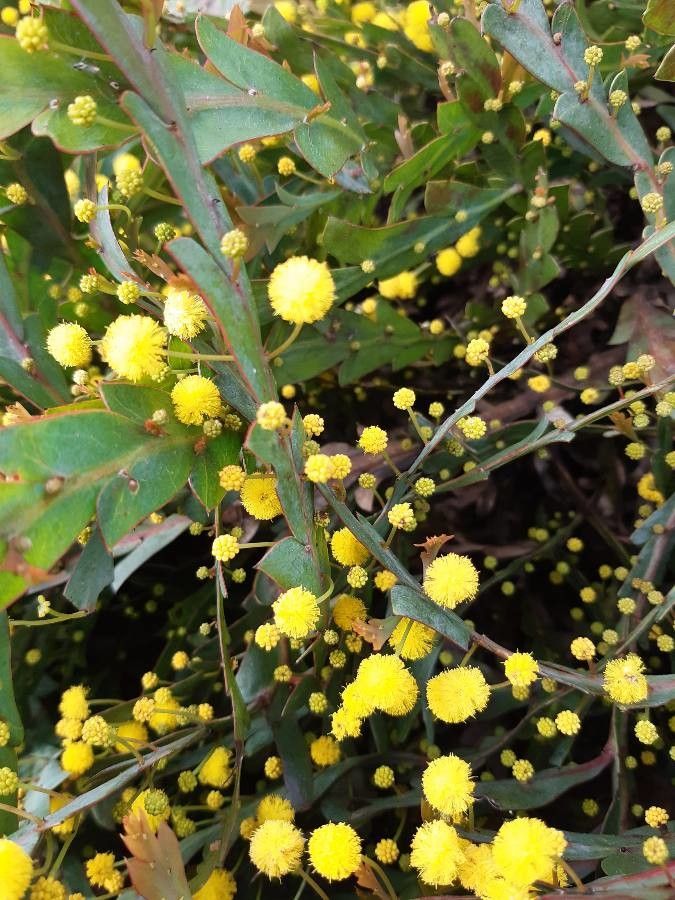
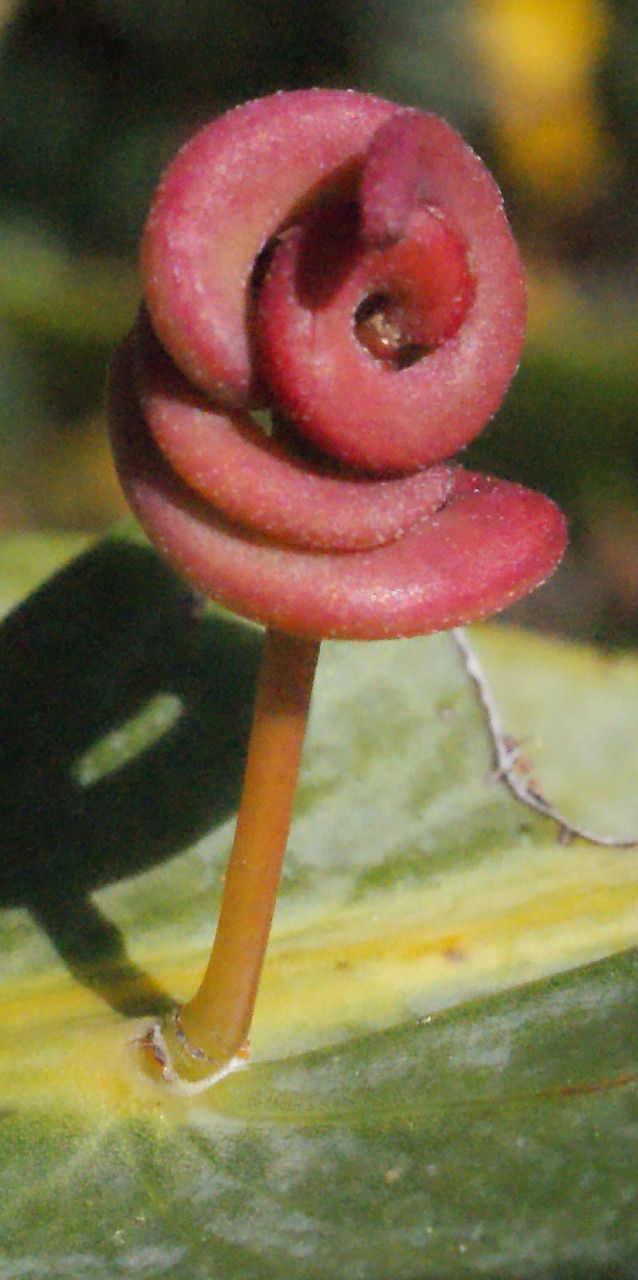
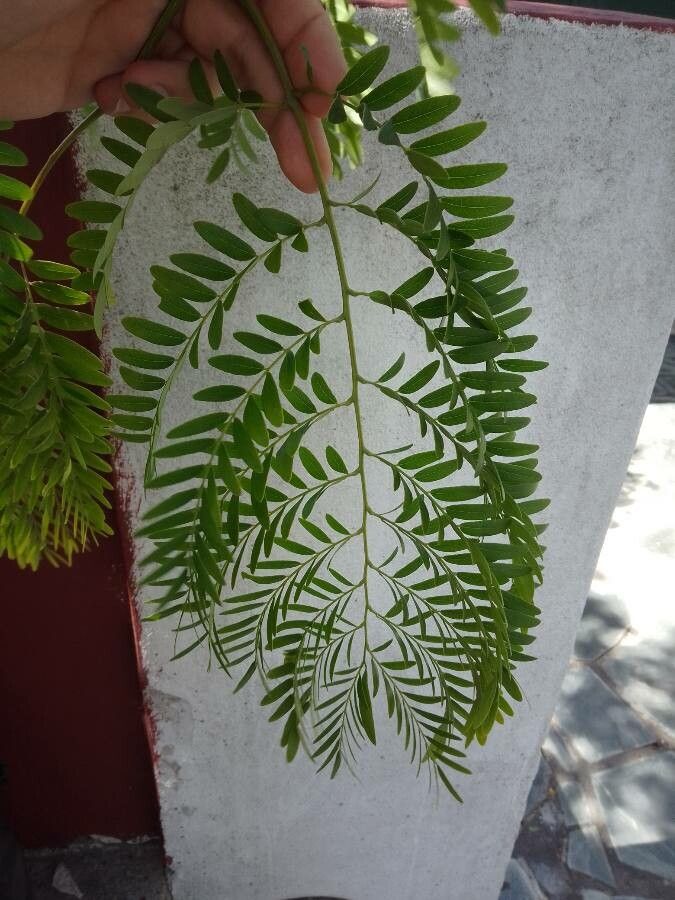
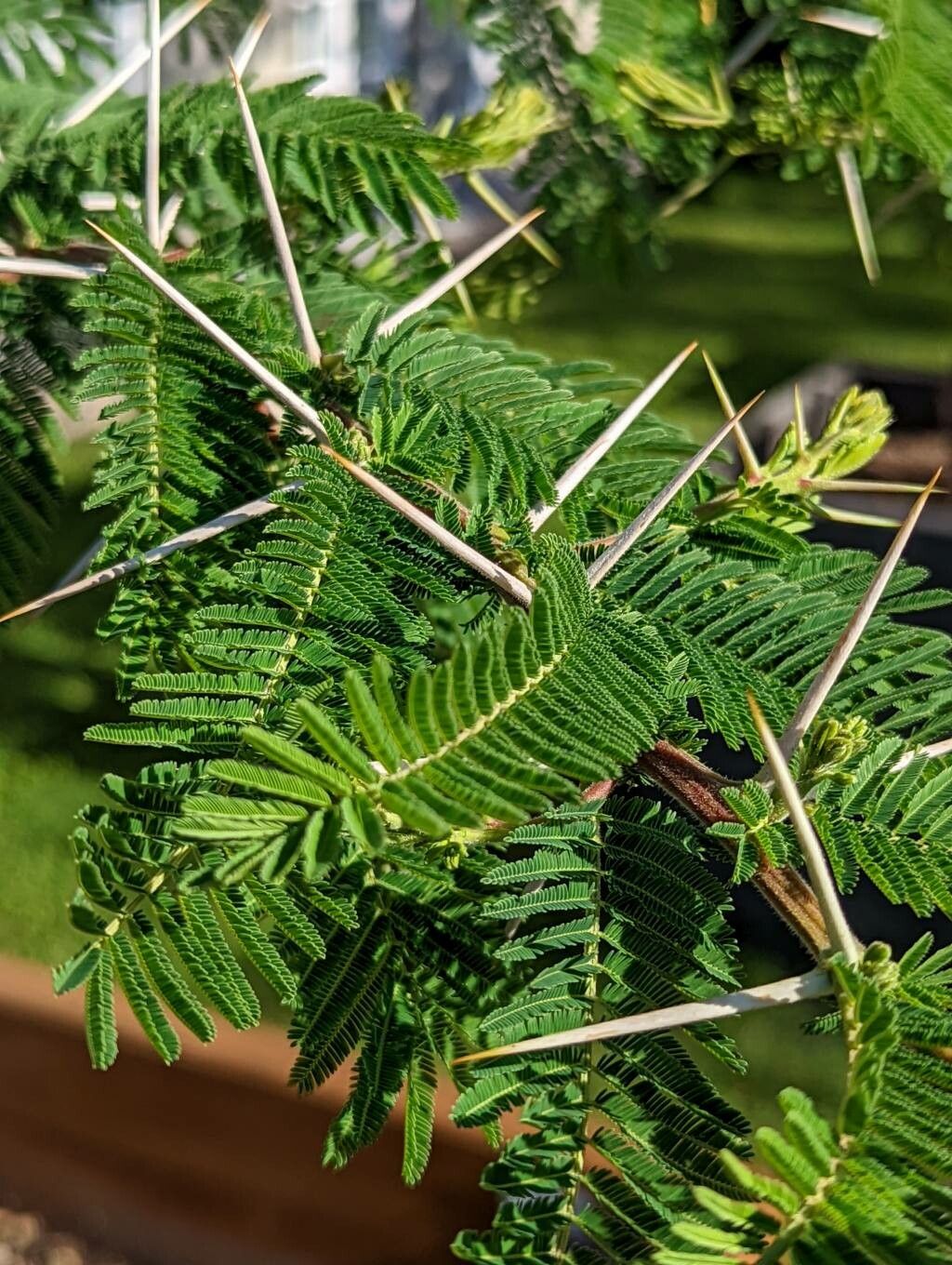
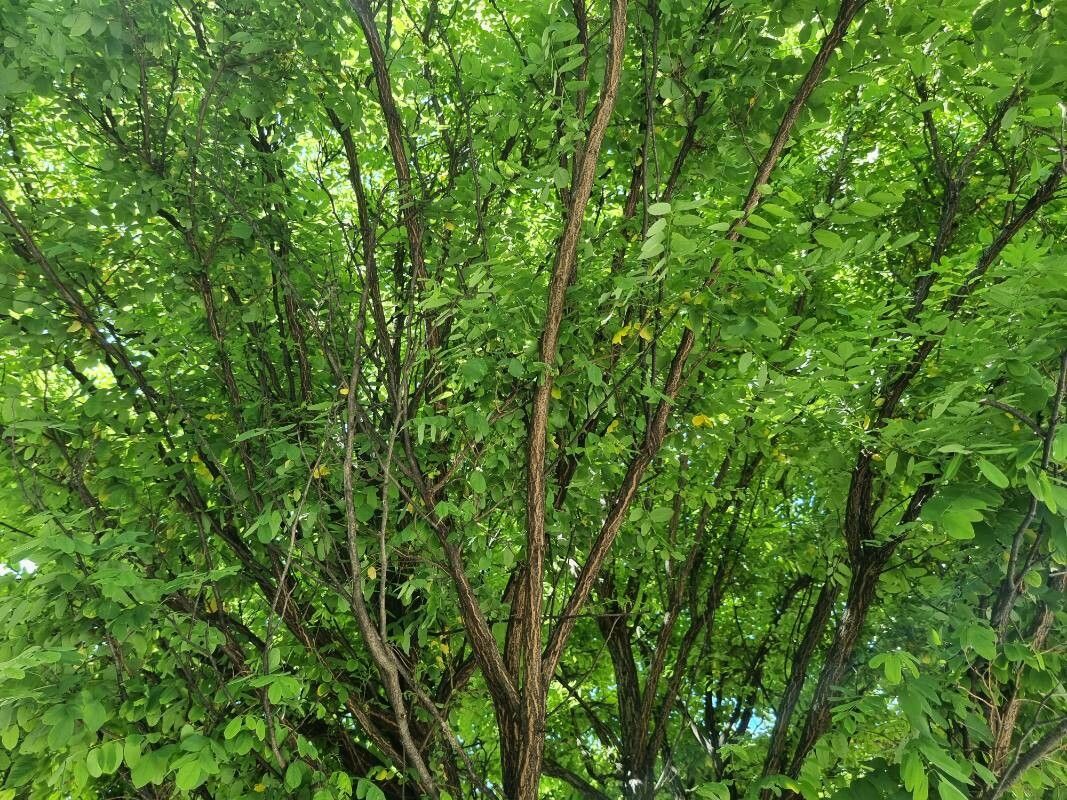
Acacia glaucoptera, commonly known as flat wattle or clay wattle, is a species of Acacia which is endemic to the south-west of Western Australia.
Clay wattle demonstrates strong disease resistance and typically does not suffer from illnesses. In terms of care, this species is fairly low maintenance. When grown outdoors it needs only minimal watering, and larger specimens usually do not require pruning. However, smaller plants should be trimmed after they have finished blooming. Clay wattlet is well suited to anyone with an outdoor area, like a garden or deck, and does not call for extensive gardening experience.
How to keep Acacia Glaucoptera.
Light
Clay wattle is native to open habitats, such as sunny meadows and forest margins, where light is abundant. It performs best in full sun but can also tolerate partial sun, demonstrating adaptability to different light conditions.
Water
Clay wattle flourishes in arid regions due to its strong drought tolerance. It prefers a balanced watering schedule of every 1-2 weeks. As an evergreen plant, it retains its leaves year-round, effectively conserving water in its dry environment and avoiding excess humidity.
Temperature
Clay wattle shows strong adaptability to a range of climates, from scorching summers to chilly winters. However, it does have an optimal temperature range for growth. If temperatures become too high, the plant is susceptible to heat and humidity stress, which can lead to its death. In areas where temperatures near the lower limit of its cold tolerance, it is important to provide insulation to protect the plant.
Fertilizer
Timing is essential for fertilizing Clay wattle. Begin fertilizing in early spring and continue monthly until early summer. Fertilizer promotes attractive blooms and provides energy during both dormant and active growth periods.
Pruning
The clay wattle is known for its distinctive flat leaves and vibrant yellow flowers. To maintain its shape and encourage denser growth, it's best to prune in early spring. This also helps in removing any unhealthy branches. Make sure to limit pruning to no more than one-third of the plant to avoid stunting its growth. Proper pruning enhances air circulation and allows more sunlight to penetrate, which can reduce the risk of fungal infections.
Botanical profile.
- Plant Type
- Shrub
- Life Cycle
- Perennial
- Genus
- Acacia
- Family
- Fabaceae
- Hardiness Zone
- 9-11
- Mature Height
- 2.44 m
- Mature Spread
- 3.05 m
- Leaf Color
- Sky Blue, Light Blue
- Leaf Type
- Evergreen
- Flower Color
- Yellow
- Flower Size
- 0.51 cm to 0.76 cm
- Bloom Time
- Fall
- Planting Time
- Summer, Autumn
- Harvest Time
- Winter, Early spring
Other names.
Reader questions.
What are the sunlight requirements for Clay Wattle (Acacia glaucoptera)?
Clay Wattle (Acacia glaucoptera) thrives in varying amounts of sunlight, with specific needs dependent on the intensity of light it receives during the day. For optimal growth, areas that receive full sun, defined as more than 6 hours of direct sunlight daily, are ideal. However, it can also adapt to partial sun conditions, where it would receive about 3-6 hours of sunlight. It's important to observe the patterns of sunlight and shade in your garden throughout the day to find the best spot that meets these requirements, ensuring the health and happiness of your Clay Wattle.
What is the botanical name of Clay Wattle?
The botanical name of Clay Wattle is Acacia glaucoptera.