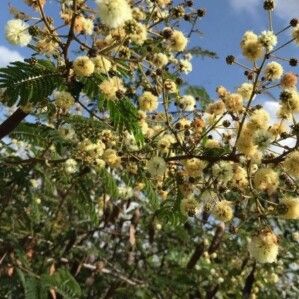
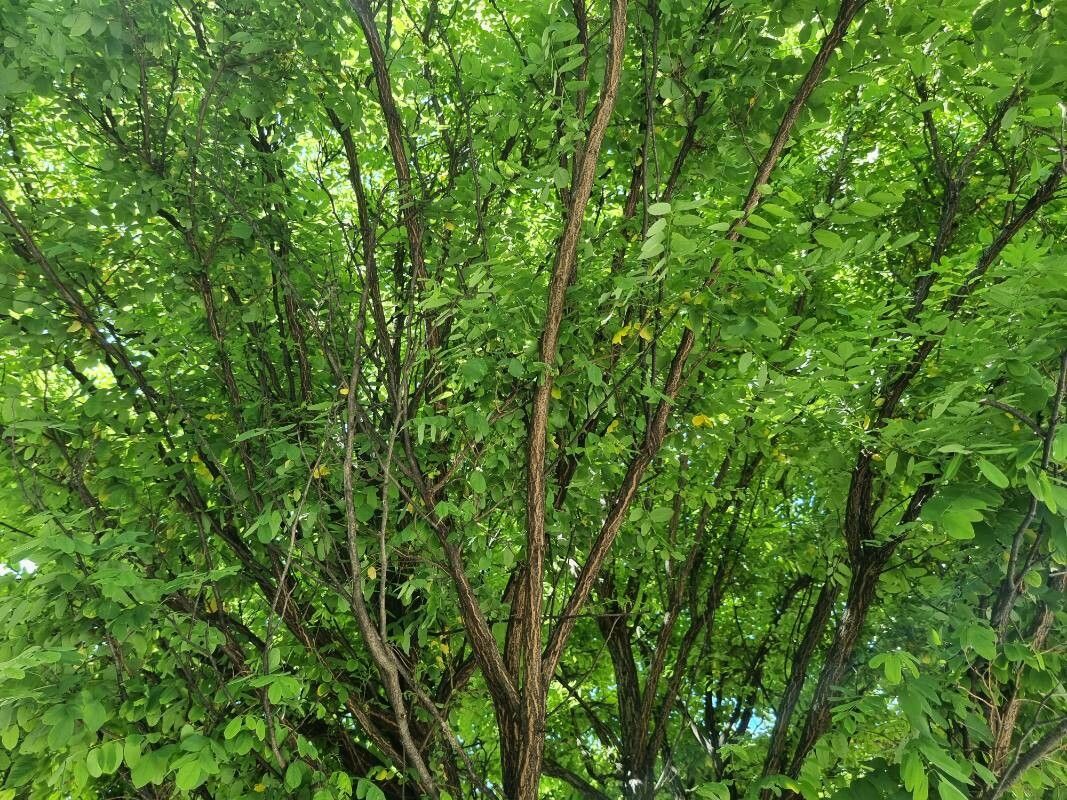
Acacia farnesiana, commonly known as the sweet acacia or needle bush, is a small to medium-sized tree in the Fabaceae family. It is native to tropical and subtropical regions of North and South America, including Mexico, the Caribbean, and parts of South America.
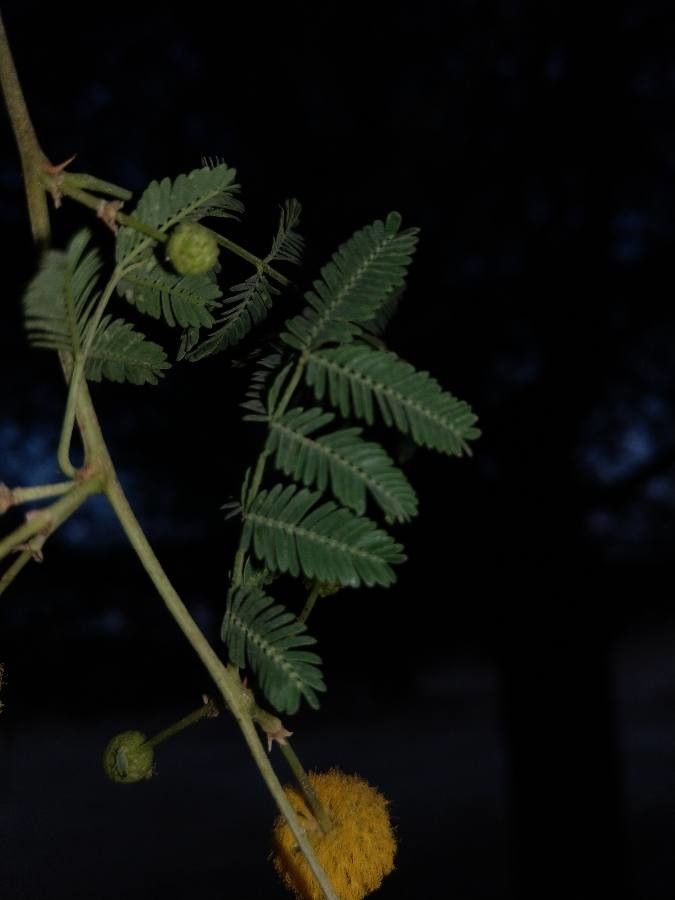
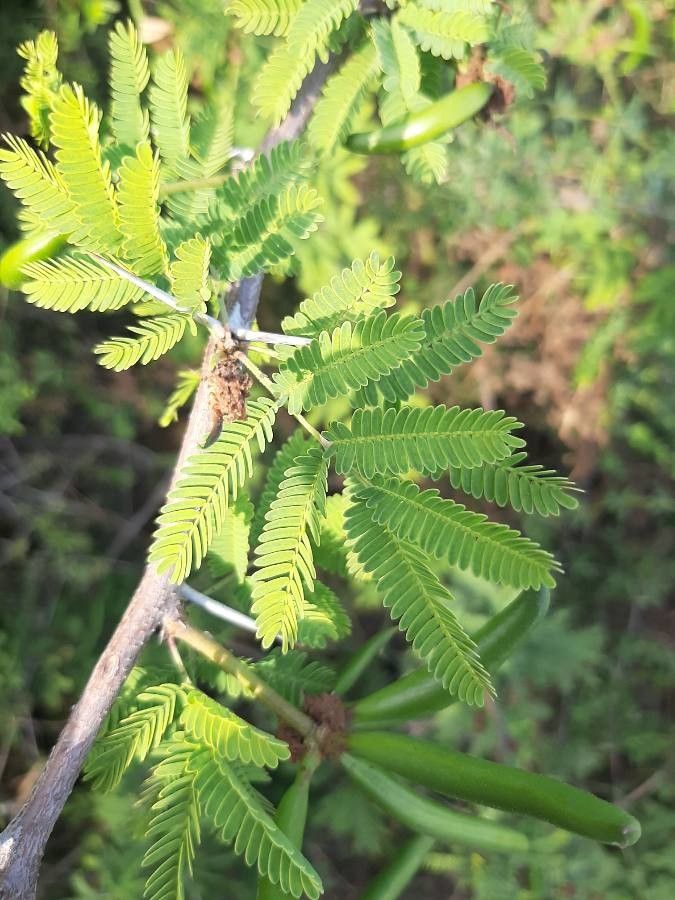
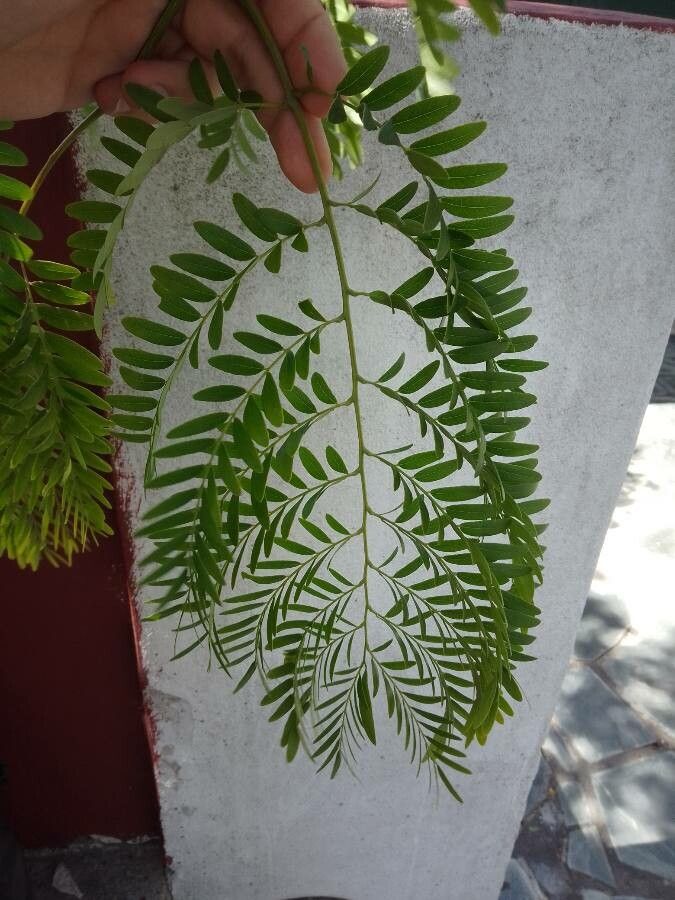
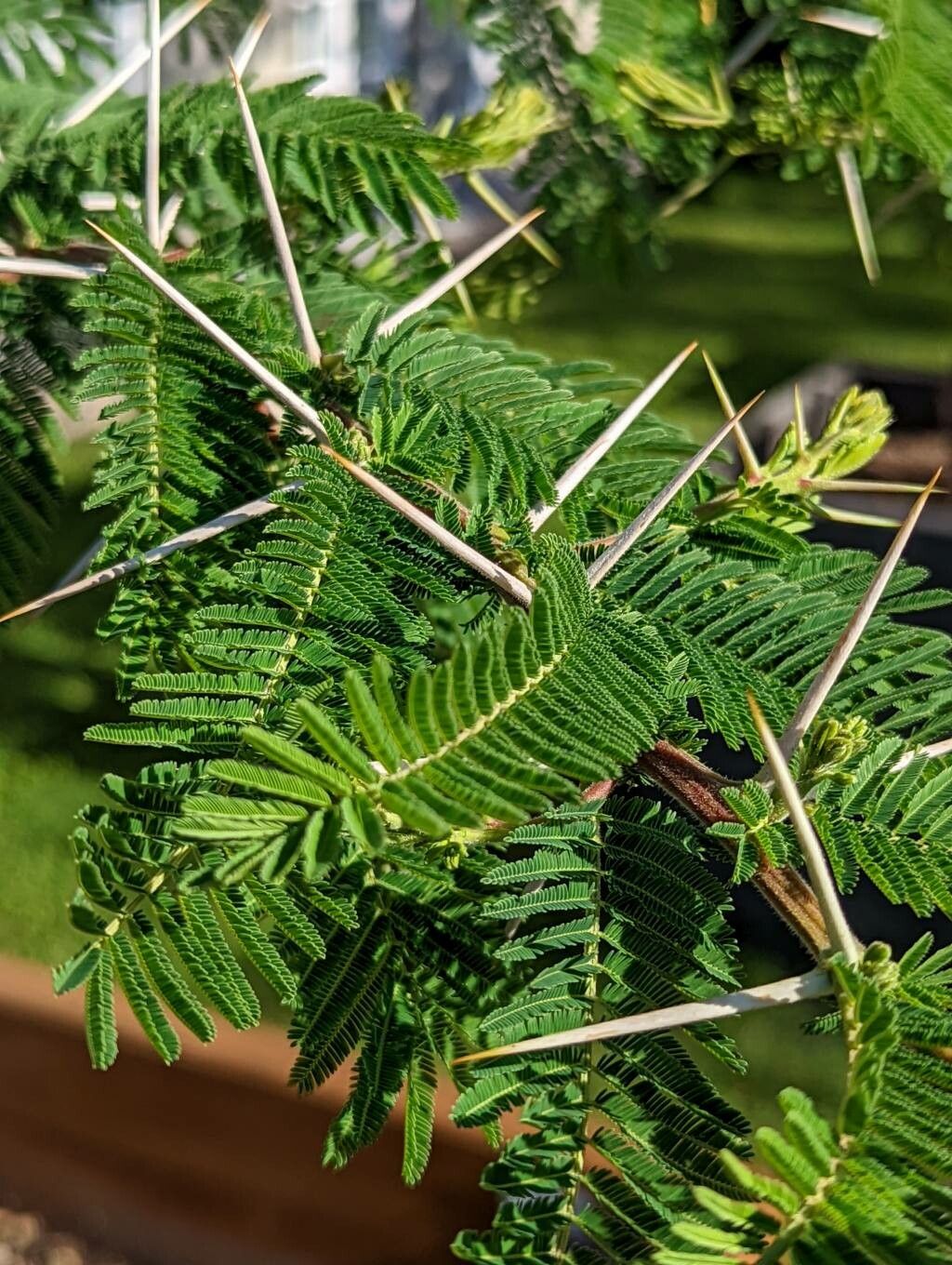
The sweet acacia tree can grow up to 10 meters in height with a spread of 6 meters. It has a dense crown with bipinnate, dark green leaves. These leaves are small, feathery, and feature tiny leaflets arranged along each stem.
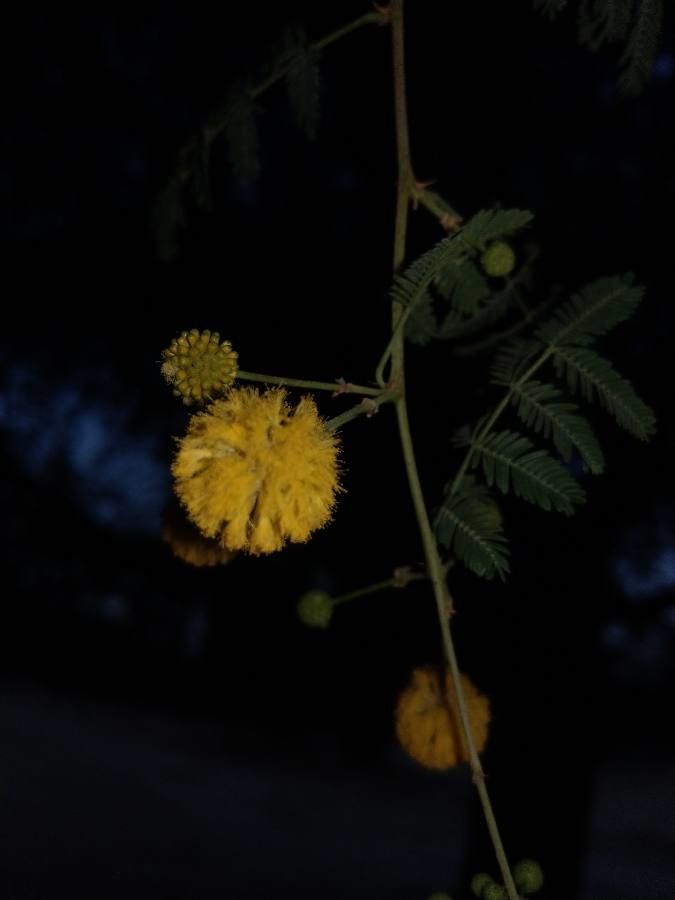
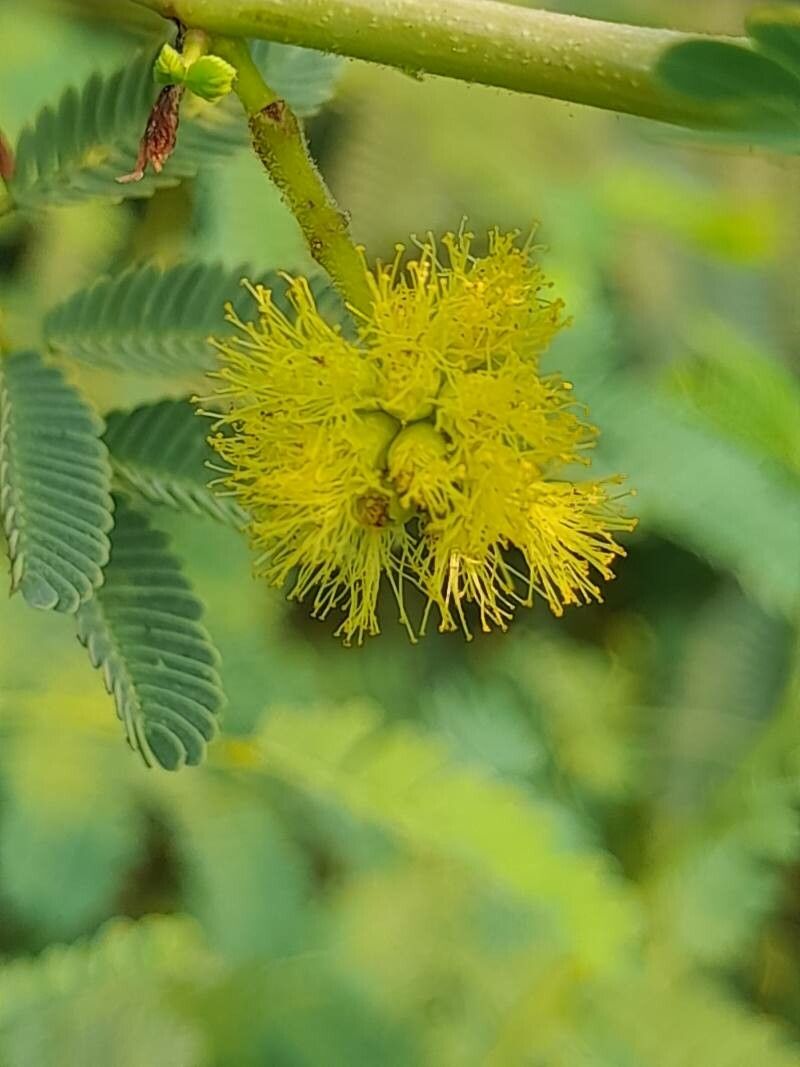
One of the most distinctive features of Acacia farnesiana is its fragrant yellow flowers, which bloom from late winter through early summer. These flowers are arranged in clusters or spikes at the ends of branches and emit a sweet aroma reminiscent of honey.
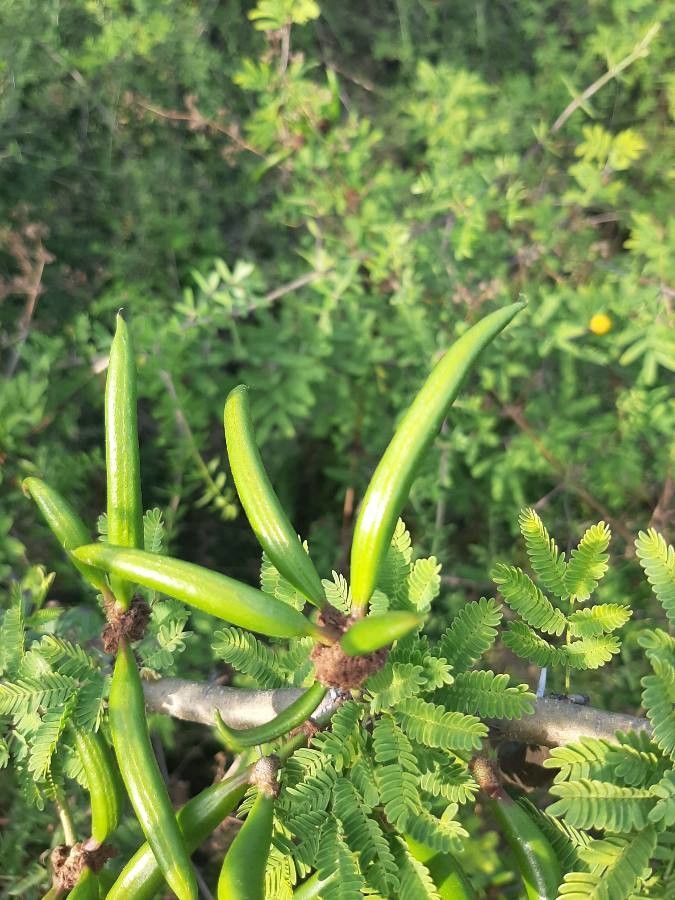
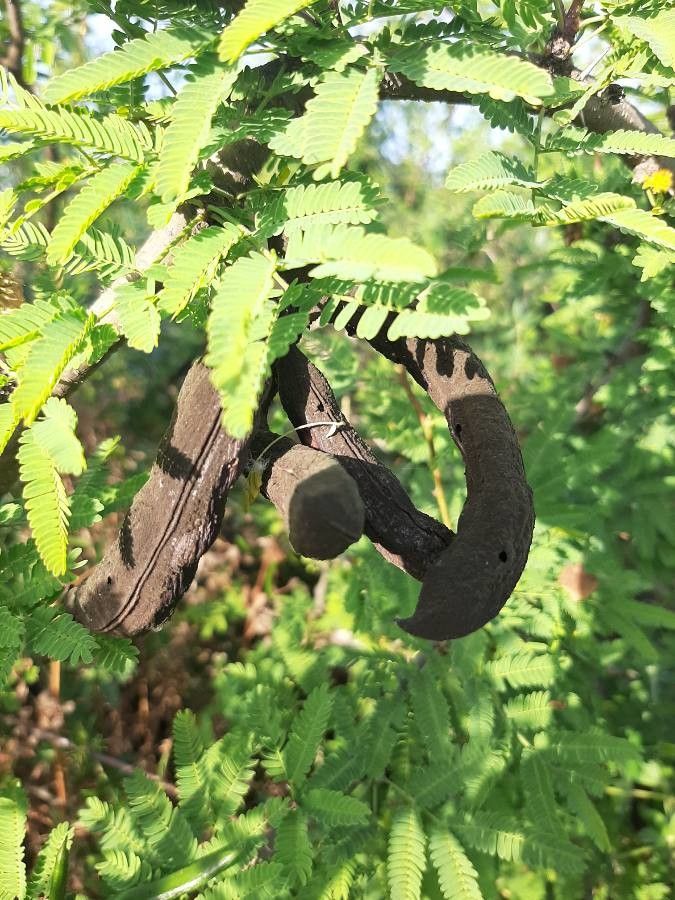
The tree produces fruit in the form of pod-like structures containing seeds, which can be used for propagation. The bark contains tannins, historically used for medicinal purposes such as treating diarrhea and dysentery.
Acacia farnesiana is valued for its many uses, including ornamental landscaping, due to its attractive foliage and fragrant flowers. Additionally, its dense crown provides shade for animals such as cattle and sheep.
Overall, Acacia farnesiana is an attractive plant species known for its beautiful yellow blooms and alluring fragrance, making it popular among gardeners worldwide.
Sweet acacia is resistant to disease and is typically not prone to health problems. In terms of care, the plant is fairly low-maintenance. Planted outdoors, it needs only minimal watering, and larger specimens usually do not require pruning. Smaller plants, however, should be pruned after they finish blooming. Sweet acacia is suitable for anyone with an outdoor area, such as a garden or a deck, and does not demand much gardening experience.
How to keep Acacia Farnesiana.
Light
Sweet acacia grows best in abundant sunlight, reflecting the conditions of its native habitat. It can tolerate lower light levels as well. However, too much or too little sun can hinder its healthy growth. Its light requirements stay fairly consistent throughout the different stages of development.
Humidity
This plant prefers dry conditions, so don't mist it. However, watering it less often can also thrive in higher humidity.
Temperature
In its natural habitat, sweet acacia favors warm temperatures of 68 to 100°F (20 to 38°C). It does best in hot, dry conditions during summer. In winter it tolerates some frost, but temperatures below 25°F (-4°C) should be avoided.
Fertilizer
Fertilizing is essential to caring for Sweet acacia. Routine feeding during the growing season maintains the energy for its showy leaves and supports overall growth. Failing to fertilize can cause unhealthy foliage, reduced ornamental value, and stunted or weak growth that is prone to breaking.
Botanical profile.
- Plant Type
- Tree, Shrub
- Life Cycle
- Perennial
- Genus
- Acacia
- Family
- Leguminosae
- Hardiness Zone
- 9-11
- Mature Height
- 4.57 m to 9.14 m
- Mature Spread
- 4.57 m to 7.62 m
- Leaf Color
- Green
- Leaf Type
- Evergreen, Semi-evergreen, Deciduous
- Flower Color
- Yellow
- Flower Size
- 2.54 cm
- Bloom Time
- Early spring, Mid spring, Late summer, Fall, Winter
- Planting Time
- Summer
- Harvest Time
- Spring, Fall, Winter
- Native Area
- Belize, Honduras, Mexico, Guatemala, Peru, Panama, Jamaica, Colombia, Bahamas, Cuba, Bolivia, Venezuela, Brazil, Guyana, Nicaragua, Ethiopia, Ecuador, Costa Rica
Other names.