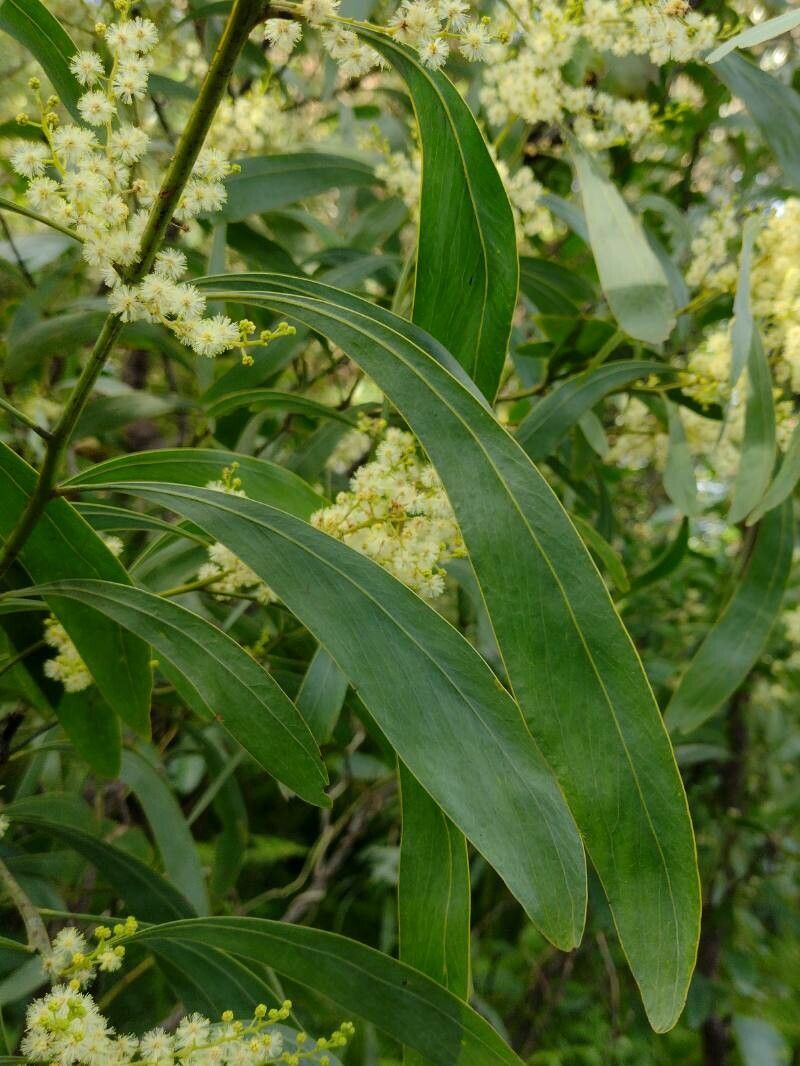
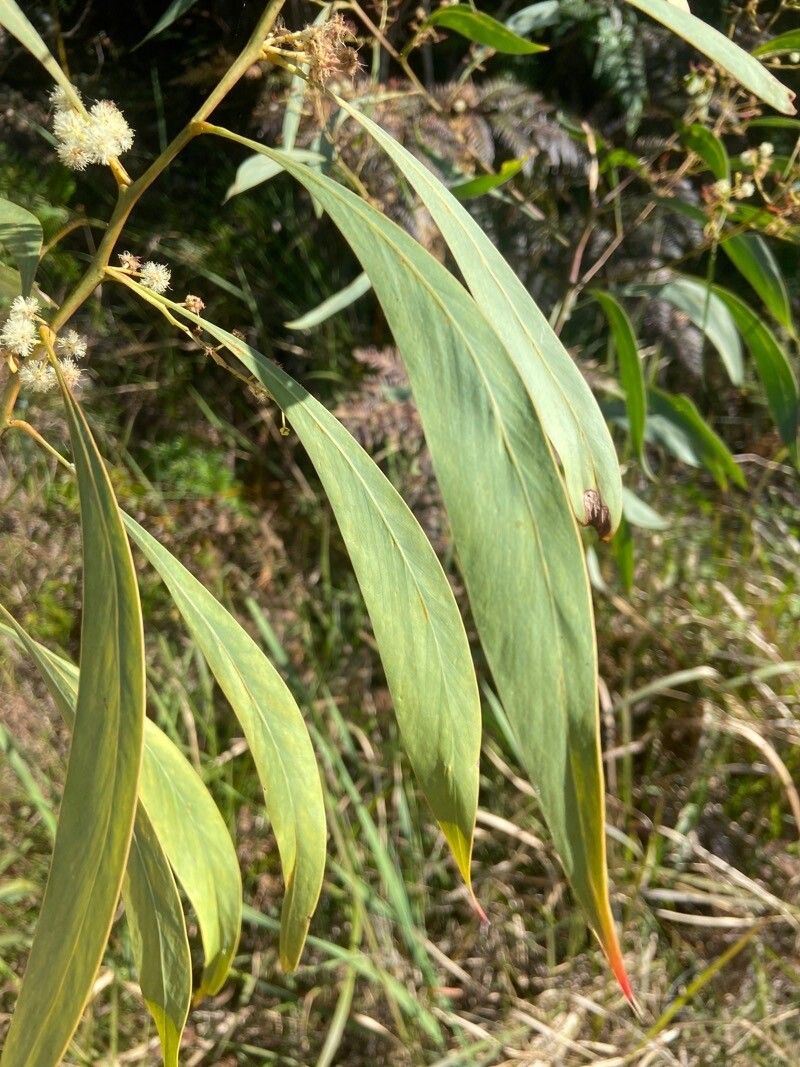
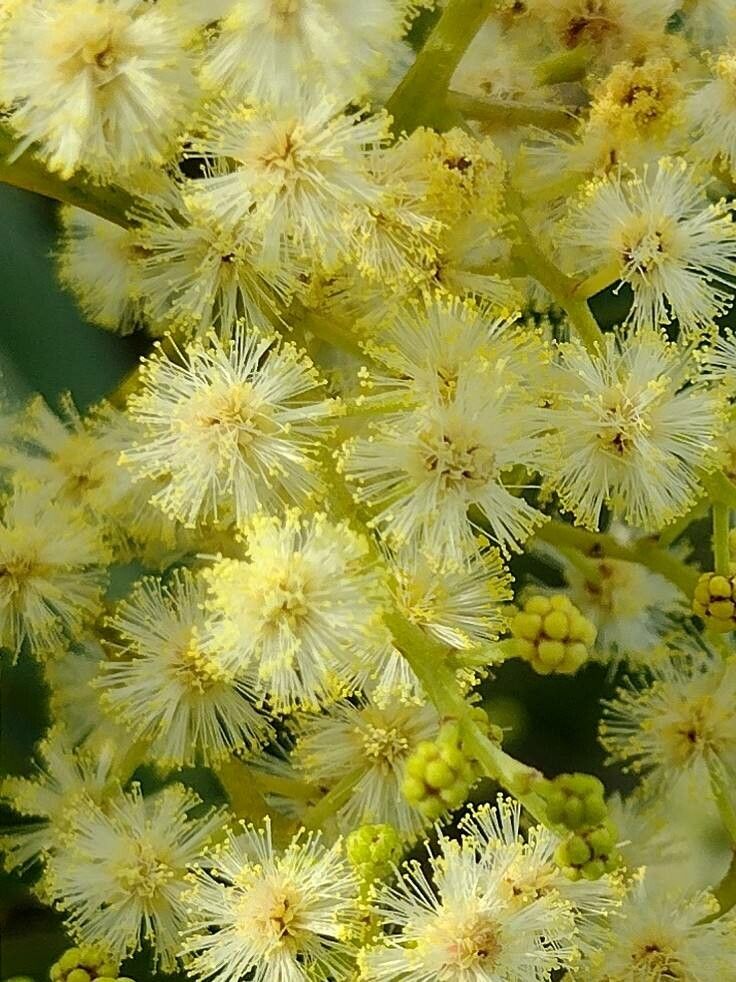
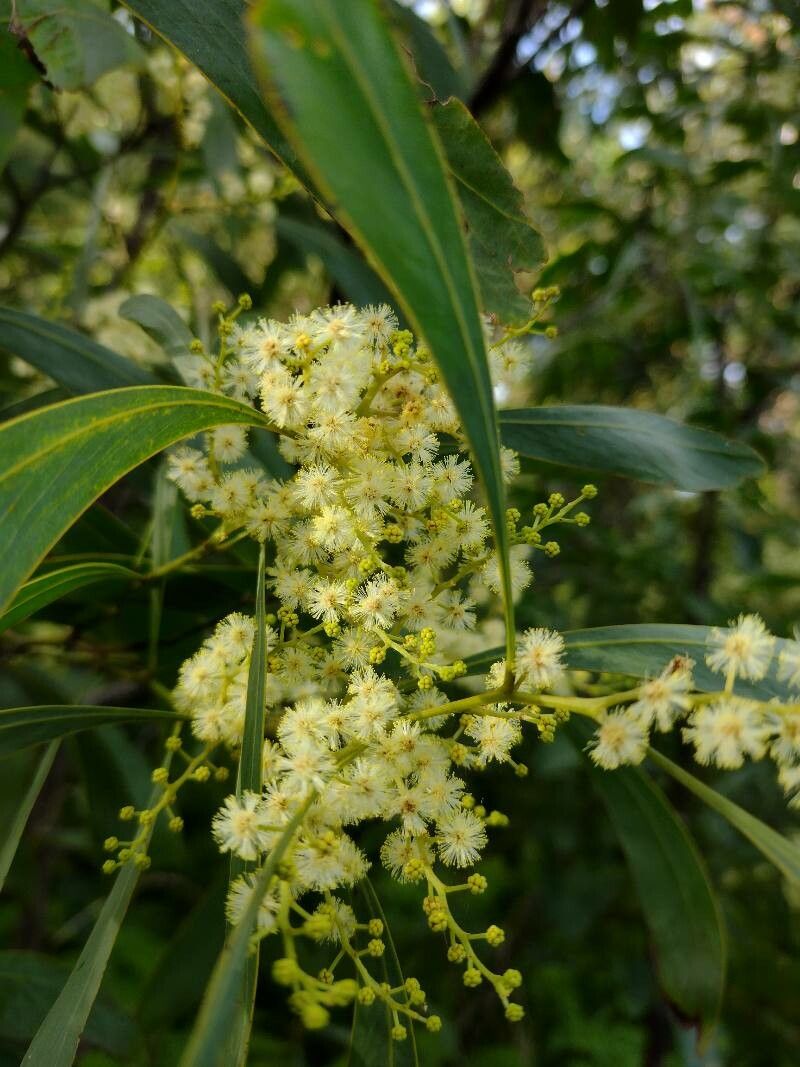
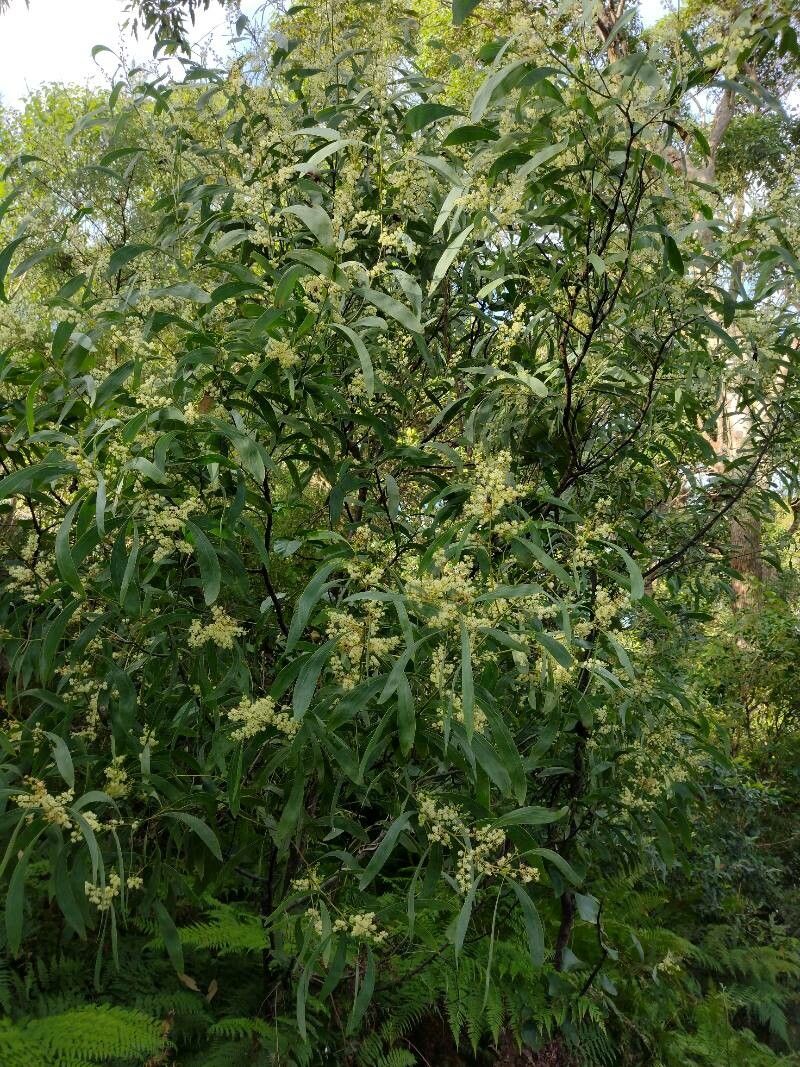
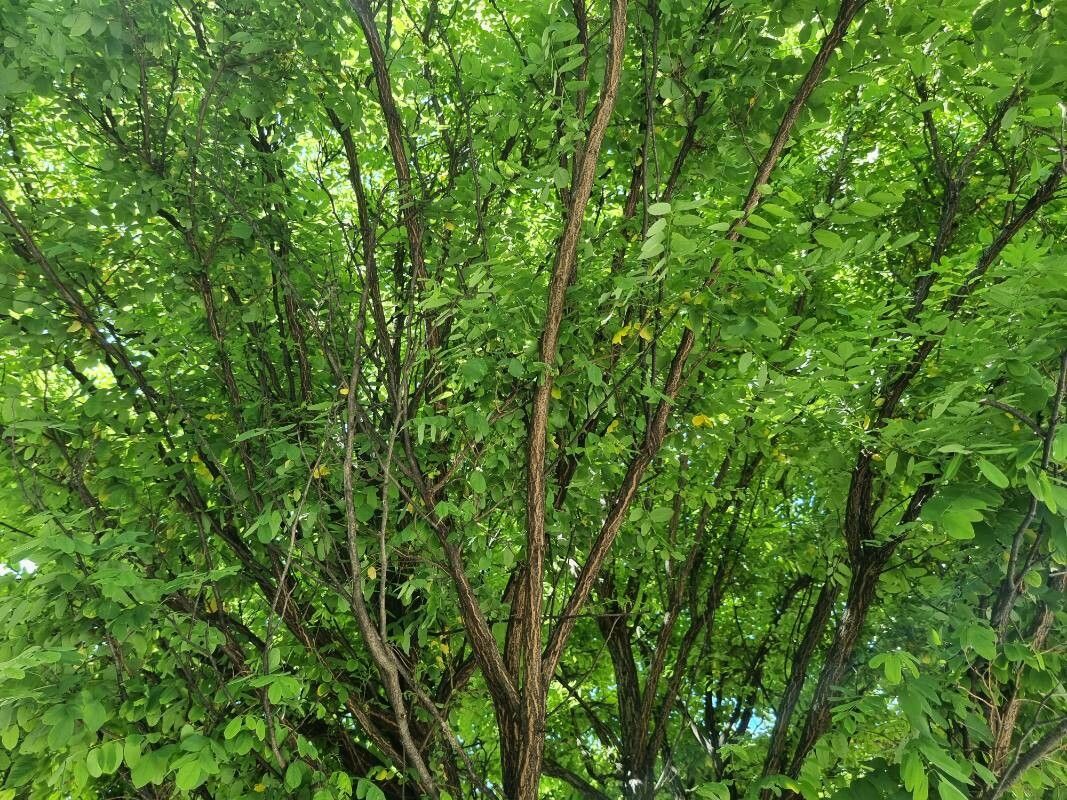
Acacia falcata, commonly known as sickle wattle and by other vernacular names including sally, is a perennial shrub or tree native to eastern Australia, which reaches five metres in height and has cream flowers in early winter. It gets its common and scientific name for its sickle-shaped leaves. Hardy and adaptable to cultivation, it is used in regeneration of bushland.
Sickle wattle shows strong resistance to disease and is typically not susceptible to illnesses. With regard to care, this plant is fairly low-maintenance. When grown outdoors it needs only light watering, and larger specimens usually do not require pruning. Smaller plants, however, should be trimmed after they have finished blooming. Sickle wattlet is appropriate for anyone with an outdoor area, like a garden or deck, and does not need extensive care experience.
How to keep Acacia Falcata.
Light
Sickle wattle comes from open habitats, such as sunny meadows and forest margins, which provide plenty of light. It does best in Full Sun but can also tolerate Partial Sun, adjusting well to a range of sunlight conditions.
Temperature
Sickle wattle is fairly adaptable to temperature, able to withstand higher heat and considerable temperature swings. In hot weather, attention should be paid to watering and providing suitable shade to avoid sunburn. Conversely, Sickle wattle tolerates low temperatures poorly. Although it can handle some cold, very low temperatures can cause frost damage.
Fertilizer
Proper timing is important for fertilizing Sickle wattle. Start fertilizing in early spring and continue monthly until early summer. Fertilizer promotes attractive blooms and supplies energy during both dormant and active growth phases.
Pruning
Prune sickle wattle in early spring to promote healthy growth. Remove any dead or damaged branches to help maintain its shape, improve air circulation, and control its size. Be sure to use clean, sharp tools for precise cuts, as this reduces stress on the plant and minimizes the risk of disease.
Botanical profile.
- Plant Type
- Tree, Shrub
- Life Cycle
- Perennial
- Genus
- Acacia
- Family
- Fabaceae
- Hardiness Zone
- 9-11
- Mature Height
- 4.88 m to 10.06 m
- Mature Spread
- 3.05 m to 6.1 m
- Leaf Color
- Dark Green, Olive Drab
- Leaf Type
- Evergreen
- Flower Color
- Gold, Yellow
- Flower Size
- 0.51 cm to 0.76 cm
- Bloom Time
- Late summer, Early fall, Mid fall
- Planting Time
- Spring, Summer, Autumn
- Harvest Time
- Late fall, Early winter, Mid winter
Other names.
Reader questions.
What are the sunlight requirements for a Sickle wattle?
Sickle wattle (Acacia falcata) requires specific conditions of sunlight to thrive. It needs full sun, which is above 6 hours of sunlight per day, for optimal growth. However, it can also tolerate partial sun, defined as about 3-6 hours of sunlight per day. It's important to observe the movement of sunlight through your garden to ensure you choose spots that provide the perfect balance of light and shade. This careful selection is crucial for the happiness and health of your Sickle wattle.