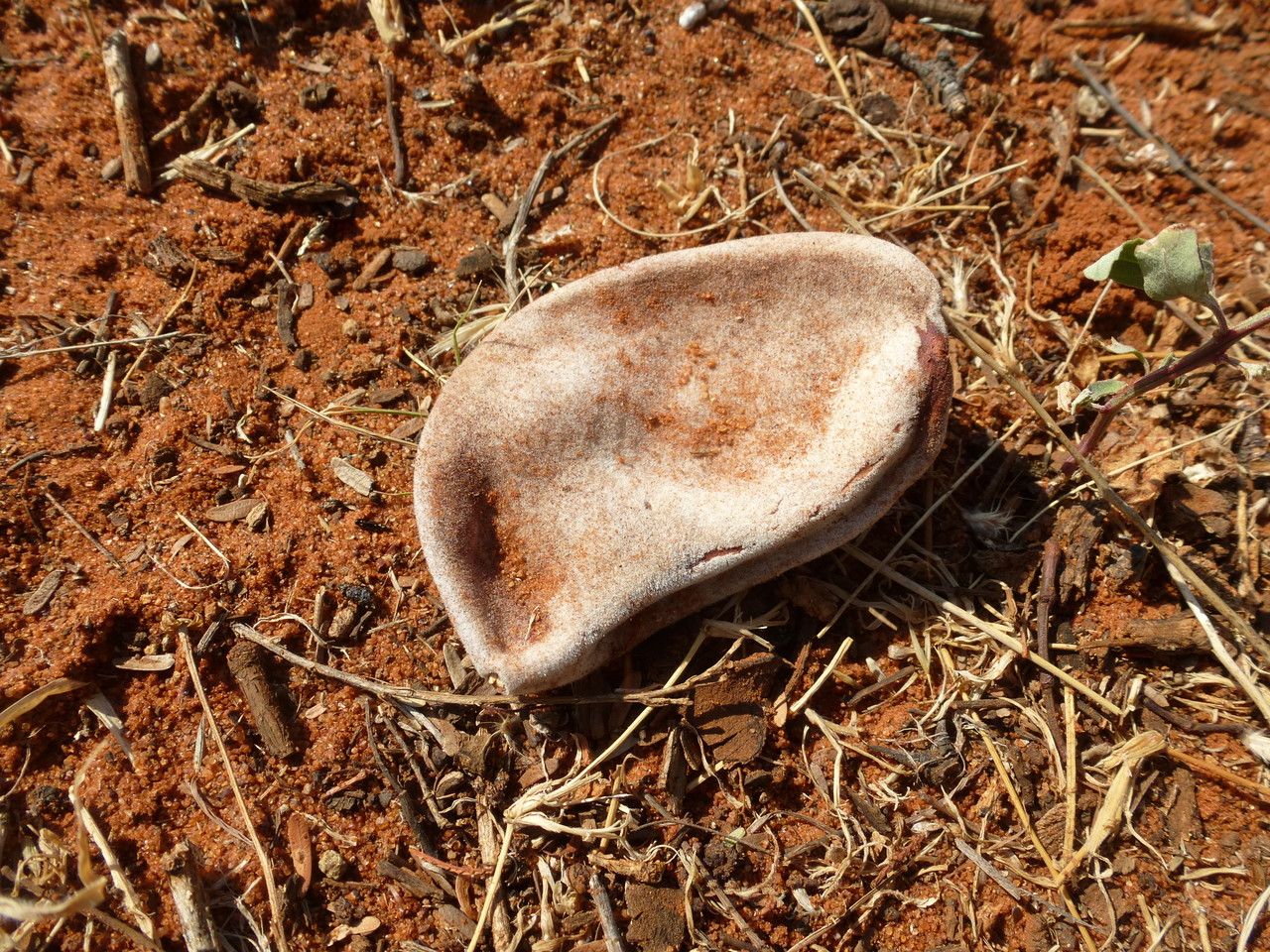
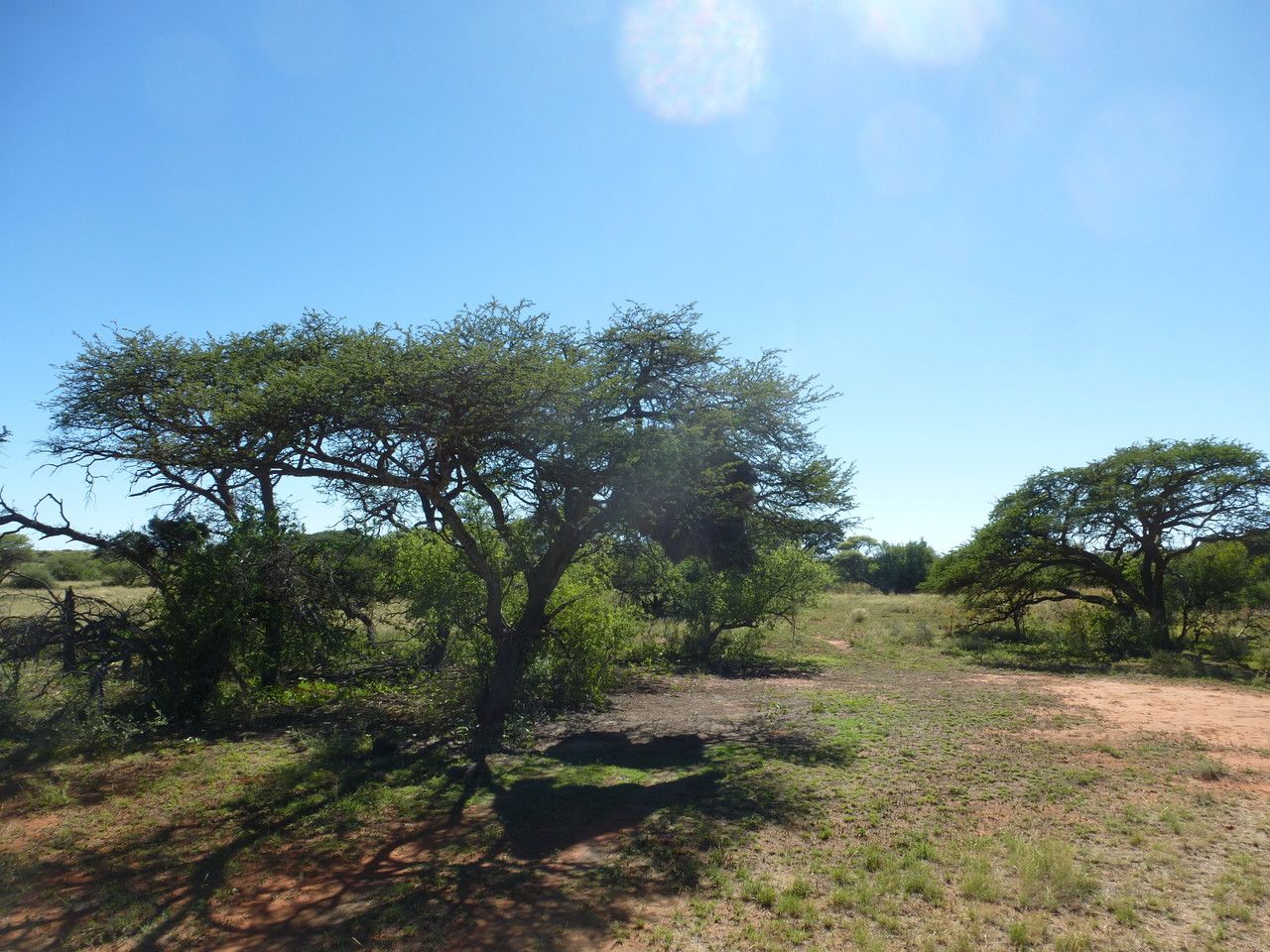
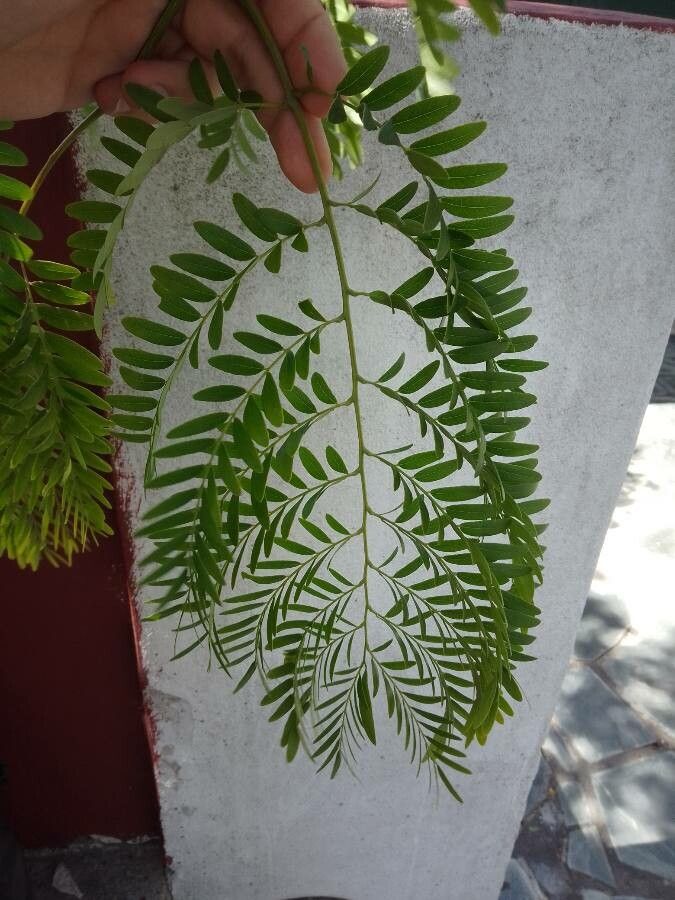
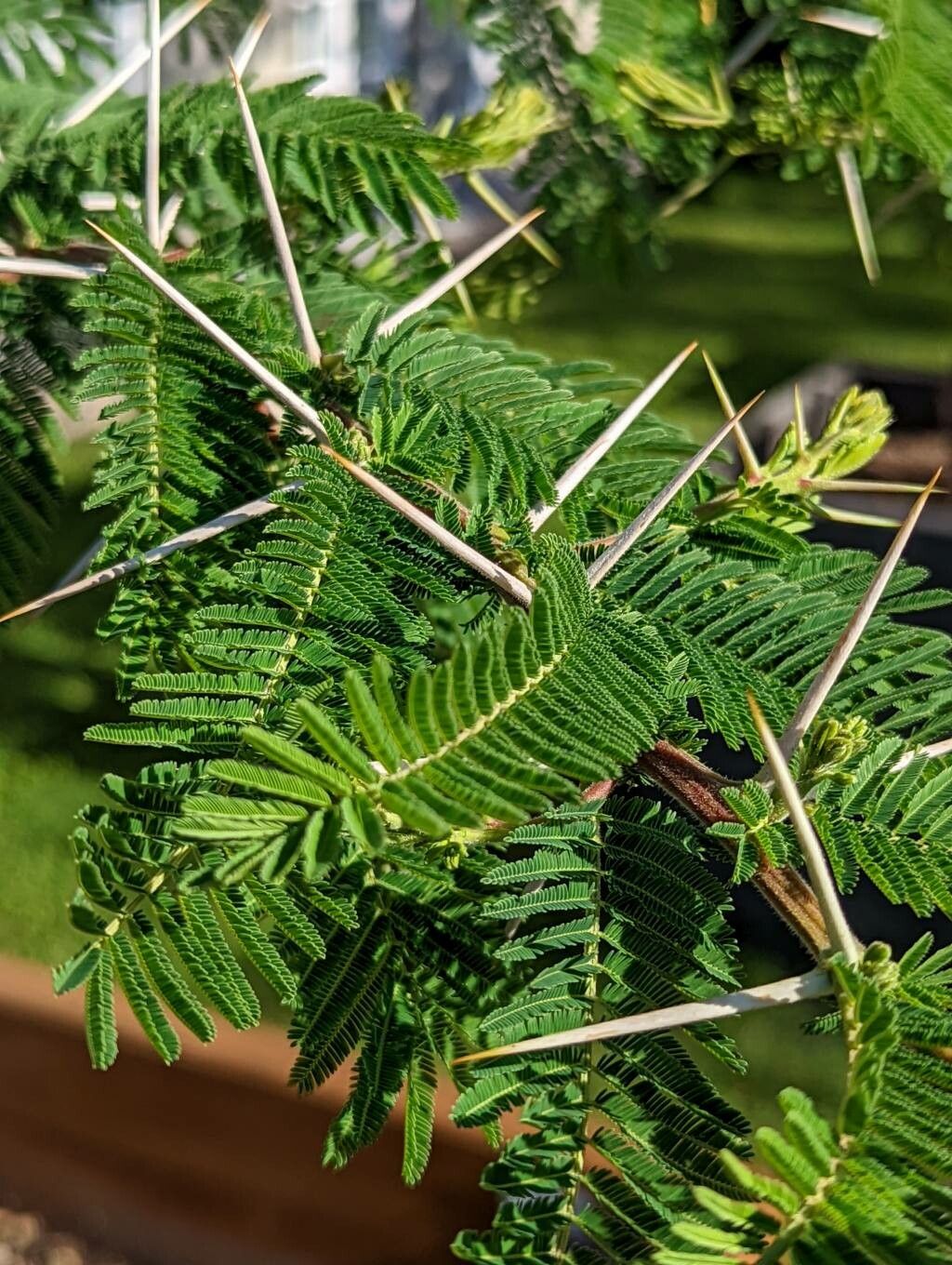
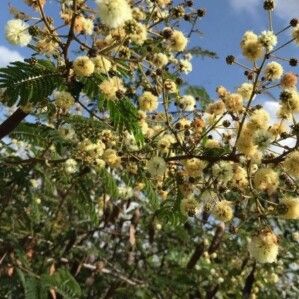
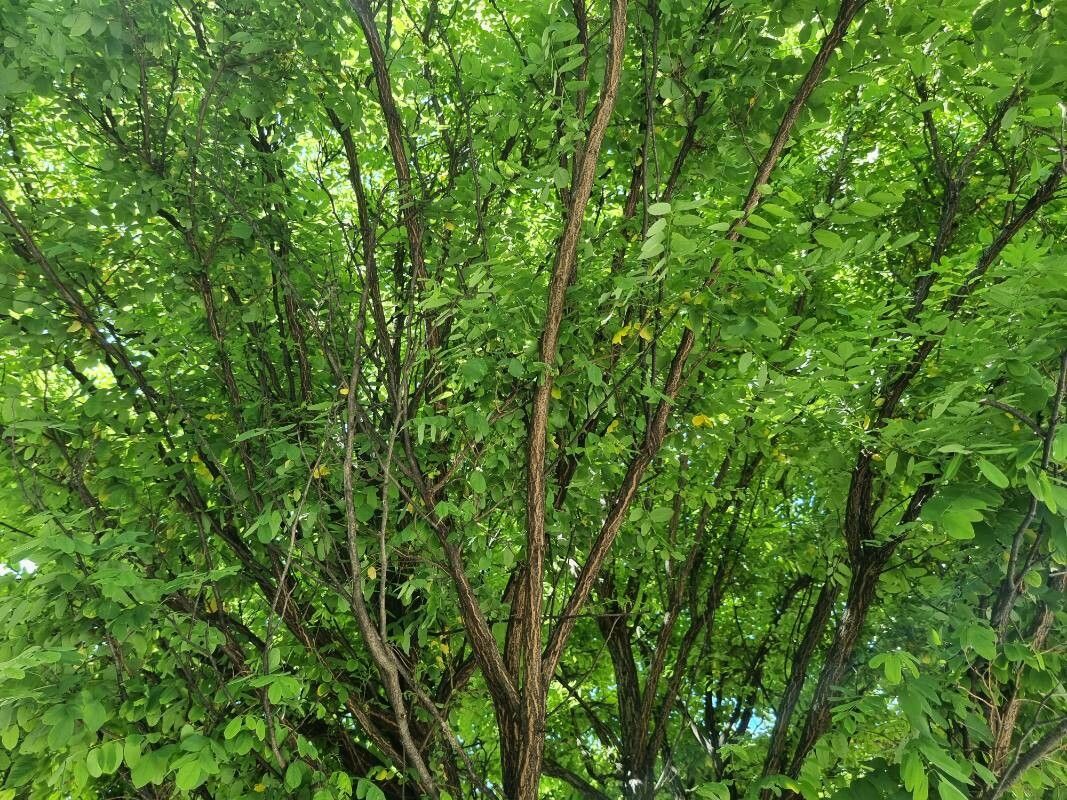
Vachellia erioloba, the camel thorn, giraffe thorn, or Kameeldoring in Afrikaans, still more commonly known as Acacia erioloba, is a tree of southern Africa in the family Fabaceae. Its preferred habitat is the deep dry sandy soils in parts of South Africa, Botswana, the western areas of Zimbabwe and Namibia. It is also native to Angola, south-west Mozambique, Zambia and Eswatini. The tree was first described by Ernst Heinrich Friedrich Meyer and Johann Franz Drège in 1836. The camel thorn is a protected tree in South Africa.The tree can grow up to 20 metres high. It is slow-growing, very hardy to drought and fairly frost-resistant. The light-grey colored thorns reflect sunlight, and the bipinnate leaves close when it is hot. The wood is dark reddish-brown in colour and extremely dense and strong. It is good for fires, which leads to widespread clearing of dead trees and the felling of healthy trees. It produces ear-shaped pods, favoured by many herbivores including cattle. The seeds can be roasted and used as a substitute for coffee beans.The name 'camel thorn' refers to the fact that giraffe (kameelperd in Afrikaans) commonly feed on the leaves with their specially-adapted tongue and lips that can avoid the thorns. The scientific name 'erioloba' means "wooly lobe", a reference to the ear-shaped pods.It is commonly associated with the long running PBS wildlife program Nature, as the tree is used in the title sequence and program logo.
Camel thorn has strong resistance to disease and is generally not susceptible to illnesses. In terms of care, this plant is fairly low-maintenance. When grown outdoors it needs only minimal watering, and larger specimens usually do not require pruning; however, smaller plants should be trimmed after they finish blooming. Camel thorn is suitable for anyone with an outdoor area, such as a garden or deck, and does not demand much gardening experience.
How to keep Acacia Erioloba.
Light
Camel thorn comes from open habitats like sunny meadows and forest margins, where light is plentiful. It thrives in Full Sun but can also tolerate Partial Sun, adapting well to a range of sunlight conditions.
Temperature
Camel thorn comes from tropical areas, where conditions are generally warm and humid. Because of this, it is adapted to high heat and moisture. It does not react well to abrupt temperature shifts and favors a consistent thermal environment, so preventing indoor temperature swings is important. It typically cannot withstand cold and needs warmer conditions to grow. If the surrounding temperature falls too far, the plant may stop growing or even die.
Fertilizer
Fertilization is essential for the care of Camel thorn. Regular feeding throughout the growing season preserves the energy needed for its showy leaves and supports overall growth. Skipping fertilization can lead to unhealthy leaves, reduced ornamental appeal, and stunted or weak growth that is prone to breaking.
Botanical profile.
- Plant Type
- Tree
- Life Cycle
- Perennial
- Genus
- Acacia
- Family
- Leguminosae
- Hardiness Zone
- 9-11
- Mature Height
- 7.01 m to 15.85 m
- Mature Spread
- 10.06 m to 14.94 m
- Leaf Color
- Dark Green, Olive Drab
- Leaf Type
- Deciduous
- Flower Color
- Yellow
- Flower Size
- 1.02 cm to 1.52 cm
- Bloom Time
- Early fall, Mid fall
- Planting Time
- Spring, Summer, Autumn
- Harvest Time
- Winter
- Native Area
- Angola, South Africa, Zambia, Namibia, Botswana, Zimbabwe
Other names.