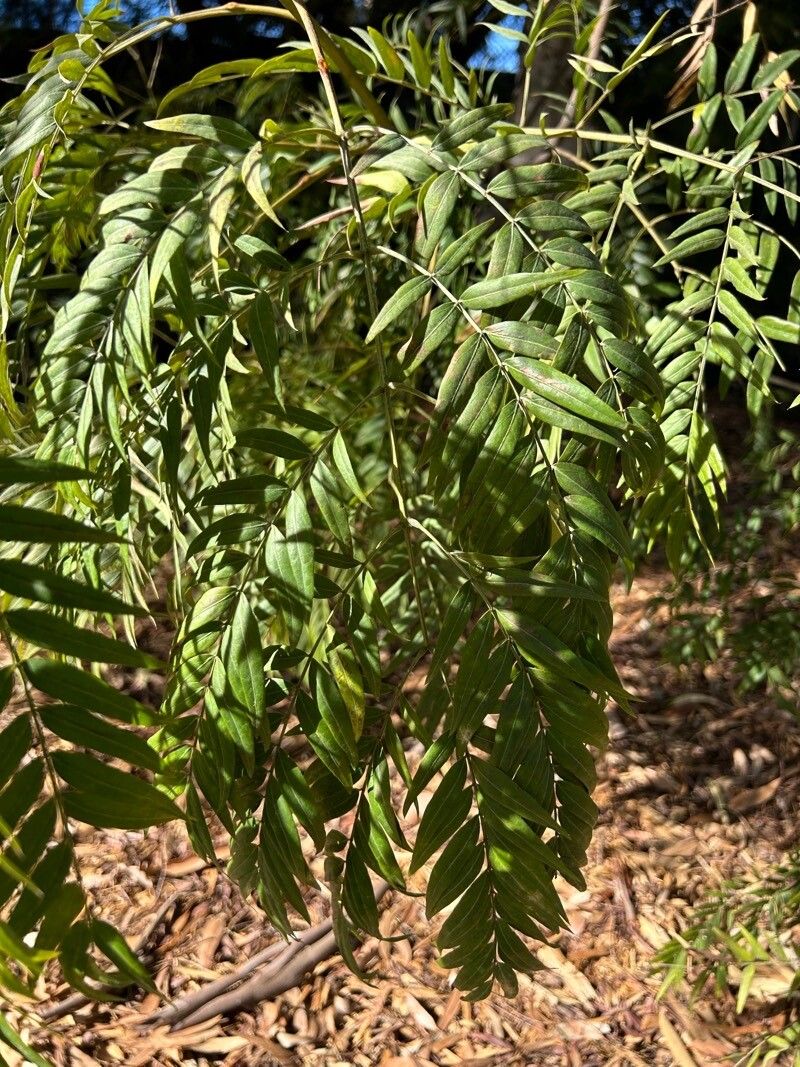
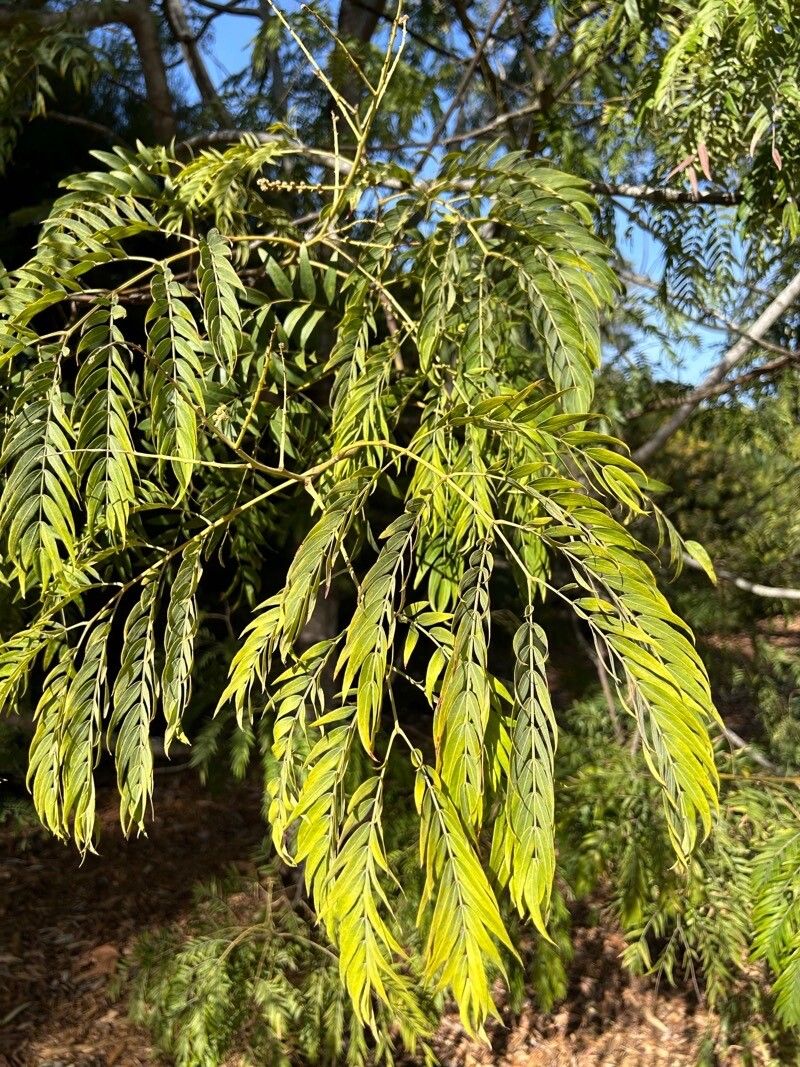
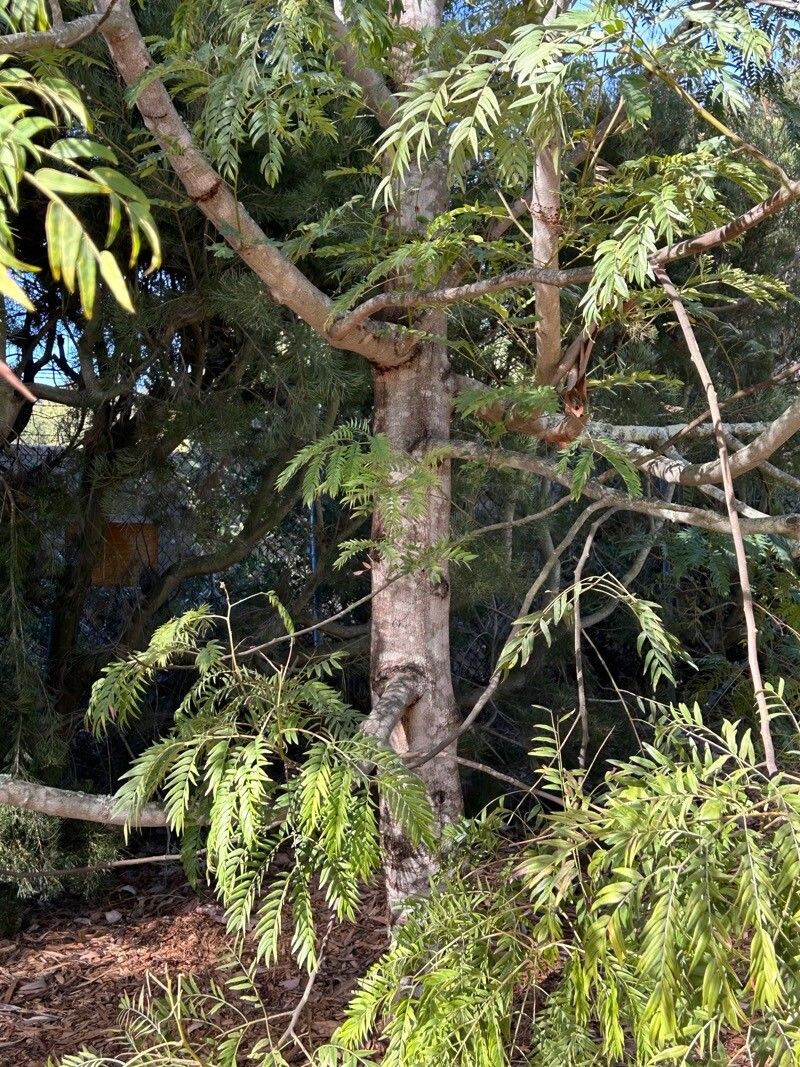
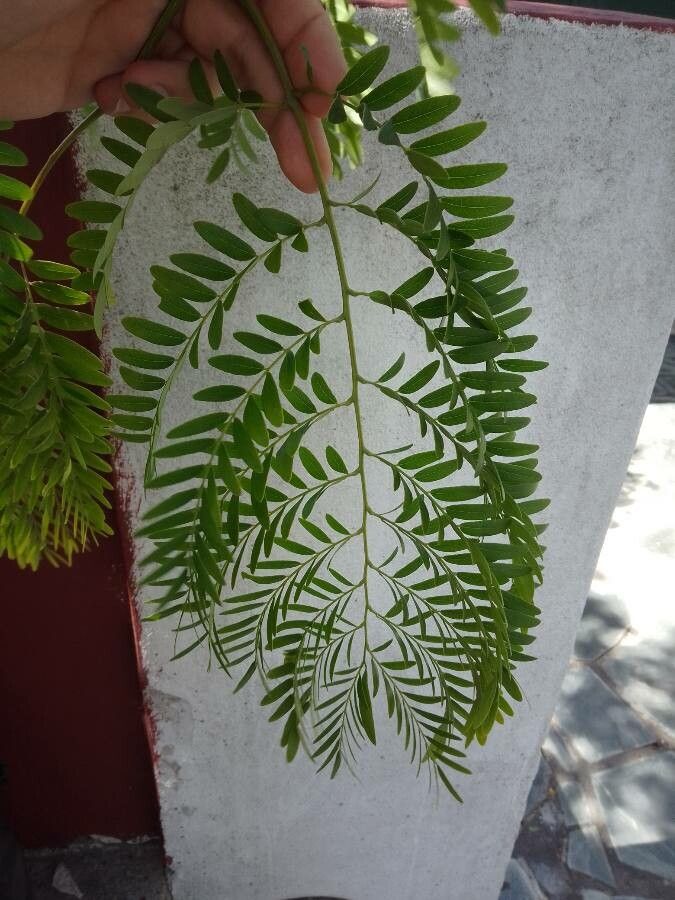
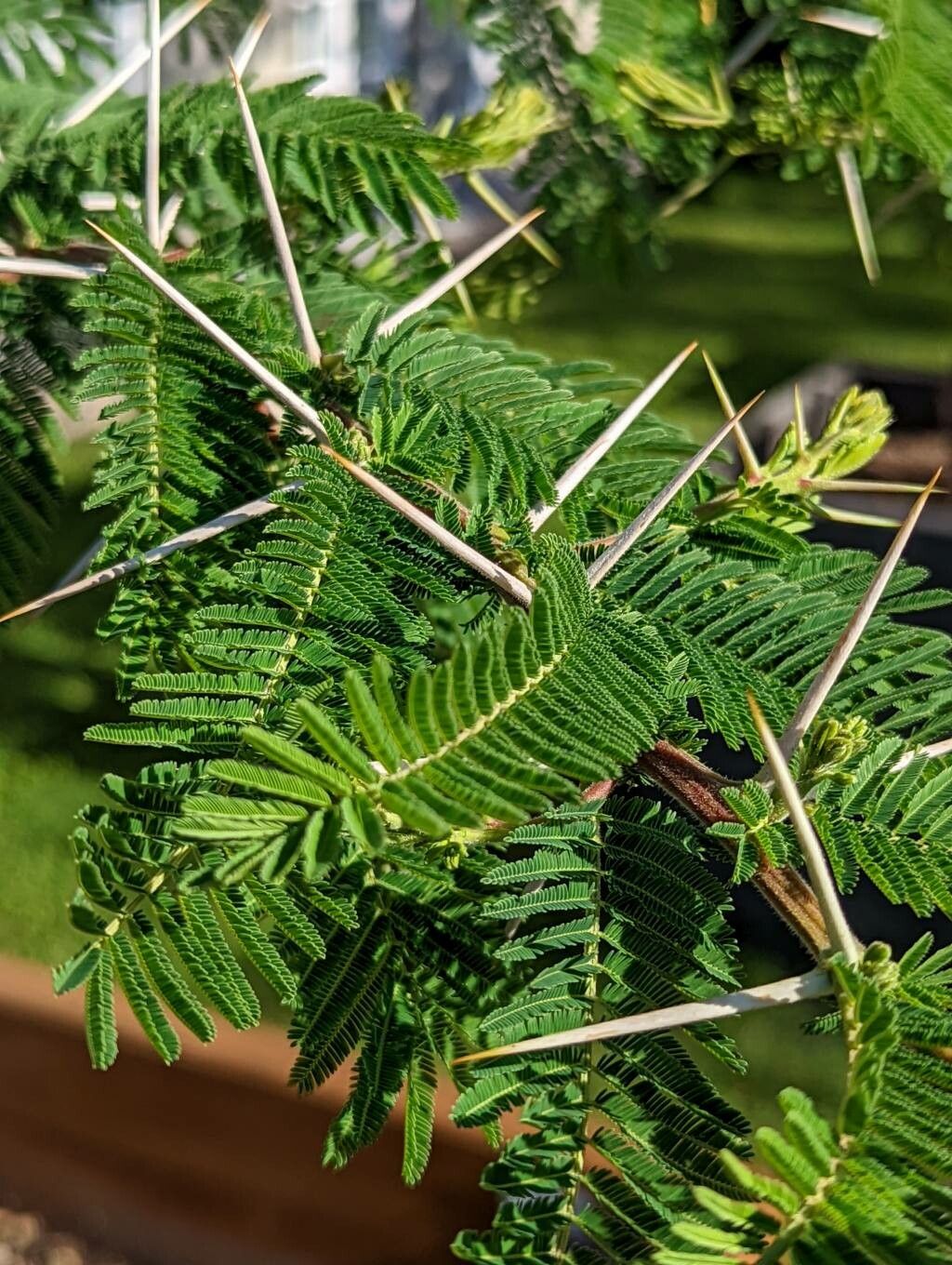
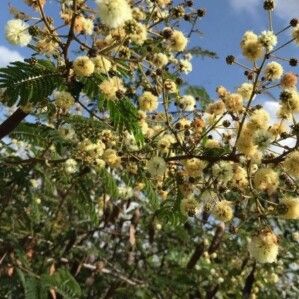
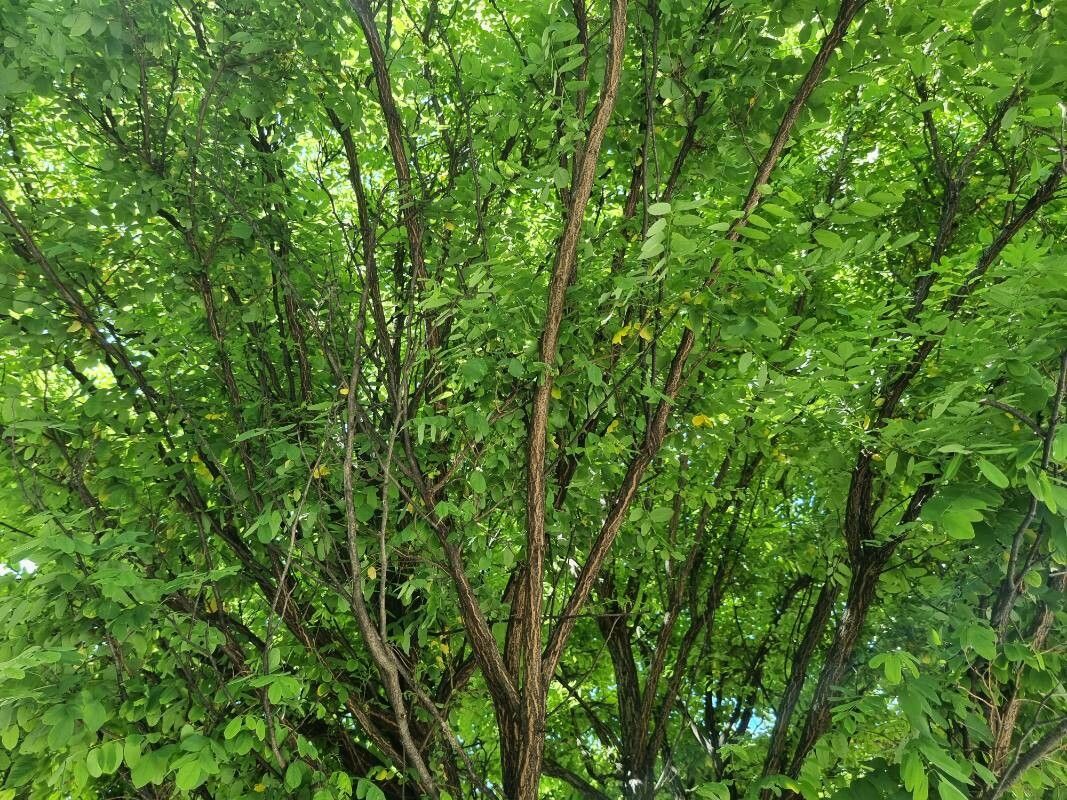
Acacia elata, commonly known as cedar wattle or mountain cedar wattle, is a species of flowering plant in the family Fabaceae and is endemic to New South Wales. It is an erect tree with dark brown to black bark, bipinnate leaves, oblong to spherical heads of pale yellow or cream-coloured flowers and firmly, more or less straight and flat, papery to leathery pods.
Cedar wattle displays strong resistance to disease and is typically not prone to illnesses. In terms of care, this plant is fairly low maintenance. When grown outdoors it needs only minimal watering, and larger specimens usually do not require pruning. However, smaller plants should be pruned after they have finished blooming. Cedar wattlet is suitable for anyone with an outdoor area, such as a garden or deck, and does not require a lot of care experience.
How to keep Acacia Elata.
Light
Cedar wattle flourishes when it gets full sun throughout the day. It can, however, tolerate sites that receive only partial sun. Not getting enough sunlight can restrict its growth and overall vigor. Its native habitat typically has abundant sun, which aligns with its preference for similar conditions. Exposure to too much sun is less harmful than being in shade.
Water
The cedar wattle is a drought-tolerant evergreen native to semi-arid regions. It requires minimal watering, only every 2-3 weeks. This plant thrives outdoors, efficiently conserving water through its foliage, which makes it ideal for environments that mimic its natural habitat.
Temperature
Cedar wattle is highly adaptable to a range of climatic conditions, from scorching summers to cold winters. Nevertheless, it has an optimal temperature range for growth. If temperatures get too high, the plant can experience heat and humidity stress, which may kill it. In areas where temperatures near the lower limit of its cold tolerance, it's important to use insulation measures to protect the plant.
Fertilizer
Timing is important for fertilizing Cedar wattle. Apply fertilizer in early spring and continue monthly through to early summer. Fertilizer promotes attractive blooms and supplies energy during both dormant periods and active growth.
Pruning
Cedar wattle should be pruned every year during its dormant period, which occurs from early to late winter. Key techniques include removing dead branches, thinning crowded areas to improve airflow, and shaping the plant for better form. These practices enhance air circulation, reduce the risk of disease, and promote vigorous growth, ensuring the cedar wattle remains a healthy addition to the landscape.
Botanical profile.
- Plant Type
- Tree
- Life Cycle
- Perennial
- Genus
- Acacia
- Family
- Fabaceae
- Hardiness Zone
- 7-10
- Mature Height
- 20.12 m to 29.87 m
- Mature Spread
- 10.06 m
- Leaf Color
- Dark Green
- Leaf Type
- Evergreen
- Flower Color
- Yellow
- Flower Size
- 0.76 cm to 1.02 cm
- Bloom Time
- Summer
- Planting Time
- Spring, Summer, Autumn, Winter
- Harvest Time
- Late summer, Early fall, Mid fall
Other names.