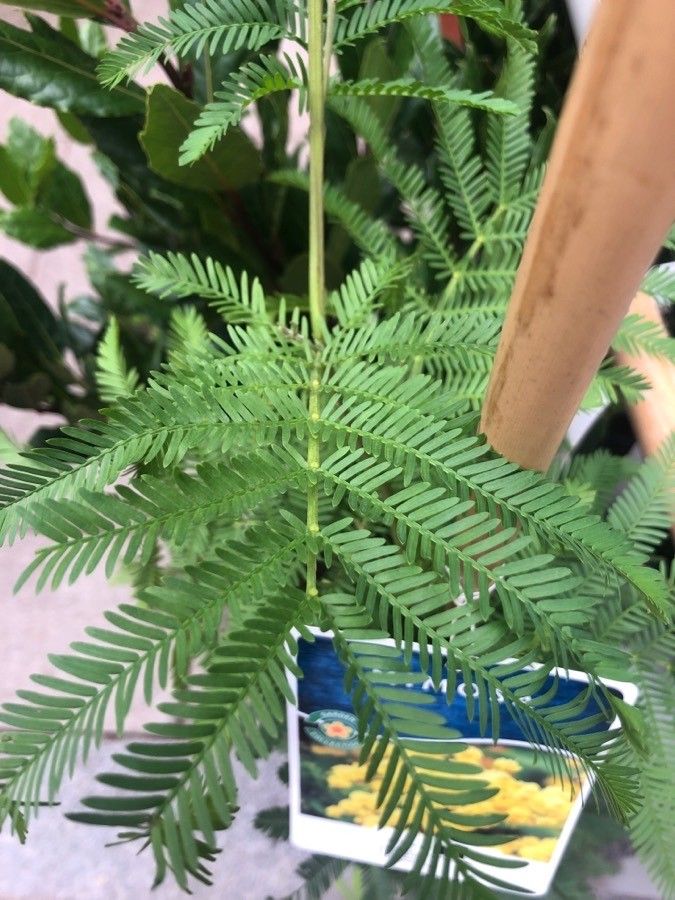
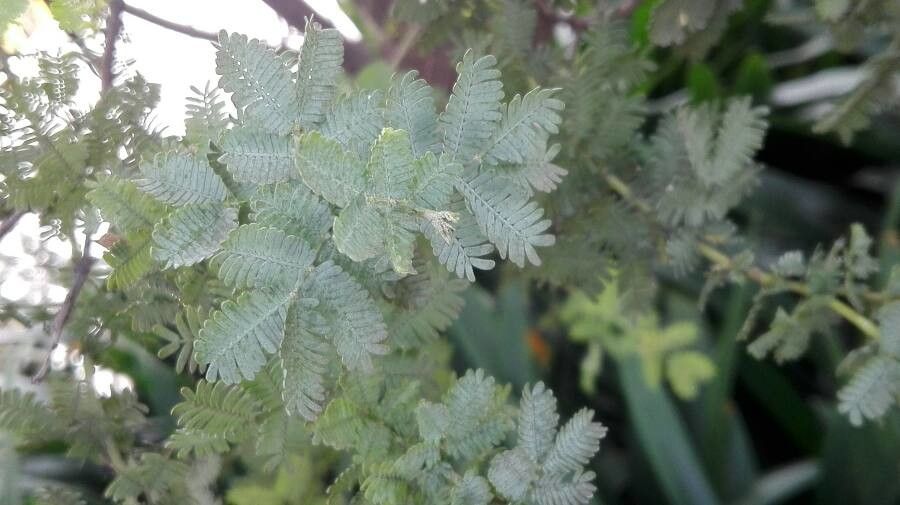
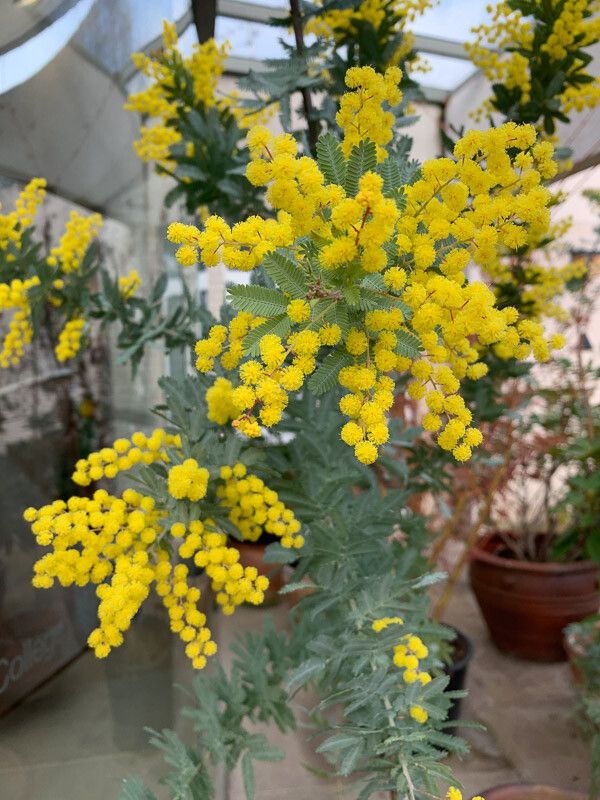
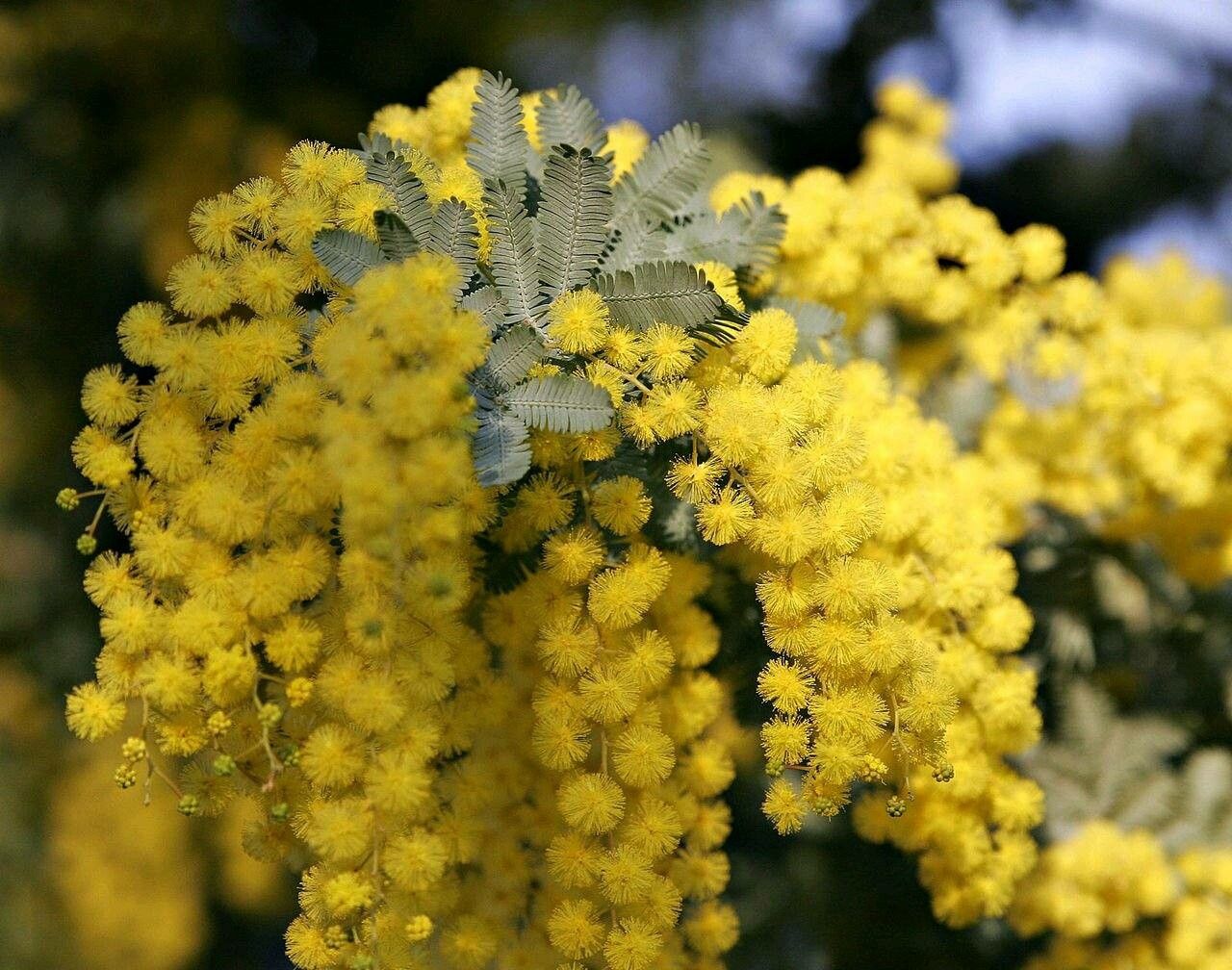
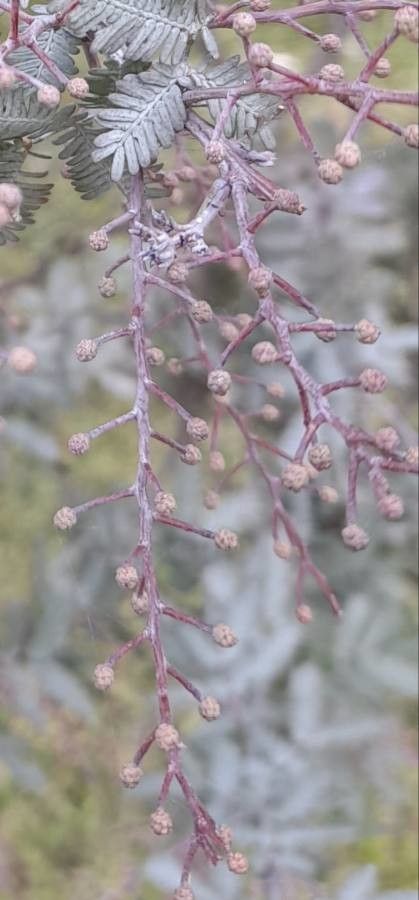
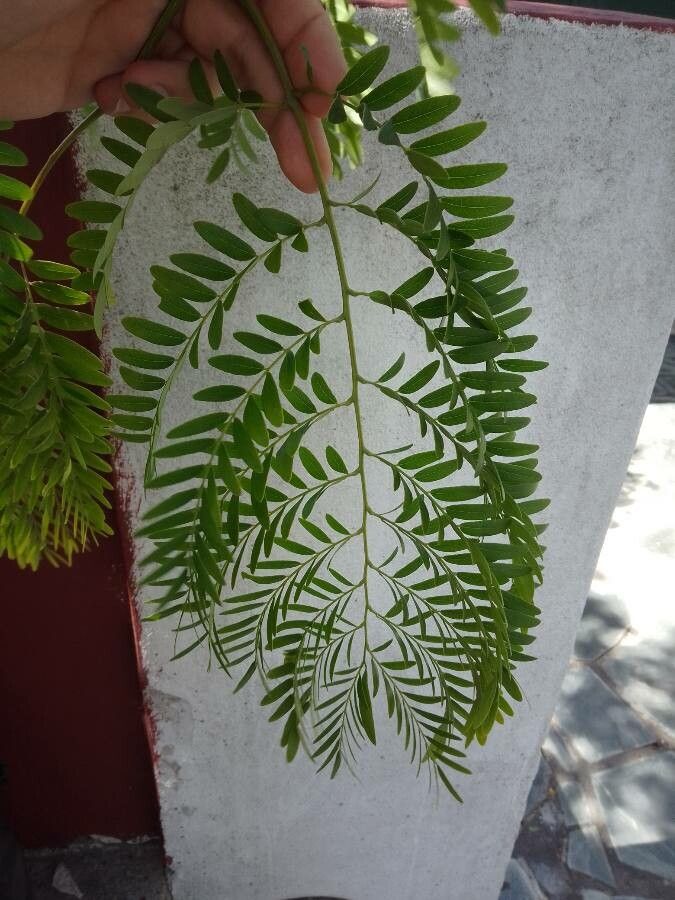
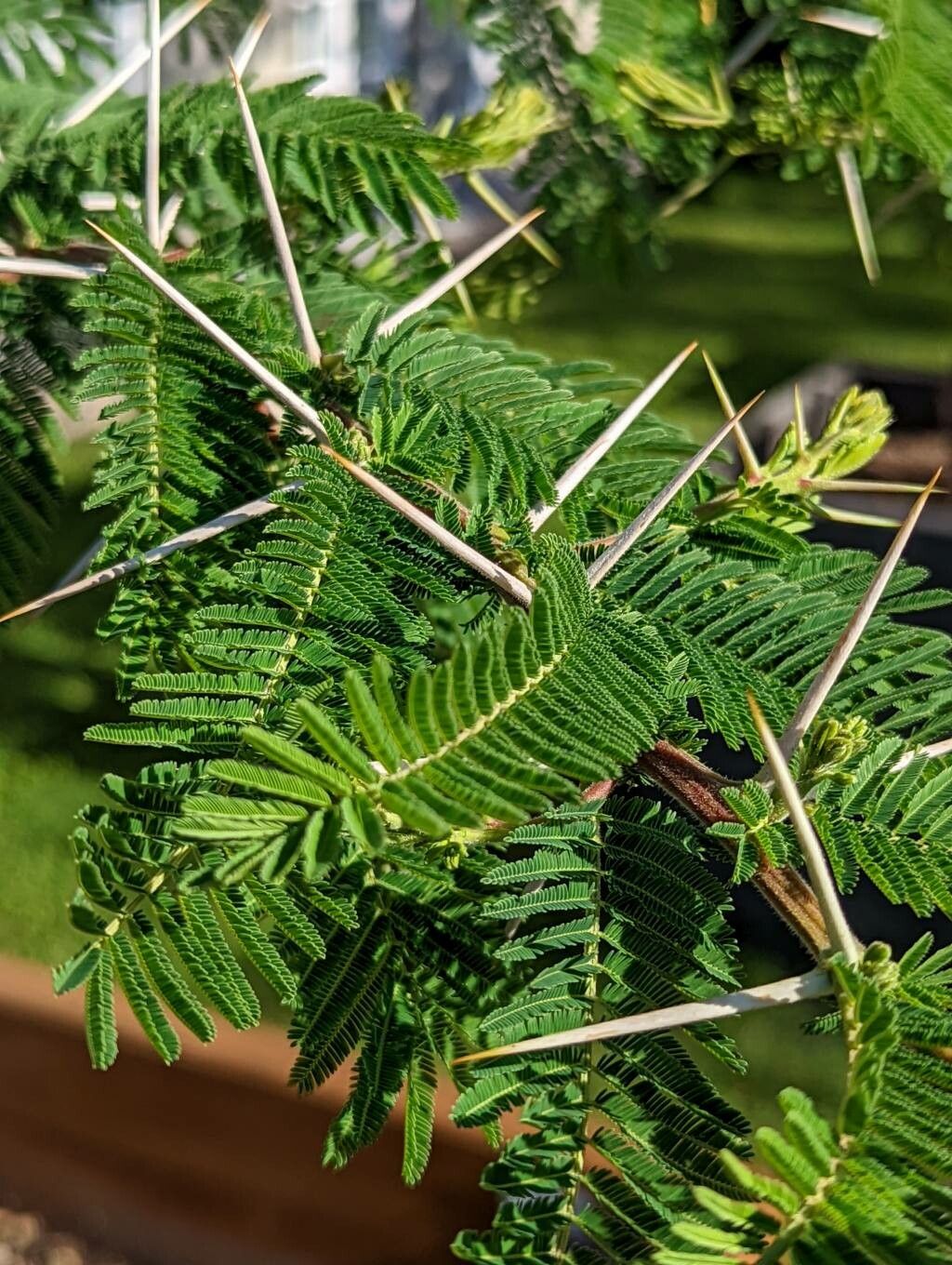
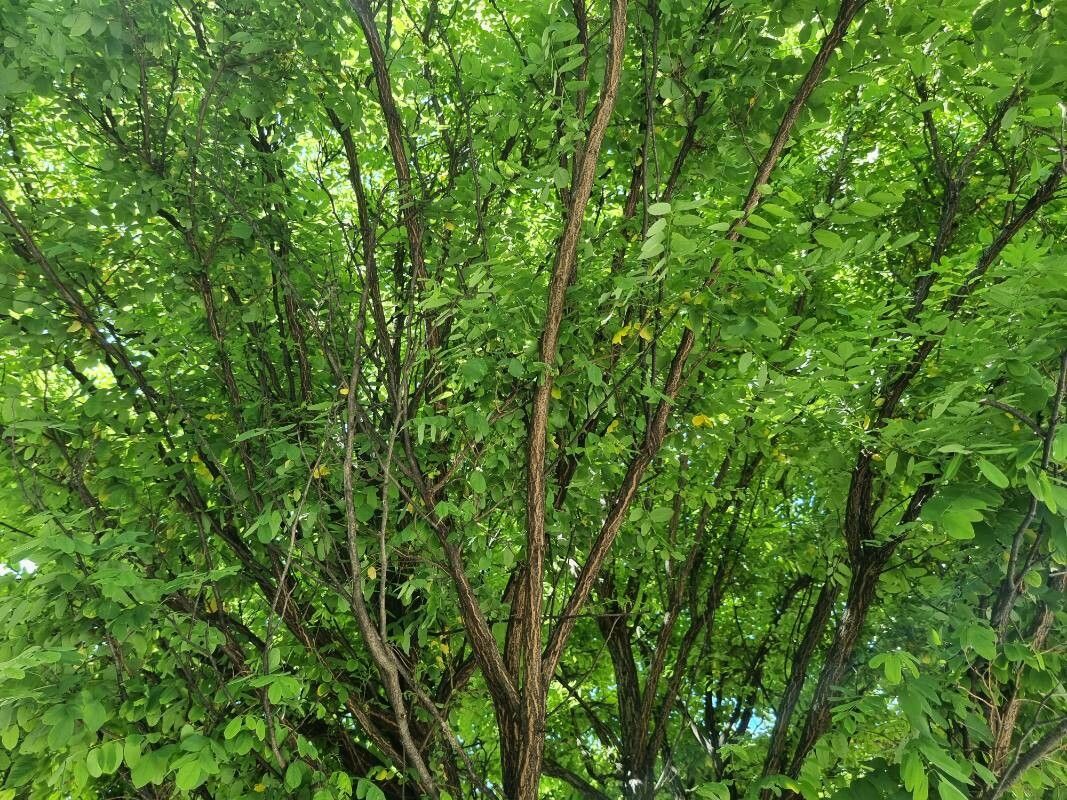
Acacia baileyana, commonly known as Cootamundra wattle or golden mimosa, is a fast-growing evergreen tree that belongs to the Fabaceae family. Native to southeastern Australia, this tree has become a beloved ornamental plant in various parts of the world due to its attractive foliage and bright yellow flowers.
The tree can reach heights of 10-15 meters with a spread of 5-10 meters. Its feathery, blue-green leaves lend it an elegant appearance. From late winter through early spring, it produces clusters of bright yellow flowers that add vibrant color to the landscape.
Acacia baileyana thrives in well-drained soil with full sun exposure, although it can also tolerate partial shade. Once established, it is drought-tolerant but requires regular watering during its initial growth period.
Acacia baileyana, commonly known as Cootamundra wattle, is easy to cultivate and has become naturalized in areas beyond its native range. In some of these places, it competes with local flora. This plant is used in commercial honey production and has been honored with the Royal Horticultural Society's Award of Garden Merit. FUN FACT · FROM THE LIBRARY
This versatile plant serves multiple purposes, including erosion control, windbreaks, and providing shade. It is also a popular choice as an ornamental plant for gardens and parks. Additionally, its durable wood is used in furniture making.
Overall, Acacia baileyana is an attractive tree that enhances the beauty and value of any area where it grows. Its benefits, such as erosion control and wood production, make it a popular choice among gardeners worldwide.
Cootamundra Wattle: The Cootamundra wattle is native to a small region in Northwest Australia, specifically around the Cootamundra district. Its scientific species name pays tribute to Frederick Manson Bailey (1827-1915), an Australian botanist who made significant contributions to the classification of plant species in Queensland.
Cootamundra wattle shows good resistance to disease and is generally not prone to illnesses. Regarding care, this plant is relatively low-maintenance. Planted outdoors it requires little watering, and larger specimens usually do not need pruning. However, smaller plants should be pruned after they have bloomed. Cootamundra wattlet is suitable for anyone with an outdoor area, such as a garden or deck, and does not require a great deal of care experience.
How to keep Acacia Baileyana.
Light
Cootamundra wattle grows best when it gets full sun all day. It can also tolerate reduced sunlight, reflecting the light conditions of its native habitat. Both too little and too much sun can hinder its growth and negatively affect its overall health.
Water
Cootamundra wattle, which hails from arid regions, is highly drought-tolerant and requires infrequent watering, approximately once every 2-3 weeks. This plant thrives in well-draining soil, making it an excellent choice for landscaping and xeriscaping. It flourishes with minimal rainfall, making it ideal for areas that do not receive much water.
Temperature
Cootamundra wattle is native to regions with temperatures between 68 and 100°F (20 and 38 ℃). This plant prefers a warm climate and may require extra care during cooler seasons.
Fertilizer
The best time to fertilize a Cootamundra wattle is in early spring, when it comes out of dormancy. This encourages general growth and the development of flowers. Fertilizing improves the foliage, stems, and branches, and encourages flowers that are larger, more vibrant, and longer-lasting. It also helps move nutrients from the roots to the flowers and enhances the plant’s overall health and resistance to disease.
Pruning
The Cootamundra wattle is known for its lush foliage and vibrant yellow blooms. To maintain its health and appearance, it requires annual pruning from early to late winter, once it has finished blooming. During pruning, you should remove dead branches and thin out dense areas to improve airflow, which also enhances flowering. Regular pruning promotes vigorous growth and helps reduce the risk of pests and diseases.
Botanical profile.
- Plant Type
- Tree, Shrub
- Life Cycle
- Perennial
- Genus
- Acacia
- Family
- Fabaceae
- Hardiness Zone
- 9-11
- Mature Height
- 3.05 m to 10.06 m
- Mature Spread
- 6.1 m to 11.89 m
- Leaf Color
- Green, Gray, Silver
- Leaf Type
- Evergreen
- Flower Color
- Yellow, Gold
- Flower Size
- 0.25 cm to 0.76 cm
- Bloom Time
- Early spring, Winter
- Planting Time
- Spring, Autumn
- Harvest Time
- Mid spring, Late spring, Early summer
Other names.
Reader questions.
How should I water my Cootamundra wattle tree?
Watering your Cootamundra wattle is a simple task as it is not very choosy. You can use any common watering tool like cans, hoses, or cups. When watering, it is important to apply the water directly to the soil, making sure all areas are equally moistened to nourish the root system. Using filtered water can be helpful, as tap water may contain harmful particles. Additionally, it is best to use water that is at or slightly above room temperature to avoid shocking the plant. However, the Cootamundra wattle generally responds well to any type of water you provide.
Why should I put fertilizer on my Cootamundra wattle plant?
Fertilizing your Cootamundra wattle is crucial for its overall health and well-being. It promotes the growth of healthy foliage, sturdy stems, and branches. Additionally, fertilization plays a significant role in the development of large, vibrant, and long-lasting flowers, which are highly valued by gardeners. The right fertilizer facilitates the transfer of fuel from the roots to the flowers, resulting in improved flower production. Moreover, proper fertilization maintains the plant's overall health, making it more resistant to diseases.
What are the sunlight requirements for Cootamundra wattle?
Cootamundra wattle (Acacia baileyana) thrives best with unrestricted exposure to sunlight throughout the day, benefiting from full sun conditions of over 6 hours of sunlight. It can also tolerate partial sun, approximately 3-6 hours of sunlight, mimicking its original environment's solar conditions. However, both a scarcity and an abundance of sunlight can affect its growth and overall health. It's essential to observe the sunlight's movement through your garden to ensure your plants receive the ideal balance of light and shade.
What is the native climate for Cootamundra wattle?
Cootamundra wattle, or Acacia baileyana, thrives in temperatures ranging from 68 to 100°F (20 to 38°C), indicating its preference for a warm climate. This plant is extremely heat-loving, and exposure to cold can be detrimental. During the cooler seasons, special care might be required to maintain the appropriate temperature for its growth, including keeping it indoors in well-lit areas but away from direct heat sources to ensure temperatures remain above 20°C during winter. It's important to avoid temperatures approaching 0°C to prevent harm to the plant.
What should I do if I give too much or too little water to my Cootamundra wattle plant?
When caring for outdoor plants, especially newly planted ones or seedlings, it is important to ensure they are adequately watered. For smaller or recently planted trees, consistent watering should be maintained for a few months until the roots are established. Once established, Cootamundra wattle trees can rely on rain for moisture. When Cootamundra wattle is planted in pots, overwatering is more likely to occur. If you accidentally overwater your plant, it is important to take immediate action to address the situation. First, stop watering the plant to minimize the impact of overwatering. Then, remove the Cootamundra wattle from its pot and inspect its roots. If there are no signs of root rot, you can return the plant to its container. However, if root rot is present, trim away the affected roots and consider applying a fungicide to prevent further damage. Lastly, repot the Cootamundra wattle in well-draining soil. In the case of underwatering, the solution is simpler. If you notice the plant's leaves drooping, drying out, or falling off, it likely requires more frequent watering. Adjust your watering frequency accordingly as soon as underwatering is observed.
When should I fertilize my Cootamundra wattle?
To properly fertilize a Cootamundra wattle, the best time of year is early spring when it is coming out of its dormant phase and preparing to bloom. Fertilizing at this time provides the plant with the necessary energy for growth and flowering. However, it is beneficial to also provide an additional feeding in the fall, although it doesn't have to be as large as the spring feeding. Some gardeners opt to fertilize the Cootamundra wattle during planting, but this step is not always necessary.
How can artificial lighting support indoor Cootamundra wattle growth?
For indoor Cootamundra wattle plants, especially in less sunny spaces or during winter when natural sunlight is insufficient, artificial lighting can be crucial for optimal growth. Using the right type of artificial light, such as LED lights, can provide specific wavelengths needed for your plants. Full sun plants require 30-50W/sq ft of artificial light, while partial sun plants need 20-30W/sq ft. It’s also important to position the light source 12-36 inches above the plant and ensure it receives 8-12 hours of light per day to mimic natural daylight hours effectively.
How should you care for Cootamundra wattle in low temperatures?
Cootamundra wattle prefers warmer temperatures and struggles with cold. For optimal health, it's important to keep it above 20°C, especially during winter, ensuring temperatures don't fall below 0°C. Exposure to temperatures lower than -5°C can lead to discoloration of leaves, turning them from a lighter shade to eventually brown or black as frost damage sets in, accompanied by wilting and drooping. The remedy involves trimming the frost-damaged parts and then moving the plant to a warmer, indoor environment. A south-facing window offers ample sunlight but ensure the plant isn't placed near heaters or air conditioning vents to avoid air dryness.
How frequently should I water my Cootamundra wattle?
Most outdoor plants can rely on rainfall, but if you don't have enough rain, water them every 2 weeks in spring and fall, and more often in summer. During winter, water less frequently because plants need less water. Young or newly planted Cootamundra wattle should be watered more often to help them establish and become more drought-tolerant. For potted plants, there are two ways to determine watering frequency. The first way is to have a set schedule, like once a week or every other week, but this may not consider specific growing conditions. The other way is to check the soil moisture and wait for the top few inches to dry before watering again. This is especially important during summer when the plant needs more water.
When is the best time to not use fertilizer on my Cootamundra wattle plant?
During the winter, Cootamundra wattles do not need to be fertilized. This is because they are in a dormant phase and do not require much energy from the soil to grow. Fertilizing them during this time increases the risk of overfertilization. The best times to feed a Cootamundra wattle are in early spring and fall. This means that during most of the spring and summer, fertilizer is not necessary. It is also wise to avoid feeding the plant during excessively hot or dry conditions.
What are common symptoms of light deficiency in Cootamundra wattle?
When Cootamundra wattle receives insufficient lighting, especially indoors during winter, several symptoms can emerge, such as smaller new leaves, leggy or sparse growth, faster leaf drop, slower or no new growth, lighter-colored new leaves, chlorosis, sunscald, leaf curling, wilting, and leaf scorching. These signs indicate the plant's struggle with inadequate light conditions, affecting its ability to photosynthesize and maintain health.
How does high temperature affect Cootamundra wattle and what are the solutions?
Cootamundra wattle is accustomed to warmth but should be kept below 38°C during the hotter months. Temperatures exceeding 43°C can lighten the leaves' color and increase susceptibility to sunburn. To address this, remove the sunburned and dried parts of the plant. Relocate it to a spot with shade, particularly from the harsh midday and afternoon sun. It's also beneficial to water the plant during cooler morning and evening times to maintain soil moisture and mitigate the effects of extreme heat.