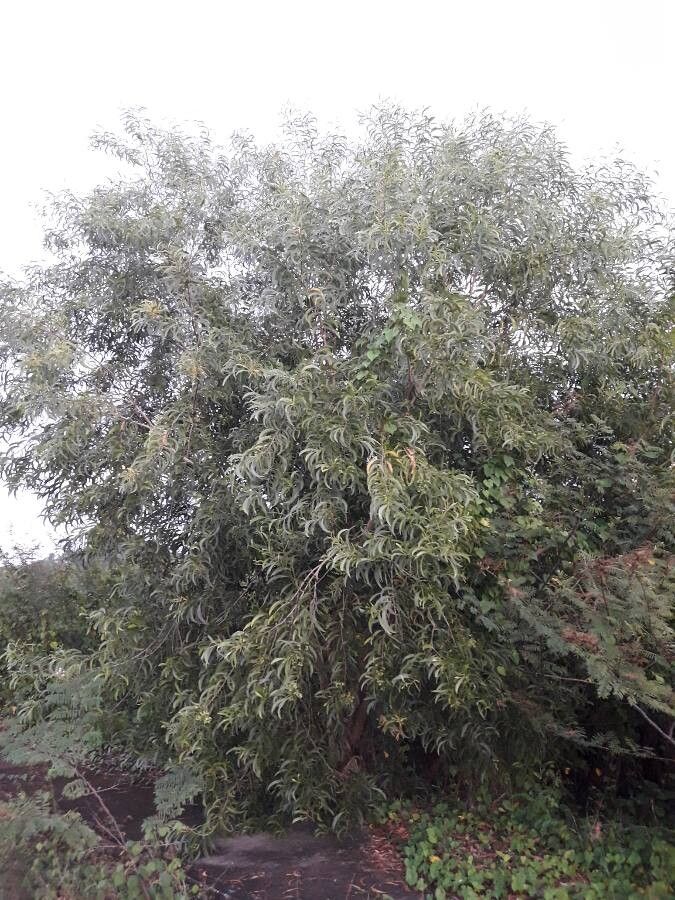
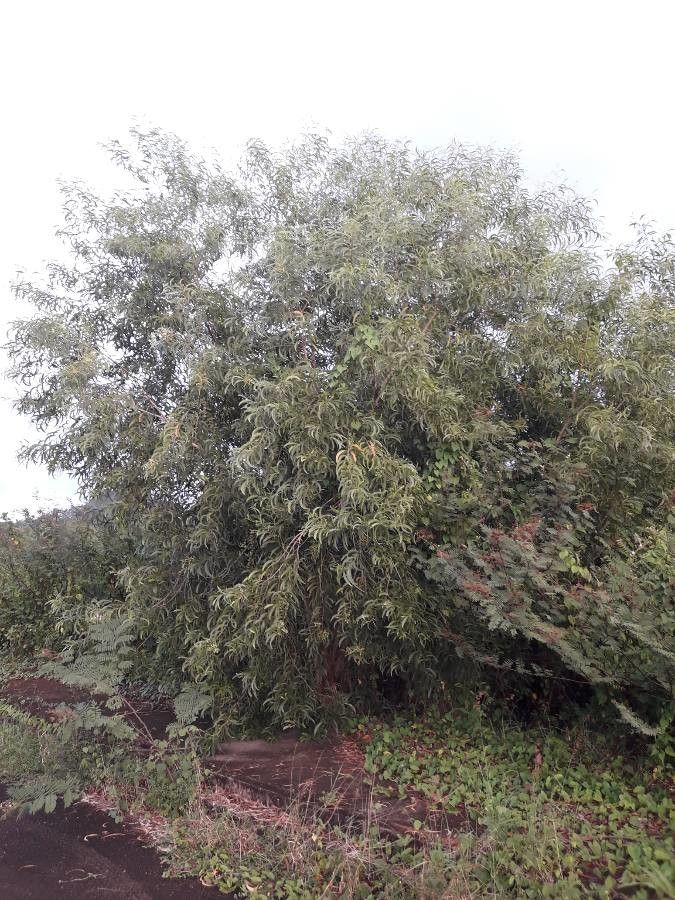
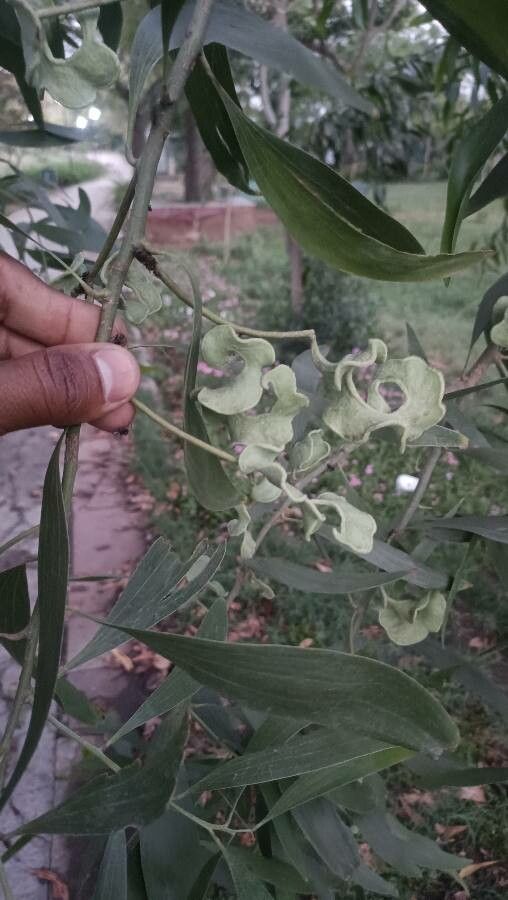
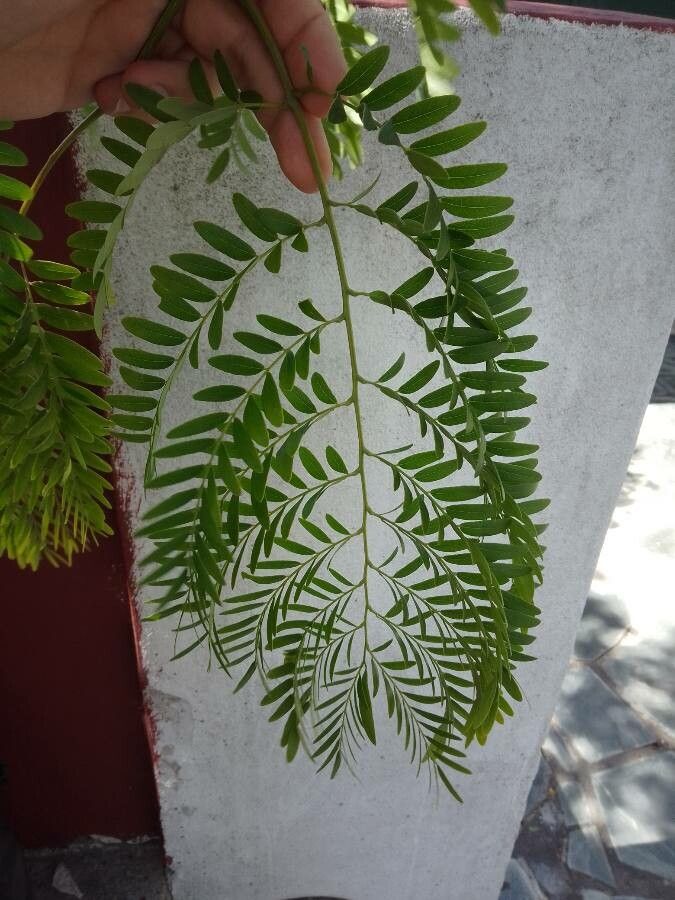
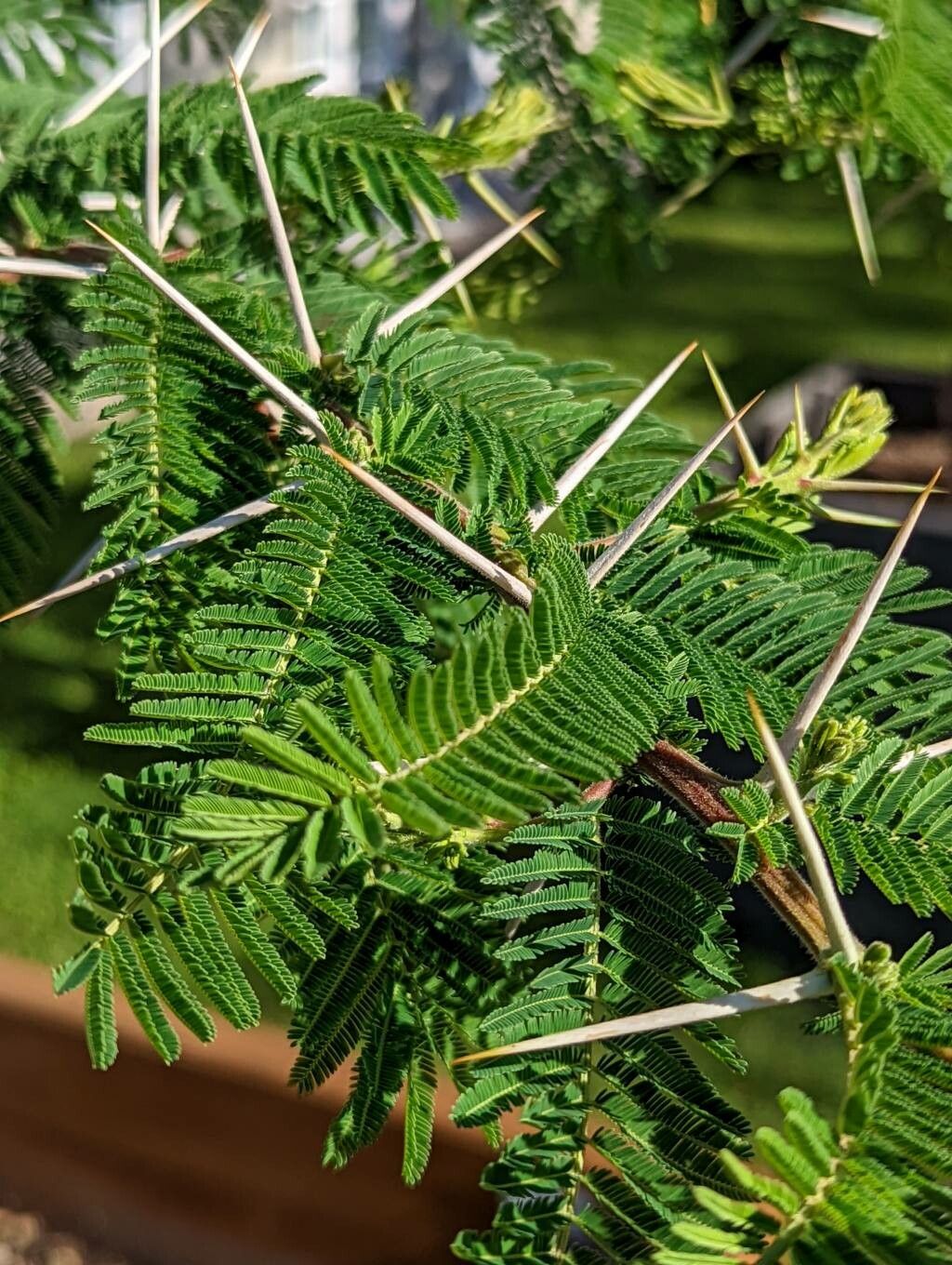
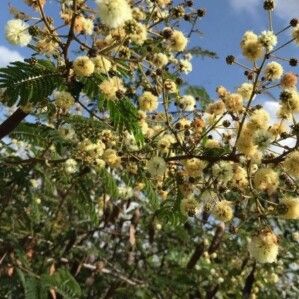
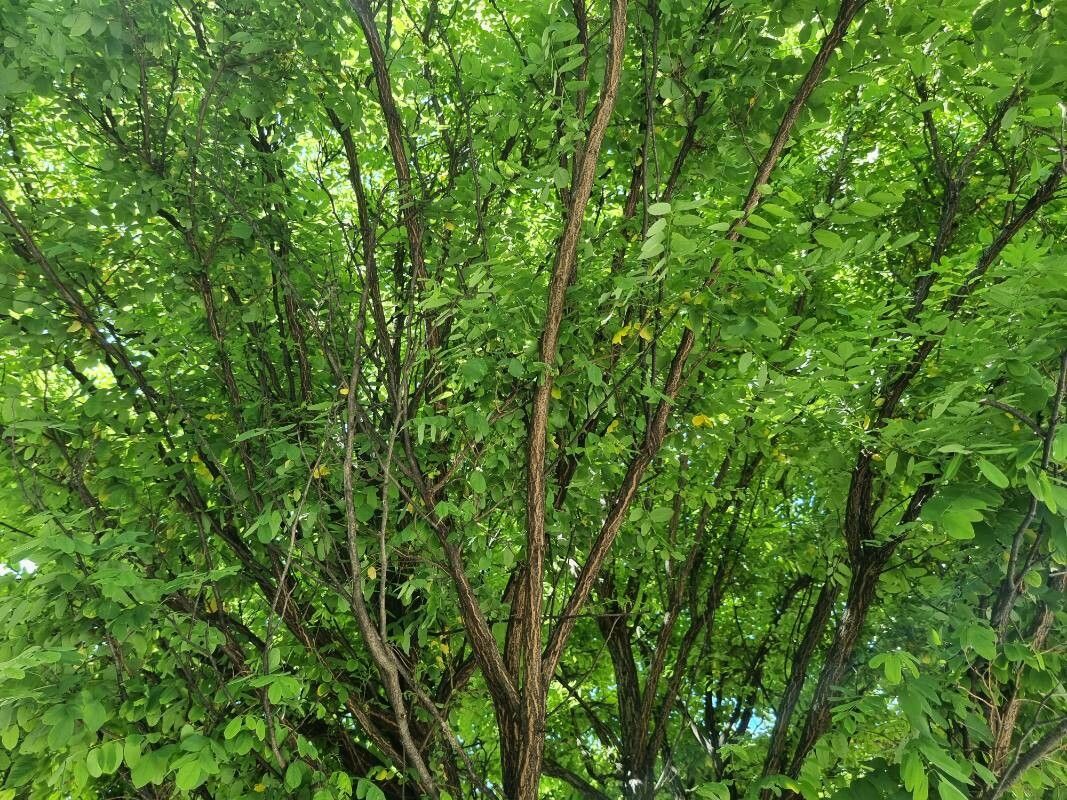
Acacia auriculiformis, commonly known as auri, earleaf acacia, earpod wattle, northern black wattle, Papuan wattle, and tan wattle, akashmoni in Bengali, is a fast-growing, crooked, gnarly tree in the family Fabaceae. It is native to Australia, Philippines, Indonesia, and Papua New Guinea. It grows up to 30 metres (98 ft) tall. Acacia auriculiformis has about 47,000 seeds per kilogram (21,000/lb).
Earleaf acacia has strong resistance to disease and is usually not susceptible to illnesses. In terms of care, this plant is fairly low-maintenance. When grown outdoors it needs little watering, and larger specimens typically do not require pruning. Smaller plants, however, should be pruned after they finish blooming. Earleaf acacia is suitable for anyone with an outdoor area, such as a garden or deck, and does not demand much care experience.
How to keep Acacia Auriculiformis.
Light
Earleaf acacia prefers plentiful sunlight for strong growth, mirroring its native environment. It can tolerate reduced light, but it performs best with ample exposure. At every stage of development the earleaf acacia needs sufficient light, and both too little and too much can impair its health and vigor.
Water
Earleaf acacia thrives in tropical climates where it can adapt to alternating periods of heavy rain and dryness. It prefers a balanced level of moisture and should be watered every two weeks. As an evergreen plant, it retains water in its leaves, which helps it withstand temperature fluctuations and maintain its vibrant appearance throughout the year.
Temperature
Earleaf acacia is native to habitats where temperatures commonly range from 68 to 100°F (20 to 38°C). It prefers warm conditions and is not very tolerant of cold. Seasonal care should include moving it indoors for protection if temperatures drop significantly.
Fertilizer
The best time to fertilize an Earleaf acacia is in early spring as it breaks dormancy. This encourages overall growth and flower development. Fertilizing improves the foliage, stems, and branches, while encouraging large, vibrant, long-lasting flowers. It helps move nutrients from the roots to the flowers and boosts the plant's health and disease resistance.
Pruning
The Earleaf Acacia features elongated pods and bipinnate leaves. To maintain its shape, perform light pruning during the winter. Remove any dead branches and thin out crowded areas to improve air circulation. Avoid heavy pruning to prevent stressing the plant. It’s important to use clean tools to minimize damage and encourage denser growth and flowering.
Botanical profile.
- Plant Type
- Tree, Shrub
- Life Cycle
- Perennial
- Genus
- Acacia
- Family
- Fabaceae
- Hardiness Zone
- 9-11
- Mature Height
- 10.67 m to 12.19 m
- Mature Spread
- 7.62 m to 10.36 m
- Leaf Color
- Green, Orange
- Leaf Type
- Evergreen
- Flower Color
- Yellow
- Flower Size
- 5.08 cm to 7.62 cm
- Bloom Time
- Summer, Early fall
- Planting Time
- Spring, Summer, Autumn, Winter
- Harvest Time
- Late summer, Fall
- Native Area
- Papua New Guinea, Indonesia, Brunei
Other names.
Reader questions.
How should I water my Earleaf acacia plant?
Caring for your Earleaf acacia is quite simple when it comes to watering. You have various options for watering tools, including watering cans, hoses, or even cups. The key is to directly apply water to the soil, ensuring equal moisture throughout the soil to support the entire root system. Opting for filtered water is ideal, as tap water may contain harmful particles. Additionally, using water at or slightly above room temperature is best to avoid shocking the plant. However, the Earleaf acacia typically responds well to any water you provide.
Why should I put fertilizer on my Earleaf acacia plant?
Fertilization is essential for the overall health and well-being of an Earleaf acacia. It helps the tree develop healthy foliage, sturdy stems, and branches. However, the flowers of the Earleaf acacia are particularly valuable to gardeners. Thankfully, fertilization also plays a role in producing large, vibrant, and long-lasting flowers for this plant. The right fertilizer makes it easier for the tree to transfer energy from its roots to its flowers. Additionally, proper fertilization maintains the plant's overall health, making it more resilient against diseases.
What are the sun requirements for Earleaf Acacia?
Earleaf Acacia necessitates a significant amount of sunlight for optimal growth, aligning with its natural propensity for thriving in such conditions. The plant requires full sun, defined as over 6 hours of sunlight a day, to prosper. However, it can also manage in partial sun, which entails approximately 3-6 hours of sunlight daily. It's vital to observe the way sunlight traverses your garden throughout the day to identify areas that offer the ideal mix of light and shade, ensuring your Earleaf Acacia plants remain happy and healthy.
What is the native climate for Earleaf acacia?
Earleaf acacia is native to warm environments where temperatures typically range between 20°C to 38°C (68°F to 100°F). It thrives in climates that provide warmth throughout the year and is less tolerant of colder temperatures, requiring specific care during the cooler seasons to maintain its health.
If I give too much or too little water to my Earleaf acacia, what should I do?
Outdoor plants, especially newly planted ones or seedlings, can be vulnerable to lack of watering. Remember to keep watering adequately for the first few months when the tree is small or newly planted. Once the roots are established, Earleaf acacia can rely on rain for moisture most of the time. When your Earleaf acacia is planted in pots, overwatering is more likely to occur. If you accidentally overwater your Earleaf acacia, take immediate action to minimize the effects. Stop watering the plant right away. Then, remove the plant from its pot to check its roots. If no root rot is present, you can return the plant to its container. If there are signs of root rot, trim away the affected roots and consider applying fungicide to prevent further damage. Lastly, repot the Earleaf acacia in well-draining soil. In the case of underwatering, simply water the plant more frequently. When the plant is underwatered, its leaves will droop, dry out, and fall off. However, they will quickly regain their fullness after sufficient watering. Adjust your watering frequency as soon as underwatering occurs.
What is the right time to fertilize my Earleaf acacia?
The best time to fertilize an Earleaf acacia is in early spring as it comes out of dormancy and prepares to bloom. Providing nutrients during this period supports overall growth and flower development. However, it's not the only time to fertilize this plant. Giving it a smaller feeding in the fall can also be beneficial. Some people choose to fertilize the Earleaf acacia when planting it, but this is not always required.
How essential is sunlight for the growth stages of Earleaf Acacia?
Sunlight plays a critical role in every growth stage of the Earleaf Acacia, mimicking its native environmental conditions. Adequate exposure to sunlight ensures healthy growth, whereas insufficient light can adversely affect the plant's health and vitality. Furthermore, during instances where natural sunlight is limited, such as in winter or darker indoor areas, artificial lighting can serve as a beneficial alternative. Offering adequate artificial light, especially with LED lights that can emulate specific wavelengths needed by plants, helps in promoting healthier and faster growth. Generally, full sun plants necessitate 30-50W/sq ft of artificial light, partial sun plants require 20-30W/sq ft, and full shade plants need 10-20W/sq ft.
How should Earleaf acacia be cared for in winter?
In colder months, it's important to protect Earleaf acacia from dropping temperatures. The plant should be brought indoors if it's usually kept outside, and placed near a bright window to ensure it continues to receive sufficient light. However, it should not be placed too close to heaters to avoid dryness. Keeping the temperature above 20°C is key to supporting its growth during winter, as temperatures near 0°C can severely harm the plant.
How frequently should I water my Earleaf acacia plant?
To ensure healthy growth for most outdoor plants, natural rainfall is usually sufficient. However, if your area doesn't receive enough rain, it's important to provide adequate watering every 2 weeks in the spring and fall. In the summer, more frequent watering is necessary, while in the winter, when plant growth slows down and water needs decrease, water sparingly or not at all. Young or newly planted Earleaf acacia plants require more frequent watering initially to help them establish and grow. For potted plants, there are two main ways to determine the watering frequency for Earleaf acacia. The first is to follow a predetermined schedule, such as watering once a week or every other week, but this may not always be suitable for the specific growing conditions. Watering frequency can also vary depending on the season. During summer, when water needs are highest, a predetermined schedule may not be enough. Alternatively, you can assess soil moisture to determine when to water. Generally, it's best to wait until the top two to four inches of soil have completely dried out before adding more water.
When is it not a good time to fertilize my Earleaf acacia?
During winter, the Earleaf acacia does not require fertilization because it is in a dormant phase and does not need much energy from the soil for new growth. Overfertilization is more likely to happen if you fertilize during winter. The best times to feed the Earleaf acacia are early spring and fall, so it won't need fertilizer for most of spring and summer. It is also advisable to avoid feeding if the plant is experiencing extremely hot or dry conditions.
What are the indicators of insufficient light for Earleaf Acacia?
When Earleaf Acacia does not receive sufficient light, especially during indoor winter cultivation, several symptoms may emerge. These include smaller new leaves compared to older ones, leggy or sparse growth indicating a thin and stretched appearance, quicker leaf drop as a conservation measure, cessation or slowing of new growth as the plant enters survival mode, paler new leaves due to inadequate chlorophyll and lack of essential nutrients, chlorosis marked by a loss of leaf greenness turning yellow, sunscald signified by damaged plant tissues from intense sunlight, leaf curling as a measure to minimize water loss, wilting due to loss of turgor pressure making leaves droop, and leaf scorching visible as brown, dry patches on leaves because of excessive sun.
What are the symptoms of low temperature exposure in Earleaf acacia?
When exposed to temperatures below its preferred range, Earleaf acacia may show signs of stress such as a lightening of leaf color when the temperature falls below -5°C. After experiencing frost, the leaf color may gradually turn brown or black, and the plant might exhibit wilting or drooping. These are indications of damage from temperatures lower than the plant's tolerance level.