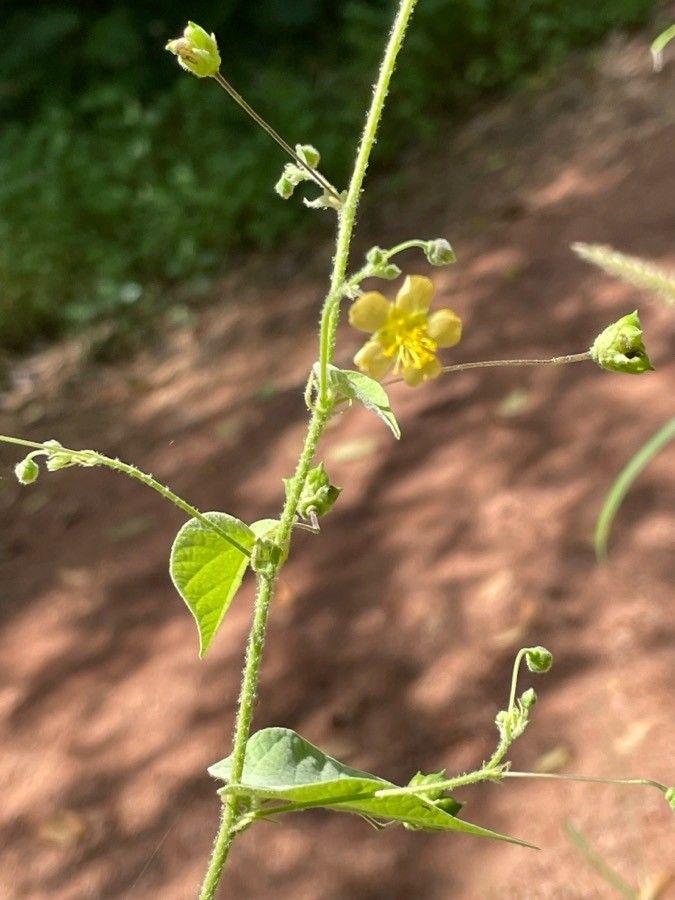
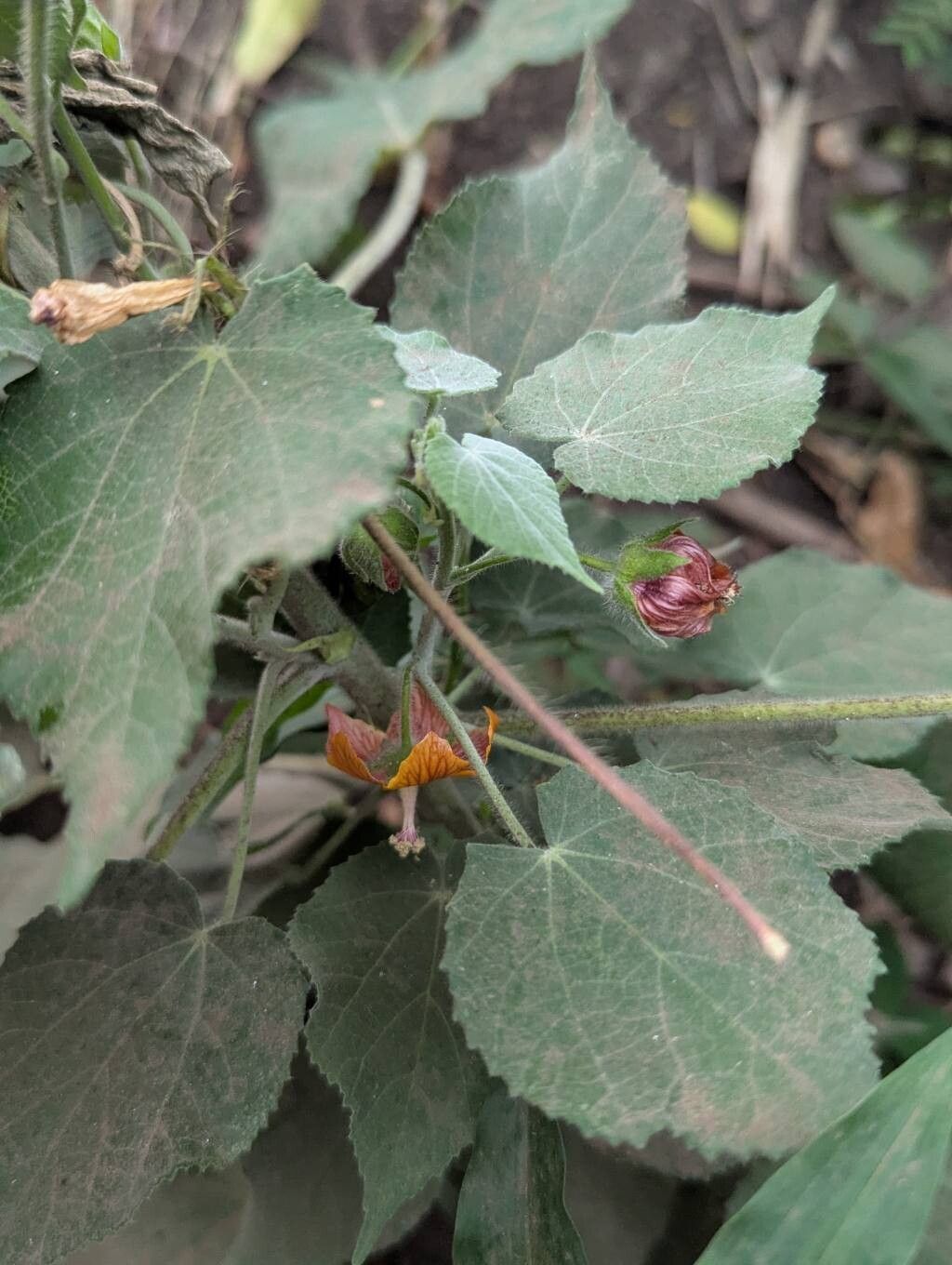
Abutilon palmeri, known as Palmer's abutilon, superstition mallow, and Palmer's Indian mallow is a species of flowering plant native the Southwestern United States and northwestern Mexico.The plant is found in the Sonoran Desert in Arizona, and in Southern California in the Sonoran Colorado Desert and adjacent eastern foothill ecotones of the Peninsular Ranges.
Palmer's Indian mallow displays strong resistance to diseases and is generally not susceptible to them. Regarding care, this plant is fairly low-maintenance. When grown outdoors it needs only minimal watering, and larger plants usually do not require pruning. Smaller plants, however, should be trimmed after they finish blooming. Palmer's indian mallowt is appropriate for anyone who has an outdoor space, such as a garden or deck, and it does not demand extensive care experience.
How to keep Abutilon Palmeri.
Light
Palmer's indian mallow is native to open habitats, such as sunny meadows and forest edges, which offer abundant light. It performs best in Full Sun but will also tolerate Partial Sun, adapting well to various sunlight conditions.
Water
Palmer's Indian mallow is a drought-tolerant plant that requires minimal watering, ideally just once every 1-2 weeks, to prevent root rot. It thrives outdoors and benefits from mulching, which helps retain soil moisture. This reduces the need for additional irrigation and supports its low-maintenance growth.
Temperature
Palmer's Indian mallow comes from tropical areas, where the climate is usually warm and humid. Therefore it is well suited to high heat and humidity. It is not fond of sudden temperature shifts and prefers a constant temperature, so avoiding temperature variations indoors is important. It generally cannot tolerate cold and needs warmer conditions to grow. If the surrounding temperature falls too low, the plant may stop growing or even die.
Fertilizer
The best time to fertilize a Palmer's indian mallow is in early spring, as it breaks dormancy. This encourages overall growth and flower development. Fertilization improves the foliage, stems, and branches, and promotes large, vibrant, long-lasting blooms. It helps move nutrients from the roots to the flowers and enhances the plant's health and resistance to disease.
Pruning
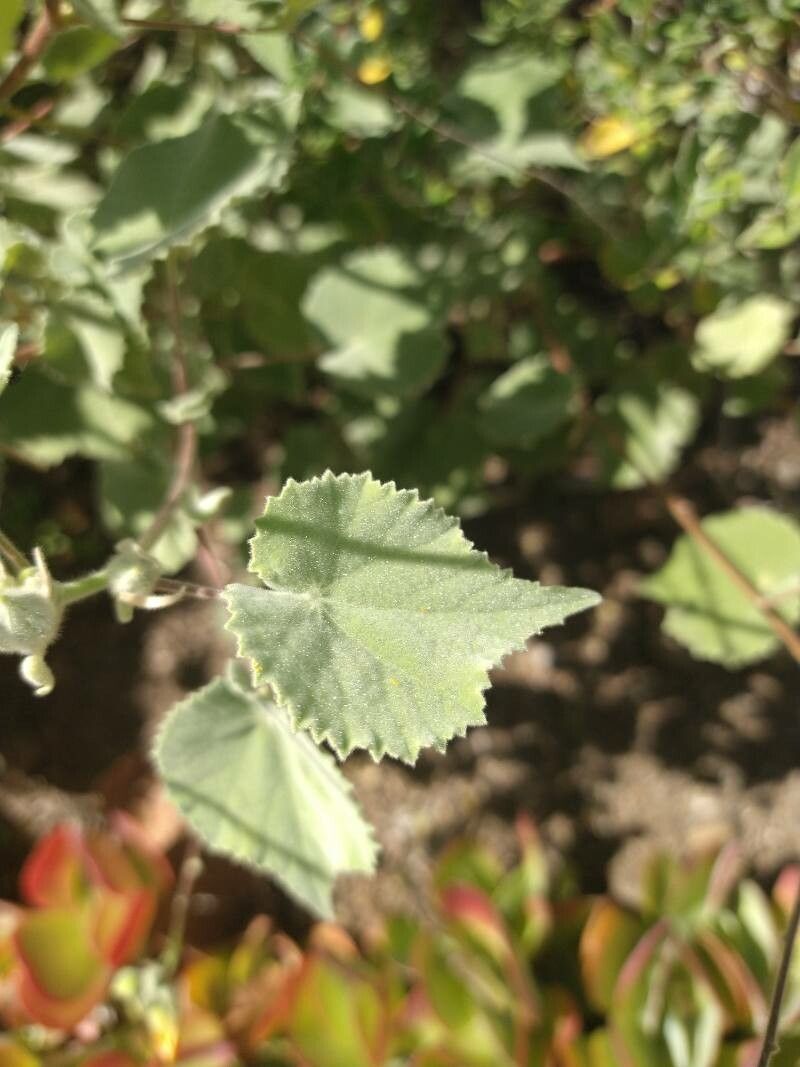
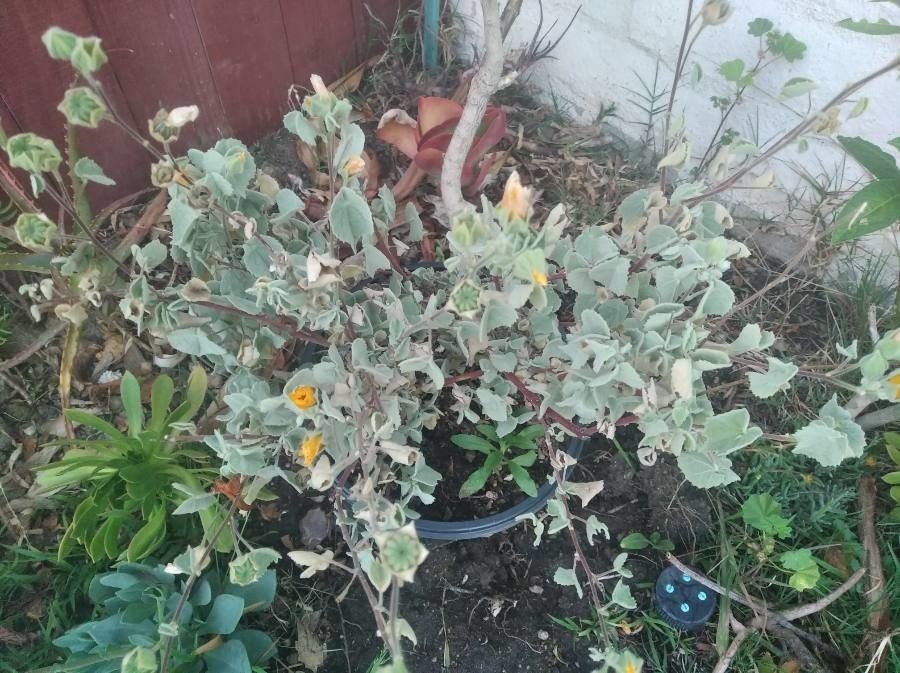
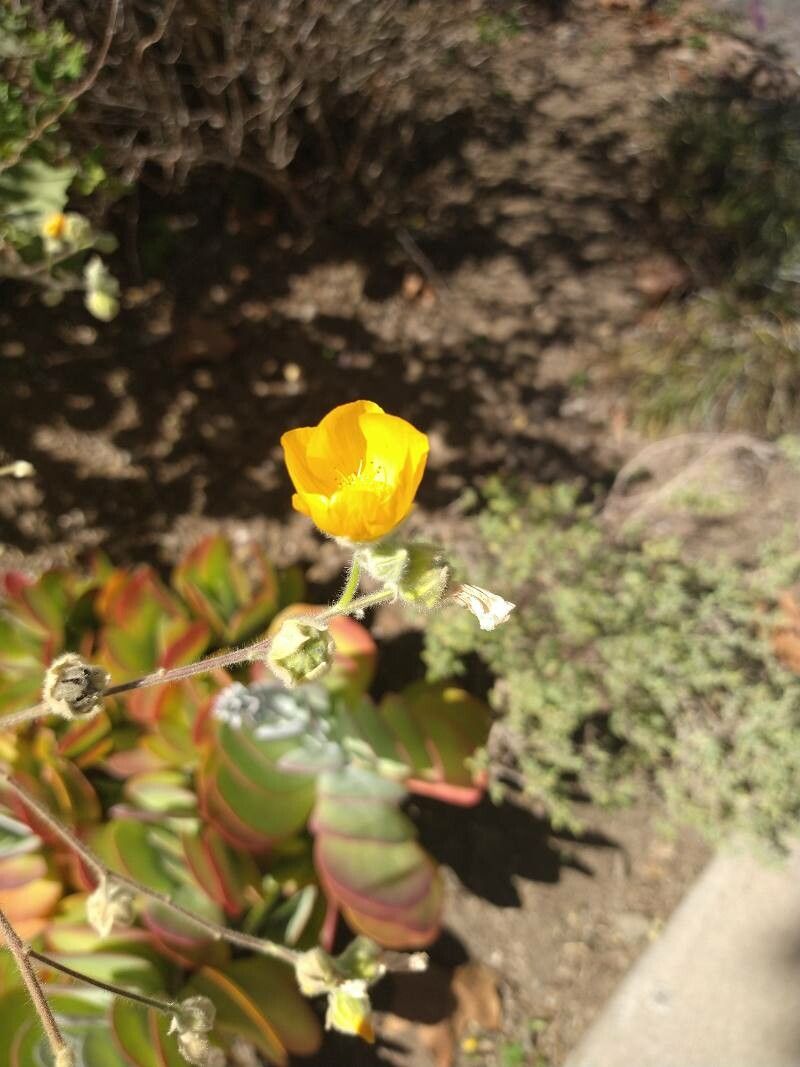
Palmer's Indian Mallow is known for its velvety leaves and bright yellow flowers. To enhance its shape and growth, it is best to prune the plant from early to late winter. During pruning, focus on removing dead branches and thinning the plant. Making clean cuts helps prevent disease, while avoiding heavy pruning minimizes stress on the plant. This approach encourages vigorous flowering and helps maintain a manageable size.
Pot & Repot
Repot Palmer's Indian Mallow every 2–3 years in the spring to support its rapid growth. Choose a pot that is one size larger than the current one. Make sure the plant receives full sun and moderate watering after repotting. Palmer's Indian Mallow thrives in well-draining soil, so be sure to avoid oversized pots to prevent excess water retention.
Botanical profile.
- Plant Type
- Shrub
- Life Cycle
- Perennial
- Genus
- Abutilon
- Family
- Malvaceae
- Hardiness Zone
- 8-11
- Mature Height
- 1.52 m
- Mature Spread
- 1.52 m
- Leaf Color
- Green, Gray
- Leaf Type
- Evergreen
- Flower Color
- Yellow, Orange
- Flower Size
- 2.03 cm to 3.05 cm
- Bloom Time
- Late spring, Summer, Early fall
- Planting Time
- Spring, Summer, Autumn
- Harvest Time
- Mid summer, Late summer, Fall
- Native Area
- Mexico
Other names.
Reader questions.
How should I water my Palmer's Indian mallow plant for it to be healthy?
Your Palmer's indian mallow is not particular about how you water it. You can use any common watering tool, such as watering cans, hoses, or even cups. When watering, it's best to apply the water directly to the soil and make sure all areas are evenly moistened. Filtered water is recommended to avoid harmful particles, and water at or slightly above room temperature is ideal to prevent shocking the plant. However, the Palmer's indian mallow generally responds well to any type of water.
What are the sunlight requirements for Palmer's Indian Mallow?
Palmer's Indian Mallow requires full sun, defined as more than 6 hours of sunlight daily, but it can also tolerate partial sun, ranging from about 3-6 hours of sunlight. It's crucial to observe the movement of sunlight through your garden to find spots that offer an ideal balance of light and shade, promoting the well-being of your plants. The plant originates from environments like sunny meadows and forest edges, hence it adapts well to various sunlight conditions, thriving in both full and partial sun.
What should I do if I give too much or too little water to my Palmer's Indian mallow plant?
Outdoor plants, especially newly planted ones or seedlings, are susceptible to not getting enough water. Remember to water them adequately for a few months when they are small or recently planted. This is because once the roots are established, Palmer's indian mallow can largely rely on rain. However, when this plant is in pots, overwatering is more likely to happen. If you accidentally overwater your Palmer's indian mallow, take immediate action to fix the issue. First, stop watering the plant to minimize the impact of overwatering. Then, remove the plant from its pot and check its roots for signs of root rot. If no root rot is found, you can put the plant back in its container. If there is root rot, trim the affected roots and consider using a fungicide to prevent further damage. Lastly, repot the plant in well-draining soil. On the other hand, underwatering is a simpler problem to solve. If your Palmer's indian mallow is underwatered, its leaves will droop, dry out, and fall off. However, they will quickly regain their fullness once you water the plant sufficiently. So, adjust your watering frequency promptly when you notice underwatering.
How can artificial lighting be used for indoor plants, including Palmer's Indian Mallow?
For indoor plants where natural sunlight is insufficient, especially during winter or in less sunny areas, artificial lighting is crucial for their growth. LED lights are recommended because they can be adjusted to provide specific light wavelengths needed by plants. For full sun plants, 30-50W/sq ft of artificial light is needed; partial sun plants require 20-30W/sq ft, and full shade plants need 10-20W/sq ft. The light source should be placed 12-36 inches above the plant, mimicking natural sunlight, and most plants benefit from 8-12 hours of light daily.
How much water does my Palmer's Indian mallow need?
Most outdoor plants can grow naturally with rainfall. However, if your area lacks rainfall, here are some guidelines for watering your plants: - In the spring and fall, water your plants adequately every 2 weeks. - During the summer, when water needs are higher, water more frequently. - In the winter, when growth is slower and plants need less water, water sparingly. In fact, you may not need to water at all. If you have a young or newly planted Palmer's Indian Mallow, it's important to water more frequently to help it establish and grow into a drought-tolerant plant. For potted plants, there are two ways to determine watering frequency. One option is to set a predetermined watering schedule, such as once a week or every other week. However, this may not be suitable for the specific conditions of your Palmer's Indian Mallow. Alternatively, you can adjust your watering frequency based on soil moisture. Wait until the top 2 to 4 inches of soil, about 1/3 to 1/2 depth of the pots, have dried out completely before watering again. This approach allows you to water the plant when it actually needs it, especially during the summer when water requirements are higher.
What are the symptoms of light deficiency in Palmer's Indian Mallow?
When experiencing suboptimal lighting, Palmer's Indian Mallow may display symptoms including smaller new leaves, leggy or sparse growth, faster leaf drop, slower or no new growth, lighter-colored new leaves, chlorosis (leaves turning yellow due to chlorophyll breakdown), sunscald, leaf curling, wilting, and leaf scorching. These signs indicate the plant is not receiving adequate sunlight, affecting its health and growth.
How much water does my Palmer's Indian mallow plant need?
When watering your Palmer's Indian Mallow, it's important to not always overwater. If only a few inches of soil have dried since the last watering, giving the plant about five to ten ounces of water will promote healthy growth. You can determine how much water to give based on the moisture of the soil. Take note of how many inches of soil have dried out between waterings. To ensure the plant gets enough moisture, water until all the dry soil layers have been moistened. If more than half of the soil is dry, consider giving more water and continue until you see excess water draining from the pot's drainage holes. However, if the plant is exposed to rain outdoors, it may not require additional watering. As a young or newly established plant, it should receive 1-2 inches of rain per week. As it grows, it can rely solely on rainwater, unless there is a lack of rain for 2-3 weeks during hot weather. In that case, give the plant a full watering to prevent stress.
What solutions can help improve the light conditions for Palmer's Indian Mallow?
Improving light conditions involves gradually moving plants to sunnier locations to receive at least 6 hours of direct sunlight daily, especially through a south-facing window. For indoor plants, consider using artificial light for at least 8 hours daily or investing in professional grow lights. Outdoors, ease your plants into brighter spots to avoid sunburn. Minimize obstructions by pruning or relocating plants to areas with better sunlight and drainage. Note that parts of the plant damaged by insufficient light might not recover, but new growth should be healthy with improved light exposure.
How do I know if I am giving enough water to my Palmer's Indian Mallow?
The Palmer's Indian Mallow is often overwatered, which can be identified by signs such as yellowing leaves, leaf dropping, shriveling of the plant structure, and potential root rot. On the flip side, underwatering can cause wilting, browning, and brittle leaves. Regardless of the issue, it's important to take action and restore the health of your Palmer's Indian Mallow.
What is the best way to water my Palmer's indian mallow at different stages of growth?
When the Palmer's indian mallow is young, especially as a seedling, it requires more water compared to when it is older. During the plant's early stages, it is essential to keep the soil consistently moist so that the roots can develop properly. The same applies if you have recently transplanted a Palmer's indian mallow to a new location. Additionally, providing proper care can result in the plant producing attractive flowers and fruits. If your Palmer's indian mallow is in a phase of flowering or fruiting, it will likely require slightly more water to support these growth structures.
How do I water my Palmer's Indian mallow all year round?
The watering needs of your Palmer's Indian Mallow plant will vary with the seasons. In the hot summer months, especially if it's in a sunny spot, you'll have to water it more often to prevent the soil from drying out quickly. Conversely, during the winter when the plant isn't actively growing, it will require significantly less water. You can water it once every 2 to 3 weeks, or even skip watering altogether. If you're growing it indoors, be aware that appliances like air conditioners can dry it out faster, so you may need to water it more frequently.
How does watering my Palmer's indian mallow plant inside compare to watering it outside?
Your Palmer's indian mallow may not need extra watering when grown outside and can survive on rainwater alone in some cases. However, if you live in an area with little to no rain, you should water the plant approximately every two weeks. If you are outside the plant's natural hardiness zone, it's best to grow it indoors. When grown indoors, keep an eye on the soil as it can dry out faster when in a container or exposed to HVAC units like air conditioners. These drying factors mean you should water the plant more frequently compared to growing it outdoors.