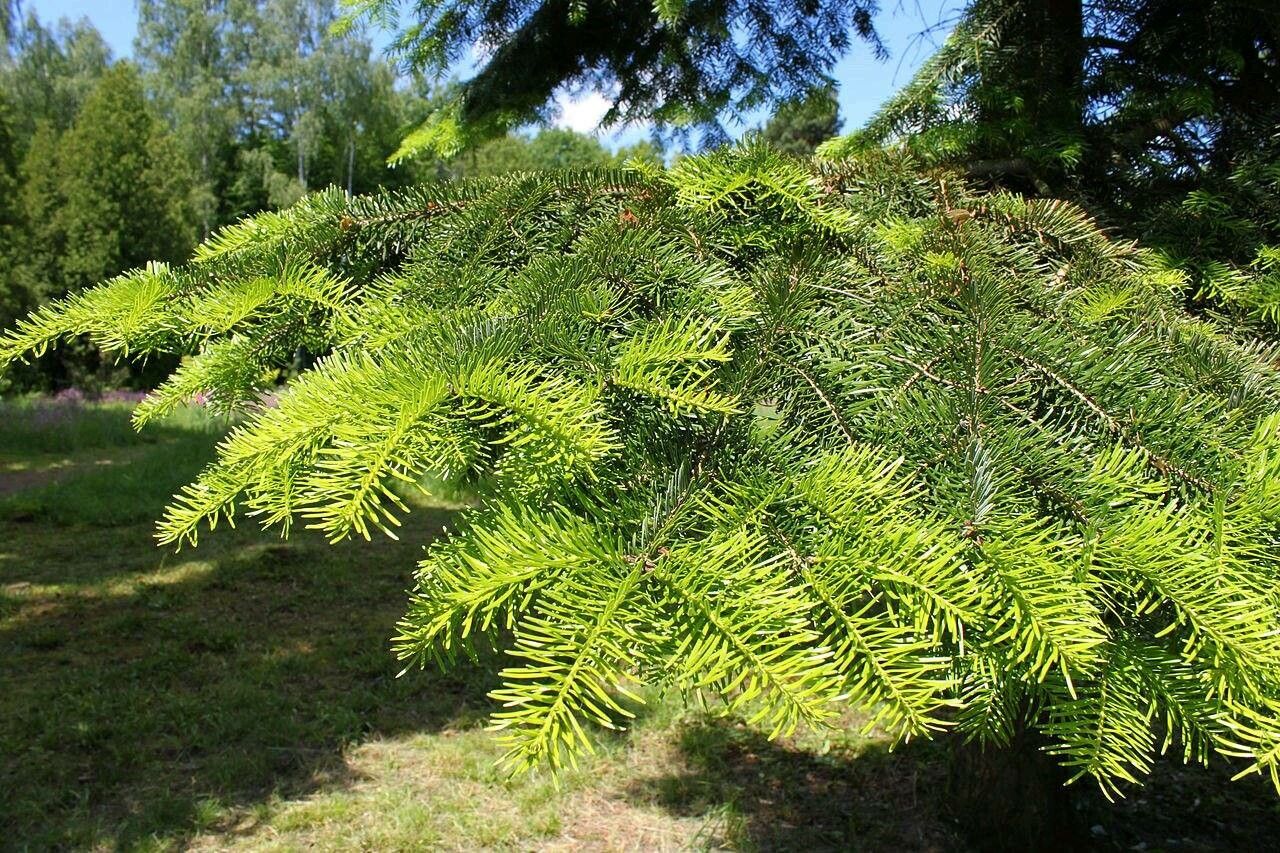
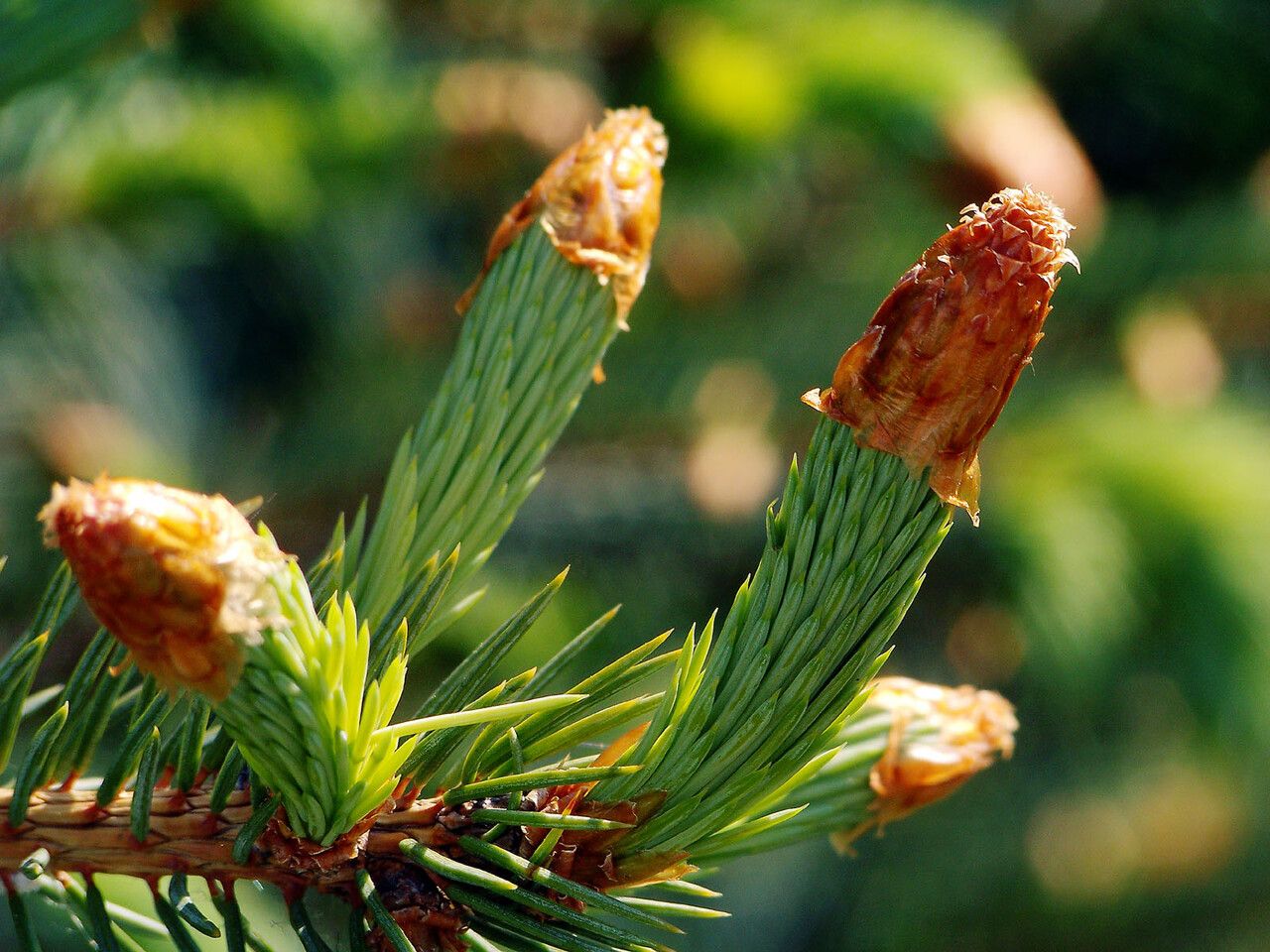
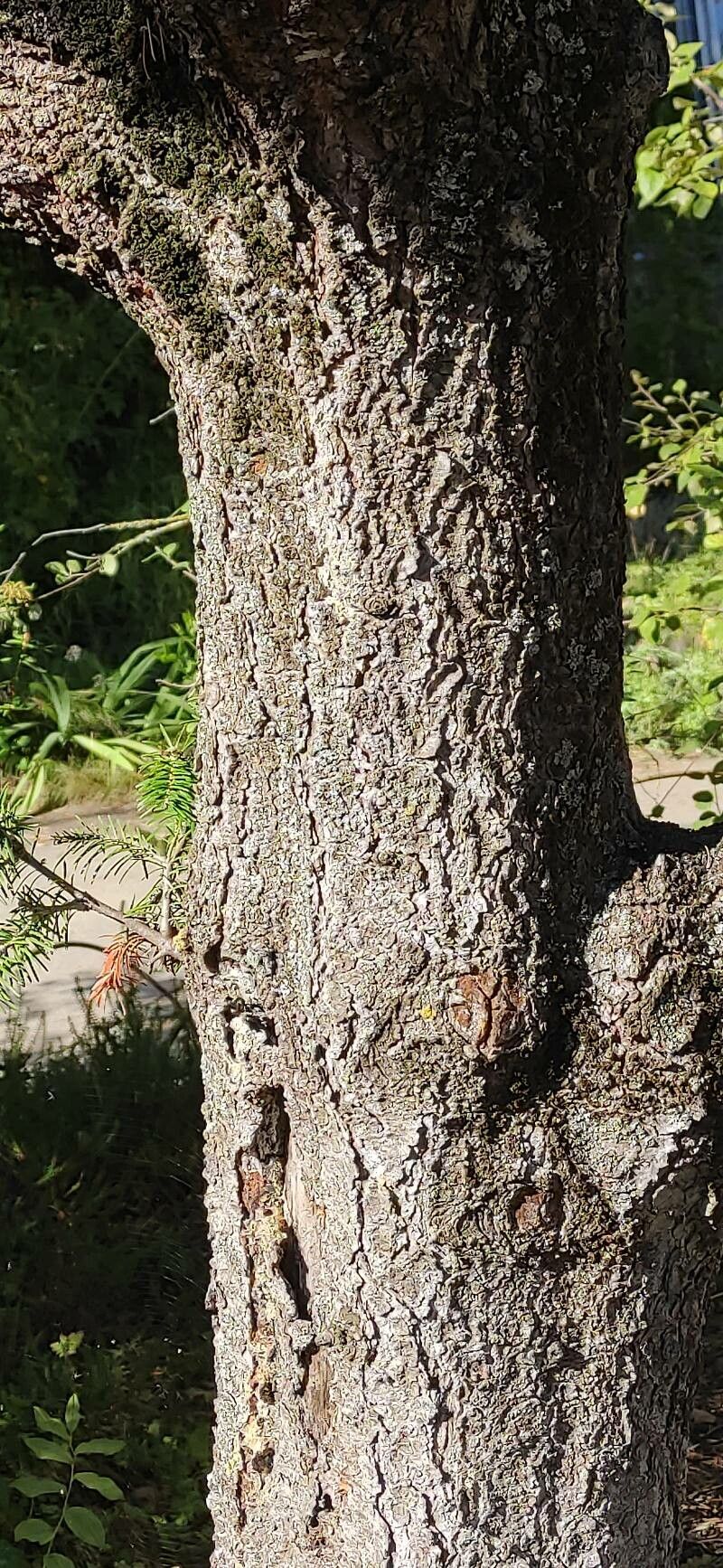
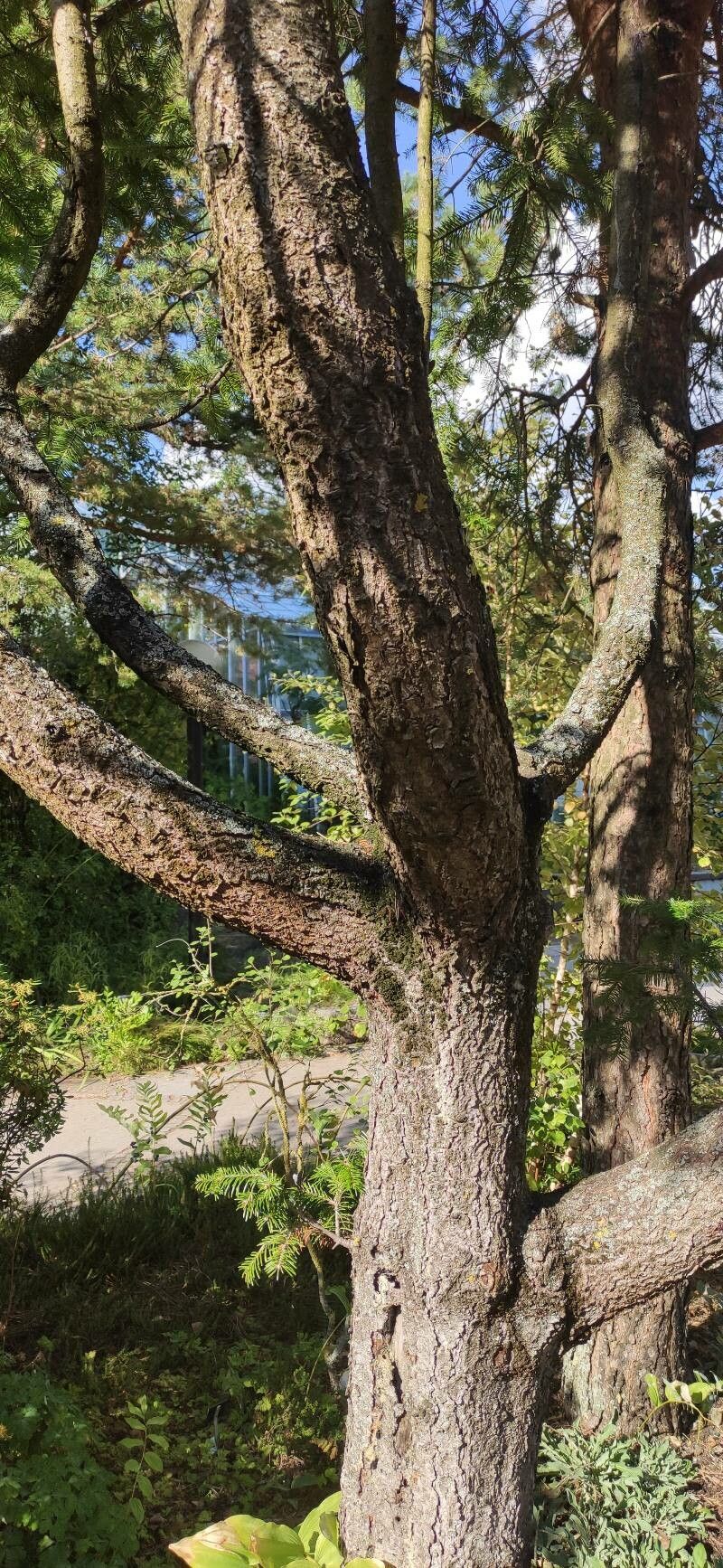
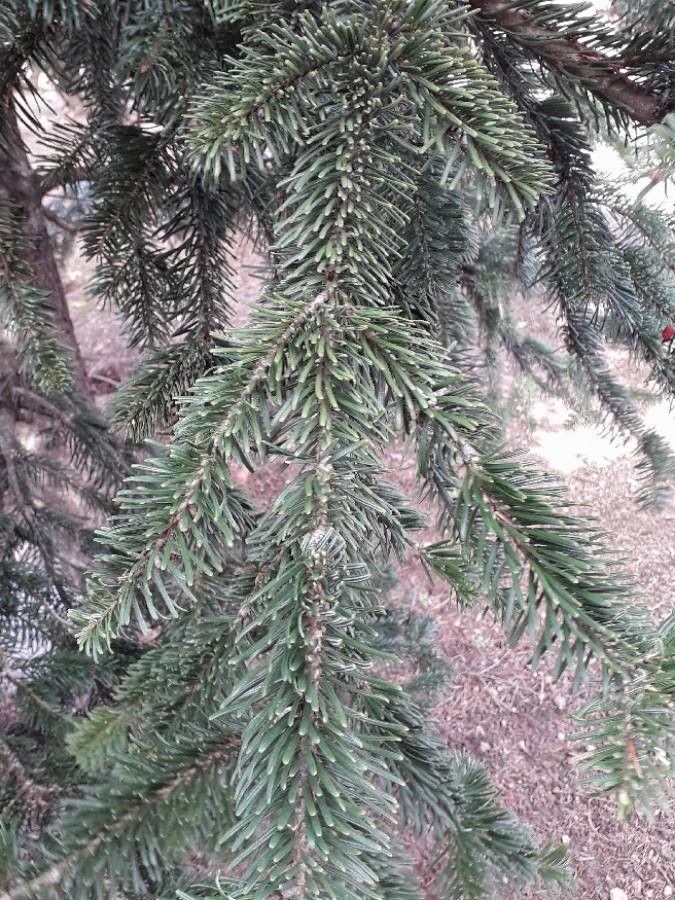
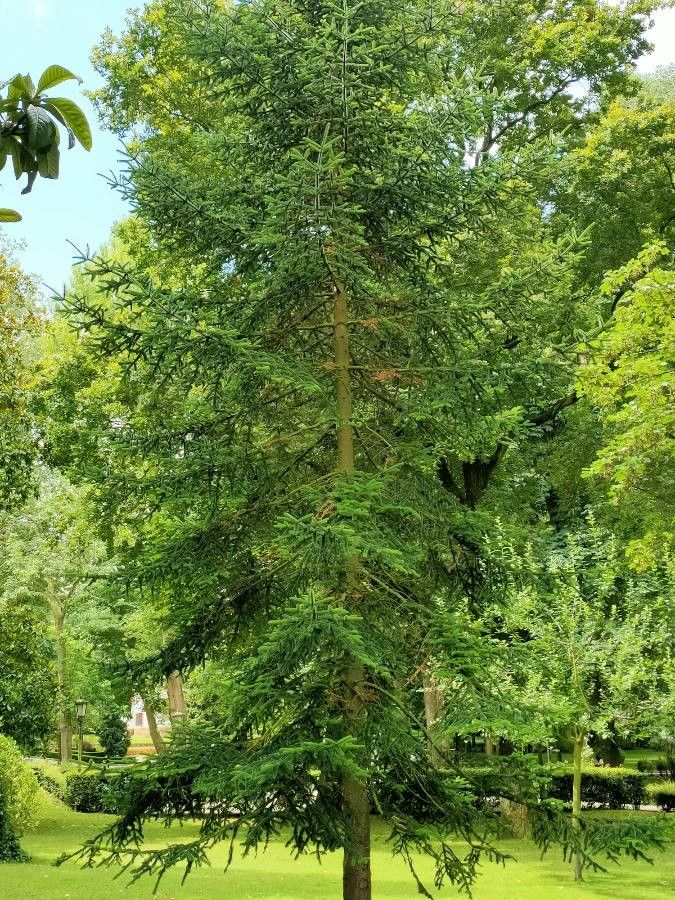
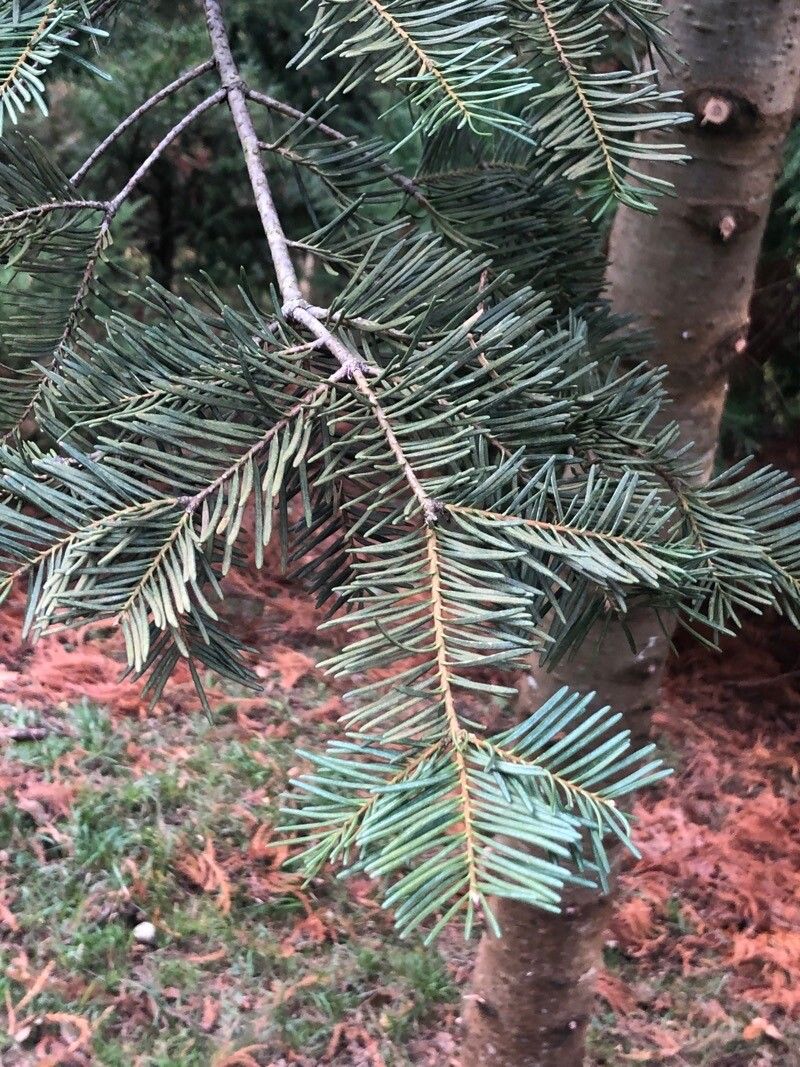
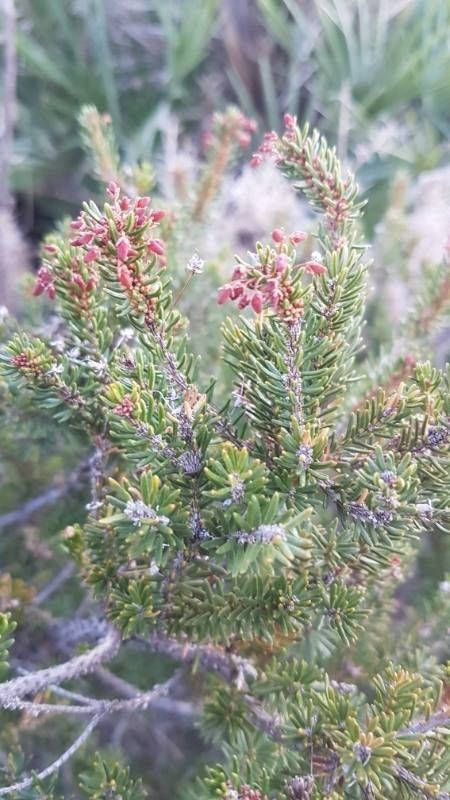
Abies sibirica, commonly known as the Siberian fir, is a coniferous evergreen tree belonging to the Pinaceae family. This tree is native to the boreal forests of Siberia and northern Mongolia. It can grow up to 30 meters tall and typically features a conical shape, a straight trunk, and dense branches covered with dark green needles.
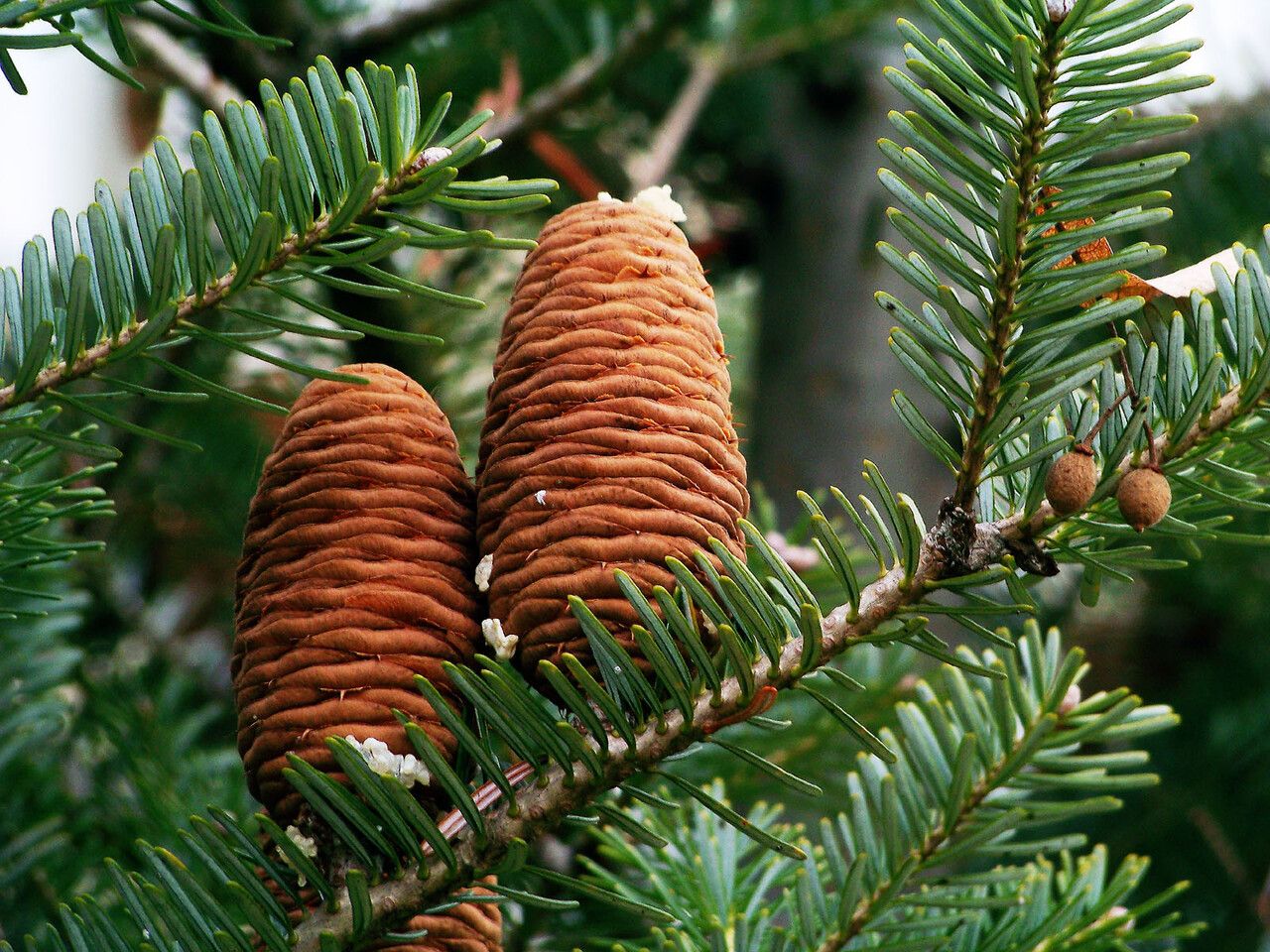
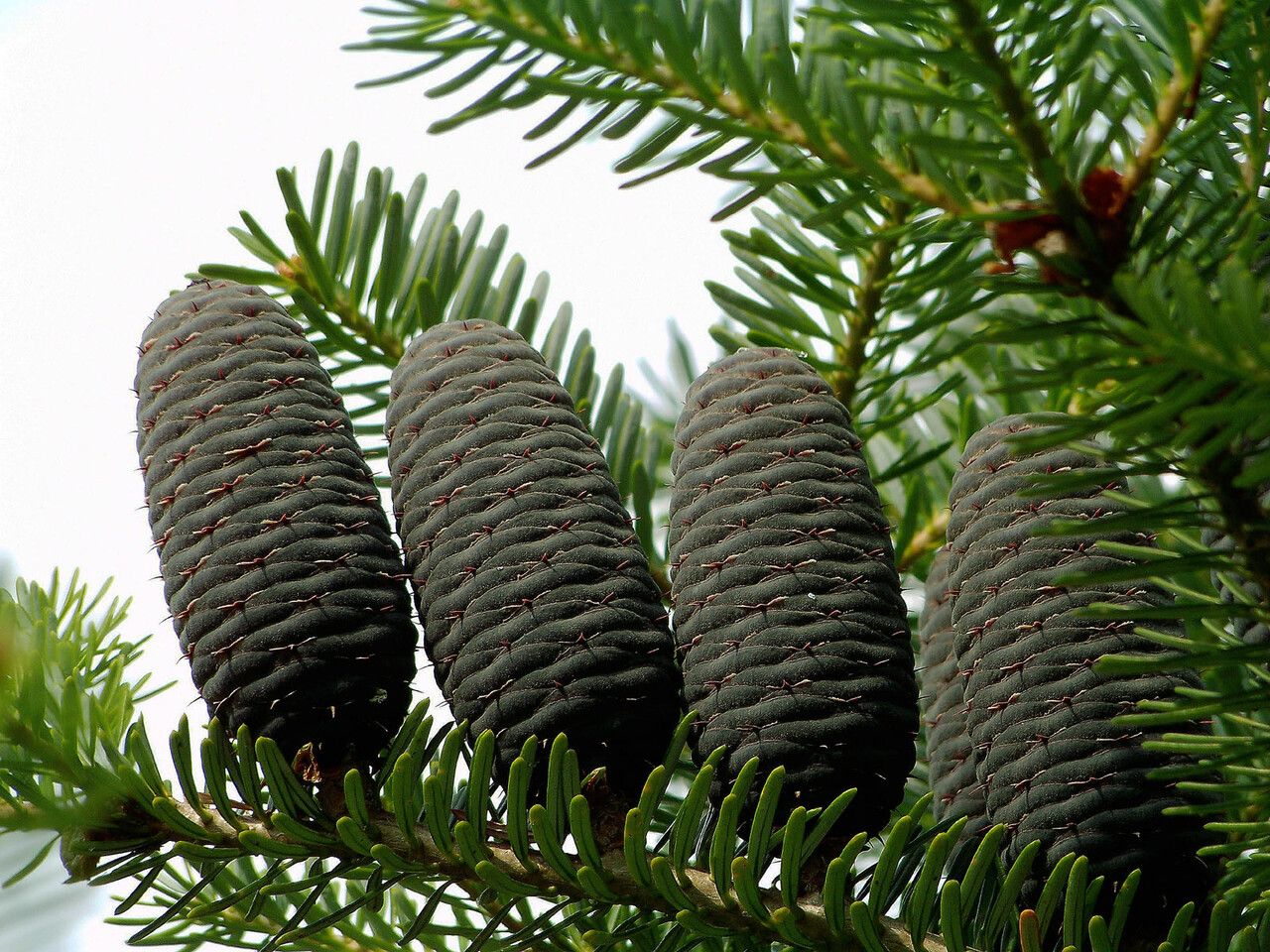
The needles of Abies sibirica are about 2-3 cm long, flat, and arranged in two rows on either side of the branch. The cones are cylindrical, approximately 10-15 cm long, green when young but turning brown as they mature.
The Siberian fir is an important timber tree due to its strong wood, which is used for construction purposes such as making furniture and paper pulp. Additionally, it has medicinal properties; its bark contains compounds traditionally used to treat respiratory problems such as bronchitis and asthma.
Abies sibirica prefers cool climates with moist soil conditions but can tolerate some drought once established. It grows well in full sun or partial shade and requires well-drained soil for optimal growth.
Overall, Abies sibirica is a valuable plant species, serving many purposes. It is not only an important timber source but also possesses medicinal properties, making it economically and medicinally significant.
The Siberian fir is well resistant to disease and typically does not suffer from illnesses. As for care, this plant is relatively low-maintenance. When grown outdoors it needs only minimal watering, and larger specimens generally do not require pruning. Smaller plants, however, should be pruned after they have bloomed. The Siberian fir is suitable for anyone with an outdoor area, such as a garden or deck, and does not demand extensive care experience.
How to keep Abies Sibirica.
Light
Siberian fir comes from open habitats, such as sunny meadows and forest edges, which provide abundant light. It does best in Full Sun but can also tolerate Partial Sun, adjusting well to a range of light conditions.
Water
The Siberian fir flourishes in cool, moderately moist climates and can withstand dry spells. To maintain optimal health, it needs to be watered weekly. As an evergreen, the Siberian fir retains its foliage throughout the year and requires consistent moisture for vibrant growth. This tree plays an important role in enhancing the biodiversity of temperate forests.
Humidity
This plant will thrive in moderate humidity, which is probably the level in your home. However, misting it a few times a week can be very beneficial. Make sure the room has good ventilation.
Temperature
Siberian fir occurs in northern areas and in high-altitude mountain zones. It is very sensitive to temperature and prefers cool conditions and good air circulation during summer. High summer temperatures can damage Siberian fir and may even kill it. Providing adequate shade and regular misting in the hot summer months can help it pass the season smoothly. Generally, Siberian fir does not need special winter protection, but it is important to water it well before the ground freezes.
Fertilizer
Siberian fir has specific nutrient needs and does not require heavy fertilization. Spring is the best time to apply fertilizer for optimal growth. Providing nutrients improves its health, strengthens its resistance to pests and diseases, and helps support a long lifespan.
Pruning
The Siberian fir, known for its tall conical shape and soft needles, should be pruned during its dormant season, which falls between early and late winter. When pruning, focus on removing dead or damaged branches while maintaining the tree's natural form. Proper pruning improves air circulation and the overall health of the tree, enhancing the Siberian fir's resilience and appearance.
Botanical profile.
Other names.
Reader questions.
What are the sunlight requirements for a Siberian fir (Abies sibirica)?
The Siberian fir, known botanically as Abies sibirica, thrives in varying degrees of sunlight, depending on the specific needs of the plant. It requires 'full sun' meaning it should receive above 6 hours of sunlight daily to flourish optimally. Alternatively, it can also tolerate 'partial sun,' which entails about 3-6 hours of sunlight each day. When planning where to plant your Siberian fir, it's important to observe the changing patterns of sunlight throughout your garden, aiming to find locations that offer an ideal mix of light and shade. This ensures the plant's well-being by mimicking its natural habitat as closely as possible.
What is the botanic name of Siberian fir?
The botanic name of Siberian fir is Abies sibirica. This coniferous tree is known for its significance in various cultural and environmental contexts. Despite the lack of detailed essentials, symptoms, and additional information provided, it's noteworthy for its distinct characteristics and uses.