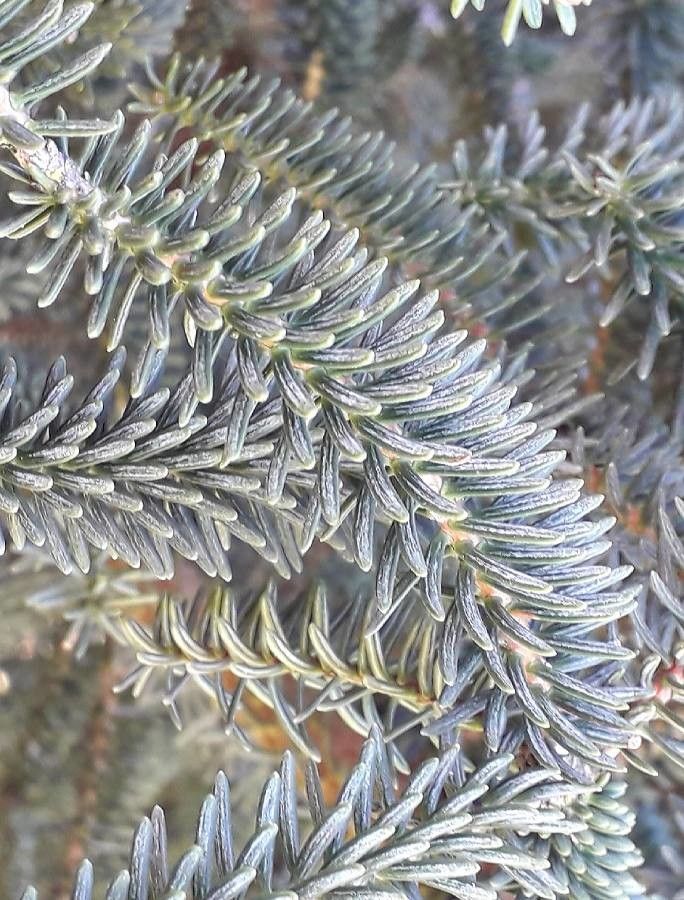
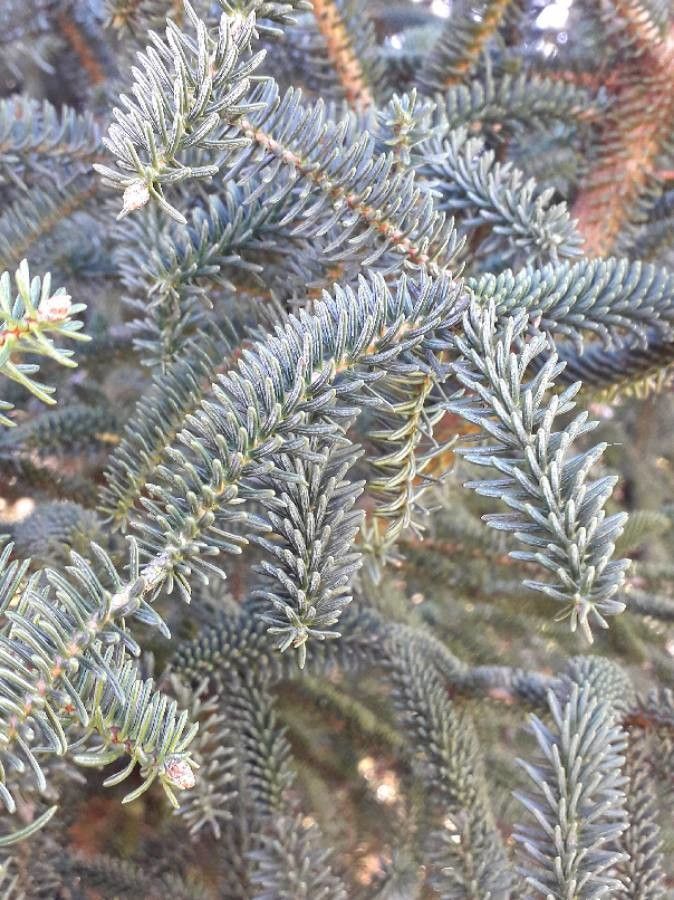
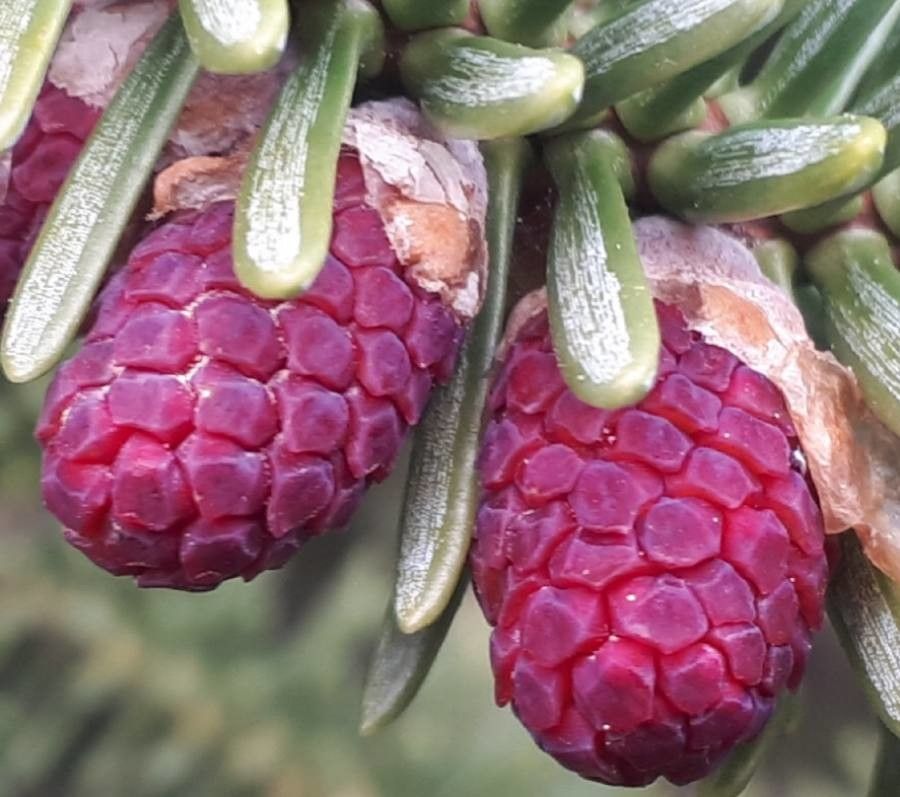
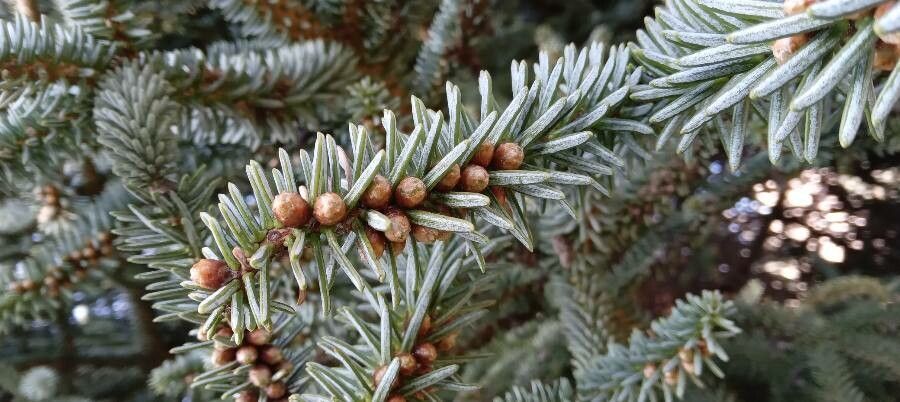
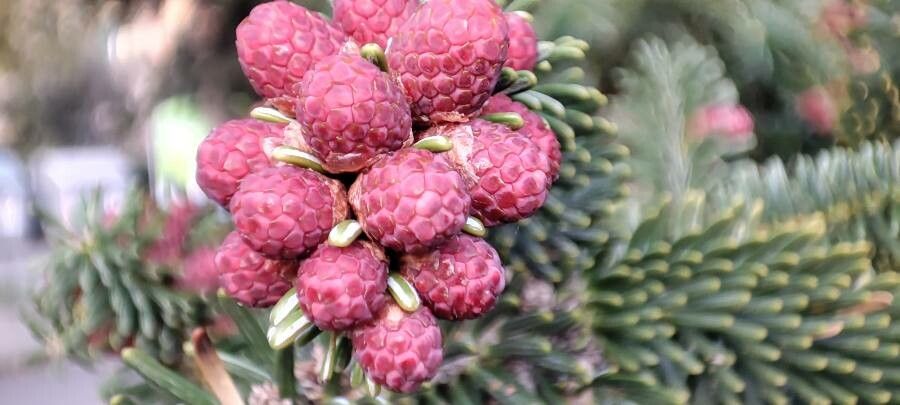
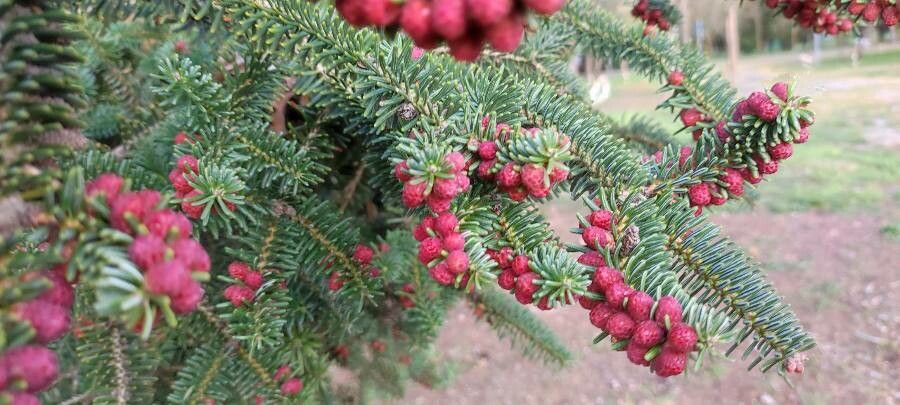
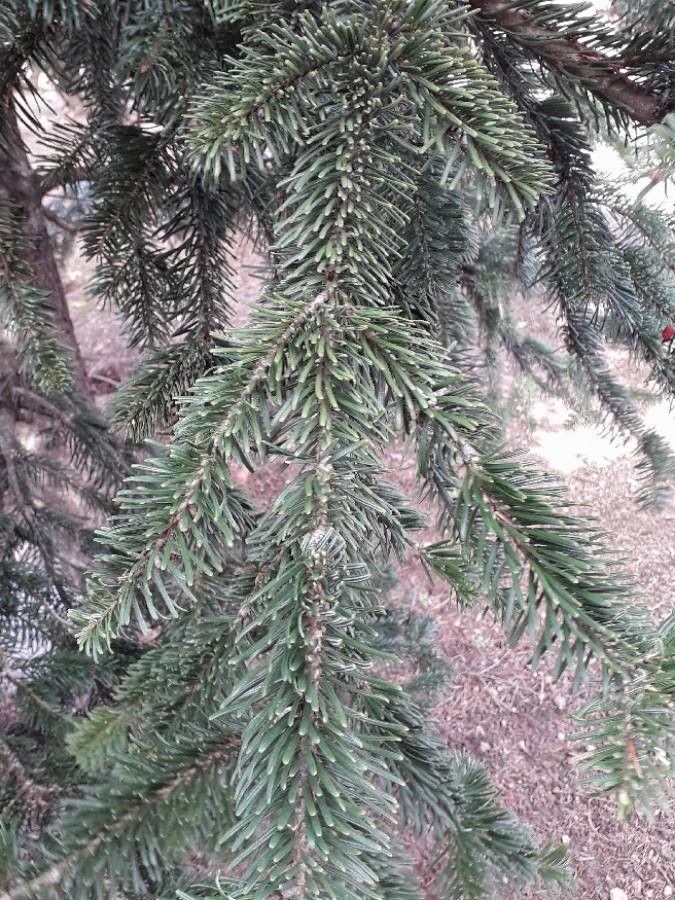
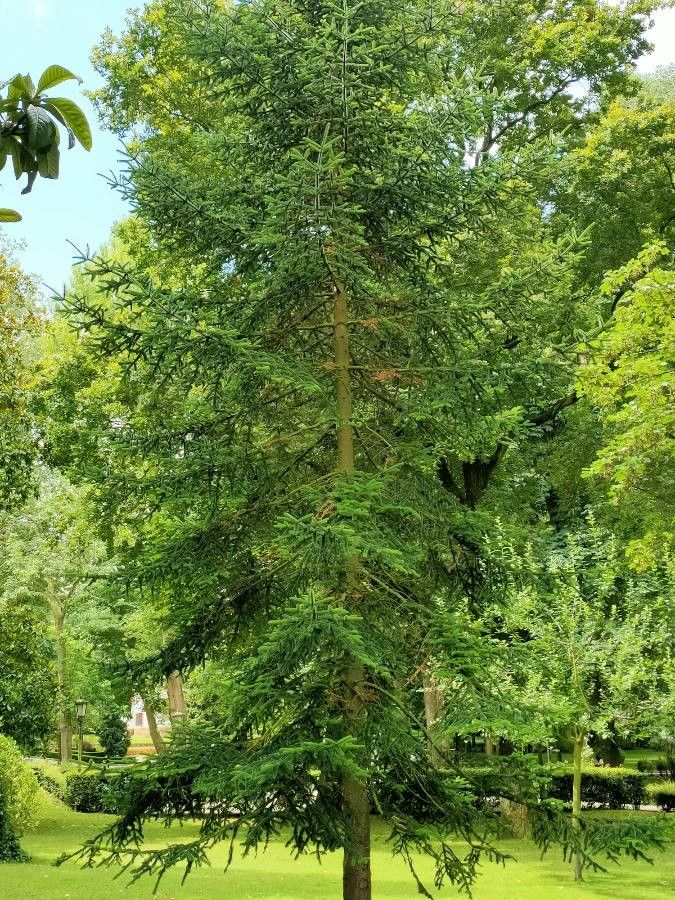
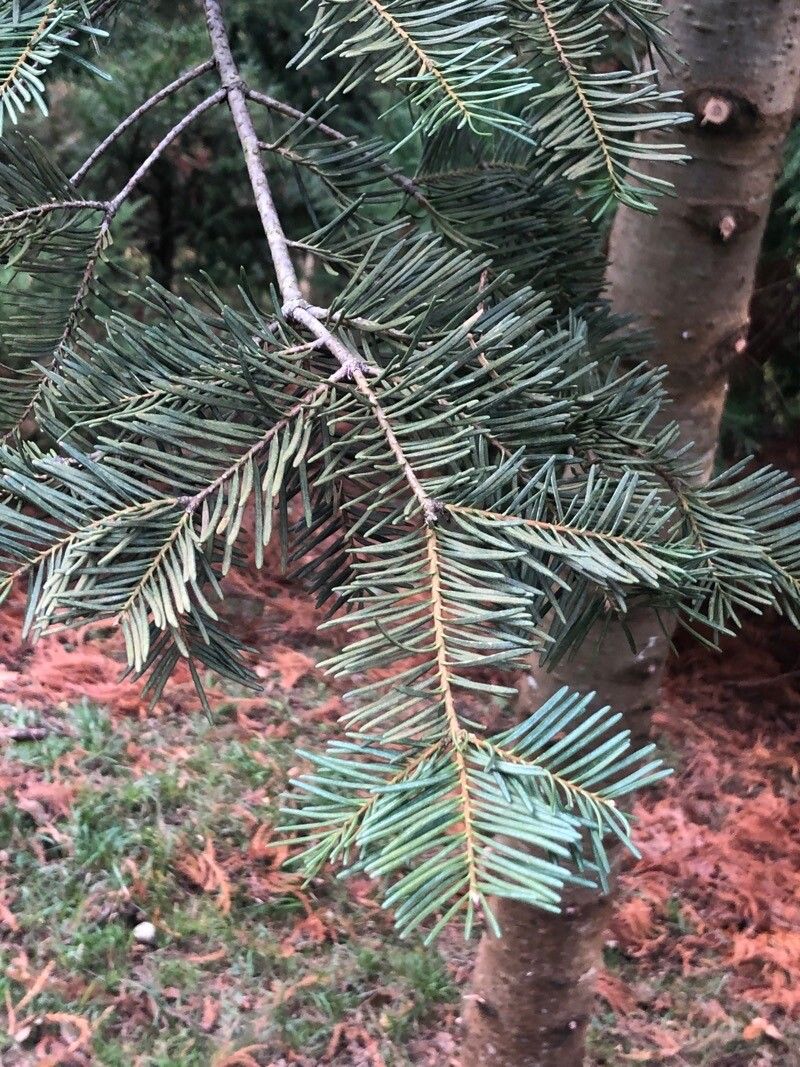
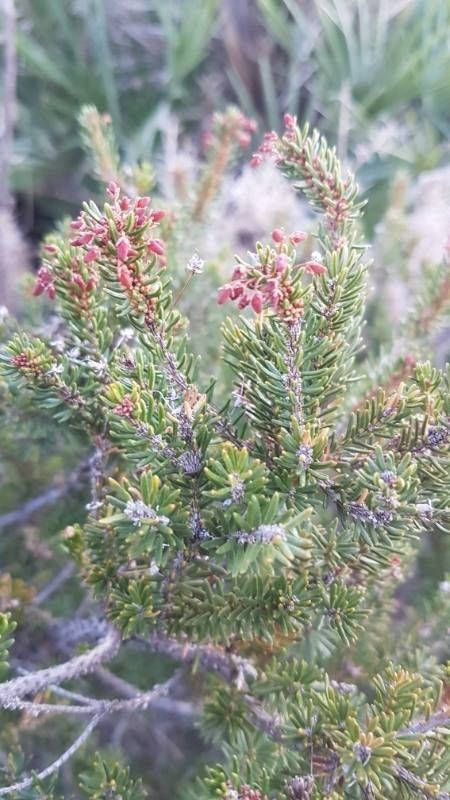
Abies pinsapo, commonly known as the Spanish fir or Pinsapo, is a species of coniferous tree native to the southern mountains of Spain and Morocco. It is a slow-growing evergreen tree that can reach heights of up to 25 meters and has a conical shape with dense branches. The needles are dark green, glossy, and arranged in spirals around the branches. The cylindrical cones can grow up to 20 cm in length.
The Spanish fir is ecologically important, providing habitat for various wildlife, including birds, insects, and mammals. Additionally, it plays a significant role in preventing soil erosion on steep slopes.
The wood of Abies pinsapo is highly valued for its quality and has traditionally been used for construction purposes, such as roofing beams and furniture making.
However, due to habitat loss caused by human activities such as logging and urbanization, along with climate change effects like droughts, this plant species has been classified as endangered according to the IUCN Red List since 1998.
Conservation efforts include reforestation programs and the establishment of protected areas where this tree grows naturally. These measures aim to protect and restore the population of the Spanish fir.
Spanish fir is highly resistant to disease and is usually not susceptible to illnesses. With regard to care, this plant is fairly low-maintenance. When grown outdoors it needs only a little watering, and larger plants typically do not require pruning. Smaller plants, however, should be trimmed after they have finished blooming. Spanish fir is appropriate for anyone with an outdoor area, such as a garden or deck, and does not demand extensive gardening experience.
How to keep Abies Pinsapo.
Light
Spanish fir grows best in moderate sunlight but can also tolerate intense sun. Native to areas that combine shade and sunshine, it can endure a variety of light conditions. Still, an imbalance in light can harm the plant’s optimal growth and health.
Water
The Spanish fir, native to dry mountainous regions, shows moderate drought tolerance and benefits from watering every 1-2 weeks. Usually grown outdoors, this evergreen conifer requires careful soil moisture management to prevent root rot, particularly during its active growth periods.
Humidity
This plant will thrive in moderate humidity, which is probably the level in your home. However, misting it a few times a week can be very beneficial. Make sure the room has good ventilation.
Temperature
Spanish fir is native to environments that support temperatures from 68 to 100.4 °F (20 to 38 ℃). It performs best within that range. Seasonal adjustments to reproduce these conditions are recommended for optimal growth.
Fertilizer
Spanish fir has specific nutrient needs and does not require heavy fertilization. Spring is the best time to fertilize to achieve optimal growth. Providing nutrients enhances its health, increases resistance to pests and diseases, and helps sustain its long lifespan.
Pruning
The majestic, pyramid-shaped Spanish fir should be pruned from early to late winter. Start by removing any dead branches, and then lightly shape the tree to encourage denser growth and improve air circulation. Make sure to use clean, sharp tools to prevent damage and promote healthy, aesthetically pleasing growth.
Botanical profile.
- Plant Type
- Tree
- Life Cycle
- Perennial
- Genus
- Abies
- Family
- Pinaceae
- Hardiness Zone
- 9-11
- Mature Height
- 20.12 m to 29.87 m
- Mature Spread
- 3.96 m to 9.14 m
- Leaf Color
- Green, Yellow, Gold, Silver
- Leaf Type
- Evergreen
- Flower Color
- White, Red
- Bloom Time
- Mid spring, Late spring
- Planting Time
- Spring
- Harvest Time
- Late summer, Early fall, Mid fall
- Native Area
- Morocco, Spain
Other names.
Reader questions.
How should I water my Spanish fir tree in the best way?
Watering your Spanish fir is an easy task. You can water it by turning on your garden hose and slowly soaking the soil. This is especially helpful for larger trees that require a lot of water. For smaller trees, you can use a watering can or another smaller tool. It's best to avoid overhead watering to prevent disease, especially for young trees.
Why should I put plant food on my Spanish fir tree?
To ensure healthy growth of the Spanish fir, it is recommended to fertilize it during the spring. Bear in mind that this plant has a long lifespan and requires proper support. Furthermore, adding nutrients to the soil can enhance its health and make it more resilient against common pests and diseases, which can otherwise hinder its growth or reduce its lifespan.
What are the sunlight requirements for a Spanish Fir?
The Spanish Fir thrives best under moderate sunlight levels but can also withstand severe sun exposure, making it adaptable to different lighting conditions. Specifically, the tree requires about 3-6 hours of sunlight daily for partial sun exposure, and more than 6 hours daily qualifies as full sun exposure. It's crucial to observe the movement of sunlight through your garden to find spots that offer a balance of light and shade, ensuring the plants' growth and health.
What is the native temperature range for the growth of Spanish fir?
Spanish fir is native to environments that support a temperature range of 68 to 100.4 °F (20 to 38 °C). It thrives best within this temperature range. To ensure optimal growth, it's recommended to adjust its surrounding environment seasonally to mimic these conditions.
What do I need to do if I give my Spanish fir too much water or too little water?
Overwatering your Spanish fir can be caused by poor soils that don't allow for effective drainage. If this happens, you have two options: improve the soil's drainage by amending it or transplant the tree to a better location. If you're growing your Spanish fir in a pot, you may need to repot it with looser soils and a container that drains well. Overwatering can lead to diseases, so it's important to treat any issues promptly. On the other hand, if your Spanish fir is underwatered, simply increase the frequency of watering and it should recover. To determine if you've overwatered your plant, check the foliage, especially the new growth. Discolored or easily breakable new growth indicates too much moisture. Standing water or slow drainage in the growing area is also a sign of excessive moisture. For underwatered Spanish fir trees, sparse and brown leaves are common symptoms. Consider recent heavy rain or consistently high temperatures when assessing your tree's condition.
When should I put fertilizer on my Spanish fir tree?
Spanish fir is different from typical garden plants because it doesn't need a lot of extra nutrients to thrive. While the growing medium may not always provide sufficient nutrients, fertilizing Spanish fir in the spring before new growth starts is the best time to support its healthy growth.
Can artificial lighting be used for Spanish Fir indoor plants?
Yes, artificial lighting is beneficial for Spanish Fir indoor plants, especially when natural sunlight is insufficient. Adequate lighting is essential for the plant's optimal growth. In situations where natural light is lacking, such as in winter or less sunny spaces, artificial lights can provide a significant boost. LED lights are recommended as they can be tailored to supply specific light wavelengths needed by plants. Depending on the plant's sun exposure requirements, the intensity of artificial light should be adjusted between 10-50W/sq ft, with the light source placed 12-36 inches above the plant for 8-12 hours per day to mimic natural daylight conditions.
How should you care for a Spanish fir during colder months?
Spanish fir is extremely heat-loving and susceptible to cold damage. During autumn, it's advisable to move outdoor-grown Spanish fir indoors, placing it near a bright window while avoiding direct contact with heaters. Keeping the temperature above 20°C during winter is crucial for its growth. Exposure to temperatures near 0°C can be harmful to the plant.
How often should I give water to my Spanish fir?
A mature Spanish fir tree can survive on rainfall alone and is drought tolerant. During the hottest months, you may need to water it once a week. However, during other seasons, watering may not be necessary. Newly planted Spanish firs should be watered regularly to establish their roots. Avoid overwatering as Spanish firs do not tolerate standing water.
When is it not a good idea to put fertilizer on my Spanish fir?
Spanish fir does not need frequent fertilization like some plants do. It does not require a lot of extra nutrients and applying too much fertilizer can actually harm it. If you want to fertilize the Spanish fir, only do so in the spring and avoid applying any fertilizer or organic matter in the summer, fall, and winter.
What are the common symptoms of insufficient light in Spanish Fir?
Spanish Fir plants may exhibit several symptoms when exposed to insufficient light, including small, undersized leaves compared to mature ones, leggy or sparse growth with longer spaces between leaves or stems, faster leaf drop as a conservation measure, halted or slow growth due to survival mode activation, and irregularly colored or pale new leaves indicating chlorophyll deficiency. Furthermore, excessive sunlight can cause chlorosis, leading to yellowing leaves, sunscald resulting in tissue damage, leaf curling or wilting as defense mechanisms against sunlight overexposure, and leaf scorching characterized by brown, dry edges on leaves.
What are the symptoms of low temperature stress in Spanish fir, and how can you mitigate them?
Low temperature stress in Spanish fir is indicated by a preference for warm temperatures, with optimal growth occurring above 20°C. In winter, it's essential to keep it above 0°C as temperatures below -5°C can cause the leaves to lighten in color, eventually turning brown or black after frost damage, accompanied by wilting and drooping. To mitigate these symptoms, trim the frost-damaged parts and immediately move the plant to a warmer indoor environment. Placing the plant near a south-facing window for sunlight can help, but avoid direct exposure to heaters or air conditioning vents to prevent air dryness.