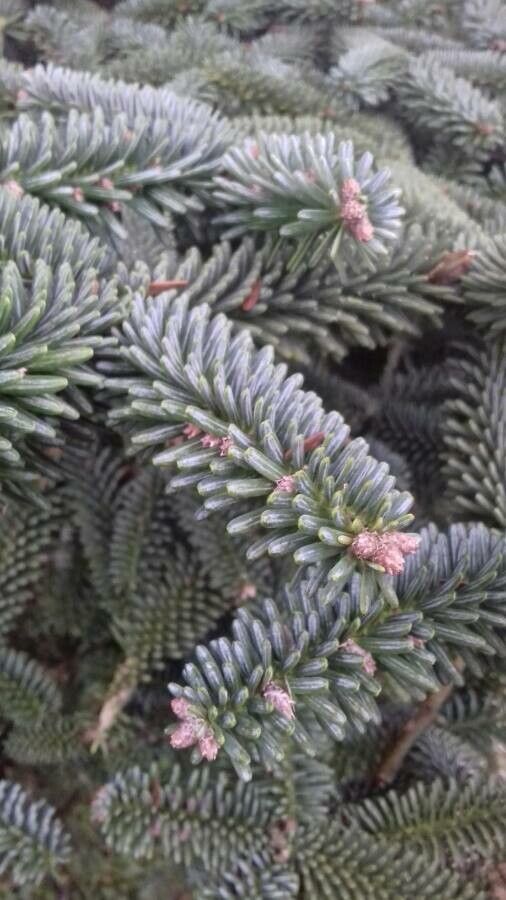
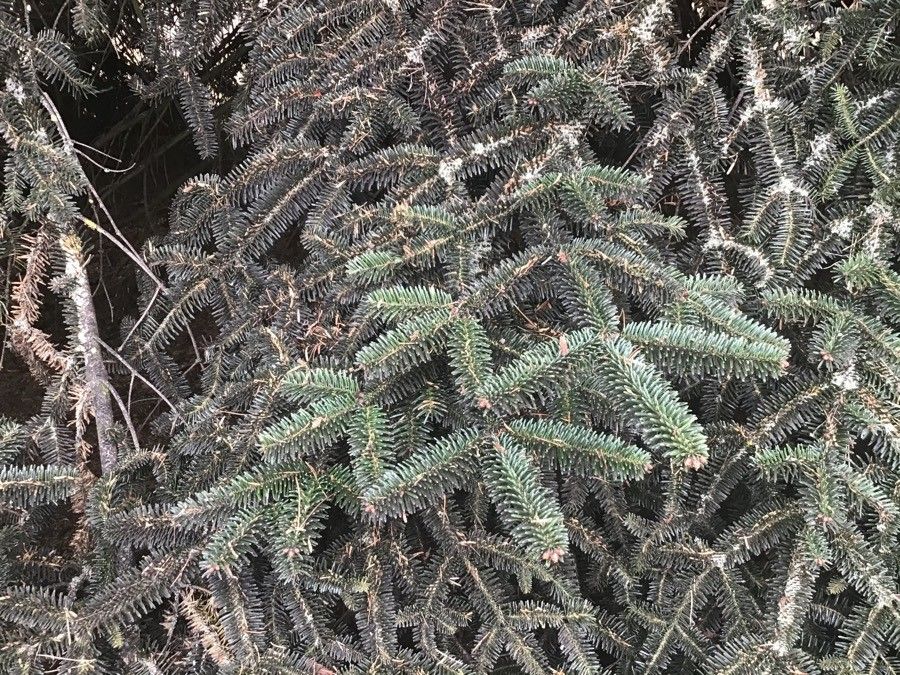
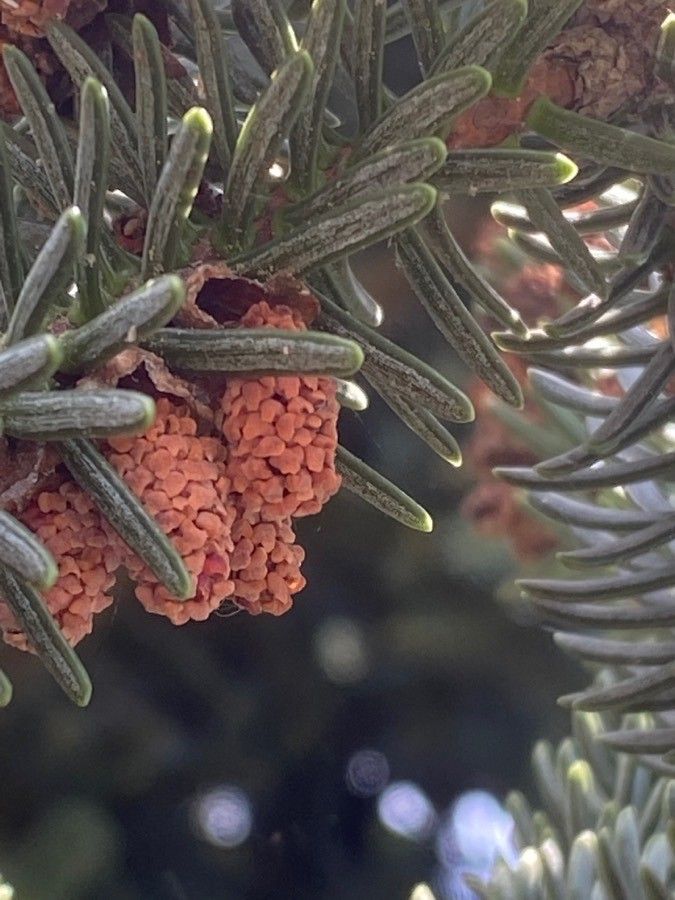
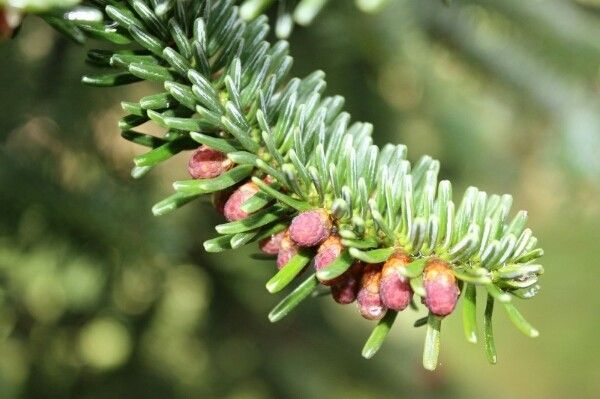
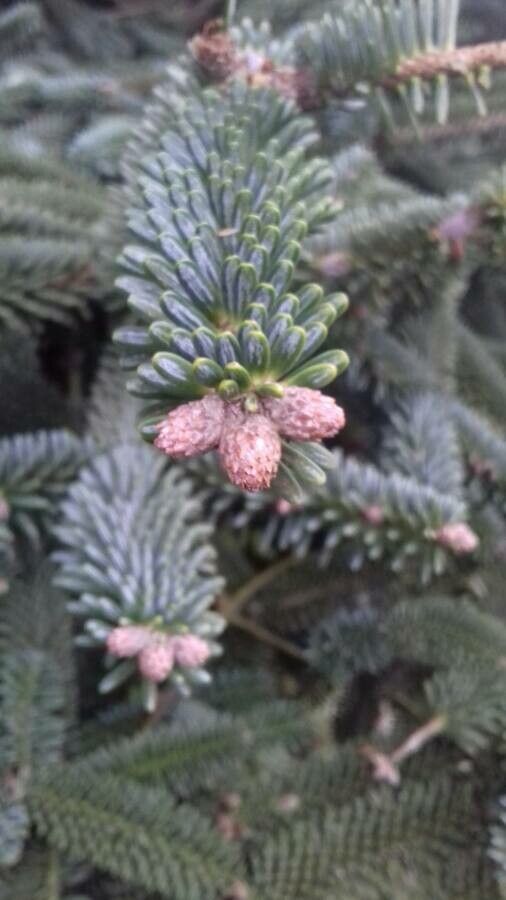
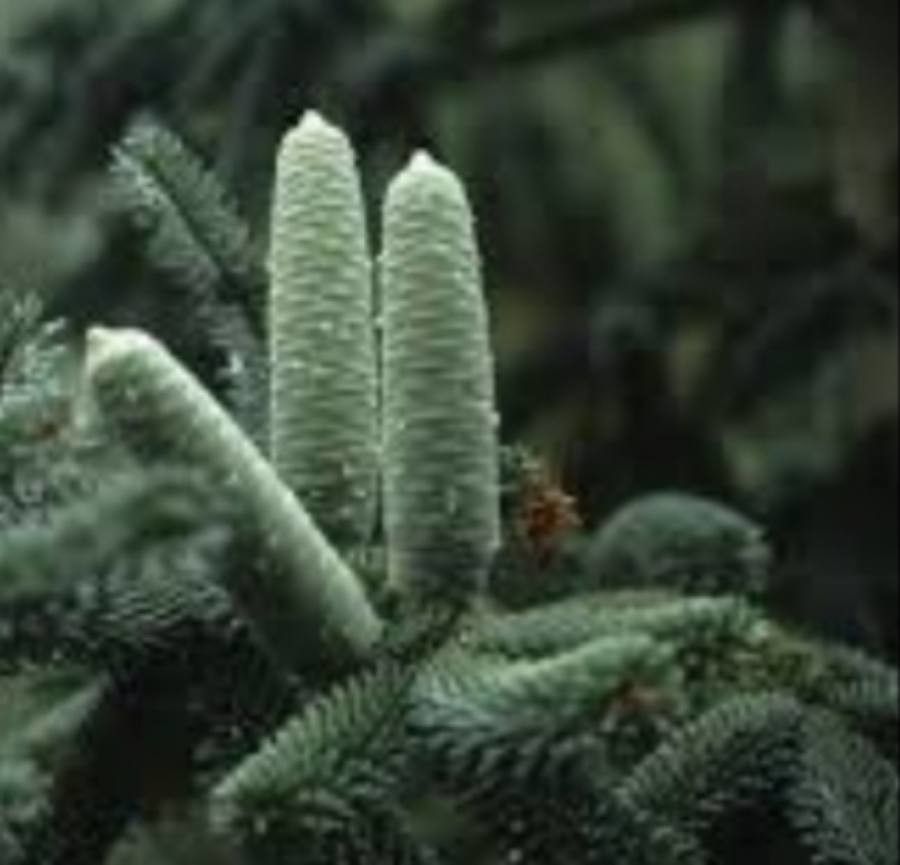
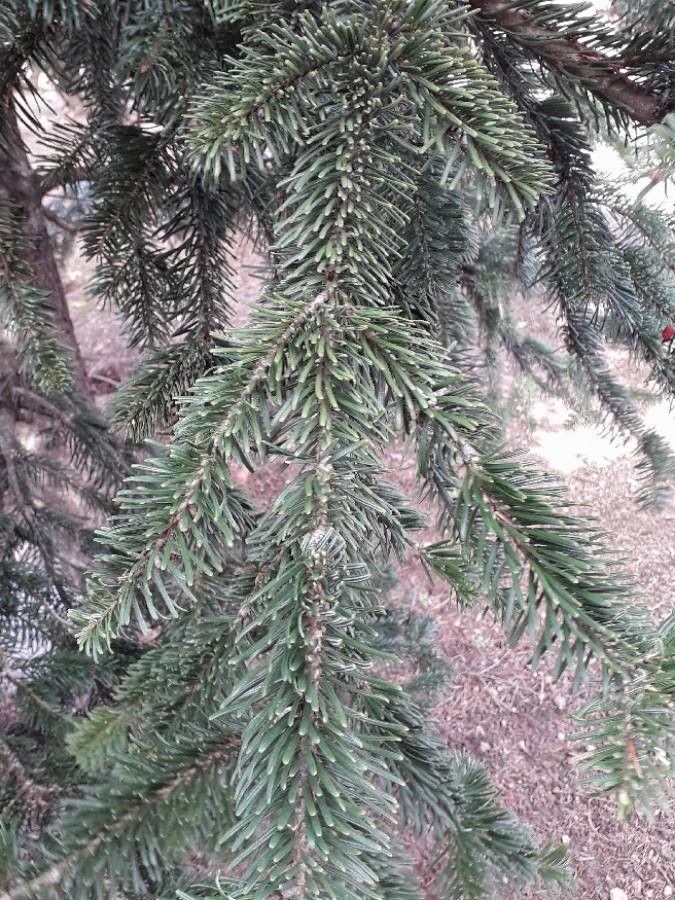
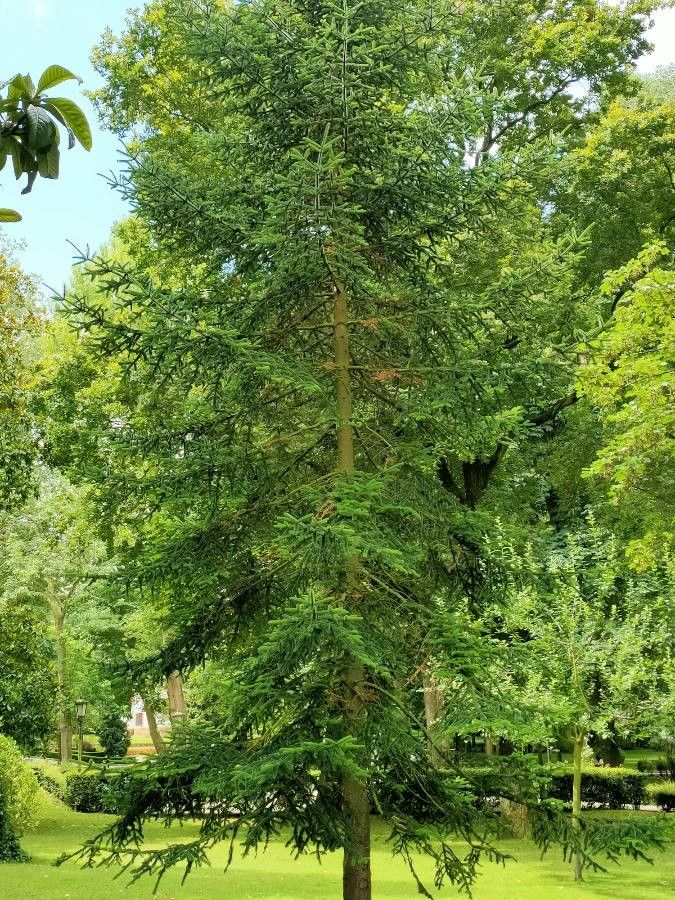
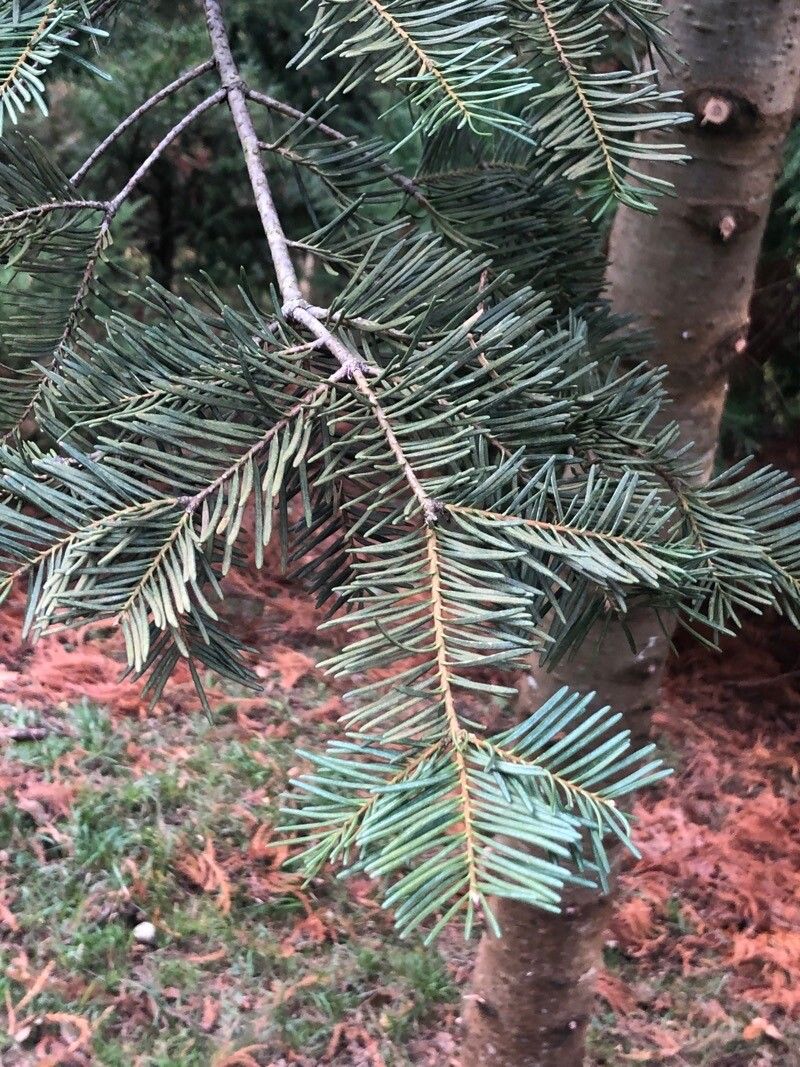
Abies numidica, commonly known as the Algerian fir, is a coniferous tree species native to the Atlas Mountains in Algeria. This tree can grow up to 30 meters tall and typically has a conical shape with dense foliage. Its needles are dark green and can reach up to 3 cm in length, while its cylindrical cones can grow up to 15 cm long.
Adapted to cold climates at high altitudes, Abies numidica thrives in mixed forests alongside other conifers like Cedrus atlantica and Pinus nigra. It prefers well-drained soils that are either acidic or neutral.
Historically, Abies numidica has been used for timber production due to the strength of its wood. It is also a popular ornamental tree in parks and gardens, prized for its attractive appearance.
However, the species is currently endangered, primarily due to deforestation for timber production and agricultural expansion. To combat this threat, the International Union for Conservation of Nature (IUCN) has classified it as endangered. Conservation efforts, such as reforestation programs, are being implemented to protect this valuable tree species from extinction.
Algerian fir is resistant to disease and is generally not susceptible to illnesses. In terms of care, this plant is fairly low-maintenance. When grown outdoors it needs only minimal watering, and larger specimens typically do not require pruning. Smaller plants, however, should be pruned after they have bloomed. Algerian fir is appropriate for anyone who has an outdoor area, such as a garden or deck, and it does not demand extensive care experience.
How to keep Abies Numidica.
Light
Algerian fir is native to open habitats, such as sunny meadows and forest margins, where plenty of light is available. It performs best in Full Sun but can also tolerate Partial Sun, adapting well to different light conditions.
Temperature
Algerian fir shows strong adaptability to a range of climatic conditions, from scorching summers to freezing winters. However, it does have an optimal temperature range for growth. When temperatures get too high, the plant is susceptible to heat and humidity stress, which can cause it to die. In areas where temperatures approach the lower limit of its cold tolerance, it is important to provide insulation to protect the plant.
Fertilizer
Algerian fir has distinctive nutrient needs and does not require heavy fertilization. Spring is the ideal time to fertilize for optimal growth. Providing nutrients improves its health, increases its resistance to pests and diseases, and helps preserve its long lifespan.
Botanical profile.
Other names.