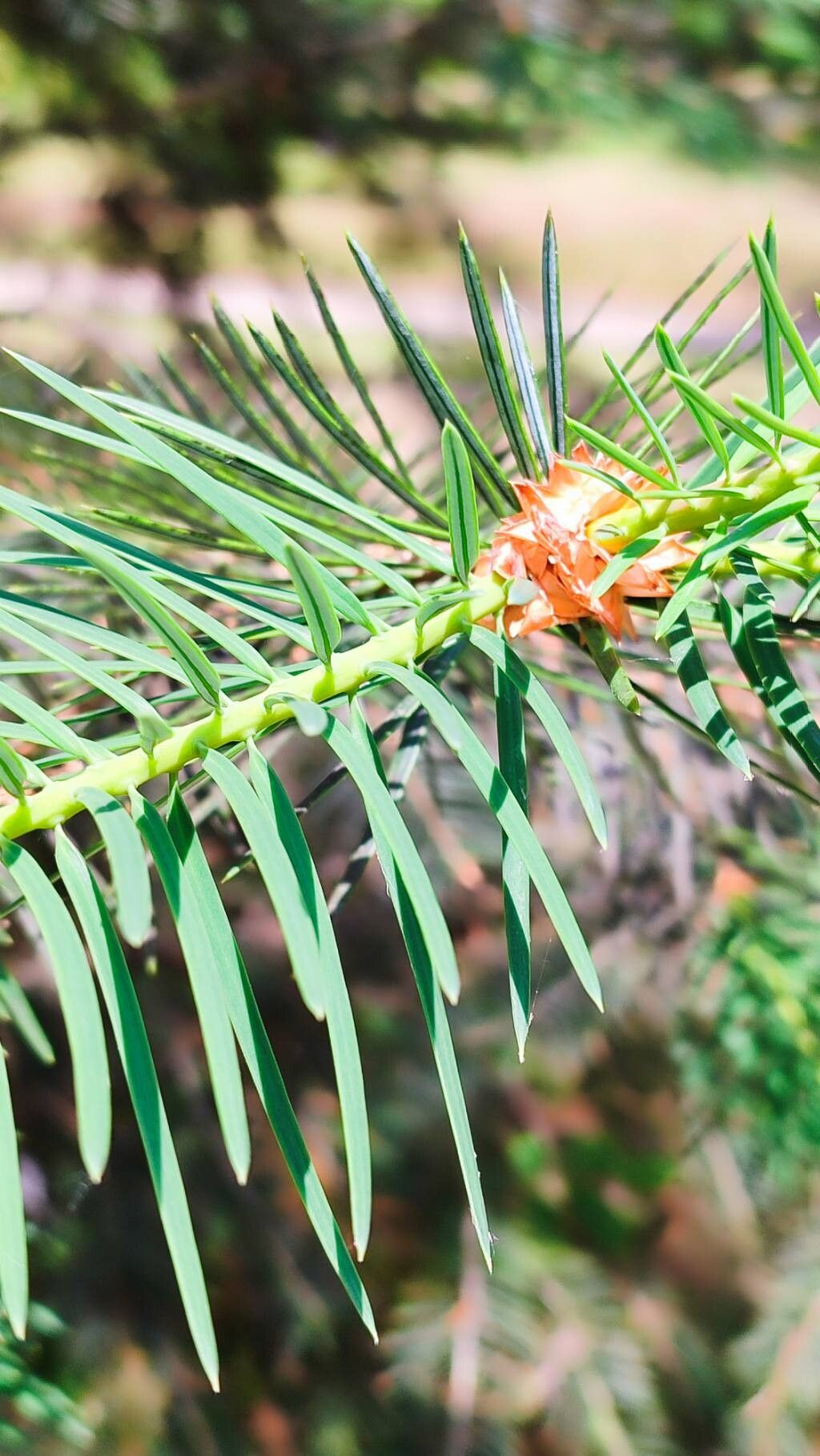
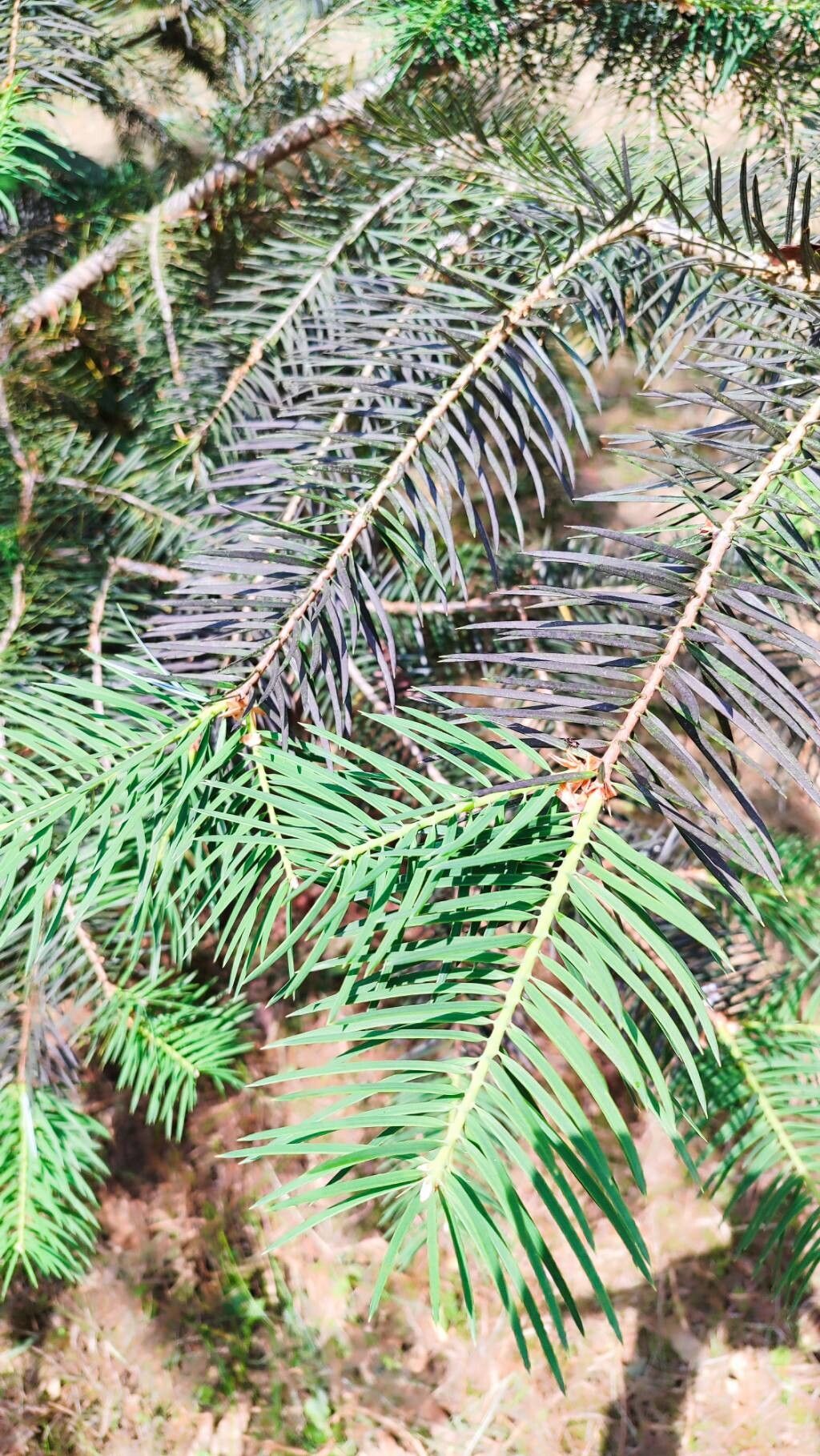
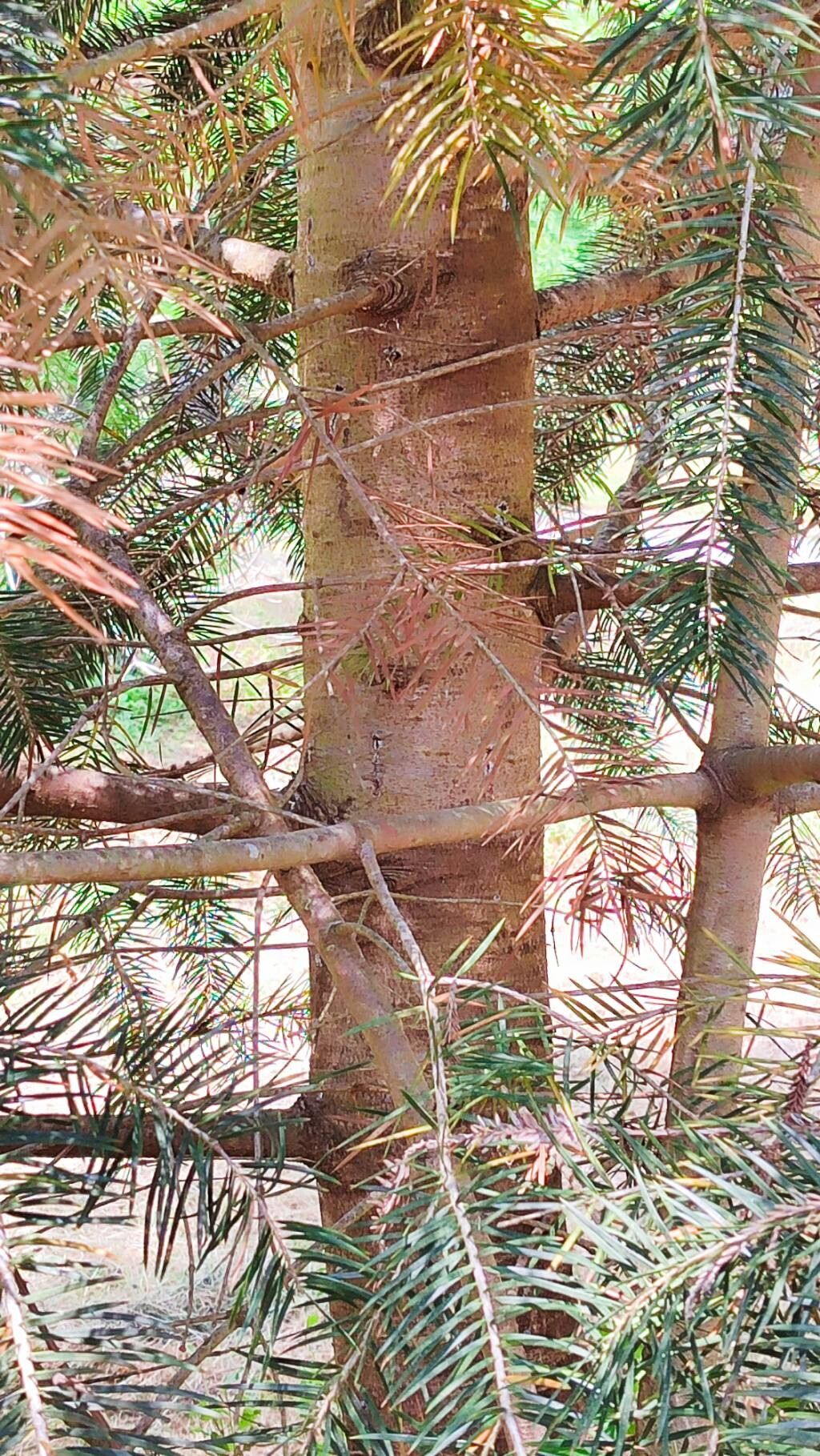
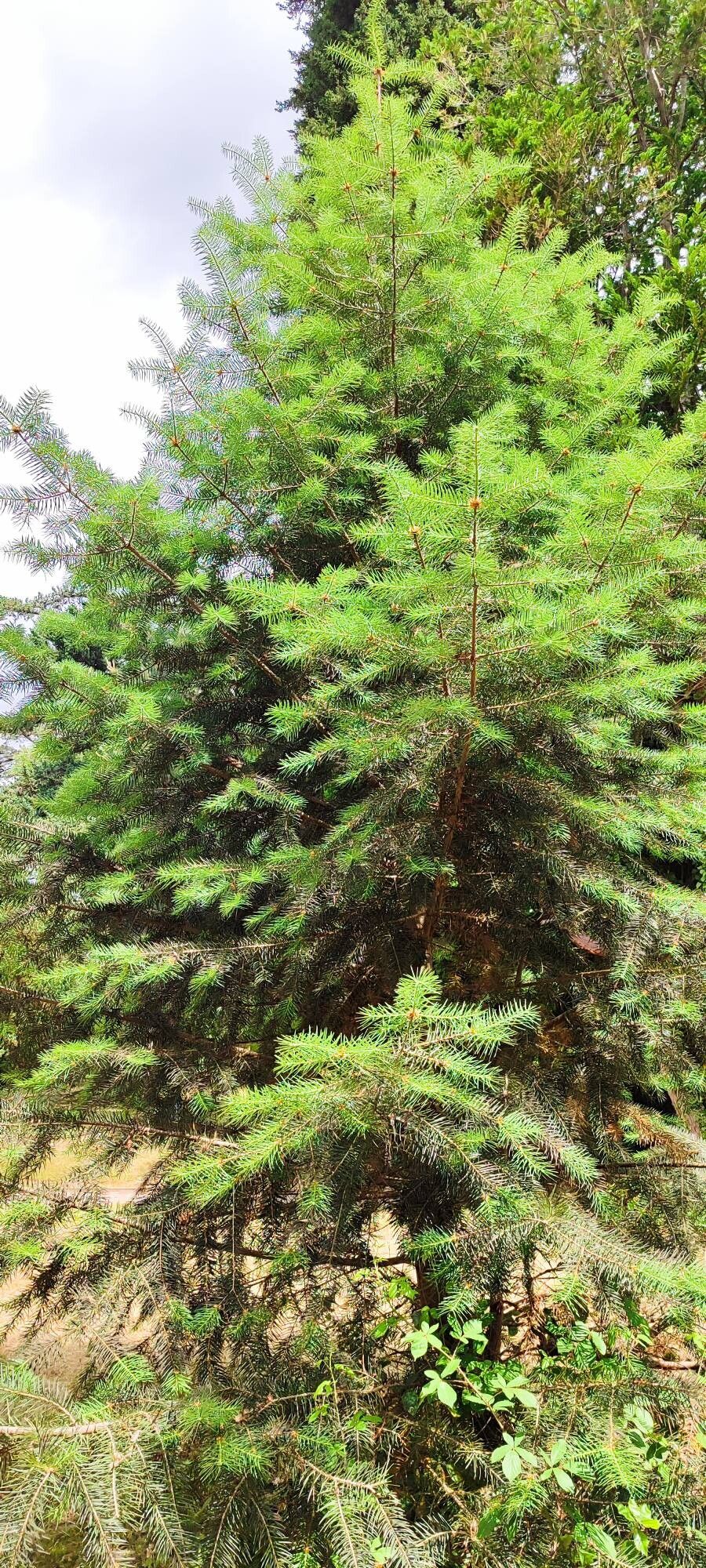
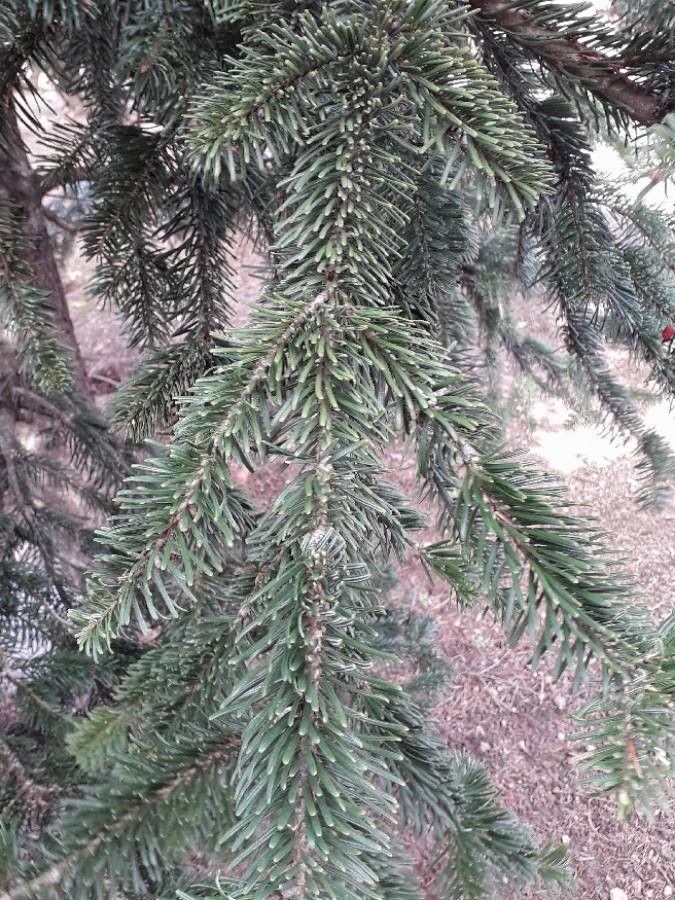
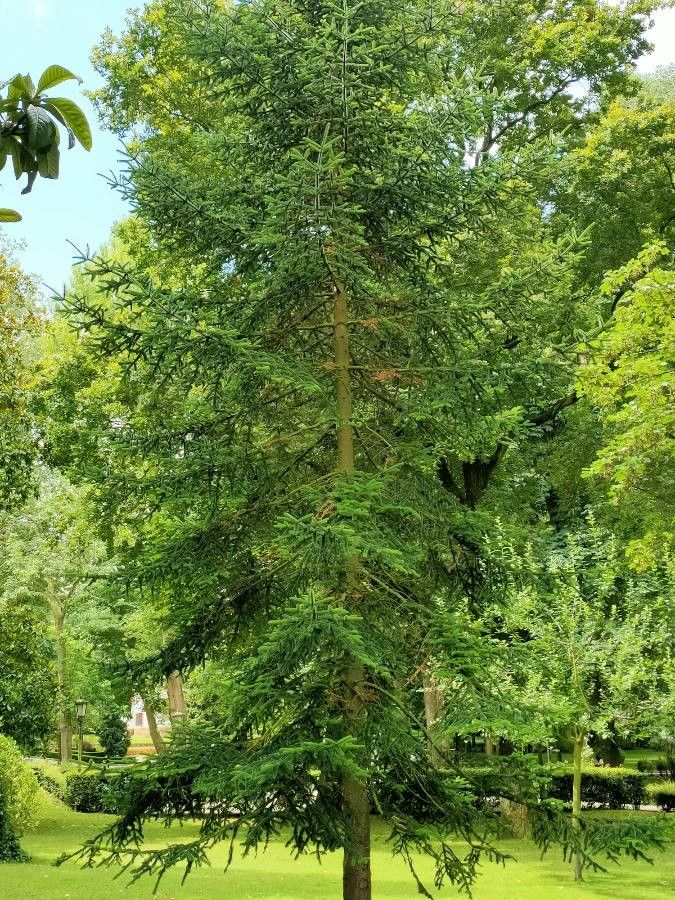
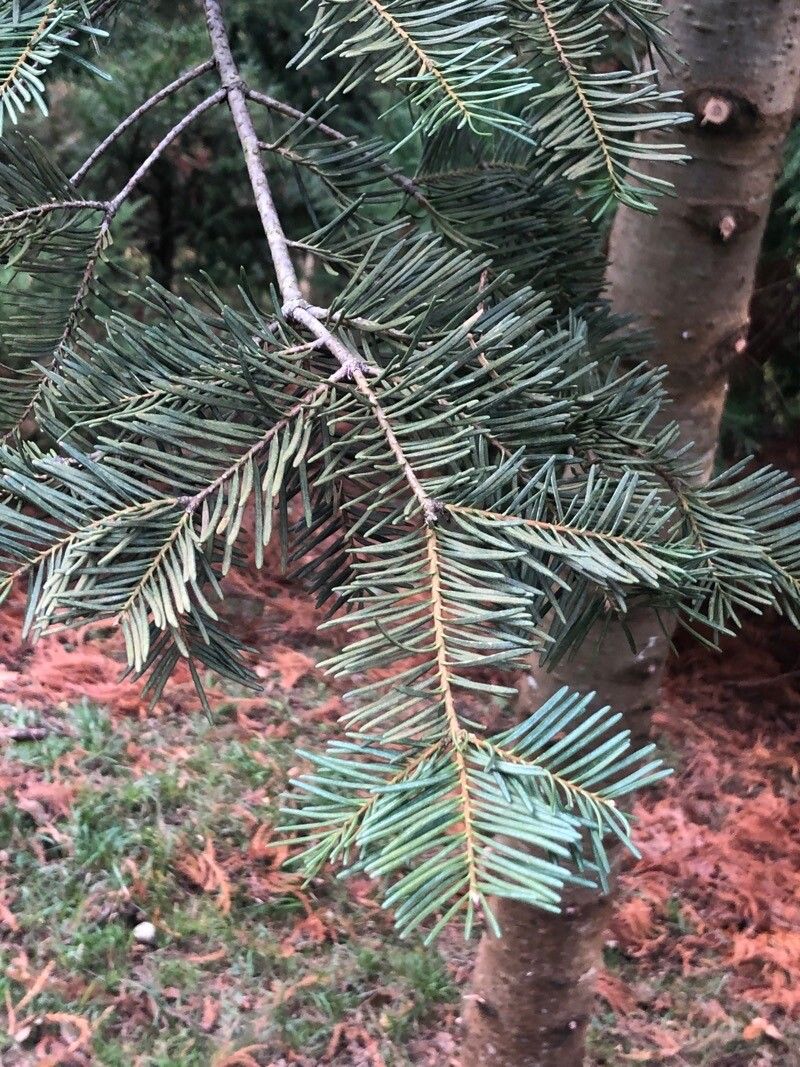
Abies bracteata, the Santa Lucia fir or bristlecone fir, is the rarest fir in North America. It is confined to steep-sided slopes and the bottoms of rocky canyons in the Santa Lucia Mountains, in the Big Sur region on the central coast of California, United States.
Bristle-cone fir is fairly disease-resistant and is usually not susceptible to illnesses. In terms of maintenance, this plant is fairly low-maintenance. When grown outdoors it needs only minimal watering, and larger specimens typically do not need pruning. However, smaller plants should be pruned after they have bloomed. Bristle-cone fir is appropriate for anyone with an outdoor area, such as a garden or deck, and does not demand a lot of care experience.
How to keep Abies Bracteata.
Light
Bristle-cone fir is indigenous to habitats like forest understories or rocky terrains, where it typically gets natural shade. It has a preference for areas with partial sunlight, yet it has the ability to adjust to locations with full sun or complete shade, highlighting its adaptable and robust character.
Water
In the summer, water bristlecone fir trees more frequently, about twice a week, to ensure the soil remains moist. This is especially important during the first two years of growth. However, make sure to allow the top layer of soil to dry out between waterings. In the spring and fall, watering once a week is sufficient. Avoid watering during periods of rain and do not water during the winter.
Temperature
Bristle-cone fir proves to be highly adaptable to a wide range of weather conditions, be it blistering hot summers or freezing cold winters. Nonetheless, it does have an optimal range of temperature for its growth. If the temperatures rise excessively, the plant may experience heat and humidity stress, which could be fatal for it. In places where the temperature gets close to its cold tolerance threshold, insulation steps are necessary to safeguard the plant.
Fertilizer
The Bristle-cone fir has specific nutritional needs and doesn't require a large amount of fertilization. The best time to fertilize it is during spring for maximal growth. Enhancing the nutrients improves its well-being, increases its ability to resist pests and illnesses, and contributes to its prolonged life span.
Pruning
The bristlecone fir requires minimal pruning, which is best done in early spring. Begin by removing any dead or damaged branches, as well as any competing leaders, to encourage the development of a strong trunk. Thinning the branches helps improve air circulation. Regular, light pruning enhances the tree's health and resilience against pests. To prevent infections, ensure your pruning cuts are clean and use sterilized tools.
Botanical profile.
- Plant Type
- Tree
- Life Cycle
- Perennial
- Genus
- Abies
- Family
- Pinaceae
- Hardiness Zone
- 7-9
- Mature Height
- 20.12 m to 29.87 m
- Mature Spread
- 6.1 m to 7.92 m
- Leaf Color
- Dark Green, Forest Green
- Leaf Type
- Evergreen
- Bloom Time
- Mid spring, Late spring
- Planting Time
- Spring, Summer, Autumn
- Harvest Time
- Late summer, Early fall, Mid fall
Other names.