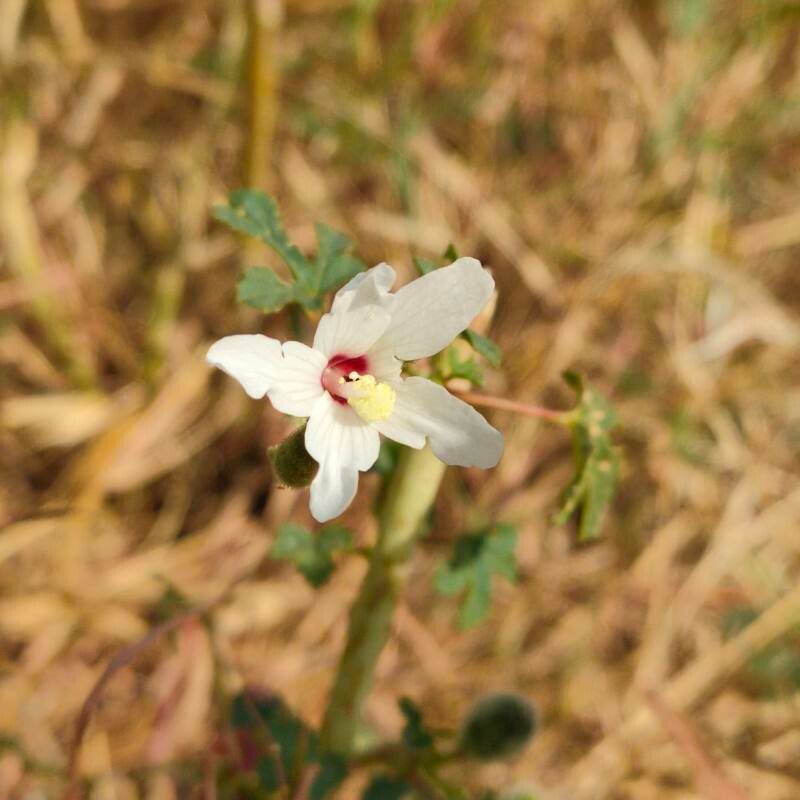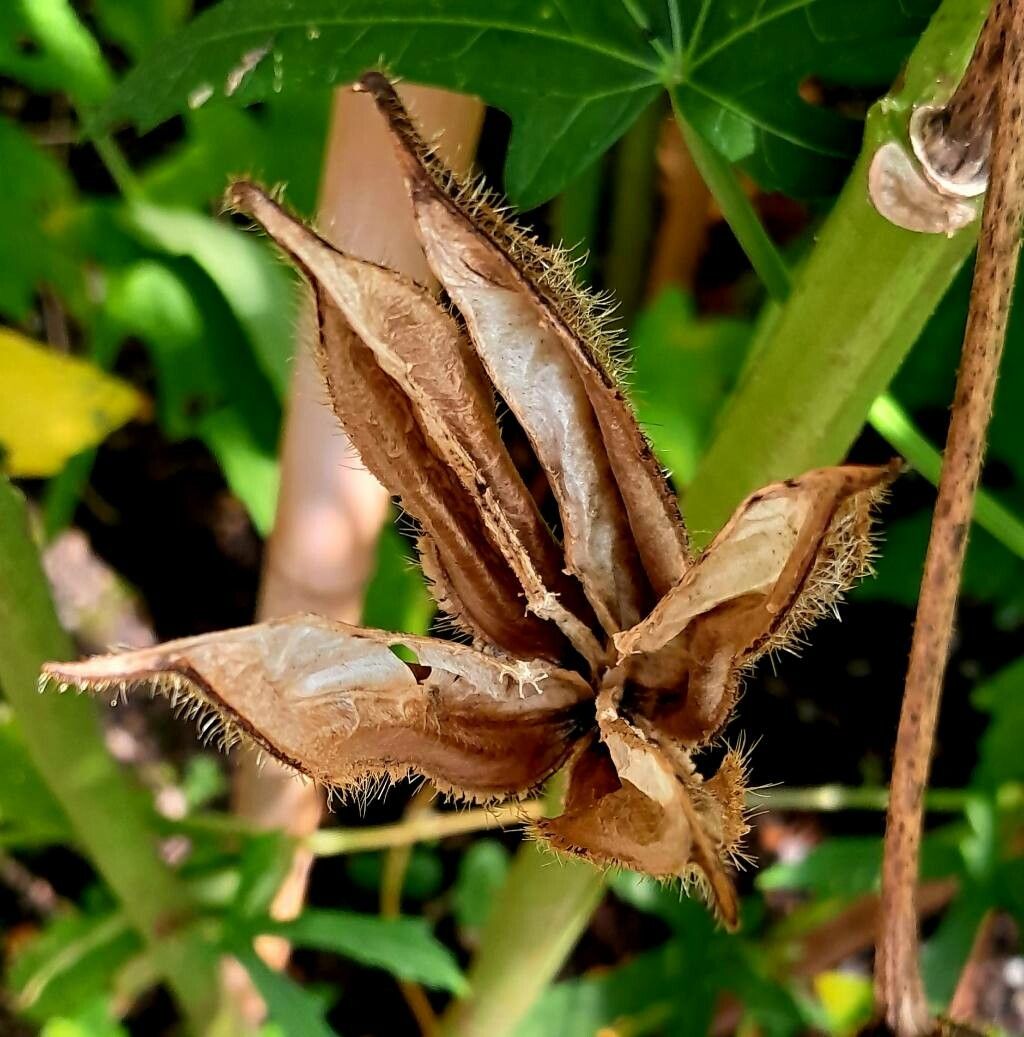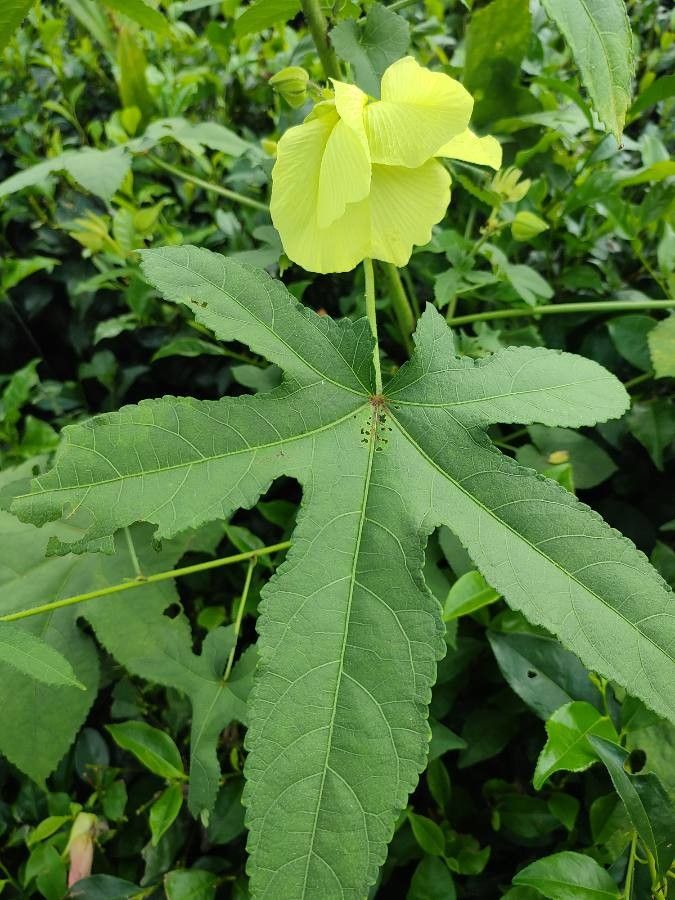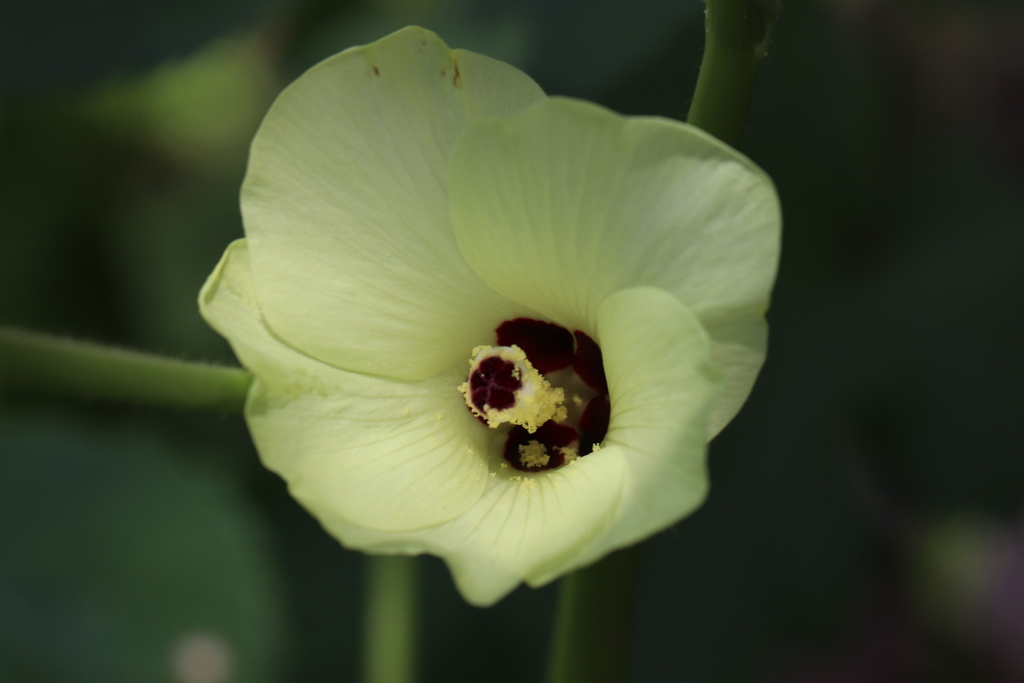
Abelmoschus esculentus, commonly known as okra or lady's finger, is a flowering plant that belongs to the mallow family. This warm-season vegetable is widely cultivated in tropical and subtropical regions around the globe. The plant can grow up to 2 meters tall and produces large yellow flowers with red or purple centers. Its fruit is a green pod that can reach up to 18 cm in length and is filled with numerous small seeds.
Okra has been used for centuries in traditional medicine due to its various health benefits, including its ability to lower cholesterol levels, improve digestion, boost immunity, and reduce inflammation. It also boasts high levels of antioxidants such as vitamin C and beta-carotene.
Beyond its medicinal properties, okra is versatile in the kitchen. It can be eaten raw or cooked in various dishes such as stews, soups, and curries. Its mucilaginous texture makes it an excellent thickening agent for sauces.
Overall, Abelmoschus esculentus is a significant crop that offers both nutritional value and medicinal properties, making it an integral part of many cultures around the world today.
Okra has moderate resistance to disease but can be susceptible to issues like leaf spot. Its susceptibility to insect pests varies by variety, though most varieties are not highly resistant to pests. For care, okra needs regular watering and fertilization, and yellow leaves should be pruned frequently. It is important to manage pests and diseases as they appear and to harvest the plant promptly. Okra is suitable for people who can devote some time and energy to regular care.
How to keep Abelmoschus Esculentus.
Light
Okra flourishes in bright, direct sunlight but can tolerate light shade. These conditions produce its best growth and support the plant’s vigorous health. Too little light can lead to weak, spindly plants; too much sun, although uncommon, can cause leaf scorching.
Water
Okra thrives in warm and humid climates with consistent moisture. It prefers moist, well-draining soil, so water it weekly for optimal growth. Usually grown outdoors, okra benefits from sunlight and rainwater, which promote healthy development of its edible pods.
Humidity
This plant will thrive in moderate humidity, which is probably the level in your home. However, misting it a few times a week can be very beneficial. Make sure the room has good ventilation.
Temperature
Okra is traditionally cultivated in areas where temperatures range from 68 to 95 °F (20 to 35 ℃), reflecting its native climate. In colder regions, the plant will need careful seasonal adjustments and protection to maintain its ideal temperature.
Fertilizer
To feed Okra, apply organic or commercial fertilizer high in nitrogen for leaf development, phosphorus to strengthen roots and encourage flowering, and potassium to support photosynthesis and maximize fruit yield. Plant in spring, amend the soil with compost or manure, and fertilize seedlings when they are 2-4 inches tall. A shortage of macronutrients causes stunted growth, wilting, and reduced fruit quality.
Pruning
Okra benefits significantly from pruning, especially in early to late spring. To promote healthy growth and prevent disease, remove any damaged stems and thin out overcrowded areas to improve air circulation. This practice encourages the development of new shoots and extends the flowering period, leading to a more abundant harvest.
Pot & Repot
When repotting Okra, pick a pot that is 1-2 inches (2.5–5.1 cm) larger in diameter and that has good drainage. Use a well-draining potting mix and consider adding perlite for extra drainage. Repot in spring or early summer, water thoroughly afterward, and keep it in a shady spot at the very beginning.
Toxicity
Non-toxic and safe for human consumption but note that the tiny spines on its pods can sometimes cause skin irritation. Make sure to wear gloves and/or long sleeves when handling.
Further reading →
The toxicity and danger assessments provided are for reference only. We do not assure their accuracy, so it's crucial not to depend on them. Seek professional advice when necessary for accurate guidance.
Botanical profile.
- Plant Type
- Herb
- Life Cycle
- Annual
- Genus
- Abelmoschus
- Family
- Malvaceae
- Hardiness Zone
- 8-10
- Mature Height
- 0.91 m to 2.13 m
- Mature Spread
- 0.91 m to 1.52 m
- Leaf Color
- Green
- Leaf Type
- Deciduous
- Flower Color
- Yellow
- Flower Size
- 5.08 cm to 6.35 cm
- Bloom Time
- Late spring, Early summer, Mid summer
- Planting Time
- Spring, Summer
- Harvest Time
- Summer
- Native Area
- Dry tropical regions of Africa and Asia
Other names.
Reader questions.
How should I water my Okra plants?
The Okra plant has specific water preferences, and how you water it is important. Using the wrong technique can harm your tomatoes. The best way to water Okra is to apply the water directly to the soil, slowly and gently. Avoid pouring all the water at once or doing overhead watering. While watering slowly, make sure to water deeply to keep the soil moist for your Okra's growth.
Why should I add fertilizer to my Okra plants?
When growing Okra for its fruit, it is crucial to ensure that the soil is adequately supplemented with the necessary nutrients. Each of the main macronutrients serves a different purpose for plants. Phosphorus, in particular, plays a vital role in promoting the growth of flowers and fruit. However, it is important to remember that for a plant to produce flowers and fruit, it must also have a healthy root system and leaves capable of absorbing sunlight. Thus, the nutrients that support these parts of the plant are also essential. Insufficient macronutrients can lead to weakened plants that grow slower and may even wilt. Since flowering and fruiting require significant energy from plants, a deficiency in these critical components will also manifest in the resulting fruits.
How much sunlight does Okra need to grow?
To grow and produce fruit, Okra typically needs 6 to 8 hours of sunlight per day, although the specific requirements may vary.
What are the ideal growing temperatures for Okra?
Okra, or Abelmoschus esculentus, thrives in temperatures ranging from 68 to 95 °F (20 to 35 °C), which reflects its native climate preferences. To successfully grow okra in colder regions, it is essential to ensure that temperatures are carefully managed to stay within this ideal range. During the winter months, keeping the environment above 20°C and ensuring that temperatures do not drop below the freezing point is crucial to prevent damage to the plant. In cases where the outdoor temperature approaches -5°C (25°F), it is advisable to bring okra plants indoors or protect them by setting up a temporary greenhouse or wrapping them with plastic film or fabric.
What do I do if I give my Okra too much or too little water?
If you find that you have overwatered your Okra and are worried about disease, take immediate action. The best way to handle an overwatered Okra is to remove it from its current spot. Once you uproot the plant, let the roots dry a bit before replanting it in a location with better soil drainage. If you grow in pots, you can transfer the plant to a pot with more or larger drainage holes. On the other hand, if you have underwatered your Okra, simply increase the frequency of watering.
When should I fertilize my Okra to get the best results?
Okra is a summer crop, so it should be planted in the spring for summer fruits. Check the specific variety for the appropriate planting time. To produce high-quality produce, okra needs rich, fertile soil. Before planting, mix in a 2-inch layer of compost or well-rotted manure to add nutrients and improve soil drainage. Transplants can be fertilized immediately after planting, while seedlings should be 2 to 4 inches tall before the first fertilization. Established plants should be fed every 3 to 4 weeks until the first frost or when the plant stops producing. Make sure to check the specific fertilizer type and okra variety for a customized fertilization schedule. If you're uncertain, it's better to fertilize less.
What kind of sunlight does Okra need?
To grow okra successfully, choose a sunny location without any obstructions like trees, fences, or buildings. The plant needs ample sunlight, especially if it grows quickly. Ideally, it should receive the most sun in the morning to support photosynthesis.
How does Okra react to low temperatures, and what should be done?
Okra has moderate tolerance to low temperatures but prefers conditions between 20°C and 35°C. Winter temperatures should ideally stay above 0°C to prevent the plant from frost damage. Exposure to temperatures below -10°C may cause the leaves to darken and exhibit signs of water-soaked necrosis, wilting, and drooping, with the leaves gradually turning brown in severe cases. The recommended solution for frost damage includes trimming away the frost-damaged parts of the plant and moving it indoors to a warmer environment. Setting up a makeshift greenhouse can also offer the necessary cold protection. For indoor placement, positioning the plant near a south-facing window ensures ample sunlight, supplemented by artificial lighting if needed.
How often do I need to water my Okra plant?
Okra needs a lot of water while it grows. You should water it regularly in the spring and summer. At the start of the growing season, water it once or twice per week. As the season goes on, you need to water it more often, maybe twice per day, depending on the weather. After the main growth phases, water it once per week until the end of the season.
When is it not a good idea to put fertilizer on my Okra plants?
To ensure optimal growth of okra, it is important to avoid using a nitrogen-rich fertilizer. Such fertilizers can cause excessive leaf growth while hindering the development of flowers and fruits. Instead, opt for fertilizers that have a lower level of nitrogen in comparison to other nutrients. Additionally, it is essential to refrain from fertilizing okra during periods of high temperature or dry conditions. This is because the fertilizer may simply drain away through the soil, without being effectively absorbed. Moreover, plants have decreased nutrient absorption capabilities during hot weather, which can result in the fertilizer remaining in the soil and preventing the plants from absorbing water. This situation can become particularly risky for plants during droughts or heatwaves.
Should I keep Okra away from the sun?
In most climates, okra does not require protection from the sun. However, individuals residing in a desert or near the equator might discover that the sun's intensity could be too harsh for their preferred plants. Nonetheless, this situation is the exemption, not the norm.
How does Okra handle high temperatures, and what are the remedies?
During the summer, it is important to ensure the temperature surrounding okra plants does not exceed 35°C. Should temperatures rise above 41°C, the plant's growth may slow, leaves might lighten in color, and the risk of sunburn increases. To mitigate damage from high temperatures, trim away sunburned and dried parts of the plant. Relocating the plant to a shaded area, particularly from the harsh afternoon sun, alongside watering the plant in the morning and evening to maintain soil moisture, are effective strategies to keep okra healthy in excessive heat.